
Terroir Aitoibukuro belongs to Hokuto’s ingredient-led dining scene, where mountain agriculture, clean water, and proximity to Yamanashi producers matter more than metropolitan spectacle. Its innovative category and recognition for expanding restaurant culture in Yamanashi place it in a rural creative bracket rather than a conventional destination-restaurant template.
Pearl is the En Primeur Club membership app — saves, bookings, and concierge access live there. Same editors, same standards.
- Address
- 414, Takanecho Nagasawa, Hokuto, Yamanashi
- Website
- aitoibukuro.com
- Directions
- Get directions
 Saves & bookings on Pearl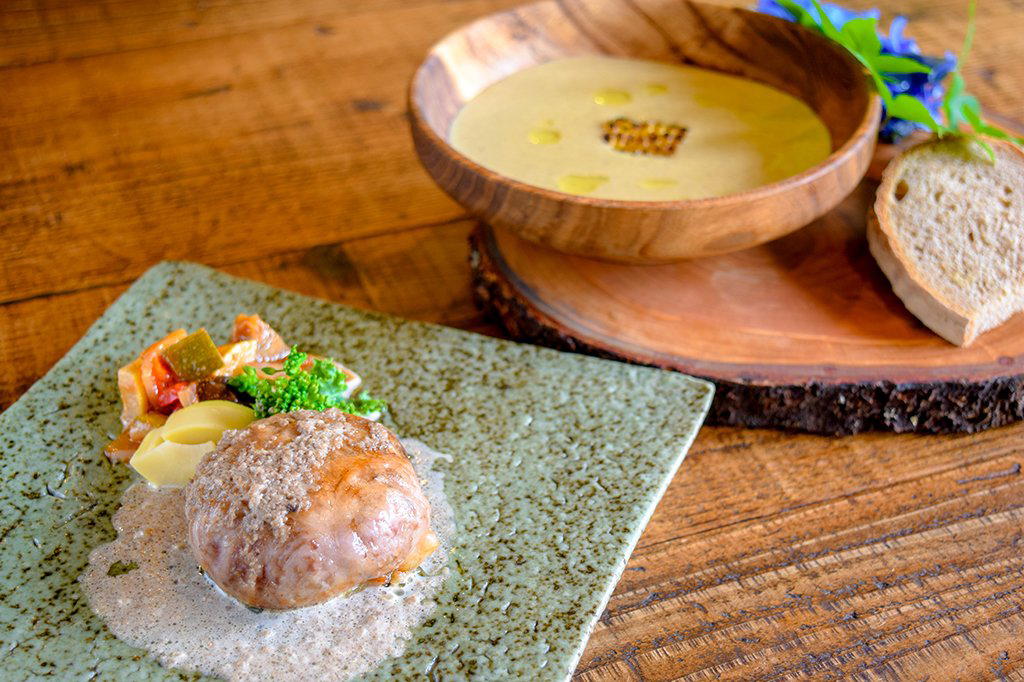
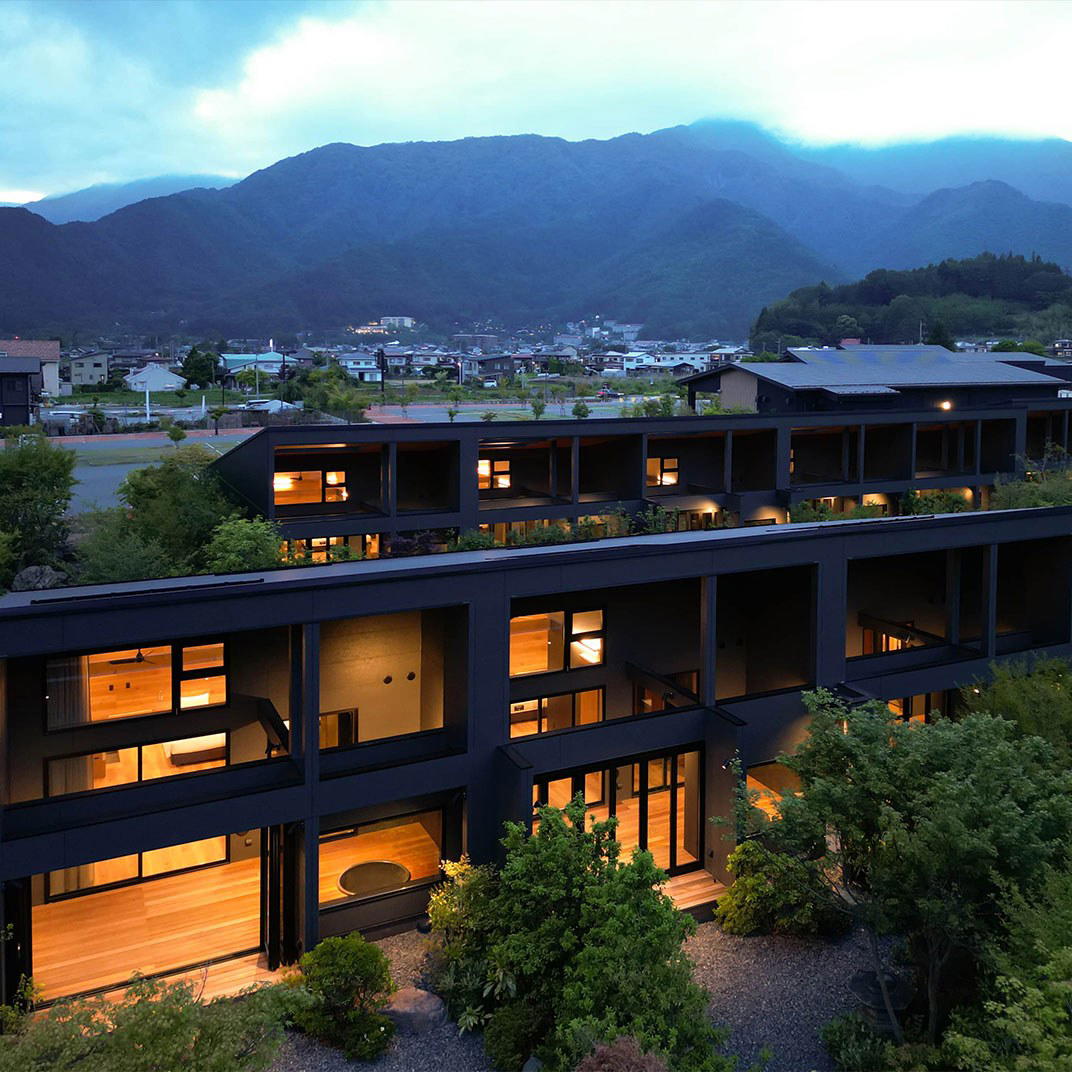
Approaching northern Yamanashi, the mood shifts before the meal: wider skies, fields broken by windbreaks, and raw materials that feel drawn from the place rather than imported into a concept. Hokuto sits between agricultural country and mountain resort territory, and that geography matters. Here, ingredient sourcing is not decorative; it structures the dining culture.
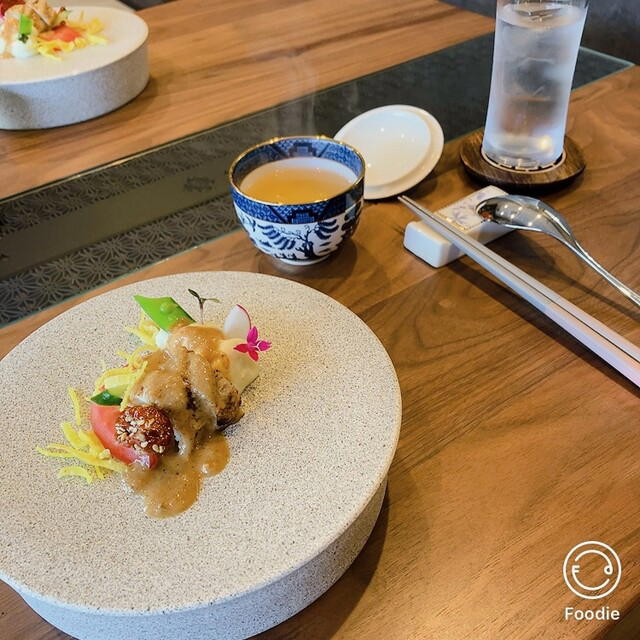
Terroir Aitoibukuro is part of that shift. Categorized as innovative, it gives the word a different meaning than in Tokyo or Osaka: less technical display, more translation of Yamanashi produce, climate, and rural supply networks into a contemporary meal. Its recognition for expanding restaurant culture in Yamanashi is the useful signal: not just another restaurant outside the capital, but proof of a regional dining scene gaining confidence on its own terms.
Yamanashi produce gives the innovative format its spine
Japan’s rural creative restaurants now counterbalance the metropolitan tasting-menu model. In large cities, innovation often reads through luxury seafood channels, imported wine lists, and competitive counter formats. In agricultural regions, stronger restaurants build identity through proximity: vegetables, orchard fruit, dairy, river fish, wild plants, and harvest timing. Hokuto’s Yamanashi setting makes that approach coherent because the prefecture is nationally recognized for fruit cultivation, wine production, and high-altitude farming.
That context is why Terroir Aitoibukuro should be read through sourcing, not spectacle. The name points toward place, but the larger point is the category it represents: a countryside restaurant using an innovative frame to argue for regional value. “Local” can be vague in Japan when used casually; in Hokuto, it is sharper because the surrounding food economy is visible. A meal here belongs to the same conversation as Yamanashi wineries, farm-driven inns, and small restaurants treating the prefecture as pantry rather than backdrop.
The comparison set clarifies the distinction. Restaurant Naz, Simples, AO, Kabi, and SECRETO all sit in the wider innovative category, yet their logic differs by setting and price architecture. Simples and SECRETO publish higher-price brackets, while Kabi carries the urban creative-dining shorthand of ¥¥¥. Hokuto’s version is not mimicking city grammar. It asks a different question: how much can a kitchen say when the region supplies the argument?
For mapping the area, contrast Hokuto’s broader spread. Kobuchisawa Izutsuya points toward local dining with a different rhythm, while OTTO SETTE reflects the resort-facing appetite for composed meals. Daigahara Kinseiken Honten belongs to the confectionery and regional-specialty side of the same food culture, and Asian Yatai Gohan Gogo Kichi Shokudo shows how casual formats fill out the map. The full city picture is clearer in our full Hokuto restaurants guide.
The rural creative tier rewards context over ceremony
Hokuto is not a city where the strongest meals need theatrical service language. The appeal lies in scale, restraint, and the relationship between dining and terrain. That gives local restaurants an advantage over metropolitan peers: the agricultural story is not abstract. It can be felt in the short distance between field, producer, and plate, even when the cooking is contemporary.
That does not make the format casual. Innovative restaurants in Japan often ask diners to surrender some control, especially when the kitchen is ingredient-led. The trade-off is clarity. Instead of chasing signature items, better rural versions build a sequence around what the region can support at that moment. In Yamanashi, that can mean produce-driven pacing, a stronger role for local fruit culture, and wine-country adjacency that reframes the meal, even when no formal wine program is foregrounded.
The Takanecho Nagasawa address places the restaurant in Hokuto rather than the denser Kobuchisawa resort orbit, which matters for planning. This is a countryside meal, not a quick urban detour between shopping stops. It pairs naturally with a Yamanashi itinerary including wineries, mountain drives, hot-spring stays, or a hotel night nearby. For wider planning, cross-reference our full Hokuto hotels guide, our full Hokuto wineries guide, our full Hokuto bars guide, and our full Hokuto experiences guide.
The takeaway: treat the restaurant as a reason to slow the itinerary, not an add-on after a long transfer. Hokuto rewards travelers who let the region set the tempo. A tightly scheduled day can flatten the category, because the meal’s value comes from place as much as technique.
Where it fits for travelers comparing innovative dining in Japan
For international travelers, “innovative” in Japan can mislead because it covers sharply different experiences. A Tokyo creative counter, rural fermentation-led dining room, resort restaurant, and regional tasting-menu address may share a label while pursuing different ambitions. Terroir Aitoibukuro belongs to the regional camp: the meal is best understood through Yamanashi’s food culture and Hokuto’s agricultural setting, not luxury cues.
That makes it stronger for travelers who care where Japanese ingredients come from, and less suited to diners seeking a predictable metropolitan format with every practical variable published. Its recognition for expanding restaurant culture in Yamanashi gives it editorial weight because it identifies a broader movement: rural Japanese dining is no longer only about tradition, inns, or local specialties. It can be contemporary, place-specific, and ambitious without borrowing the capital’s posture.
Readers interested in the wider innovative category can compare how the label travels, from [àbitat] in San Fermo della Battaglia to Å by T.U.N.G in Ho Chi Minh City. Within Japan’s broader network, the contrast between regional specificity and urban specialization is visible at -Grilled beef Sukiyaki- KAMAKURA TANUKIAN 鎌倉 たぬき庵 in Kamakura, 鮪と炭火焼き うお炭 秋葉原店 in Tokyo.cafe in Osaka.know in Kumamoto, (Shoku) Vietnam in Kawasaki, and [Curry Senmon Ten] Maruyama Kyoju. in Sapporo.
The editorial case for Terroir愛と胃袋 is not that it fits a familiar luxury mold. It is that Hokuto gives the innovative format something concrete: land, season, producers, and a prefecture whose food identity extends beyond the table. For travelers who want Yamanashi to taste like more than a stop between Tokyo and the mountains, that is the reason to pay attention.
In Context: Similar Options
Comparable venues by cuisine and price in the same metro.
| Venue | Cuisine | Price | Notes |
|---|---|---|---|
| Terroir AitoibukuroThis venue — the venue you are viewing | Seasonal Terroir-Driven French in a Historic Farmhouse | $$$$ | Not listed |
| Restaurant Steakhouse Keyspring (カントリーレストラン キースプリング) | Country Steakhouse with Local Yamanashi Beef | $$$ | 小淵沢 |
| Kobuchisawa Izutsuya | Japanese Unagi | $$ | Kobuchizawa |
| Terroir愛と胃袋 | Local Terroir French-Japanese Fusion | $$$$ | Takanechō Nagasawa |
| OTTO SETTE | Seasonal Italian Tasting Menu at Mountain Wine Resort | $$$$ | Kobuchisawa |
| Yatsugatake Esaki | Kaiseki | $$$$ | Hokuto |
Recognition history
Dated appearances from independent guides and award organizations, with the underlying list record or original source where available.
The Japan Times Destination Restaurants Destination Restaurants Selection #5
The Japan Times Destination Restaurants

At a Glance
- Romantic
- Cozy
- Rustic
- Elegant
- Intimate
- Special Occasion
- Date Night
- Celebration
- Private Event
- Garden
- Historic Building
- Design Destination
- Standalone
- Extensive Wine List
- Natural Wine
- Sommelier Led
- Farm To Table
- Local Sourcing
- Sustainable Seafood
- Natural Wine
- Mountain
Current opening hours
- Monday
- Closed
- Tuesday
- Closed
- Wednesday
- 11:30 AM–2 PM, 5:30–9 PM
- Thursday
- 11:30 AM–2 PM, 5:30–9 PM
- Friday
- 11:30 AM–2 PM, 5:30–9 PM
- Saturday
- 11:30 AM–2 PM, 5:30–9 PM
- Sunday
- 11:30 AM–2 PM, 5:30–9 PM
Hours can change for holidays and private events. Last verified .
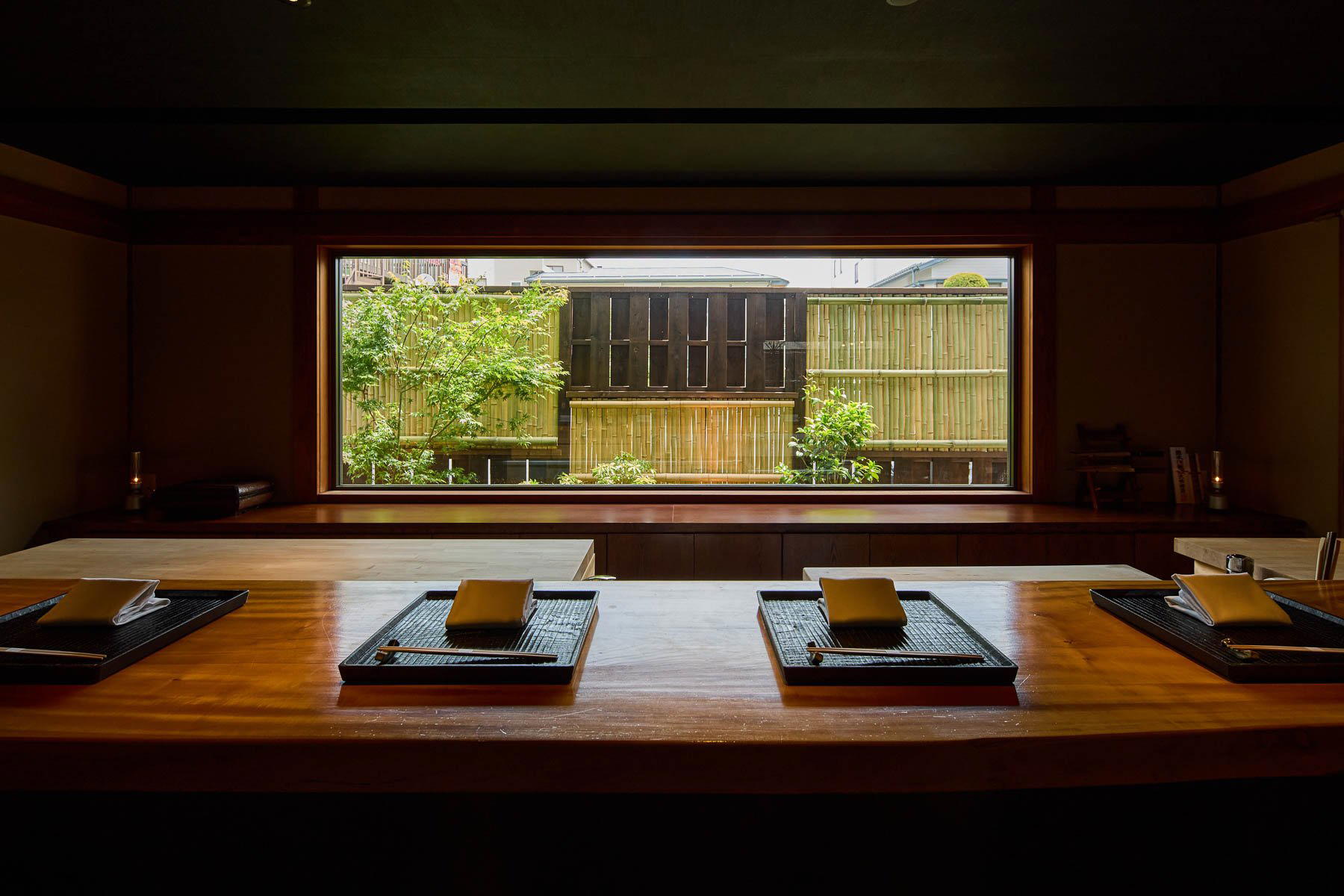
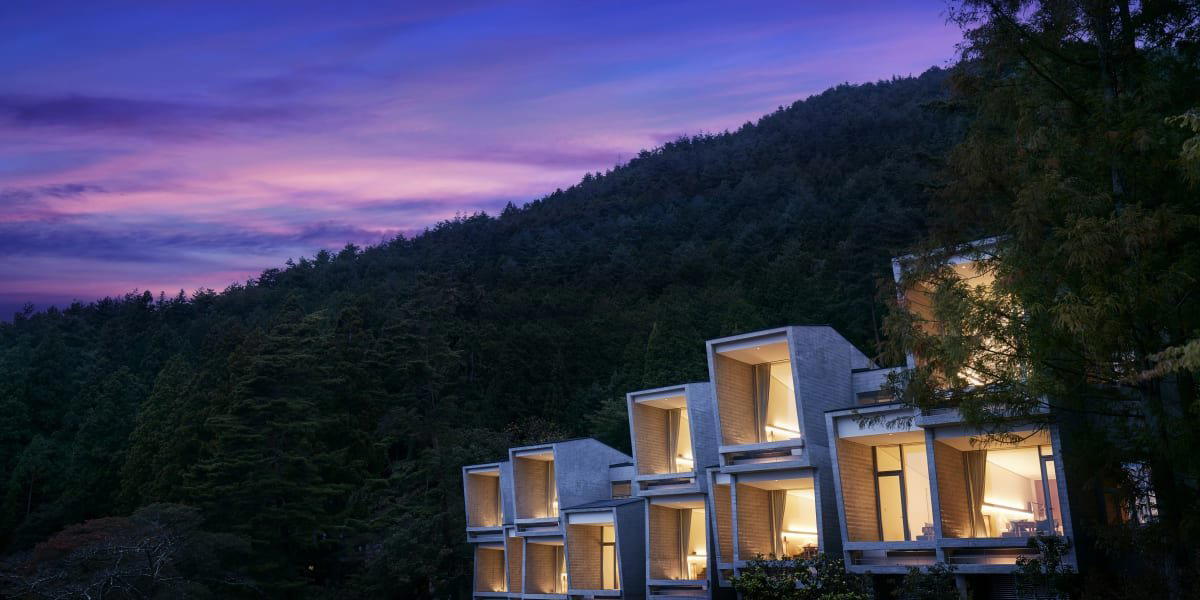
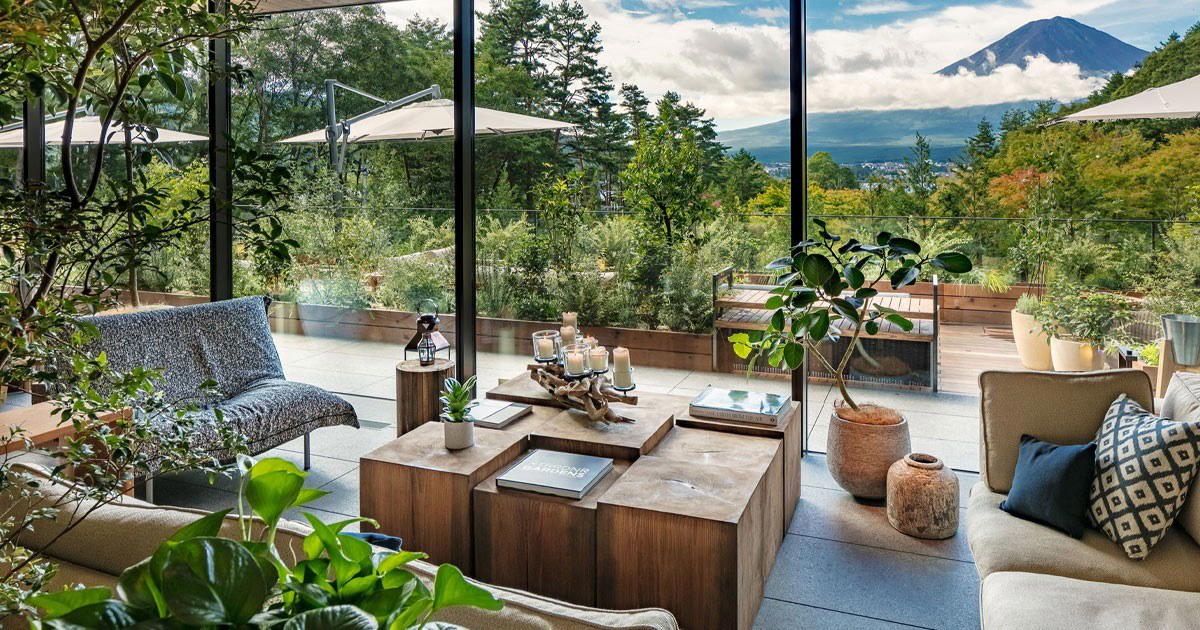
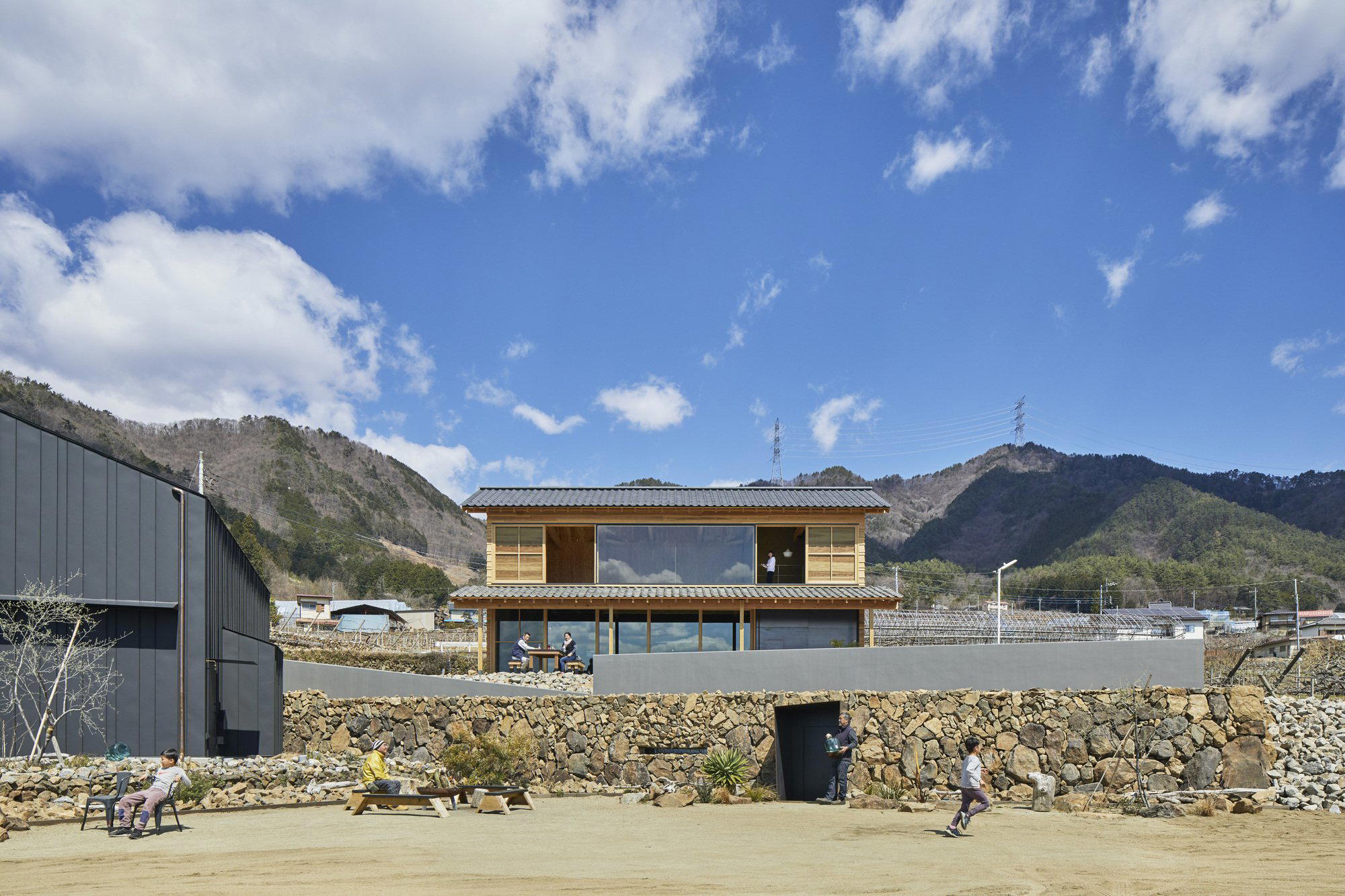
An intimate, quietly elegant dining room inside a 170-year-old wooden house, with warm lighting, rustic beams, and a calm, contemplative atmosphere that highlights the surrounding Yamanashi countryside and seasons.