
Asian Yatai Gohan Gogo Kichi Shokudo brings Thai and Vietnamese cooking into Hokuto’s mountain dining scene at a price tier far below the area’s tasting-menu restaurants. Its 2024 Tabelog 100 selection for Asian and ethnic cuisine in East Japan, vegetable focus, vegetarian options, and 40-seat house-restaurant format make it a serious casual counterpoint to Kobuchisawa’s more formal destination tables.
Pearl is the En Primeur Club membership app — saves, bookings, and concierge access live there. Same editors, same standards.
- Address
- 10150-1 Kobuchisawacho, 小淵沢町 Hokuto, Yamanashi 408-0044, Japan
- Phone
- +81 551-45-8365
- Website
- facebook.com
- Directions
- Get directions
 Saves & bookings on Pearl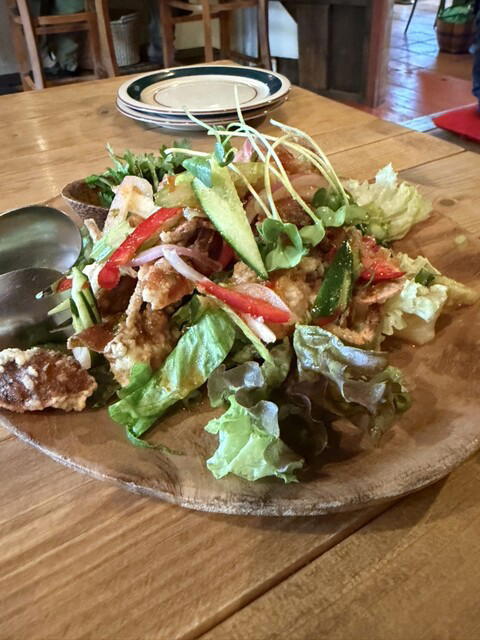
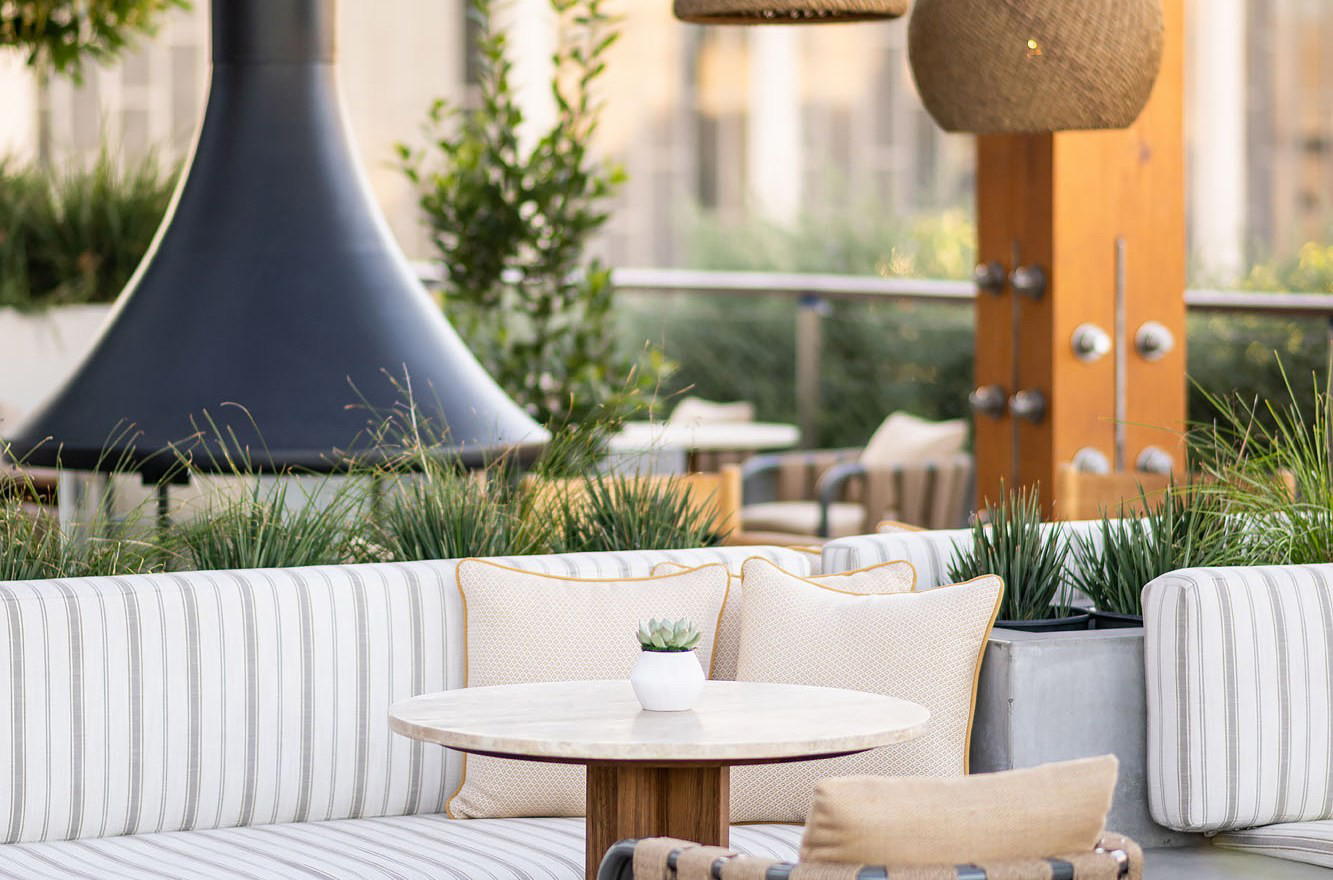
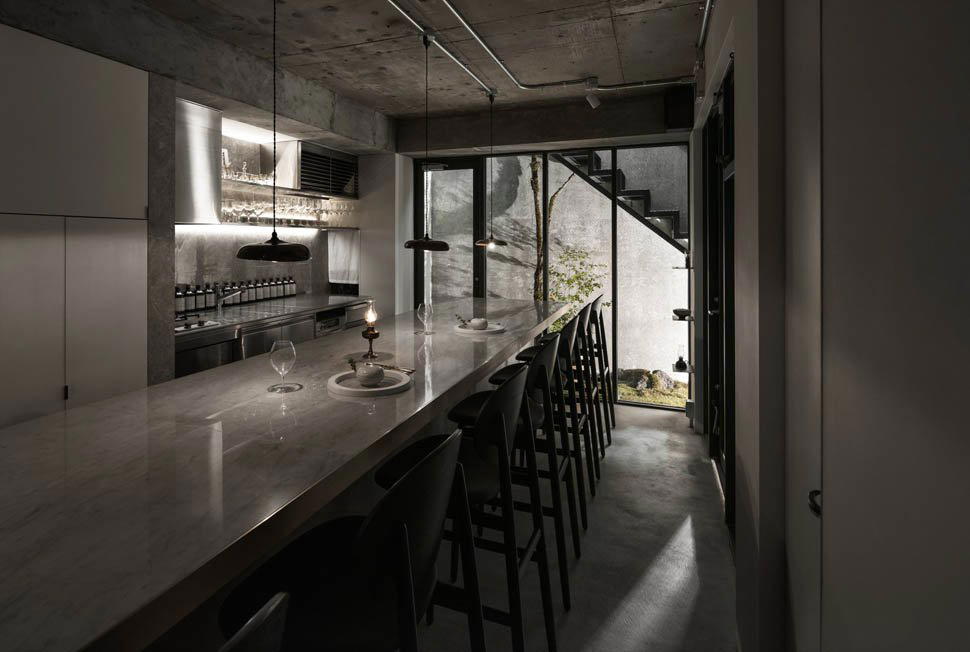
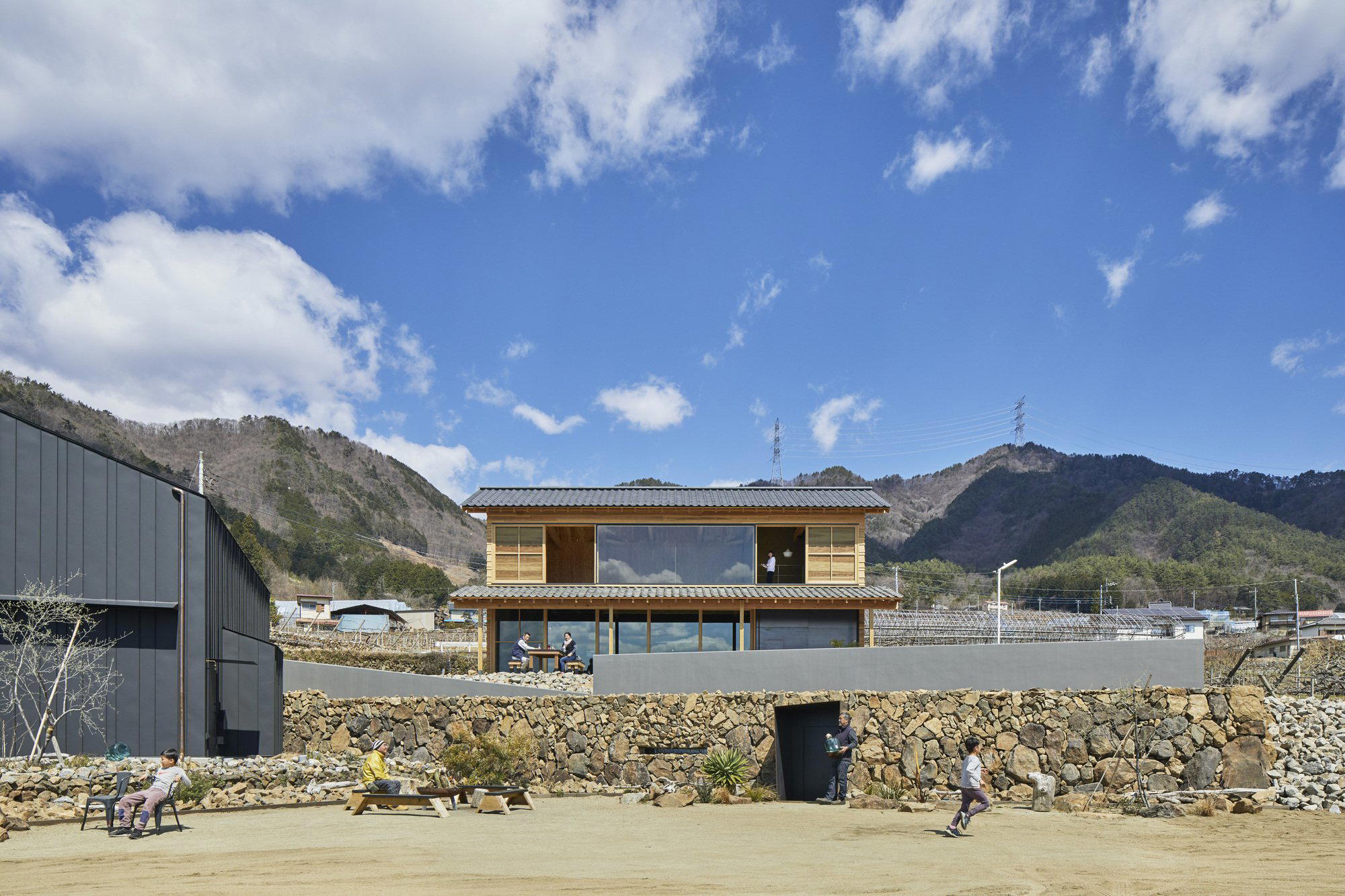
In Kobuchisawacho, the dining rhythm changes from city density to mountain spacing: houses sit wider apart, terrace seats matter when the weather cooperates, and restaurants can feel closer to rural kitchens than urban dining rooms. Asian Yatai Gohan Gogo Kichi Shokudo fits that register. The room is built for practical variety rather than ceremony, with table seating, raised seating, counter seats, and a seasonal terrace, and the cooking points toward Thai and Vietnamese food through the lens of a Yamanashi mountain town.
That matters because Hokuto’s restaurant scene is not a single story. Around Kobuchisawa, diners can move from confectionery tradition at Daigahara Kinseiken Honten to eel-focused local dining at Kobuchisawa Izutsuya, Italian luxury pricing at OTTO SETTE, and ingredient-led destination cooking at Terroir Aitoibukuro (INNOVATIVE) and Terroir愛と胃袋. Against that field, this address occupies a different role: casual Asian cooking with enough recognition to register beyond the neighborhood circuit.
Vegetables make the Thai and Vietnamese brief feel local
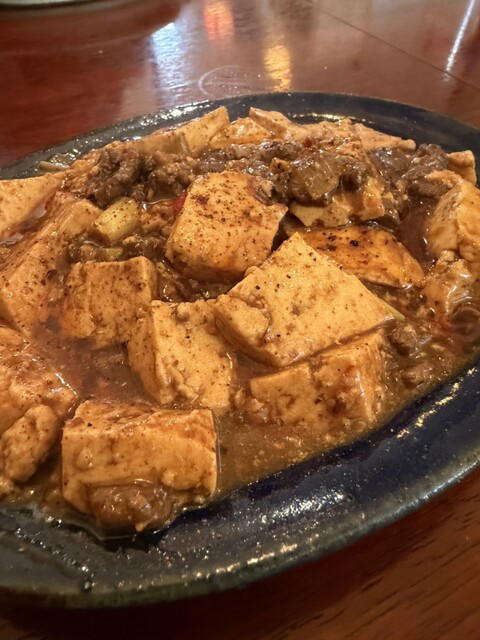
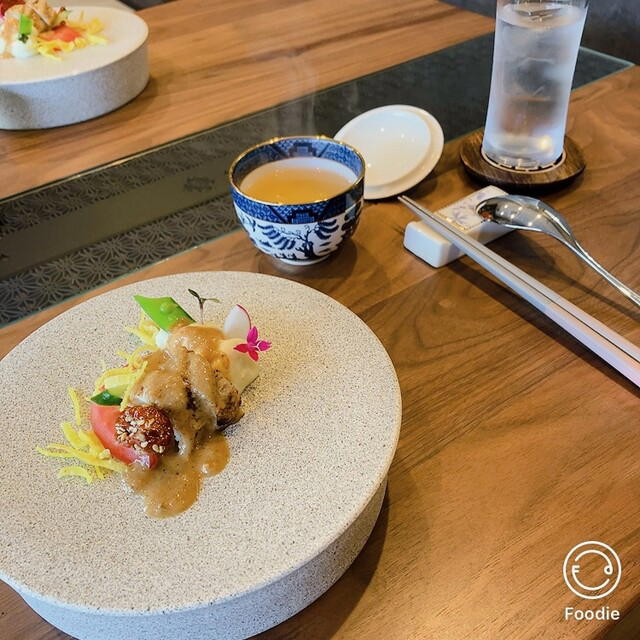
Thai and Vietnamese restaurants in Japan often divide into two camps: urban specialists built around imported pantry depth, and regional kitchens that adapt the genre to local produce and daily dining. Here, the useful signal is the stated focus on vegetables and the availability of vegetarian options. In a city framed by the Yatsugatake foothills and Yamanashi agriculture, that emphasis gives the cooking a reason to be here rather than simply replicating a metropolitan ethnic-dining template.
The format also keeps the meal grounded. This is not a tasting-menu room asking diners to surrender the evening to a sequence. It belongs to the part of Hokuto dining where ingredient sourcing, affordability, and informality carry more weight than choreography. The drinks list follows the same mixed register, with shochu, wine, and cocktails available, a combination that suits a table ordering across Southeast Asian categories rather than following a strict pairing structure.
The 2024 Tabelog 100 selection for Asian cuisine and ethnic cuisine in East Japan gives the restaurant an external credential without changing the essential proposition. Tabelog’s Hyakumeiten lists tend to reward strong genre performance across regions, not just luxury rooms in major cities. For Hokuto, that recognition is notable because it places a small-city Thai and Vietnamese address in a wider East Japan conversation, while the price level remains closer to everyday dining than to the area’s high-spend restaurants.
How it sits inside Hokuto's price map
Hokuto can be surprisingly expensive at the upper end. OTTO SETTE sits in a far higher bracket, while Yatsugatake Esaki and other destination-led dining rooms ask diners to think in advance-planned dinner terms. Kobuchisawa Izutsuya occupies a middle tier. Asian Yatai Gohan Gogo Kichi Shokudo is a different calculation: lunch and dinner pricing sit in a modest range, which makes it more useful for travelers who want a credible meal between vineyard visits, resort stays, or rail-linked movement through Kobuchisawa rather than a formal evening anchor.
That lower price band should not be read as lack of seriousness. In Japan, strong regional restaurants often operate outside the luxury codes that dominate international travel writing. A 40-seat room with no private rooms, non-smoking policy, parking, and reservations available tells a clear story: this is a practical, locally usable restaurant, not a performance of exclusivity. The value lies in where it intersects with the region’s produce culture and the broader rise of serious non-Japanese regional cooking outside Tokyo and Osaka.
Travelers building a wider Hokuto itinerary should treat it as part of a larger food map rather than a standalone trophy stop. For more local planning, see Our full Hokuto restaurants guide, then connect the meal to stays in Our full Hokuto hotels guide, drinks in Our full Hokuto bars guide, cellar visits in Our full Hokuto wineries guide, and regional programming in Our full Hokuto experiences guide. That context is where the restaurant makes sense: not as a detour for spectacle, but as a strong meal in a mountain city whose dining identity spans sweets, eel, Italian resort dining, Japanese cuisine, and produce-driven contemporary cooking.
A casual room with serious regional usefulness
The planning logic is simple. The restaurant is in Kobuchisawacho, with Kobuchizawa Station listed as the nearest station and parking available, so it suits travelers moving by car as much as those anchoring themselves near the rail corridor. Reservations are available, which is sensible for a 40-seat restaurant with a national selection attached to its name. Payment is another practical marker: credit cards and electronic money are not accepted, while QR code payments include PayPay, d Barai, Rakuten Pay, au PAY, and Alipay.
For readers comparing categories across Japan rather than only within Hokuto, the address belongs to a broader movement: regional cities are increasingly where casual international cooking becomes locally specific. That comparison can run from Vietnamese cooking at (Shoku) Vietnam in Kawasaki to curry specialization at [Curry Senmon Ten] Maruyama Kyoju. in Sapporo, casual cafe culture at.cafe in Osaka, contemporary dining at.know in Kumamoto, beef-focused cooking at -Grilled beef Sukiyaki- KAMAKURA TANUKIAN 鎌倉 たぬき庵 in Kamakura, seafood-and-charcoal dining at. 鮪と炭火焼き うお炭 秋葉原店 in Tokyo, Japanese bar dining abroad at Jōdo Saké Bar in Los Angeles, and rice-ball specialization at Onigiri Time in Pasadena. The common thread is not luxury. It is specificity, a clear category, and a reason to choose the place beyond convenience.
For Hokuto, Asian Yatai Gohan Gogo Kichi Shokudo is strongest as a flexible, produce-aware meal in a city where many acclaimed options require a bigger budget or a more formal frame. The Tabelog 100 recognition gives it proof of relevance; the vegetable focus gives it local logic; the casual setup gives travelers an easy way into Kobuchisawa’s dining culture without turning dinner into a project.
A Quick Peer Check
Comparable venues by cuisine and price in the same metro.
| Venue | Cuisine | Price | Notes |
|---|---|---|---|
| Asian Yatai Gohan Gogo Kichi Shokudo | Thai & Vietnamese Street-Food Eatery | $$ | Kobuchizawa |
| Villa Afghan | European-style curry house in the Yatsugatake mountains | $$ | Oizumi |
| Terroir Aitoibukuro | Seasonal Terroir-Driven French in a Historic Farmhouse | $$$$ | Takanecho Nagasawa |
| Kobuchisawa Izutsuya | Japanese Unagi | $$ | Kobuchizawa |
| ç´ éæ« | Japanese Restaurant | $ | Hokuto |
| OTTO SETTE | Seasonal Italian Tasting Menu at Mountain Wine Resort | $$$$ | Kobuchisawa |
Recognition history
Dated appearances from independent guides and award organizations, with the underlying list record or original source where available.
Tabelog 100 #41 · No. 41
Tabelog · Tabelog 100 - Asian cuisine / Ethnic cuisine - EAST - 2024


At a Glance
- Lively
- Cozy
- Casual Hangout
- Group Dining
- Solo
- Family
- After Work
- Standalone
- Terrace
- Beer Program
Current opening hours
- Monday
- 11:30 AM–1:45 PM, 6–8 PM
- Tuesday
- Closed
- Wednesday
- 11:30 AM–1:45 PM, 6–8 PM
- Thursday
- Closed
- Friday
- 11:30 AM–1:45 PM, 6–8 PM
- Saturday
- 11:30 AM–1:45 PM, 6–8 PM
- Sunday
- 11:30 AM–1:45 PM, 6–8 PM
Hours can change for holidays and private events. Last verified .
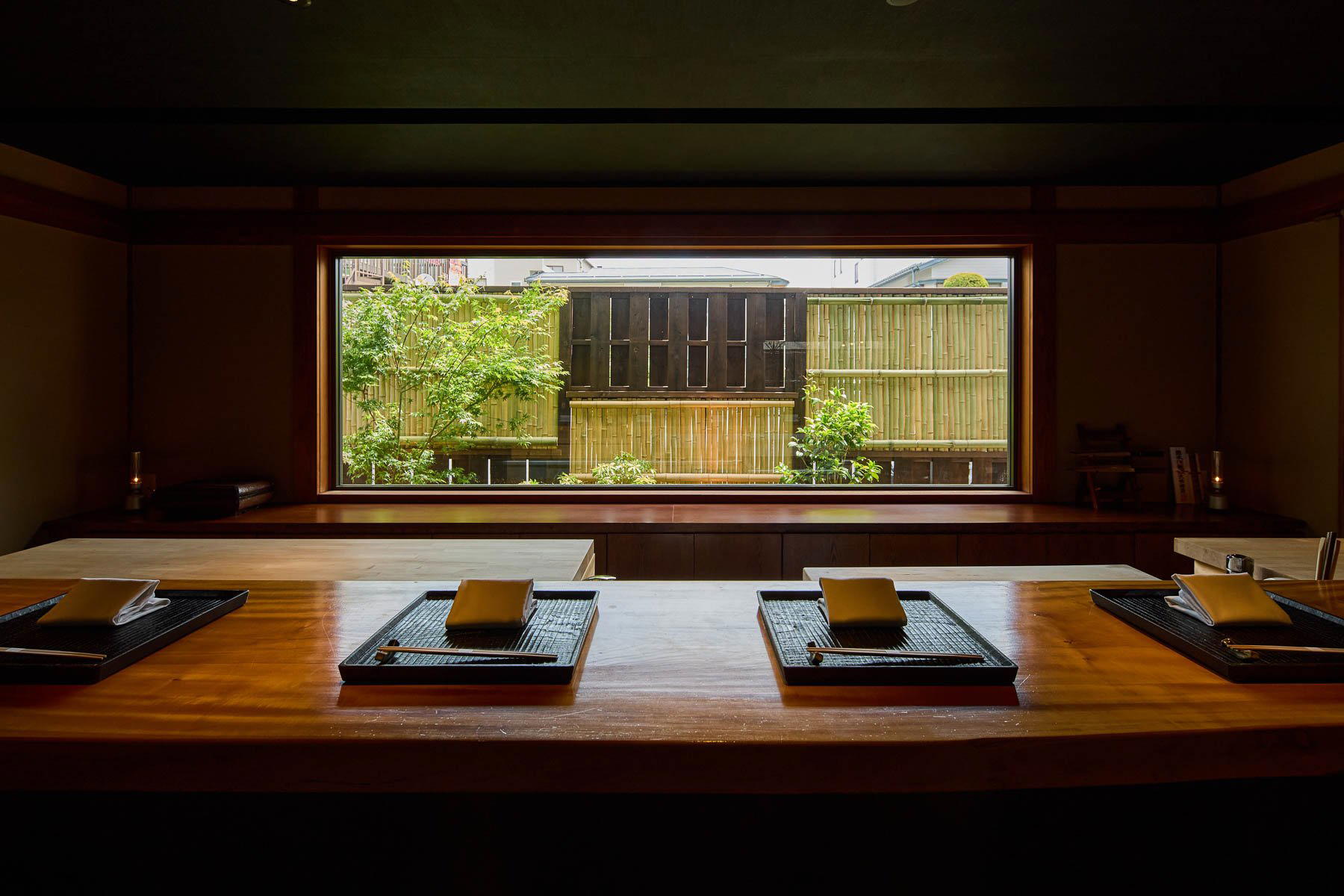
Relaxed, homey house-restaurant atmosphere with a casual, lively feel and simple street-food styling, plus seasonal terrace seating.
Know Before You Go
- Reservations
- Recommended
- Dress code
- Casual
- Getting there
- 10150-1 Kobuchisawacho, 小淵沢町 Hokuto, Yamanashi 408-0044, Japan