HOSHINOYA Fuji
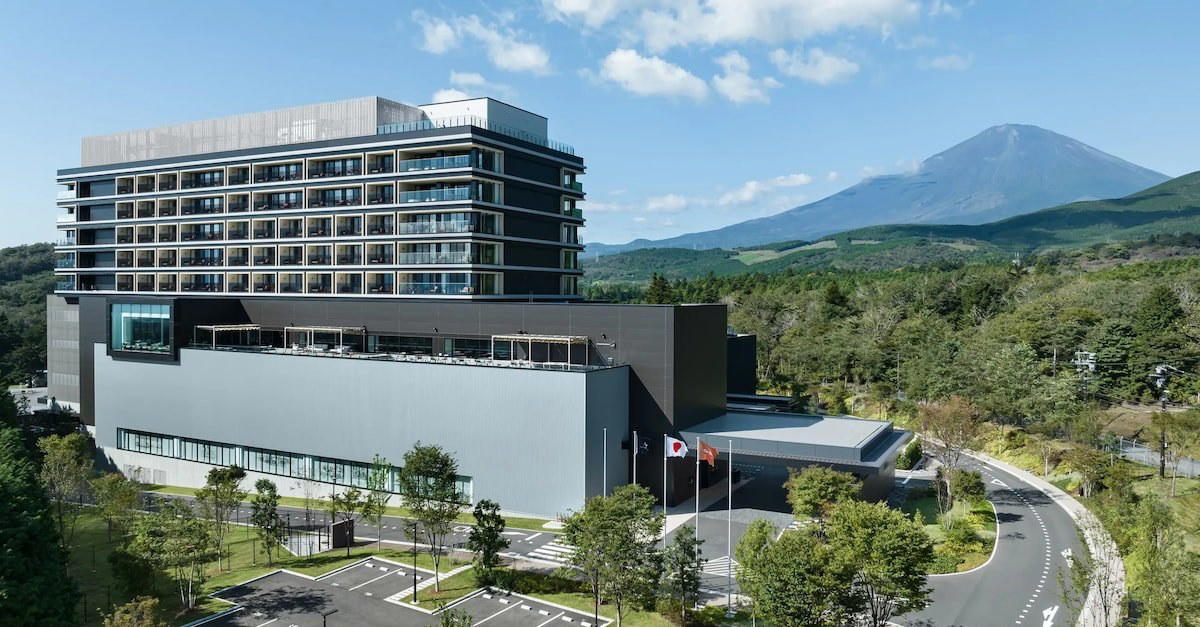
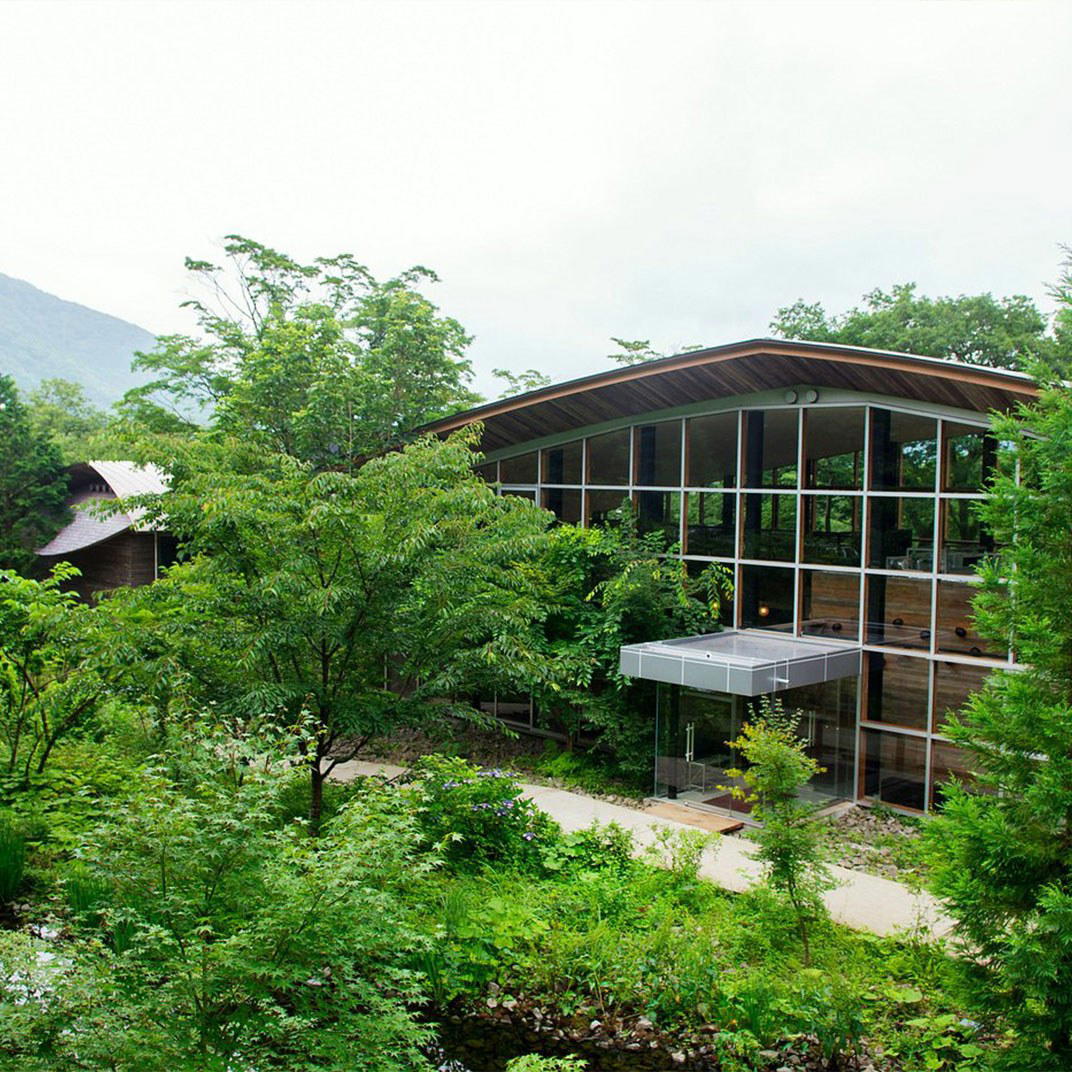
HOSHINOYA Fuji occupies a hillside above Lake Kawaguchi, where the architecture reads as a deliberate counterpoint to conventional resort design: refined cabins connected by forest paths, with Fuji visible from most vantage points. The property sits within Hoshino Resorts' premium ryokan-adjacent tier, positioning itself closer to design-led wilderness lodges than to traditional onsen inns. For travellers comparing Japan's nature-integrated properties, it belongs in the same conversation as Zaborin or Amanemu.

Pearl is the En Primeur Club membership app — saves, bookings, and concierge access live there. Same editors, same standards.
- Address
- 1408 Oishi, Fujikawaguchiko, Minamitsuru District, Yamanashi 401-0305, Japan
- Phone
- +81 50 3134 8091
- Website
- hoshinoresorts.com
- Directions
- Get directions
Forest Above the Lake: How HOSHINOYA Fuji Reframes the Mountain Resort
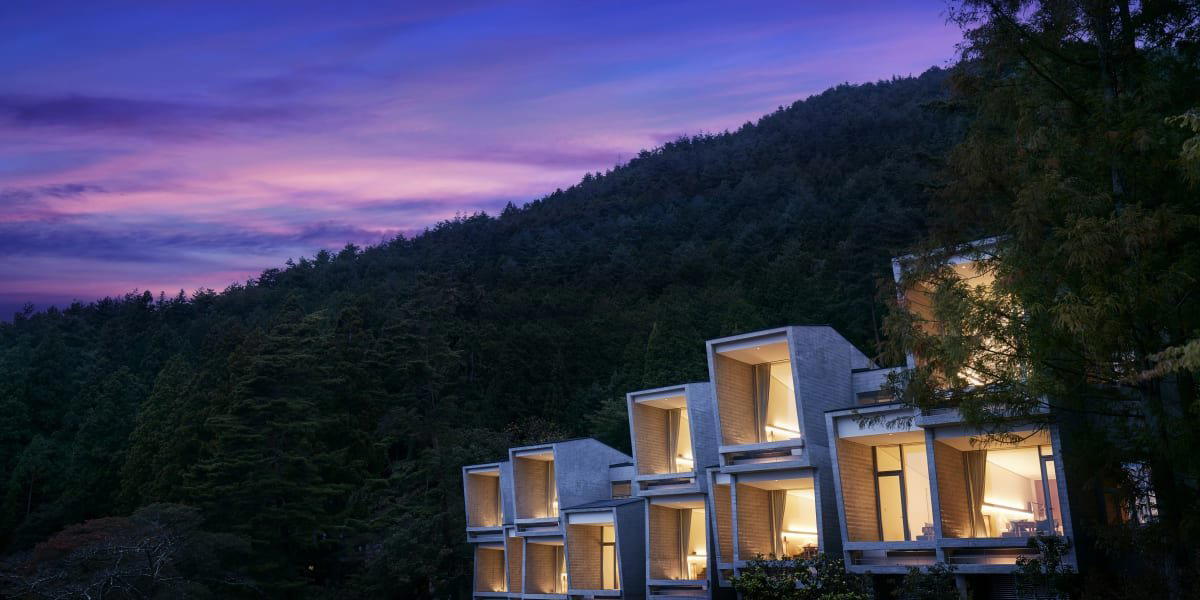
Japan's premium accommodation scene has been fragmenting for years along a fault line between the classical ryokan tradition and a newer generation of properties that borrow ryokan sensibility while refusing ryokan form. HOSHINOYA Fuji sits firmly in the second category. Positioned on a forested hillside above Lake Kawaguchi, roughly two hours from Tokyo by train and road, the property is less a resort in the conventional sense and more a designed argument about how people should inhabit wilderness. The cabins are refined on stilts, the paths between them wind through cedar and pine, and the sightlines are arranged so that Mount Fuji appears not as a backdrop but as a recurring punctuation mark in the landscape.
This approach to site-reading distinguishes HOSHINOYA Fuji from the bulk of Fujikawaguchiko's accommodation offer, which tilts heavily toward conventional hotels and lakeside ryokan with traditional tatami formats. See our full Fujikawaguchiko restaurants and hotels guide for the broader picture of what the area offers across price tiers.
The Architecture as the Experience
The defining design decision at HOSHINOYA Fuji is vertical separation. Rather than spreading guest accommodation across flat ground, the property steps its cabins up the hillside, each unit positioned to clear the treeline at its particular elevation. This is not merely aesthetic: it means guests rarely encounter one another on paths, noise travels poorly through dense forest, and the sense of seclusion scales with the height of your cabin assignment.
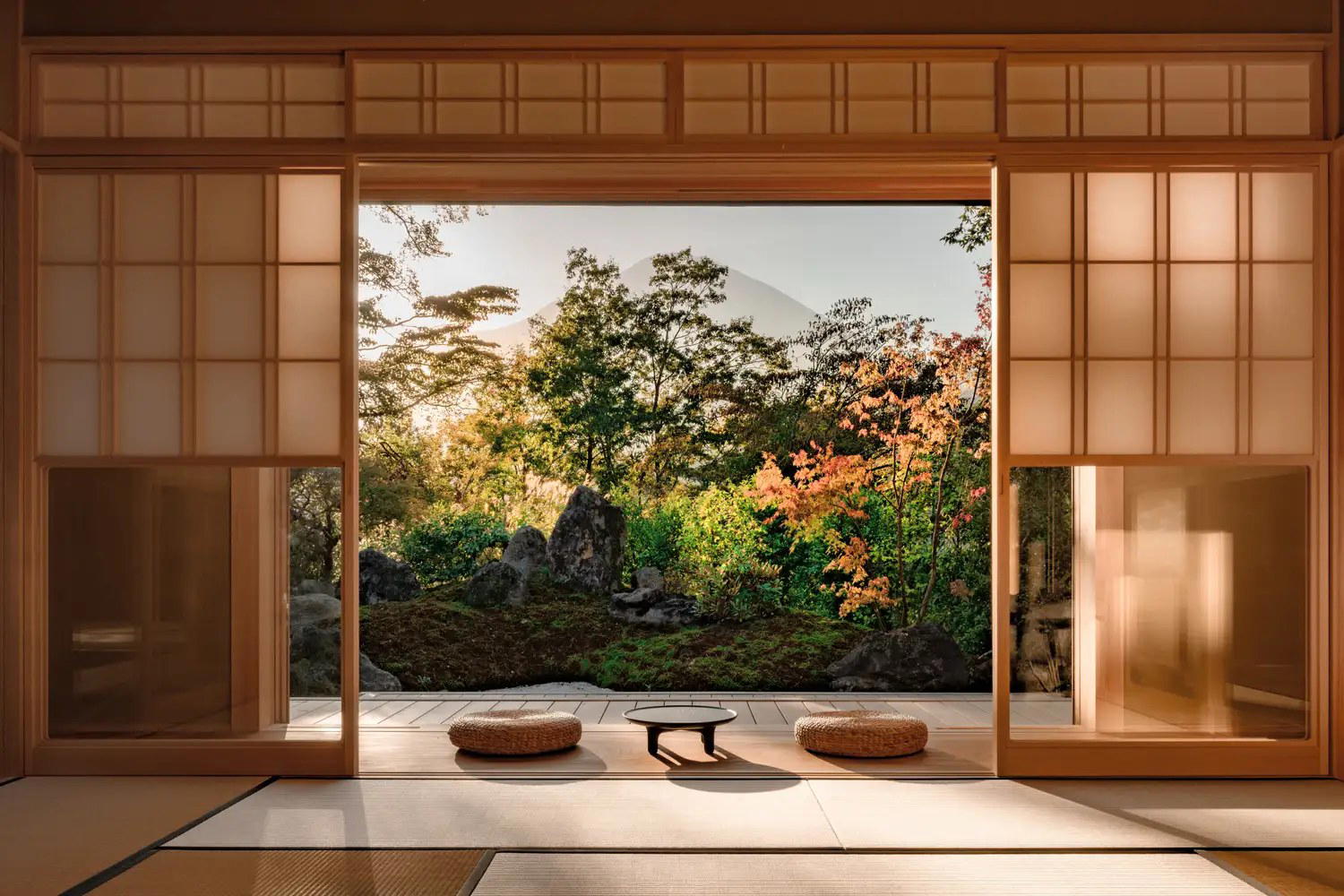
The interiors follow a material logic that has become something of a signature for Hoshino Resorts' HOSHINOYA properties: raw timber, muted textiles, and furniture that sits low to the floor without committing to full tatami convention. The effect is a kind of contemporary japonisme that keeps Western physical comfort while preserving Japanese spatial restraint. Large windows function as framing devices, turning the forest outside into something closer to a moving picture than a view. At the top-tier cabins, Mount Fuji is visible when cloud cover allows, which in this region is statistically more reliable in the early morning hours before afternoon haze builds from the lake.
Communal spaces, including the lounge and dining areas, are designed around the campfire concept that HOSHINOYA Fuji made central to its program from opening. The outdoor lounge features fire pits with blankets and hot drinks available across cooler months, a format that has since been replicated across similar properties in Japan but which HOSHINOYA Fuji established early in the premium glamping tier. Properties like Zaborin in Kutchan and ENOWA Yufu in Yufu operate comparable design philosophies, each anchoring a remote natural setting with architecture that prioritises material honesty over decorative elaboration.
Placing HOSHINOYA Fuji in the Japanese Luxury Landscape
Japan's high-end nature-integrated properties occupy a distinct niche within the country's broader luxury accommodation offer. Classical ryokan such as Gora Kadan in Hakone, Asaba in Izu, or Araya Totoan in Kaga lead with tradition: kaiseki food, onsen ritual, tatami precision, multi-generational craft. HOSHINOYA Fuji leads with environment and design, treating the ryokan sequence as optional background rather than structural spine. There is no mandatory kaiseki progression; the dining offer is organised around outdoor and semi-outdoor formats that suit the property's glamping identity.
This positions HOSHINOYA Fuji in a peer group that includes Amanemu in Mie and Benesse House in Naoshima: properties where the design concept and natural or cultural setting carry as much weight as the food and service program. The Aman comparison is instructive. Aman Venice uses a palazzo; Amanemu uses a Shinto coast. HOSHINOYA Fuji uses a Japanese national park perimeter. In each case the architecture is the thesis, and the hospitality program is written in support of it.
For travellers arriving from urban Japan rather than directly from abroad, the contrast with city properties like Bvlgari Hotel Tokyo or HOTEL THE MITSUI KYOTO is deliberately sharp. HOSHINOYA Fuji asks guests to slow down in ways those properties do not: the lack of in-room television is noted by many guests, the forest quiet is pervasive after 9pm, and the seasonal programming (stargazing, archery, forest bathing) is structured around time spent outdoors regardless of weather.
Practical Matters
HOSHINOYA Fuji sits in Fujikawaguchiko, Yamanashi Prefecture, approximately two hours from Shinjuku Station by highway bus or around 90 minutes by the Fujikyu Railway connection from Otsuki. The address is 1408 Oishi, Fujikawaguchiko, Minamitsuru District, Yamanashi 401-0305. Advance reservations are handled through the Hoshino Resorts booking platform; the property draws strong demand in autumn foliage season (late October through November) and during clear-sky windows in winter when Fuji views are most reliable. Peak periods should be booked several months ahead. The property is not walkable from Fujikawaguchiko town centre, so guests without a vehicle will need to arrange the resort's shuttle transfer from the nearest station. Nearby alternatives for comparison or multi-night itinerary building include Fufu Kawaguchiko and ふふ 河口湖, both of which take a more classical onsen-ryokan approach to the same lake setting.
Comparison Snapshot
| Venue | Awards |
|---|---|
| HOSHINOYA FujiThis venue — the venue you are viewing | Not listed |
| Bvlgari Hotel Tokyo | 3 Michelin Keys · World's 50 Best #24 |
| Aman Kyoto | 2 Michelin Keys · World's 50 Best #74 |
| Aman Tokyo | 2 Michelin Keys · World's 50 Best #11 |
| Amanemu | 3 Michelin Keys · La Liste Top Hotels |
| Four Seasons Hotel Tokyo at Otemachi | 3 Michelin Keys · La Liste Top Hotels |
Continue exploring
More in Fujikawaguchiko
Hotels in Fujikawaguchiko
Browse all →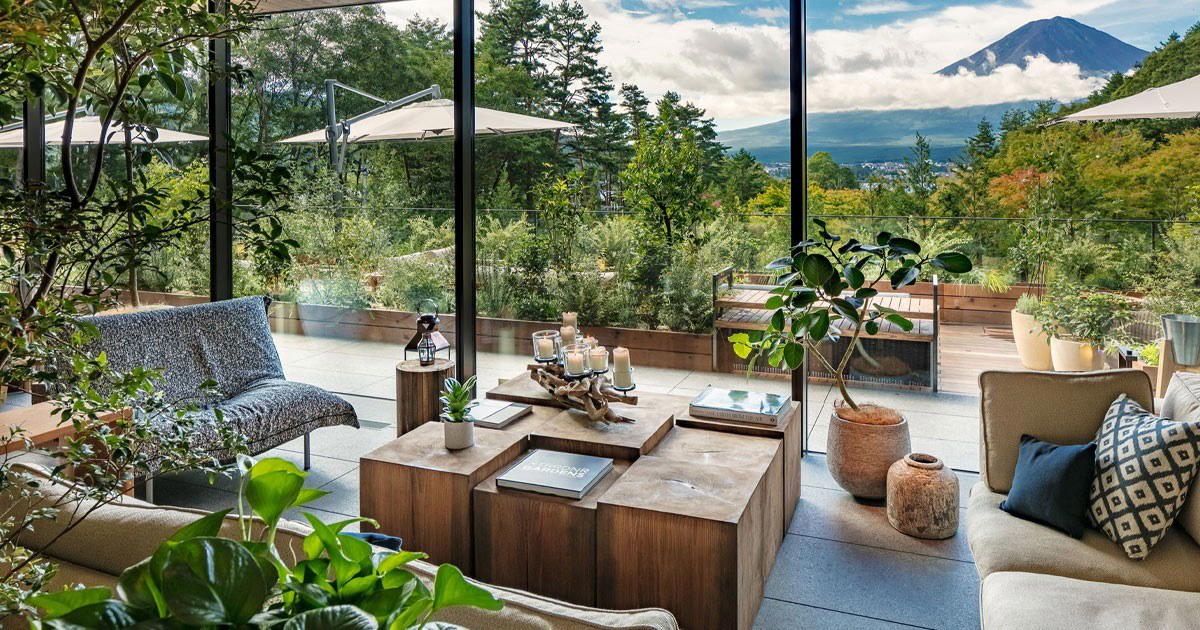
Bars in Fujikawaguchiko
Browse all →
Restaurants in Fujikawaguchiko
Browse all →
Wineries in Fujikawaguchiko
Browse all →
Details
- Quiet
- Scenic
- Minimalist
- Elegant
- Sophisticated
- Romantic Getaway
- Wellness Retreat
- Honeymoon
- Weekend Escape
- Panoramic View
- Private Villa
- Terrace
- Wi Fi
- Spa
- Concierge
- Room Service
- Mountain
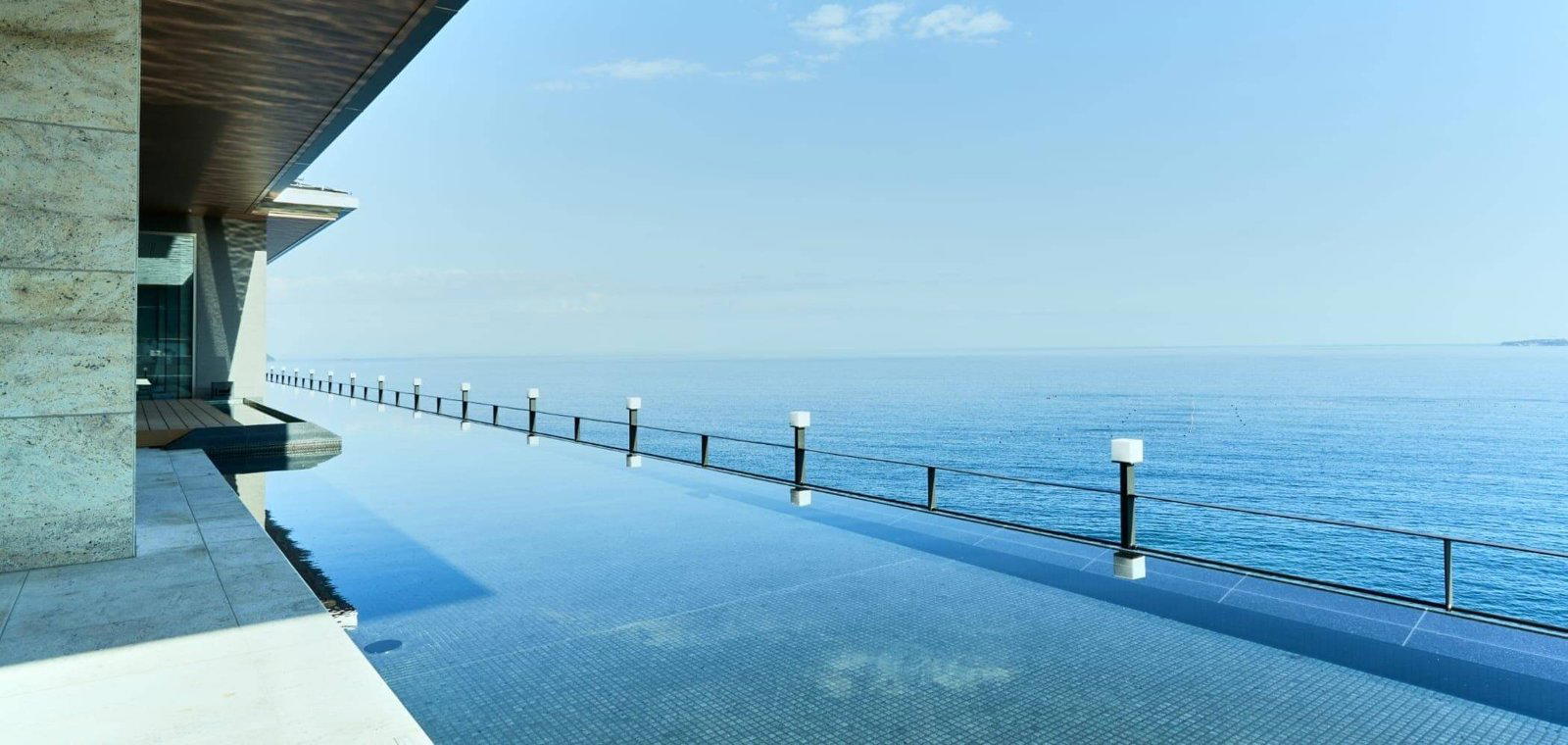
Minimalist interiors with white-washed walls, soft neutral tones, and floor-to-ceiling windows creating a serene, light-filled space immersed in nature and tranquility.