
Our verdict
Terroir Aitoibukuro belongs to Hokuto’s ingredient-led dining scene, where mountain agriculture, clean water, and proximity to Yamanashi producers matter more than metropolitan spectacle. Its innovative category and recognition for expanding restaurant culture in Yamanashi place it in a rural creative bracket rather than a conventional destination-restaurant template.

Pearl is the En Primeur Club membership app, where members save venues, book tables and use the concierge.
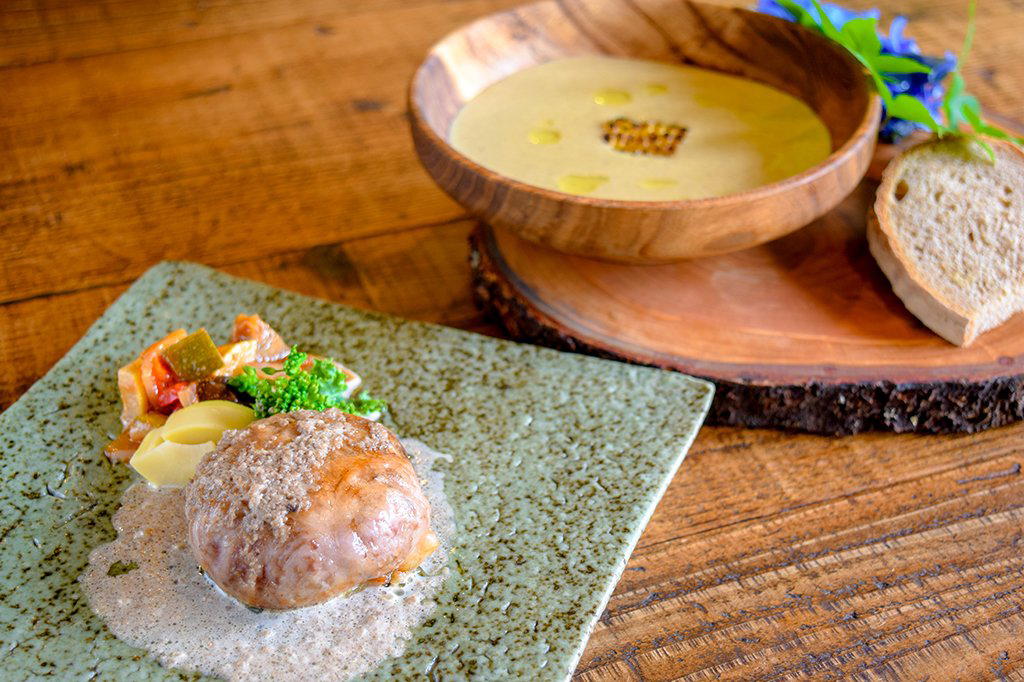
The menu
What to order
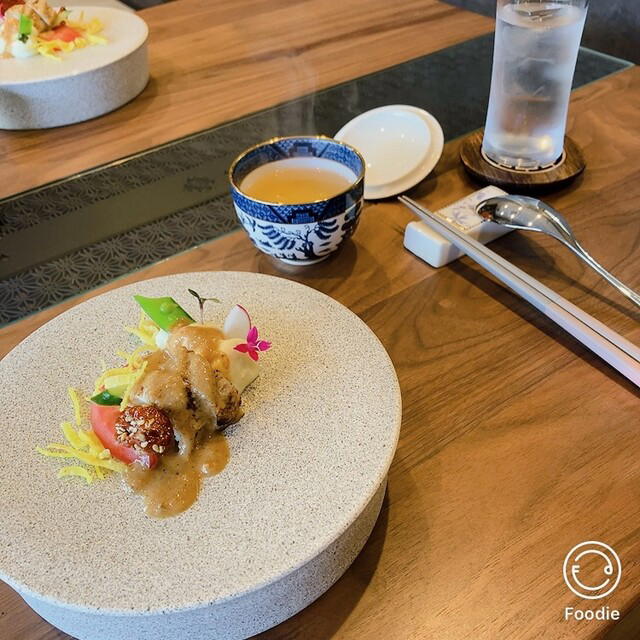
- Carrot dish
- French BBQ Lapin charcoal-grilled
- Seasonal vegetable-focused plates
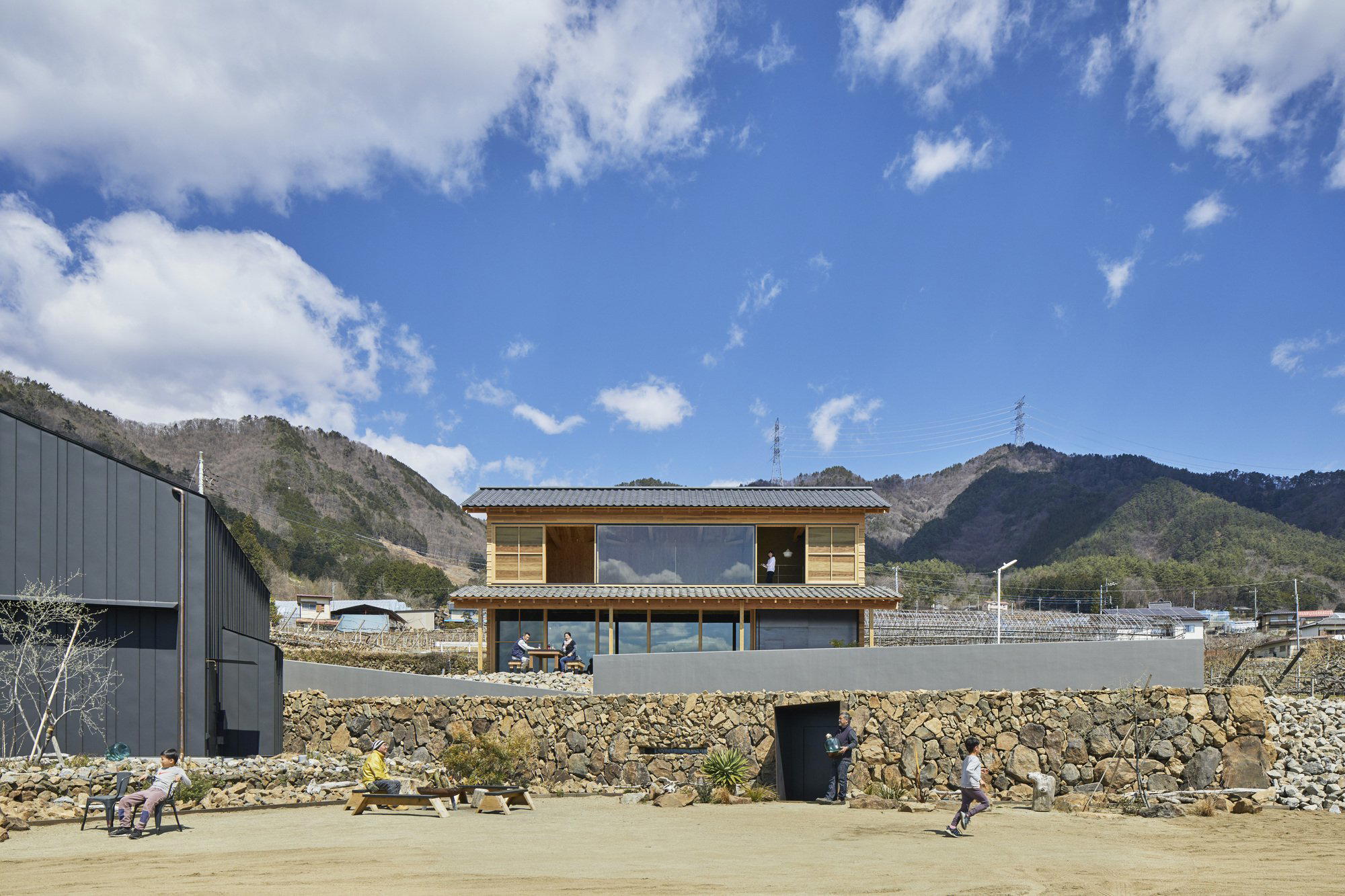
Approaching northern Yamanashi, the mood shifts before the meal: wider skies, rural scenery, and a sense that the dining experience is meant to be read through place rather than through a city template. Hokuto sits in Yamanashi Prefecture, and that geography matters. Here, the restaurant’s setting is not decorative; it frames how travelers should understand the meal.
Terroir Aitoibukuro is part of that shift. Categorized as INNOVATIVE, it gives the word a different meaning than in a purely metropolitan context: less about a fixed luxury mold, more about translating a regional setting into a contemporary meal. Its 2023 recognition in The Japan Times Destination Restaurants selection is the useful signal: not just another restaurant outside the capital, but proof of a regional dining scene gaining confidence on its own terms.
Yamanashi produce gives the innovative format its spine
Japan’s rural creative restaurants now counterbalance the metropolitan tasting-menu model. In large cities, innovation often reads through polish, density, and competitive formats. In regional settings, stronger restaurants can build identity through proximity and seasonality. Hokuto’s Yamanashi setting makes that approach coherent because the restaurant is best understood as part of a place-specific dining itinerary rather than as a stand-alone urban address.
That context is why Terroir Aitoibukuro should be read through setting, not spectacle. The name points toward place, but the larger point is the category it represents: a countryside restaurant using an innovative frame to argue for regional value. “Local” can be vague in Japan when used casually; in Hokuto, it is sharper because the surrounding rural context is visible. A meal here belongs to the same conversation as other Yamanashi dining experiences that treat the prefecture as more than a backdrop.
The comparison set clarifies the distinction. Restaurant Naz, Simples, AO, Kabi, and SECRETO all sit in the wider innovative category, yet their logic differs by setting and format. Some read more urban or destination-driven, while Hokuto’s version is not simply mimicking city grammar. It asks a different question: how much can a kitchen say when the region supplies the argument?
For mapping the area, contrast Hokuto’s broader spread. Other Hokuto dining rooms point toward local dining with different rhythms, while travel-focused restaurants reflect the appetite for composed meals. Casual formats and regional stops fill out the map. The full city picture is clearer in our full Hokuto restaurants guide.
The rural creative tier rewards context over ceremony
Hokuto is not a city where the strongest meals need theatrical service language. The appeal lies in scale, restraint, and the relationship between dining and terrain. That gives local restaurants a different advantage from metropolitan peers: the regional story is not abstract. It can be felt in the short distance between the dining room and its surroundings, even when the cooking is contemporary.
That does not make the format casual. Innovative restaurants in Japan often ask diners to surrender some control, especially when the kitchen is guided by the moment. The trade-off is clarity. Instead of chasing signature items, better rural versions build a sequence around what the region can support. In Yamanashi, that can mean a stronger sense of place and a slower meal rhythm, even when no further practical details are foregrounded.
The Hokuto location places the restaurant within a rural Yamanashi itinerary, which matters for planning. This is a countryside meal, not a quick urban detour between shopping stops. It pairs naturally with a Yamanashi itinerary built around the region rather than a single stop. For wider planning, cross-reference our full Hokuto hotels guide, our full Hokuto wineries guide, our full Hokuto bars guide, and our full Hokuto experiences guide.
The takeaway: treat the restaurant as a reason to slow the itinerary, not an add-on after a long transfer. Hokuto rewards travelers who let the region set the tempo. A tightly scheduled day can flatten the category, because the meal’s value comes from place as much as technique.
Where it fits for travelers comparing innovative dining in Japan
For international travelers, “innovative” in Japan can mislead because it covers sharply different experiences. A Tokyo creative counter, rural dining room, travel-focused restaurant, and regional tasting-menu address may share a label while pursuing different ambitions. Terroir Aitoibukuro belongs to the regional camp: the meal is best understood through Yamanashi’s food culture and Hokuto’s setting, not luxury cues.
That makes it stronger for travelers who care about where a restaurant is located and how that place shapes the experience, and less suited to diners seeking a predictable metropolitan format with every practical variable published. Its 2023 Japan Times Destination Restaurants recognition gives it editorial weight because it identifies a broader movement: rural Japanese dining is no longer only about tradition, inns, or local specialties. It can be contemporary, place-specific, and ambitious without borrowing the capital’s posture.
Readers interested in the wider innovative category can compare how the label travels across rural, urban, and destination restaurants without assuming that each kitchen uses the term in the same way. Within Japan’s broader network, the contrast between regional specificity and urban specialization is visible in many unnamed dining rooms, but Terroir Aitoibukuro’s clearest peers are AO, Kabi, Restaurant Naz, SECRETO, and Simples.
The editorial case for Terroir愛と胃袋 is not that it fits a familiar luxury mold. It is that Hokuto gives the innovative format something concrete: place, season, regional context, and a prefecture whose food identity extends beyond the table. For travelers who want Yamanashi to taste like more than a stop between Tokyo and the mountains, that is the reason to pay attention.
Frequently asked questions
Is Terroir Aitoibukuro good for families?
Terroir Aitoibukuro’s INNOVATIVE format in Hokuto, Yamanashi, is best approached as a slower, destination-style meal rather than a casual urban stop. Travelers with children should confirm practical details directly before booking.
How would you describe the vibe at Terroir Aitoibukuro?
The mood reads as rural and place-led, shaped by Hokuto’s setting and the restaurant’s INNOVATIVE cuisine type. Its 2023 recognition in The Japan Times Destination Restaurants selection suggests a place that belongs in the conversation about contemporary regional dining.
Is Terroir Aitoibukuro Michelin-listed?
The provided recognition is its 2023 listing by The Japan Times Destination Restaurants, where it was ranked No. 5 in the INNOVATIVE category.
How would you describe the cuisine at Terroir Aitoibukuro?
Terroir Aitoibukuro serves INNOVATIVE cuisine.
Where is Terroir Aitoibukuro located?
Hokuto.
How hard is it to get a table at Terroir Aitoibukuro?
No reservation policy is listed, so the safe assumption is to plan ahead for an INNOVATIVE restaurant in Hokuto, Yamanashi. The venue’s positioning around regional dining in Hokuto points to a place that rewards advance planning more than casual drop-ins.
In Context: Similar Options
Comparable venues by cuisine and price in the same metro.
| Venue | Cuisine | Price | Awards | Notes |
|---|---|---|---|---|
| Terroir AitoibukuroThis venue (the venue you are viewing) | Seasonal Terroir-Driven French in a Historic Farmhouse | $150–200 | Not listed | Not listed |
| Restaurant Naz | Innovative Japanese with Nordic Techniques | $300–500 | La Liste Top Restaurants · Tabelog Gold #18 | Innovative |
| Simples | Modern French-inspired Japanese Omakase | $150–200 | Tabelog Bronze #413 | Innovative, JPY 15,000 - JPY 19,999 |
| AO | Innovative French | $200–300 | La Liste Top Restaurants · Tabelog Bronze #19 | Innovative |
| Kabi | Modern Japanese Fermentation Fine Dining | $100–150 | 1 Michelin Star · Star Wine List | Innovative |
| SECRETO | Innovative Molecular Fusion | $150–200 | Tabelog Bronze #390 | Innovative, JPY 20,000 - JPY 29,999 |
Recognition history
Dated appearances from independent guides and award organizations, with the underlying list record or original source where available.
The Japan Times Destination Restaurants Destination Restaurants Selection #5
The Japan Times Destination Restaurants
Continue exploring
More in Hokuto
Restaurants in Hokuto
All restaurants in Hokuto →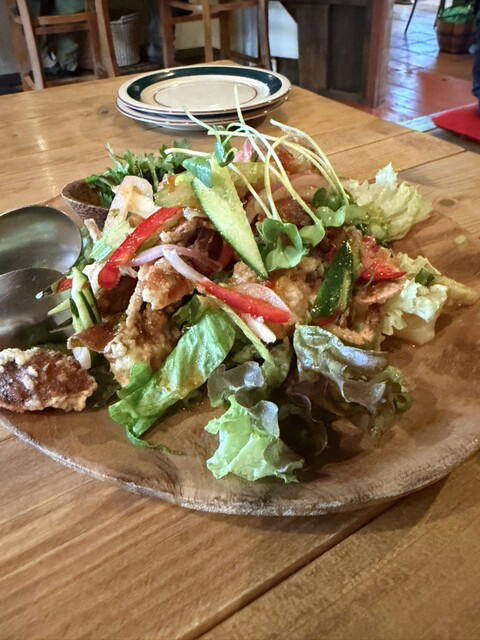

Terroir Aitoibukuro
The wine
- Extensive wine list
- Sommelier-led
- Natural wine
Details
- Romantic
- Cozy
- Rustic
- Elegant
- Intimate
- Special Occasion
- Date Night
- Celebration
- Private Event
- Garden
- Historic Building
- Design Destination
- Standalone
- Extensive Wine List
- Natural Wine
- Sommelier Led
- Farm To Table
- Local Sourcing
- Sustainable Seafood
- Natural Wine
- Mountain
- Tasting Menu
- Set Menu
- Wine
- Natural Wine
- Sake
- Allergy Accommodating
- Pescatarian Friendly
Current opening hours
- Monday
- Closed
- Tuesday
- Closed
- Wednesday
- 11:30 AM–2 PM, 5:30–9 PM
- Thursday
- 11:30 AM–2 PM, 5:30–9 PM
- Friday
- 11:30 AM–2 PM, 5:30–9 PM
- Saturday
- 11:30 AM–2 PM, 5:30–9 PM
- Sunday
- 11:30 AM–2 PM, 5:30–9 PM
Hours can change for holidays and private events. Hours as of .
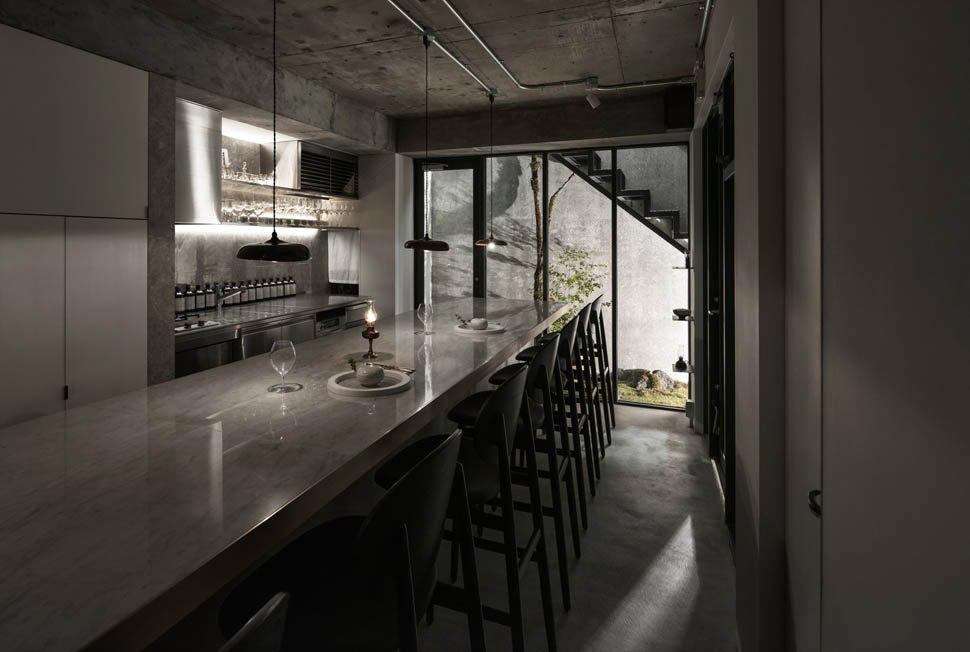
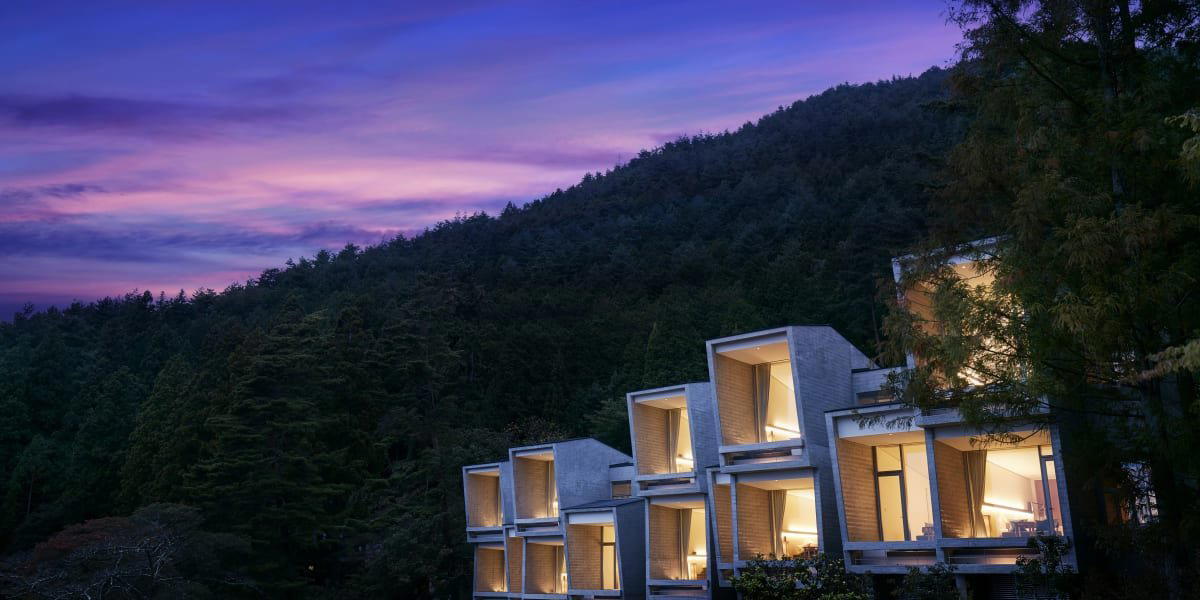
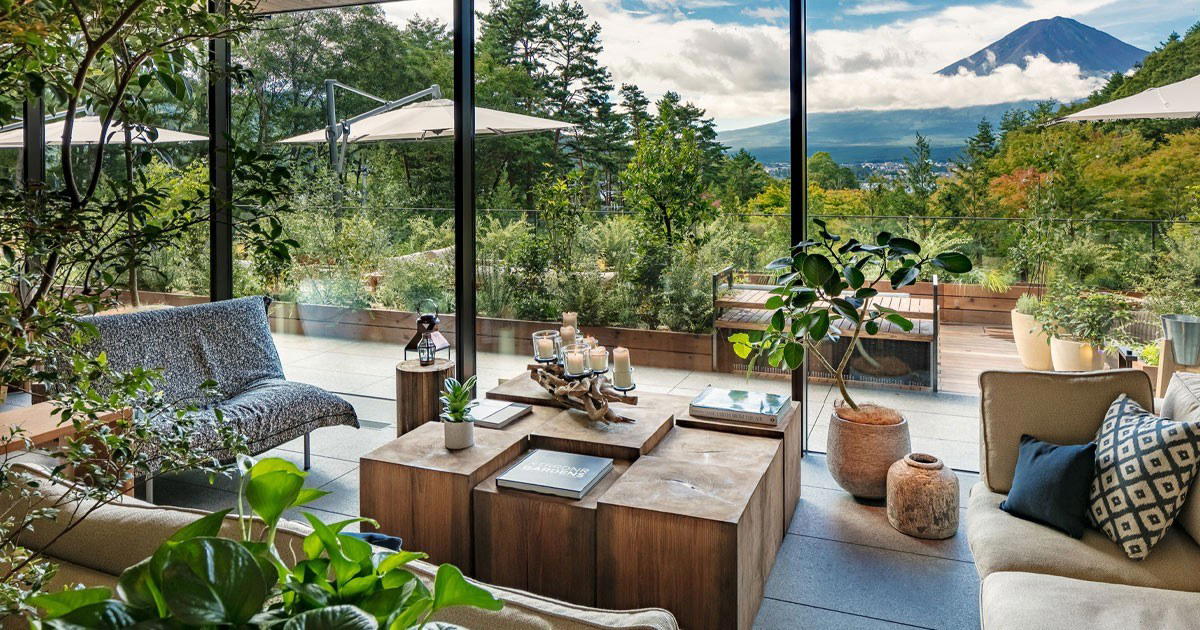
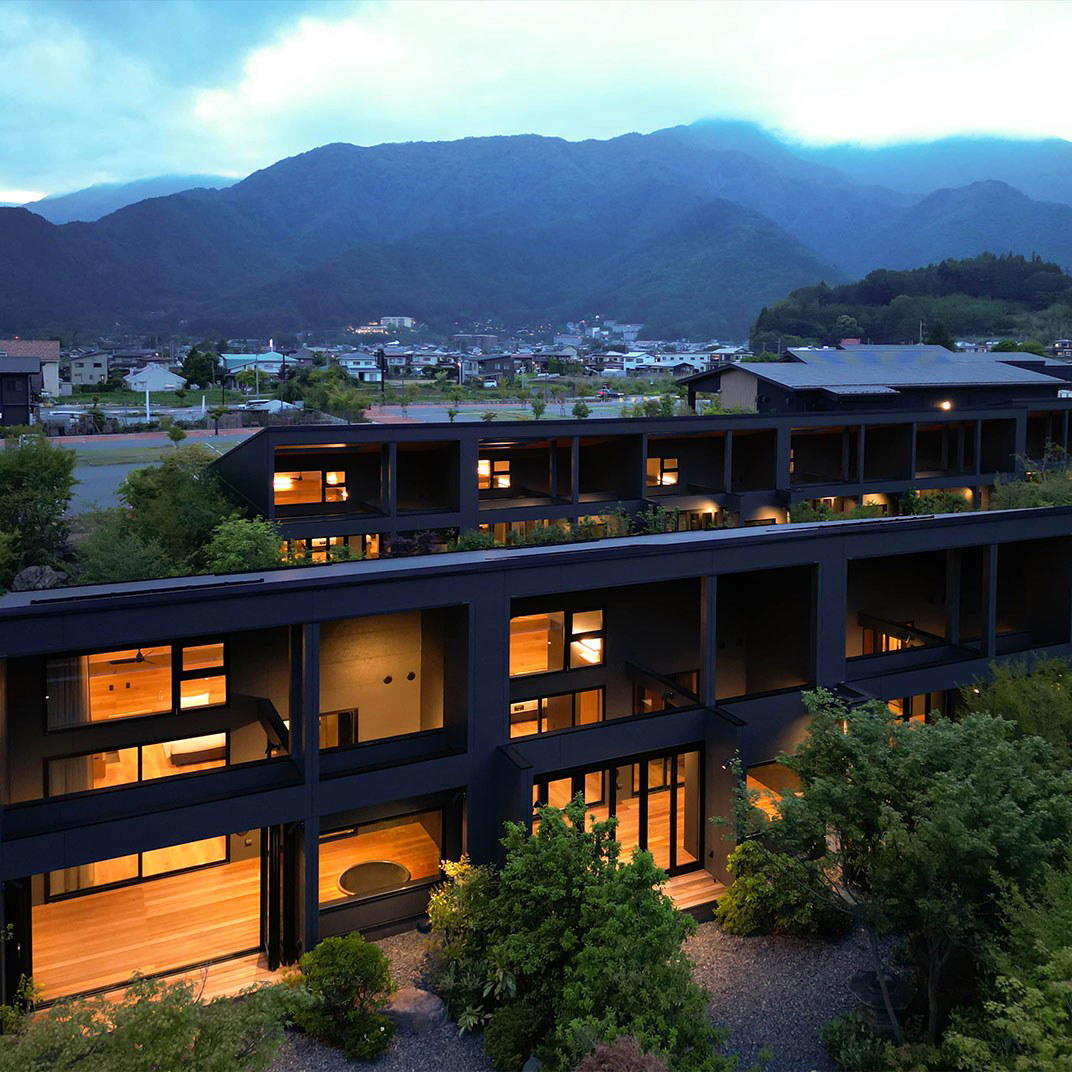
An intimate, quietly elegant dining room inside a 170-year-old wooden house, with warm lighting, rustic beams, and a calm, contemplative atmosphere that highlights the surrounding Yamanashi countryside and seasons.