
Tabelog 100 #77
Our verdict
Kobuchisawa Izutsuya gives Hokuto a serious unagi address without the metropolitan ceremony attached to many eel specialists. Its Tabelog 100 - Unagi - 2024 selection, repeated Hyakumeiten appearances, and fish-focused format place it in a narrow category: destination eel cooking in Yamanashi, with sake, shochu, and wine treated as part of the meal rather than an afterthought.

Pearl is the En Primeur Club membership app — saves, bookings, and concierge access live there. Same editors, same standards.
- Address
- 1035 Kobuchisawacho, Hokuto, Yamanashi 408-0044, Japan
- Phone
- +81 551-36-5990
- Hours
- Mon–Tue 11 AM–1:45 PMWed ClosedThu–Sun 11 AM–1:45 PM, 5–7:15 PM
- Website
- itutuya.com
- Directions
- Get directions
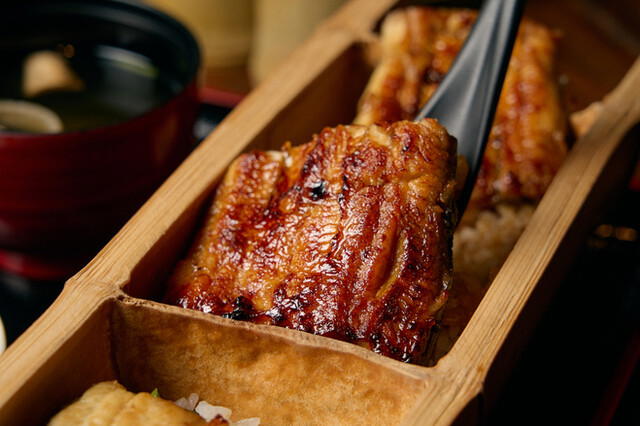
The menu
What to order
- Aged eel rice set
- Hitsumabushi
- Aged eel in homemade bamboo dish
Approach Hokuto and the dining rhythm changes: quieter pacing, travel practicality, and a slower kind of appetite than big-city counter culture. In that setting, unagi reads differently. It is not a quick luxury garnish over rice, nor a stage for chef worship. It becomes a focused meal built around timing, fish handling, and the idea that eel rewards patience more than ornament.
Kobuchisawa Izutsuya belongs to that tradition. The restaurant’s selection for Tabelog Hyakumeiten Unagi 2024 matters because unagi is a specialist field in Japan, not a broad “Japanese restaurant” category. Recognition here signals consistency in a genre where diners judge the fundamentals closely: the eel, the rice, the sauce, the grill work, and the discipline of service pacing.
Hokuto unagi, judged by focus and timing rather than spectacle
Unagi dining in Japan is ingredient-led, even when the room is modest. The fish is the point, but the craft sits in what happens before it reaches the table: preparation, cooking sequence, and the coordination required to serve eel at the intended moment. At Kobuchisawa Izutsuya, the public category is explicit: Unagi. That detail tells experienced diners more than a long tasting-menu description would.
The category also explains the price tier. In Hokuto, casual meals can sit in a different bracket: Asian Yatai Gohan Gogo Kichi Shokudo occupies a looser everyday lane, while Daigahara Kinseiken Honten is better read through the lens of local sweets and food culture. At the higher end, OTTO SETTE sits in a different register altogether, with a destination format. Kobuchisawa Izutsuya sits between those poles: more purposeful than a casual stop, less financially demanding than Hokuto’s upper special-occasion addresses.
That middle position is useful. Hokuto is not a city where premium dining follows one script. The area brings varied restaurant formats, local food culture, and specialist Japanese dining into close range. Other ingredient-conscious dining rooms point toward the area’s broader food identity; Kobuchisawa Izutsuya adds a narrower Japanese craft tradition to that map.
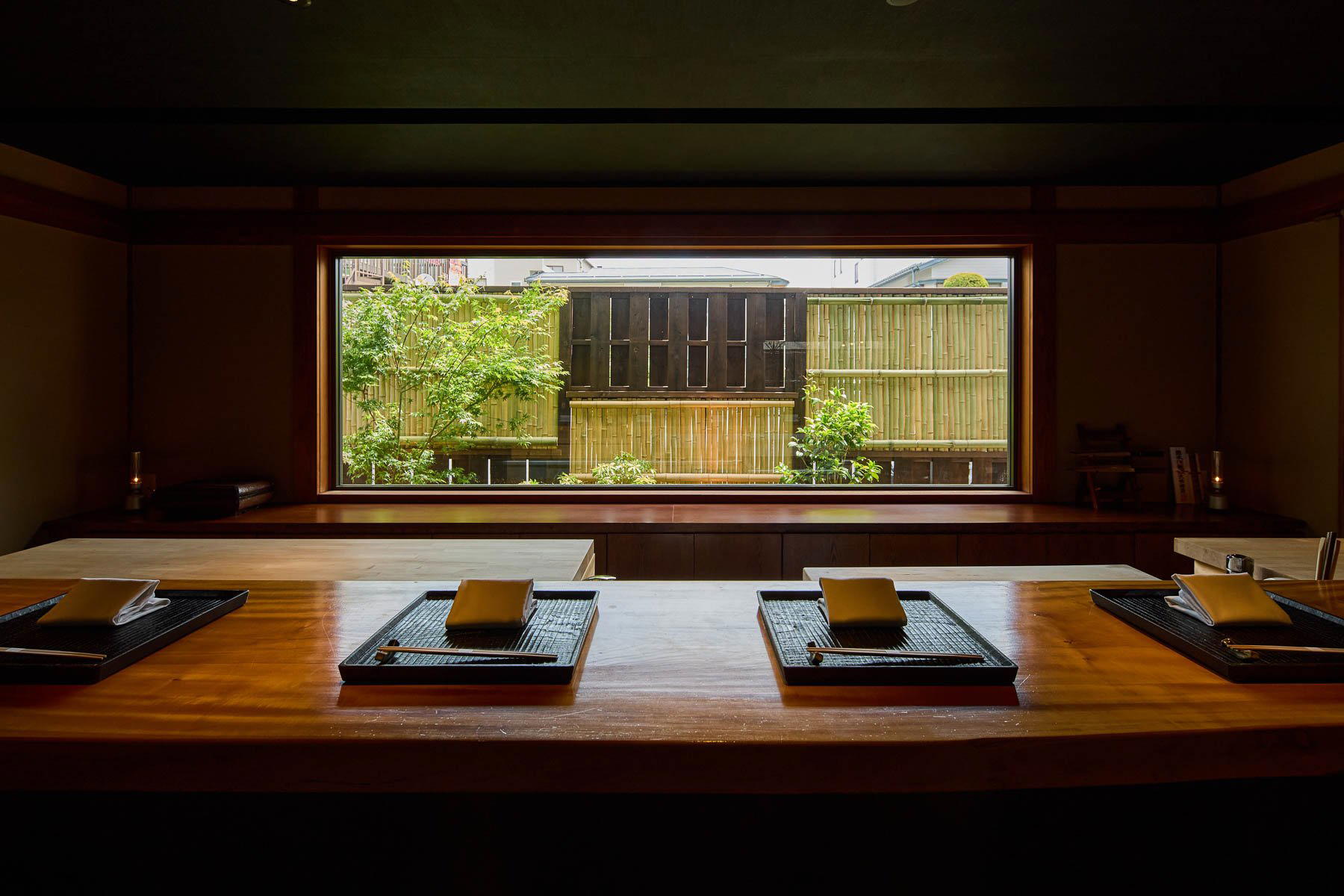
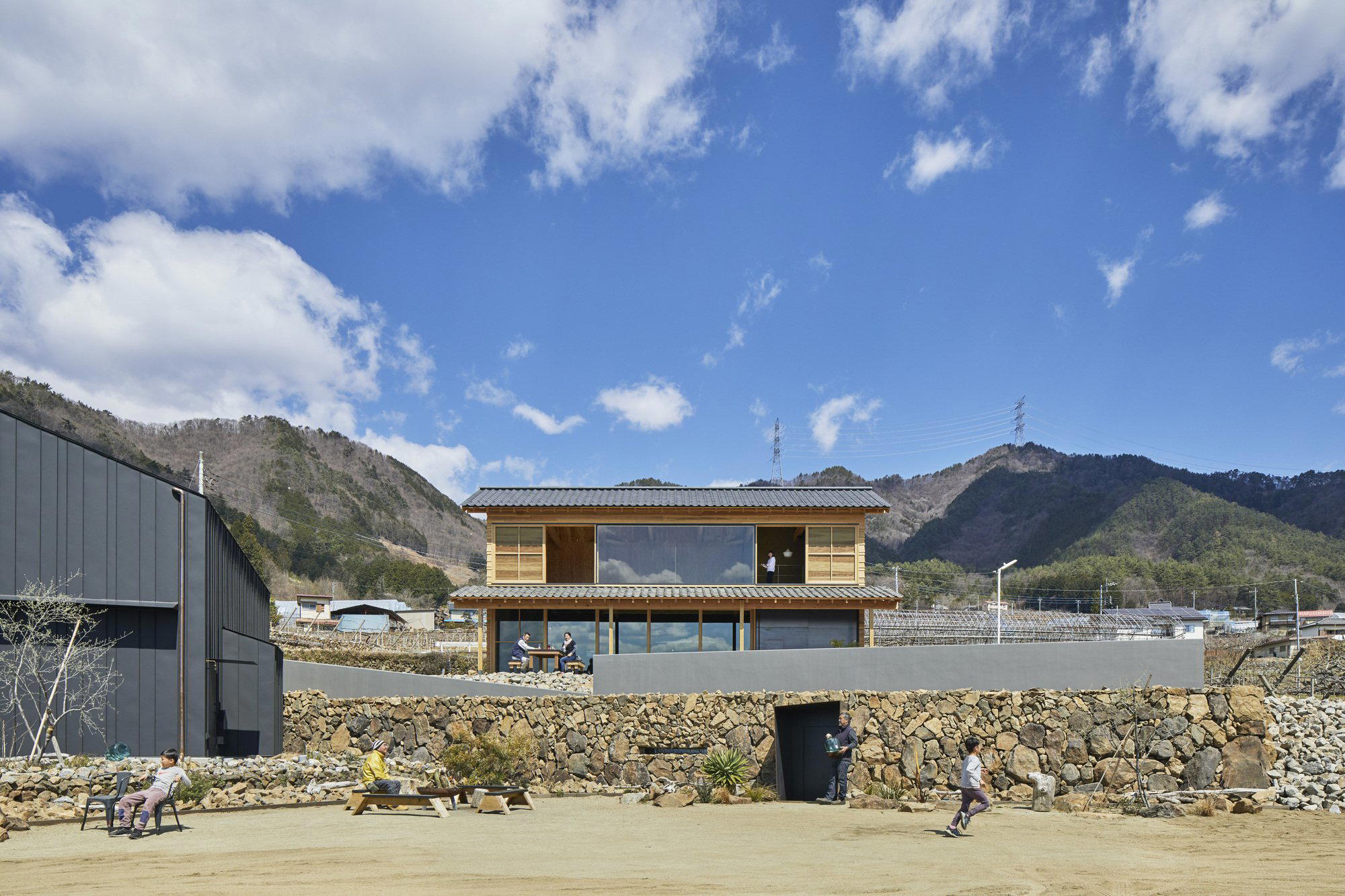
A house-style room for a focused eel meal
The setting is best read through the meal’s focus rather than through urban fine-dining cues. Unagi restaurants can be austere, formal, or transactional; here the appeal is gentler and more regional. The useful comparison is not a big-city counter, but the Japanese restaurant where hospitality supports a single culinary proposition rather than competing with it.
Drinks can broaden the frame without turning the meal into a beverage-led experience. Eel is the anchor, and the surrounding Hokuto dining context gives the visit an additional local frame. For travelers building a broader Hokuto itinerary, that connection also points naturally toward Our full Hokuto wineries guide.
The restaurant is most workable when the group understands the premise in advance. This is not a maximum-breadth menu choice; eel is the point, and the best meal here is one planned around that focus. That does not make the address difficult to fold into a countryside trip. It simply means Kobuchisawa Izutsuya should be treated as a specialist stop rather than a general-purpose restaurant.
How it fits into a Hokuto food itinerary
The sharpest way to use Kobuchisawa Izutsuya is as a specialist anchor. Build the day around eel, then let the rest of Hokuto fill in the regional picture: sweets, wine, produce-led dining, and local hospitality. For the wider food map, start with Our full Hokuto restaurants guide; for where to stay, Our full Hokuto hotels guide gives the hospitality context; for drinking after dinner, use Our full Hokuto bars guide; and for non-restaurant planning, Our full Hokuto experiences guide rounds out the area.
For readers comparing Japanese regional dining more broadly, the lesson is category discipline. A focused eel house in Hokuto has little in common with other dining rooms built around different ingredients, formats, or cities. Nor should it be judged like overseas Japanese-leaning addresses. The appeal is narrower and more exacting: a regional eel meal where the ingredient, the preparation schedule, and the surrounding Hokuto context all point in the same direction.
The verdict is practical rather than romantic. Seek it out when unagi is the reason for the meal, not when a group wants maximum menu breadth. In Hokuto’s dining scene, Kobuchisawa Izutsuya is strongest as a specialist stop: recognized in a national eel category, centered on unagi, and compatible with the area’s quieter travel context.
Frequently asked questions
Does Kobuchisawa Izutsuya work for a family meal?
Kobuchisawa Izutsuya is best approached as a focused unagi meal in Hokuto. The listed dinner and lunch budget is JPY 5,000 - JPY 5,999. Check the venue's official channels for the latest details.
What should I expect atmosphere-wise at Kobuchisawa Izutsuya?
Expect a focused eel restaurant rather than a broad, all-purpose dining room. The main draw is its unagi category recognition and its place in Hokuto’s regional dining scene. Check the venue's official channels for the latest details.
Is Kobuchisawa Izutsuya expensive?
Pricing at Kobuchisawa Izutsuya is listed as JPY 5,000 - JPY 5,999 JPY 5,000 - JPY 5,999.
When is Kobuchisawa Izutsuya open?
Opening hours for Kobuchisawa Izutsuya should be confirmed through the venue's official channels before visiting.
What's the address for Kobuchisawa Izutsuya?
Hokuto.
What makes Kobuchisawa Izutsuya worth seeking out?
Its strongest signal is the Tabelog Hyakumeiten Unagi selection for 2024. Add the unagi focus and the Hokuto setting, and it reads as a serious eel stop rather than a generic regional lunch.
Comparison Snapshot
Comparable venues by cuisine and price in the same metro.
| Venue | Cuisine | Price | Awards | Notes |
|---|---|---|---|---|
| Kobuchisawa IzutsuyaThis venue — the venue you are viewing | Japanese Unagi | $30–50 | Tabelog 100 #77 | Not listed |
| Villa Afghan | European-style curry house in the Yatsugatake mountains | Not listed | Tabelog 100 #48 | Oizumi |
| Asian Yatai Gohan Gogo Kichi Shokudo | Thai & Vietnamese Street-Food Eatery | $20–30 | Tabelog 100 #41 | Kobuchizawa |
| OTTO SETTE | Seasonal Italian Tasting Menu at Mountain Wine Resort | $150–200 | Tabelog 100 #25 | Kobuchisawa |
| ç´ éæ« | Japanese Restaurant | Not listed | Not listed | Hokuto |
| Daigahara Kinseiken Honten | Traditional Japanese Wagashi & Sweets Cafe | $1–10 | Tabelog 100 #90 | Daigahara, Hakushumachi |
Recognition history
Dated appearances from independent guides and award organizations, with the underlying list record or original source where available.
Tabelog 100 #77 · No. 77
Tabelog · Tabelog 100 - Unagi - 2024

Details
- Classic
- Cozy
- Family
- Casual Hangout
- Special Occasion
- Solo
- Historic Building
- Standalone
- Sake Program
- Local Sourcing
- A La Carte
- Set Menu
- Sake
Current opening hours
- Monday
- 11 AM–1:45 PM
- Tuesday
- 11 AM–1:45 PM
- Wednesday
- Closed
- Thursday
- 11 AM–1:45 PM, 5–7:15 PM
- Friday
- 11 AM–1:45 PM, 5–7:15 PM
- Saturday
- 11 AM–1:45 PM, 5–7:15 PM
- Sunday
- 11 AM–1:45 PM, 5–7:15 PM
Hours can change for holidays and private events. Last verified .
Traditional, historic, and intimate, with the atmosphere of an aged house-turned-restaurant and a calm, refined eel-dining experience.