
Tabelog 100 #25
Our verdict
OTTO SETTE places Italian cooking inside Yamanashi’s mountain-produce conversation rather than a Tokyo import model. Its Tabelog Italian EAST “Tabelog 100” 2025 selection, wine focus, sommelier service and resort setting make it a serious dinner address for travellers using Hokuto as a food-and-nature base.

Pearl is the En Primeur Club membership app — saves, bookings, and concierge access live there. Same editors, same standards.
- Address
- 129-1 Kobuchisawacho, Hokuto, Yamanashi 408-0044, Japan
- Phone
- +81 50-3134-8093
- Website
- hoshinoresorts.com
- Directions
- Get directions
- Booking
- Book on the venue's website
The menu
What to order
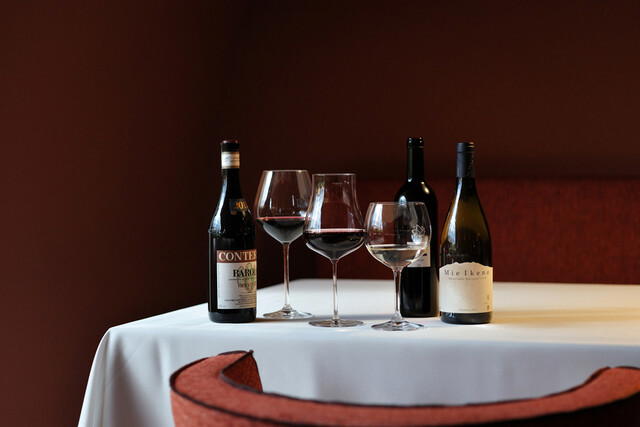
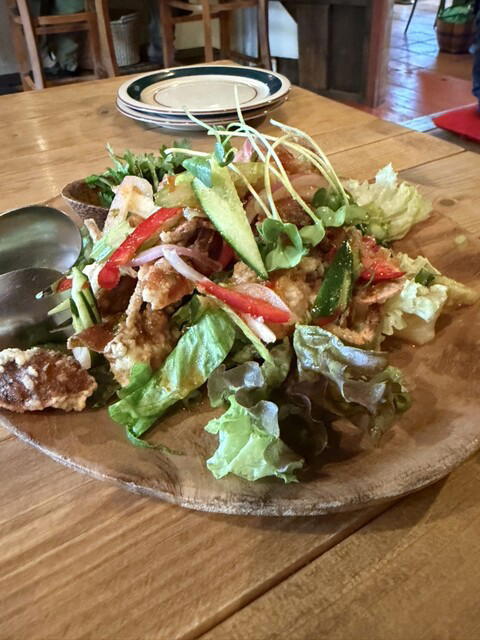
- Seasonal vegetable course using 30 varieties of local produce
Arriving in Hokuto, the dining mood shifts before the first plate. Hokuto is not presented here as an urban restaurant district; it is the city context for a restaurant whose appeal depends on planning, pacing and the expectation of a more deliberate meal. For Italian cooking here, the strongest argument is not an invented backstory, but the confirmed fact that OTTO SETTE is recognized in a selective Italian category.
OTTO SETTE is in Hokuto. Its 2025 recognition from Tabelog Hyakumeiten places it among a selected group of Italian restaurants, not merely a convenient local dining room. The useful reading: Hokuto can support destination Italian at a dinner budget of JPY 20,000 - JPY 29,999, with the restaurant’s current identity anchored by external recognition rather than unsupported claims about pedigree.
Hokuto gives the Italian format its reason to be here
Italian restaurants outside major city centers are often judged in two ways: as versions of metropolitan dining moved into a quieter setting, or as restaurants whose pacing, courses and service make sense within their own city. OTTO SETTE is more persuasive through the second lens. Its positioning works best when read through Hokuto itself, with Italian cooking used as the framework for a planned meal rather than as a generic luxury signal.
The local context should not be overstated beyond what is documented. What can be said safely is that OTTO SETTE is an Italian restaurant in Hokuto with Tabelog Hyakumeiten recognition in 2025. That gives travellers a clearer basis for judging it than vague resort-dining language or unsupported claims about chef biography, founding history or sourcing.
That context explains the price tier. Nearby casual meals such as Asian Yatai Gohan Gogo Kichi Shokudo and sweets-focused stops such as Daigahara Kinseiken Honten serve different roles in the day. Kobuchisawa Izutsuya sits in another local bracket, while Yatsugatake Esaki occupies a separate Hokuto dining tier. OTTO SETTE’s role is narrower: a composed Italian dinner for travellers who want the Hokuto food plan expressed through courses and a more deliberate evening format rather than a quick local lunch.
The room suits a planned dinner, not a casual stop
Hokuto dining rewards planning because visitors are often choosing specific meals rather than moving through a dense urban restaurant crawl. A polished Italian restaurant changes the social register: the room can suit a planned evening, while the Tabelog Hyakumeiten selection signals a restaurant judged beyond convenience. The point is not to claim a particular room layout or service style, but to place OTTO SETTE as a destination dinner within the city.
The format reinforces that reading. OTTO SETTE is better understood as a composed dinner setting rather than a quick, flexible stop. Scale, seating and kitchen details should not be invented without confirmation. What is useful for readers is the verified outline: Italian category, Hokuto location, 2025 Tabelog Hyakumeiten recognition, and a dinner budget listed at JPY 20,000 - JPY 29,999.
There is also a cultural distinction. In larger cities, premium Italian may compete on scarcity, counter intimacy, imported ingredients or named-chef authorship. In Hokuto, the better question is whether the restaurant justifies a planned evening in the city. That is where OTTO SETTE fits beside other local dining rooms in Hokuto. The comparison is not identical cuisine; it is how different venues in the same city serve different dining occasions.
By 2025, the Tabelog Hyakumeiten recognition had placed OTTO SETTE in the broader conversation about Italian restaurants in Japan. For travellers, that distinction is useful: not just a dining room trading on location, but a Hokuto restaurant with external recognition attached to its current identity and a Tabelog score listed as 3.88.
How to place it within a Hokuto itinerary
Hokuto works better when meals are assigned different jobs. Use daytime for casual plates, sweets-focused stops or other local dining; keep the formal dinner slot for pacing and a more composed meal. The city’s appeal is cumulative rather than reducible to one address, so a meal here suits a broader Hokuto plan rather than a rushed single-purpose stop.
Readers building a fuller itinerary should treat OTTO SETTE as one strong dinner option within the wider city ecosystem. The broader food map is covered in our full Hokuto restaurants guide, while lodging context belongs in our full Hokuto hotels guide. Drinks context can be planned separately through our full Hokuto wineries guide, and the city’s slower travel rhythm is better understood alongside our full Hokuto experiences guide and our full Hokuto bars guide.
The broader Japan dining comparison is instructive. A planned Italian dinner in Hokuto serves a different traveller need from urban meals elsewhere in Japan. It also differs from casual regional addresses in other cities and from Japanese food abroad. This dinner is about Italian form in Hokuto, rather than a portable city template with unsupported details attached.
The editorial verdict is simple: choose it when Hokuto is the destination, not when the goal is to replicate a city tasting-menu chase. Its strongest documented case is Italian cooking, 2025 Tabelog Hyakumeiten recognition and a dinner budget of JPY 20,000 - JPY 29,999. That combination is more specific than luxury for its own sake, and more useful than another urban-style Italian address described without evidence.
Frequently asked questions
Would OTTO SETTE be comfortable with kids?
OTTO SETTE is best approached as a planned dinner in Hokuto. For family suitability, confirm current policies directly with the restaurant before booking.
What is the atmosphere like at OTTO SETTE?
OTTO SETTE is a composed Italian restaurant in Hokuto. The setting suits a planned dinner rather than a quick stop, especially for travellers building an evening around the meal.
Is OTTO SETTE more mid-range or high-end?
Pricing at OTTO SETTE is listed as JPY 20,000 - JPY 29,999.
How do I find OTTO SETTE?
Hokuto.
Comparable Spots, Quickly
Comparable venues by cuisine and price in the same metro.
| Venue | Cuisine | Price | Awards | Notes |
|---|---|---|---|---|
| OTTO SETTEThis venue — the venue you are viewing | Seasonal Italian Tasting Menu at Mountain Wine Resort | $150–200 | Tabelog 100 #25 | Not listed |
| Terroir愛と胃袋 | Local Terroir French-Japanese Fusion | Not listed | Not listed | Takanechō Nagasawa |
| Yatsugatake Esaki | Seasonal Japanese Kaiseki | $150–200 | Tabelog Bronze #66 | Hokuto |
| Restaurant Steakhouse Keyspring (カントリーレストラン キースプリング) | Country Steakhouse with Local Yamanashi Beef | $30–50 | Not listed | 小淵沢 |
| Daigahara Kinseiken Honten | Traditional Japanese Wagashi & Sweets Cafe | $1–10 | Tabelog 100 #90 | Daigahara, Hakushumachi |
| Asian Yatai Gohan Gogo Kichi Shokudo | Thai & Vietnamese Street-Food Eatery | $20–30 | Tabelog 100 #41 | Kobuchizawa |
Recognition history
Dated appearances from independent guides and award organizations, with the underlying list record or original source where available.
Tabelog 100 #25 · No. 25
Tabelog · Tabelog 100 - Italian - EAST - 2025

Details
- Elegant
- Romantic
- Modern
- Scenic
- Sophisticated
- Date Night
- Family
- Celebration
- Special Occasion
- Business Dinner
- Wine Cellar
- Design Destination
- Hotel Restaurant
- Extensive Wine List
- Sommelier Led
- Natural Wine
- Local Sourcing
- Farm To Table
- Mountain
- Tasting Menu
- Set Menu
- Wine
- Non Alcoholic Pairing
- Allergy Accommodating
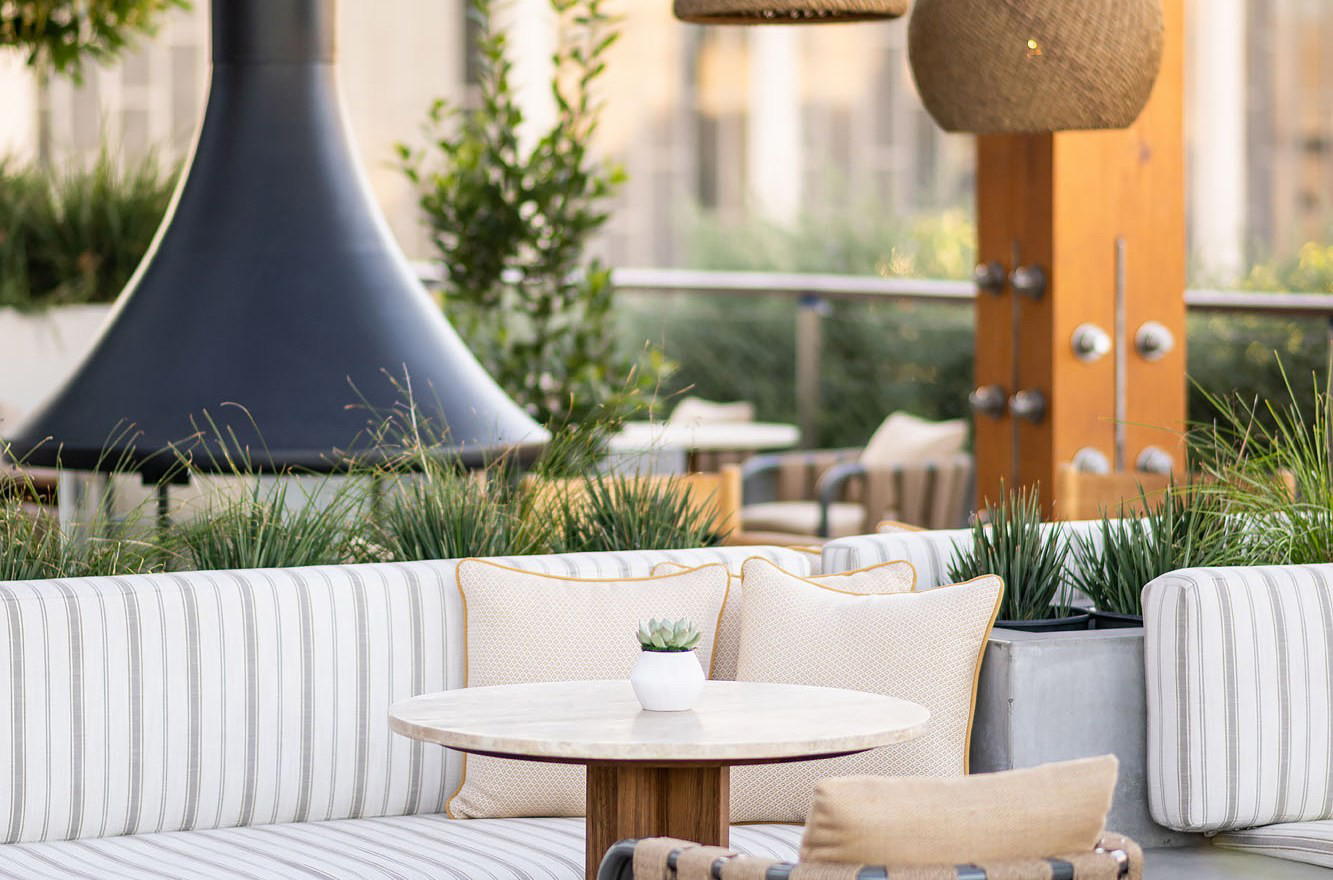
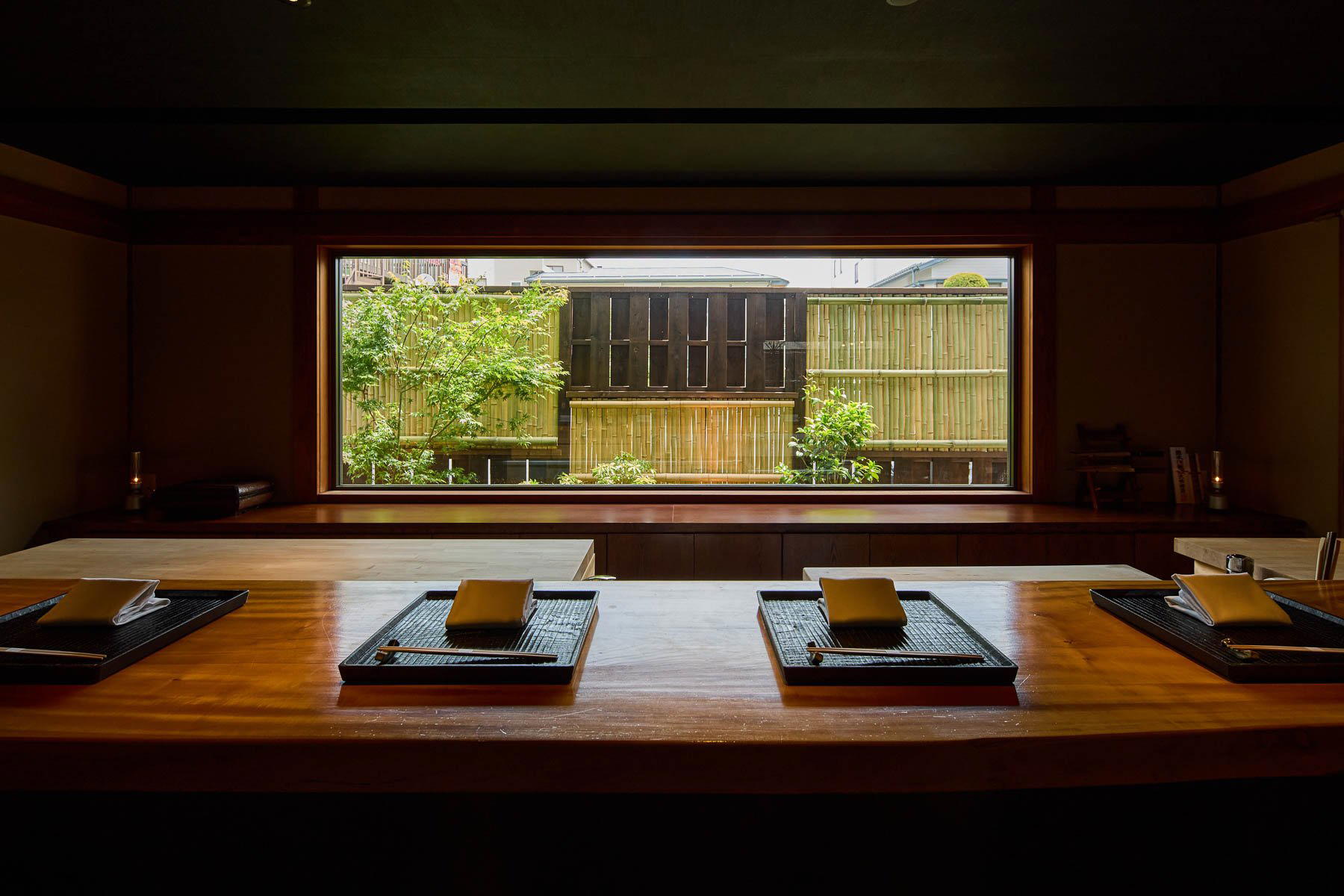
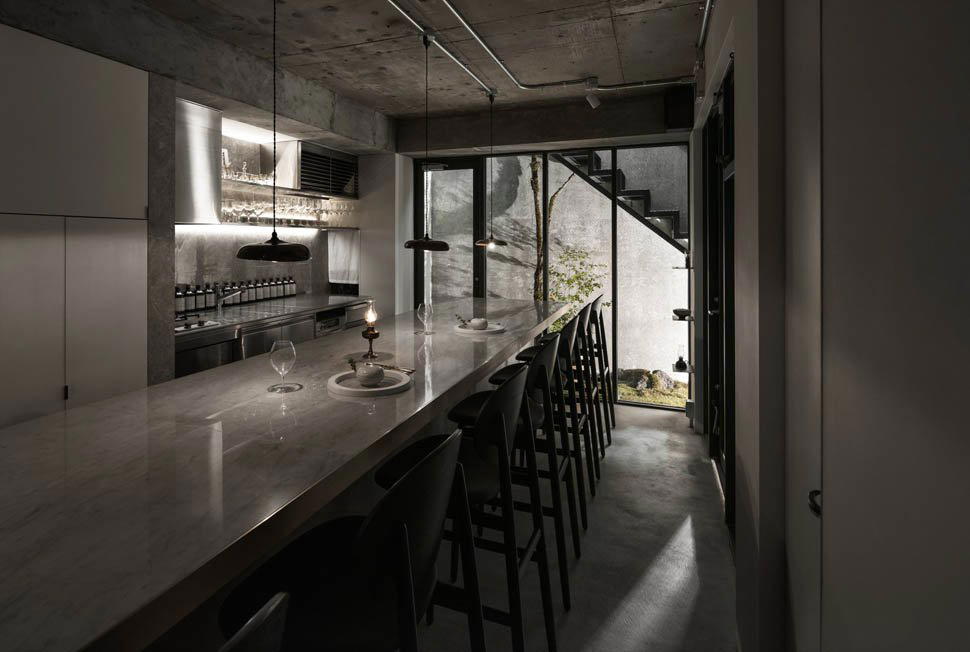
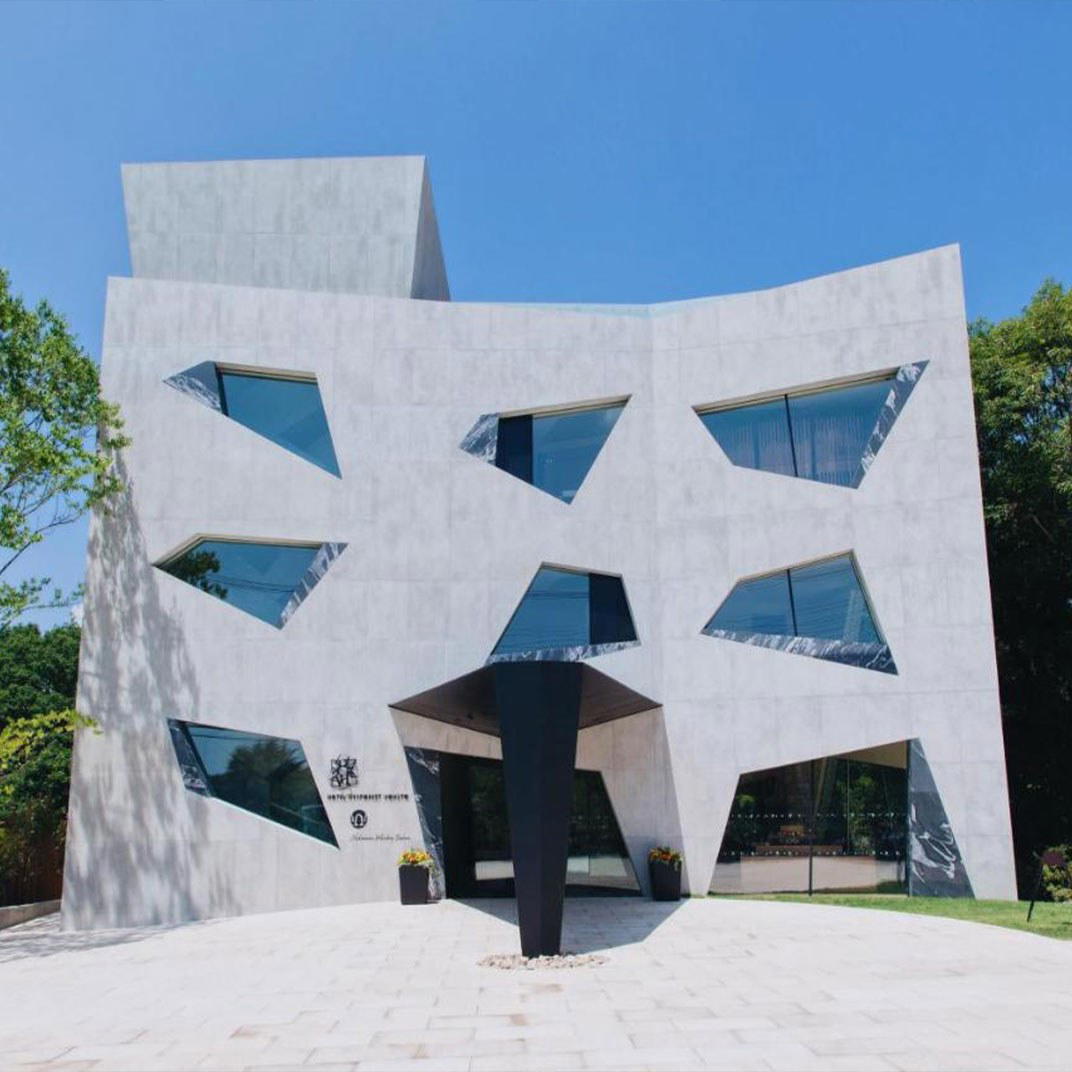
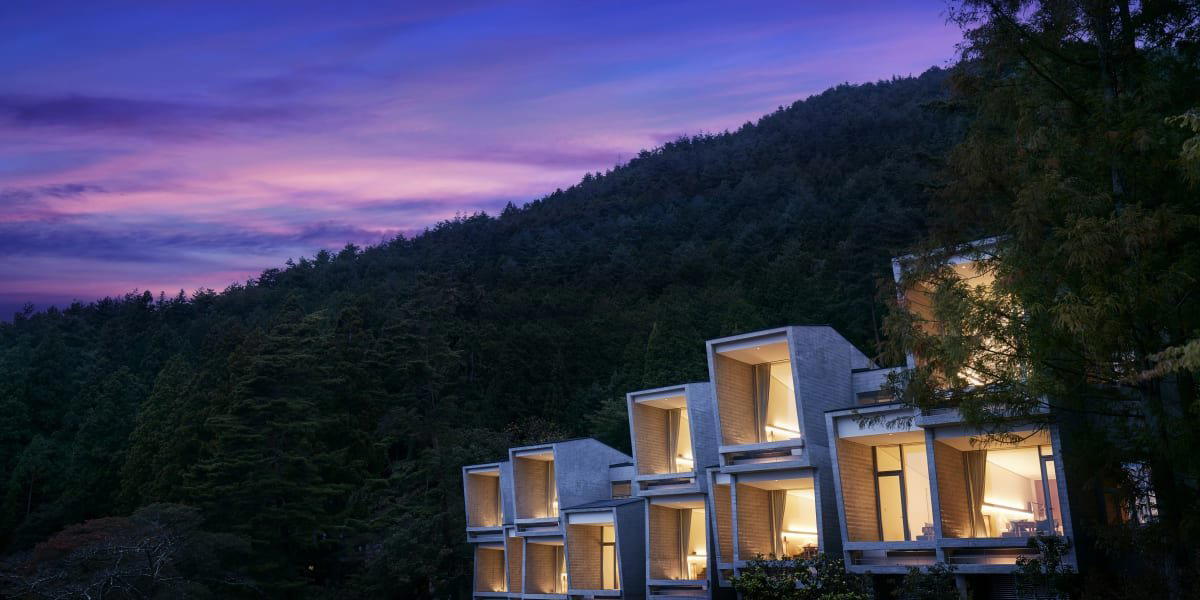
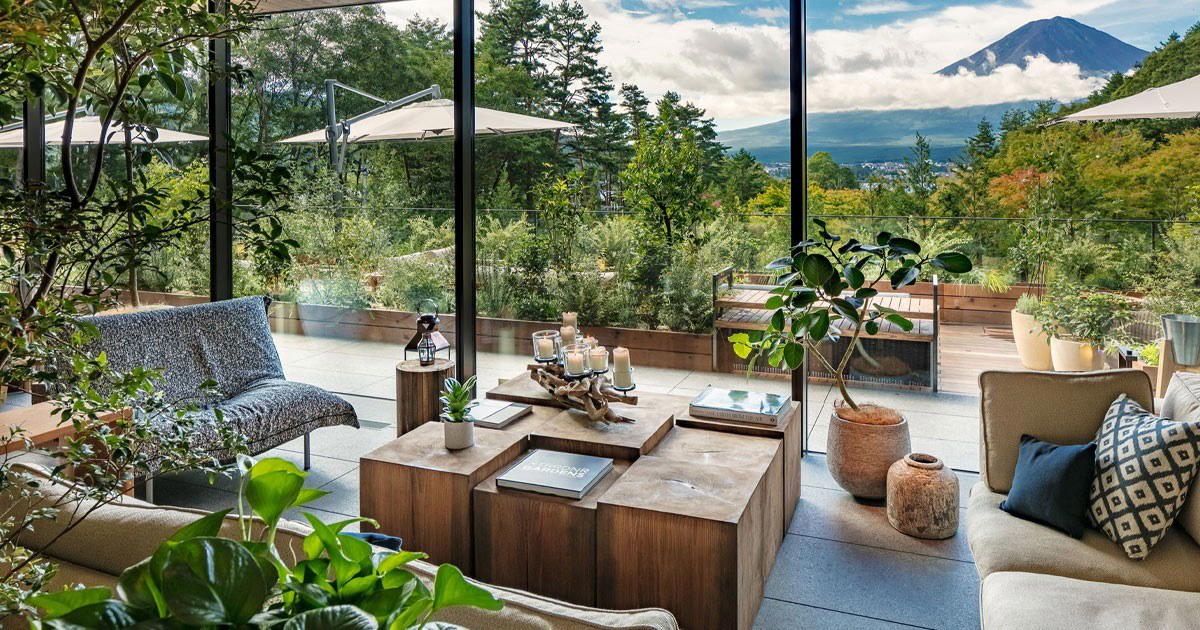
Refined resort fine-dining room with spacious, softly lit seating, contemporary design, and a calm atmosphere suited to couples and families alike.