
Tabelog Bronze #66
Our verdict
Yatsugatake Esaki places Hokuto’s mountain dining in the language of Japanese multi-course cooking: seasonal pacing, quiet scale, and a room built for concentration rather than spectacle. Its Tabelog Award 2026 Bronze recognition and repeat selection for Tabelog Japanese cuisine EAST “Tabelog 100” put it in a serious national conversation while keeping the experience rooted in Yamanashi rather than Tokyo grammar.

Pearl is the En Primeur Club membership app — saves, bookings, and concierge access live there. Same editors, same standards.
- Address
- Oizumicho Yato, Hokuto, Yamanashi 409-1502, Japan
- Phone
- +81 551-45-8707
- Hours
- Mon–Tue 12–1:30 PM, 6–8:30 PMWed–Thu ClosedFri–Sun 12–1:30 PM, 6–8:30 PM
- Website
- esaki-yatsugatake.com
- Directions
- Get directions
- Booking
- Book on the venue's website
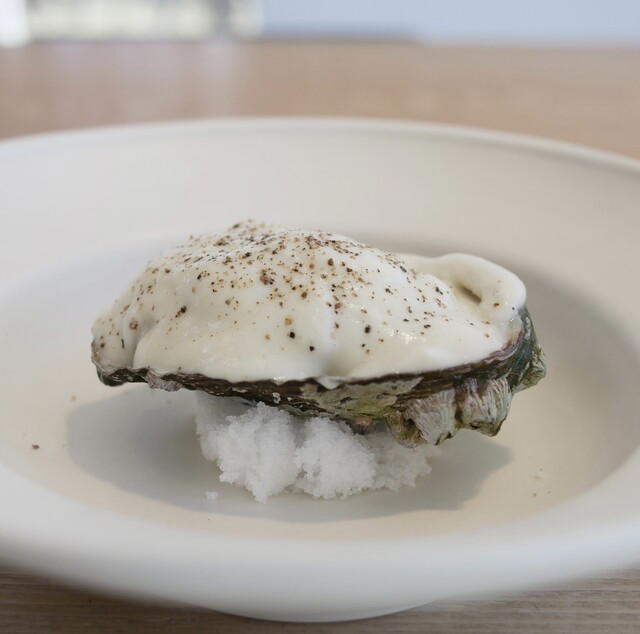
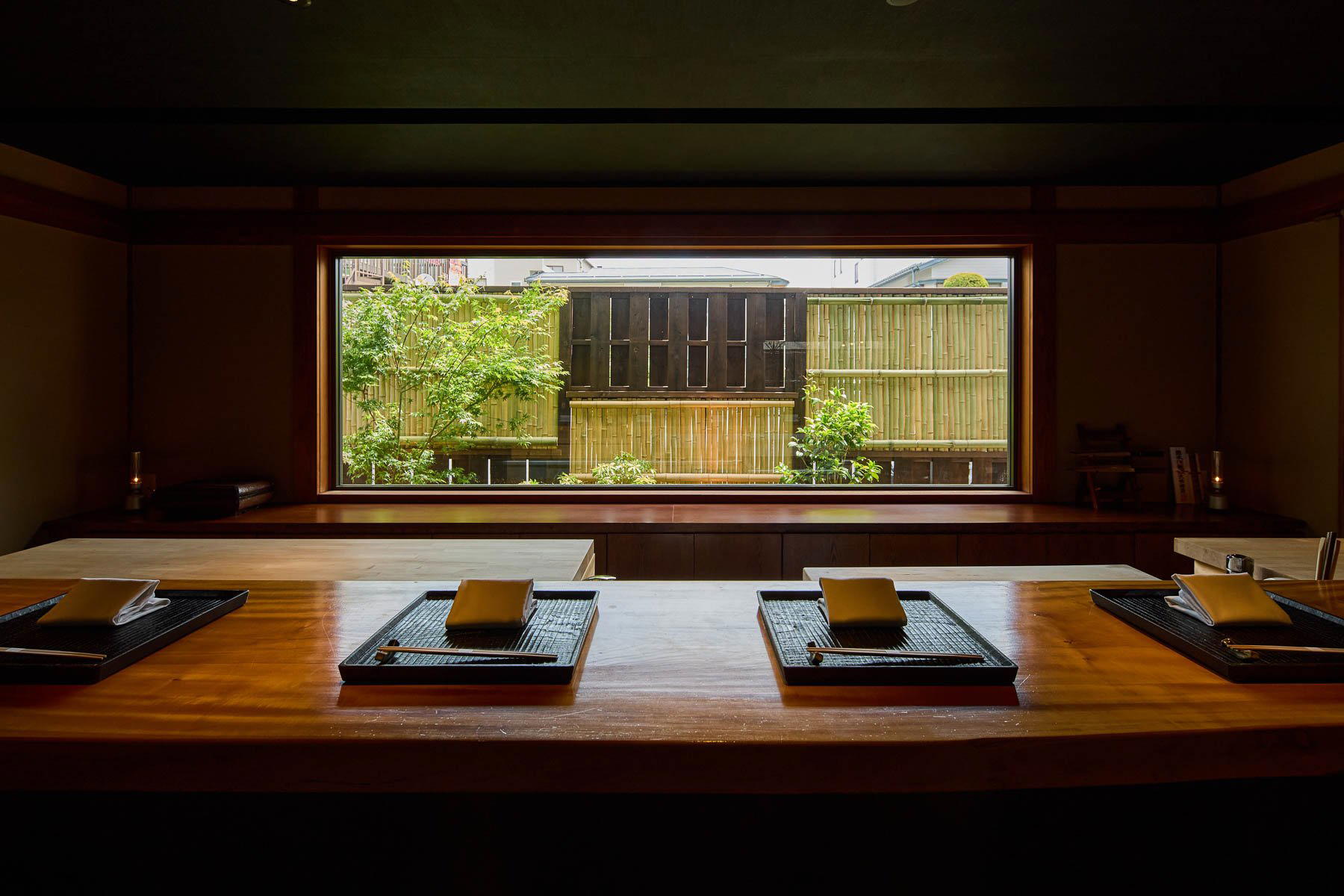
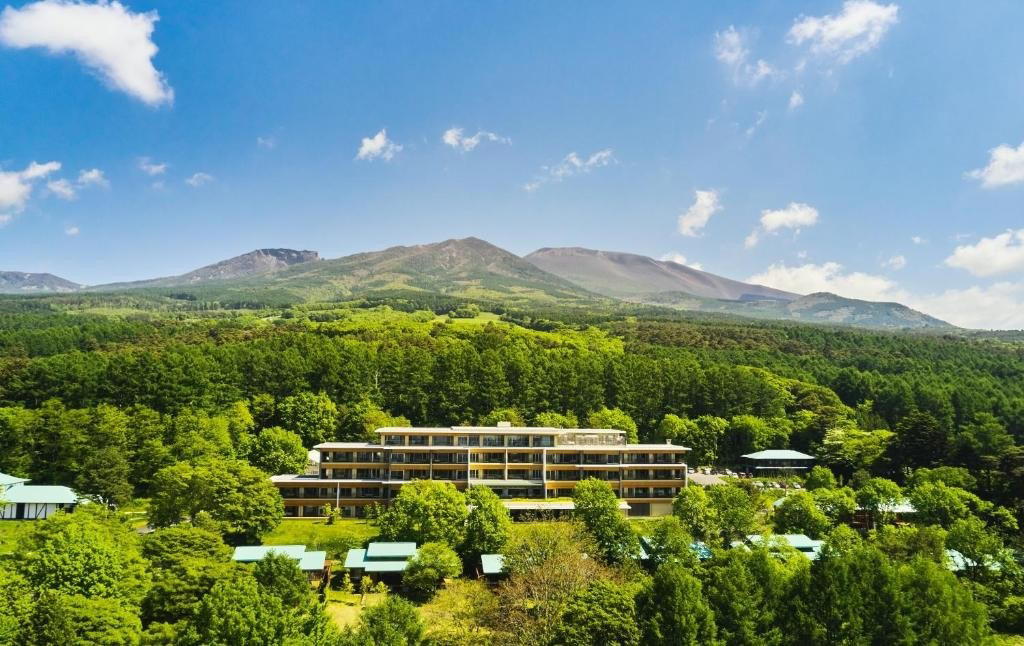
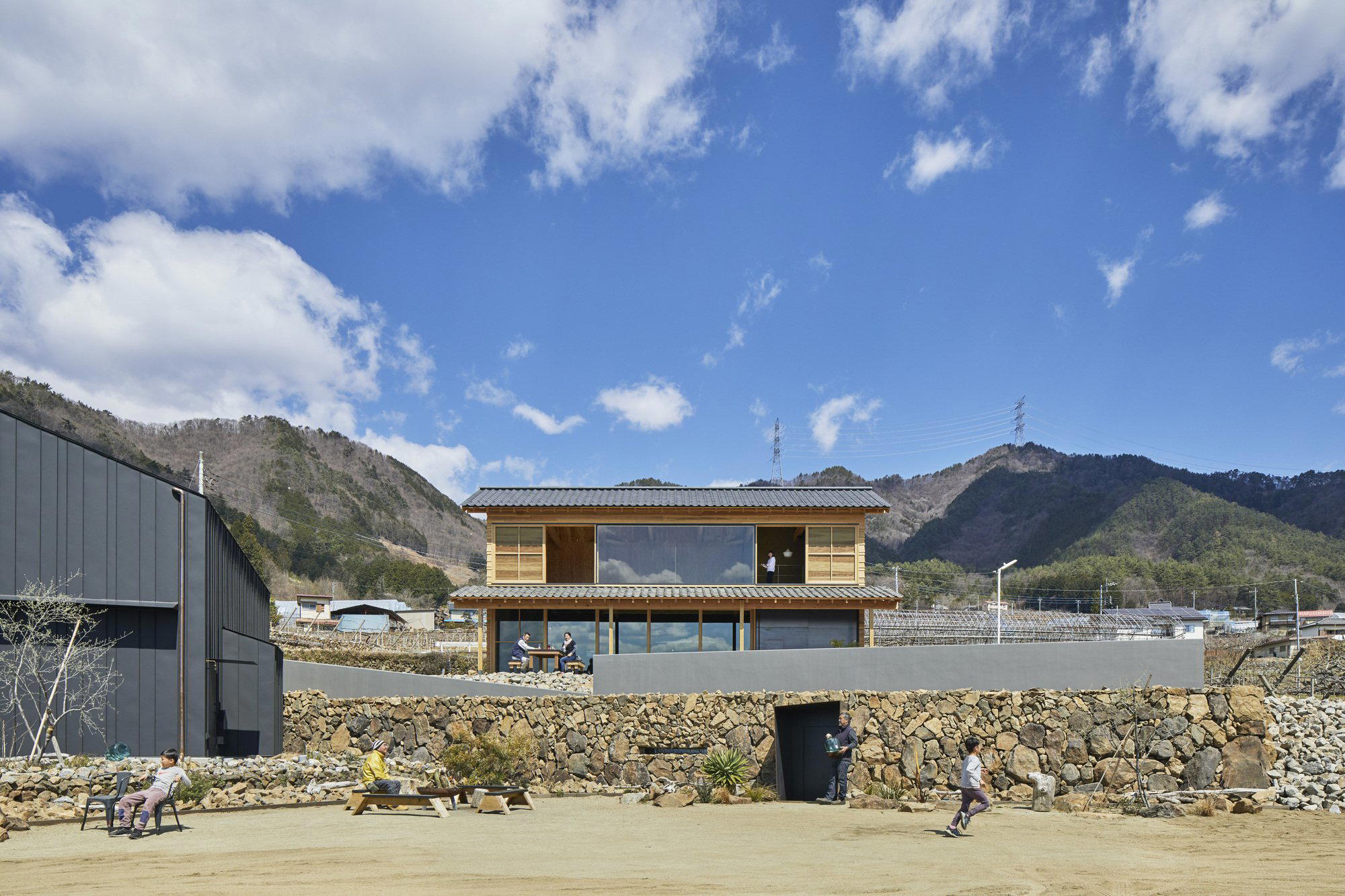
Approaching the Yatsugatake foothills, Hokuto feels removed from the theatre of big-city Japanese dining: wider sky, darker evenings, a slower sense of arrival. That geography matters. Kaiseki and related multi-course Japanese formats depend on sequence, season, pause, and proportion; in a mountain city, those ideas read differently than they do behind a Ginza counter or in a Kyoto townhouse. The room here is small enough that the meal becomes a study in focus rather than performance, with Japanese cuisine treated as a disciplined progression, not a parade of luxury ingredients.
Yamanashi is often approached through fruit, wine, mountain resorts, and weekend country houses, but its serious dining has grown into a quieter counterpoint to the capital. Hokuto’s restaurants can draw on altitude, agricultural proximity, and a visitor base willing to travel for meals that do not need urban noise around them. For a wider look at the area, Our full Hokuto restaurants guide maps the local field, while Our full Hokuto hotels guide, Our full Hokuto bars guide, Our full Hokuto wineries guide, and Our full Hokuto experiences guide help place dinner inside a longer stay.
Mountain kaiseki logic, stripped of urban excess
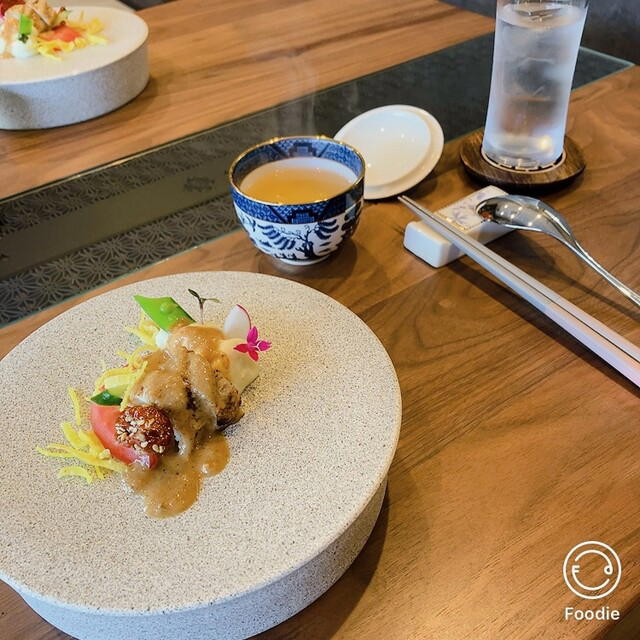
The point of a meal like this is not volume. It is rhythm: a composed opening, a middle section that tests temperature and texture, a rice course that brings the meal back to earth, and a close that should feel resolved rather than sweetened for its own sake. Yatsugatake Esaki sits inside that grammar. The format is Japanese cuisine, but the more useful comparison is philosophical: this is the low-capacity, reservation-led end of the category, where seasonality is not a slogan but the organizing structure of the meal.
The recognition gives the restaurant a sharper frame. The Tabelog Award 2026 Bronze placement and selections for Tabelog Japanese cuisine EAST “Tabelog 100” in 2025 and 2023 signal a restaurant judged beyond local affection. In Japan, Tabelog’s higher-scoring Japanese cuisine lists often function as a granular map of serious dining outside Michelin’s narrower international lens. A score around the four-point mark places a restaurant in a competitive tier where consistency, technical control, and repeat diner confidence matter.
That matters in Hokuto because the city’s dining identity is not built around a single corridor or late-night concentration. It is dispersed, seasonal, and often tied to travel planning. Nearby choices such as Kobuchisawa Izutsuya, OTTO SETTE, and Terroir Aitoibukuro (INNOVATIVE) show how the area supports more than one register: traditional Japanese, resort-adjacent Italian, and contemporary local-ingredient cooking. Add casual or regional stops like Asian Yatai Gohan Gogo Kichi Shokudo and Daigahara Kinseiken Honten, and Hokuto reads less like a detour and more like a compact food itinerary.
Where it fits against Japan's high-end Japanese cuisine tier
Among serious Japanese restaurants, the split is increasingly clear. Some rooms chase rarity, luxury seafood, and metropolitan ceremony; others compete through restraint, pacing, and the authority of a smaller room. Yatsugatake Esaki belongs to the second camp. It is not priced or positioned like the more expensive destination Japanese cuisine tier represented by out-of-metro peers such as Jigen Do or Kashiwade no Tsukasa Suikouan, where the spend moves into a higher band. Nor does it draw its identity from the dense restaurant ecosystems associated with names such as 麻布 幸村 - Yukimura, L`Orangerie Koh-An, or Kawada. Its case is more geographic: a serious Japanese meal in Yamanashi, framed by mountain travel rather than city dining circuits.
This is where the kaiseki lens is useful. The tradition rewards context. A coastal city can make seafood feel inevitable; Kyoto can make ceremony feel inherited; Tokyo can turn precision into competition. Hokuto’s advantage is quieter. The setting encourages concentration on interval and restraint, the qualities that separate a polished multi-course meal from an expensive tasting menu. A small dining room also changes the reader’s decision: this is not a flexible add-on to a loose day, but a meal around which the day is built.
The wine note is also telling. Yamanashi is Japan’s historic wine region, and a Japanese restaurant listing wine as part of its drinks program places the meal in useful regional dialogue without needing to imitate a Western fine-dining template. That does not make the experience casual. It makes it local in a way that matters: Japanese cuisine in a prefecture where wine, fruit, mountain produce, and domestic travel patterns overlap.
The right reader for this room
The strongest case for Yatsugatake Esaki is for travelers who already understand that Japanese fine dining is not a single style. Sushi counters, tempura specialists, kappo rooms, and kaiseki restaurants ask for different kinds of attention. This address is for diners who care about sequence and silence as much as headline ingredients, and who are willing to organize a Hokuto day around a meal that operates at a deliberate pace.
It is less suited to diners seeking a broad menu, a high-energy room, or a flexible drop-in meal. That is not a criticism; it is the distinction that protects the experience. In small-format Japanese dining, capacity and concentration are part of the value. The meal’s appeal comes from being contained, seasonal, and specific to its setting.
For readers building a broader Japan dining map, this is a useful contrast to urban or overseas Japanese references such as Beppu Hirokado, Japanese Cuisine in Oita and Cocoro, Japanese Cuisine in Auckland. It also sits far from the everyday categories represented by -Grilled beef Sukiyaki- KAMAKURA TANUKIAN 鎌倉 たぬき庵 in Kamakura. 鮪と炭火焼き うお炭 秋葉原店 in Tokyo.cafe in Osaka.know in Kumamoto, (Shoku) Vietnam in Kawasaki, and [Curry Senmon Ten] Maruyama Kyoju. in Sapporo. The comparison clarifies the choice: this is not general Japanese dining, but a compact, award-recognized mountain expression of the multi-course tradition.
Frequently asked questions
Is Yatsugatake Esaki good for families?
It works for small, well-behaved groups rather than large family meals. The room has 6 seats, reservations are required for one group at a time, and the restaurant is in Hokuto, Yamanashi.
Is Yatsugatake Esaki formal or casual?
It reads as restrained rather than casual: Japanese cuisine, reservation-only service, and just 6 seats set a quiet, focused tone. The price range sits at JPY 15,000–19,999, which places it in a serious dining bracket without resorting to ceremony for its own sake.
What cuisine category does Yatsugatake Esaki fall under?
Yatsugatake Esaki serves Japanese Cuisine cuisine.
What is Yatsugatake Esaki known for?
Yatsugatake Esaki is primarily known for Japanese Cuisine in Hokuto.
In Context: Similar Options
Comparable venues by cuisine and price in the same metro.
| Venue | Cuisine | Price | Awards | Notes |
|---|---|---|---|---|
| Yatsugatake EsakiThis venue — the venue you are viewing | Seasonal Japanese Kaiseki | $150–200 | Tabelog Bronze #66 | Not listed |
| OTTO SETTE | Seasonal Italian Tasting Menu at Mountain Wine Resort | $150–200 | Tabelog 100 #25 | Kobuchisawa |
| Restaurant Steakhouse Keyspring (カントリーレストラン キースプリング) | Country Steakhouse with Local Yamanashi Beef | $30–50 | Not listed | 小淵沢 |
| Terroir愛と胃袋 | Local Terroir French-Japanese Fusion | Not listed | Not listed | Takanechō Nagasawa |
| ç´ éæ« | Japanese Restaurant | Not listed | Not listed | Hokuto |
| Kobuchisawa Izutsuya | Japanese Unagi | $30–50 | Tabelog 100 #77 | Kobuchizawa |
Recognition history
Dated appearances from independent guides and award organizations, with the underlying list record or original source where available.
Tabelog Bronze #66
Tabelog
Full recognition history (2 entries)
Tabelog 100 #72 · No. 72
Tabelog · Tabelog 100 - Japanese cuisine - EAST - 2025

Details
- Quiet
- Scenic
- Intimate
- Elegant
- Sophisticated
- Special Occasion
- Date Night
- Celebration
- Business Dinner
- Standalone
- Private Dining
- Panoramic View
- Local Sourcing
- Mountain
- Set Menu
- Tasting Menu
Current opening hours
- Monday
- 12–1:30 PM, 6–8:30 PM
- Tuesday
- 12–1:30 PM, 6–8:30 PM
- Wednesday
- Closed
- Thursday
- Closed
- Friday
- 12–1:30 PM, 6–8:30 PM
- Saturday
- 12–1:30 PM, 6–8:30 PM
- Sunday
- 12–1:30 PM, 6–8:30 PM
Hours can change for holidays and private events. Last verified .
Calm, secluded, and nature-focused, with an intimate single-table format surrounded by the quiet landscape of Yatsugatake.