Tenpaku occupies a ground-floor address in Chiba's Honcho district, Chuo Ward, placing it inside the city's compact but serious dining corridor. Precise details on cuisine format, pricing, and booking remain sparse, making direct contact the recommended first step. For comparative context on Chiba's dining scene, EP Club's full city guide provides a structured starting point.
Pearl is the En Primeur Club membership app — saves, bookings, and concierge access live there. Same editors, same standards.
- Address
- Japan, 〒260-0012 Chiba, Chuo Ward, Honcho, 2 Chome−1−21 石井ビル 1F
- Phone
- +81432212505
 Saves & bookings on Pearl
Chiba's Dining Quarter and Where Honcho Sits in It
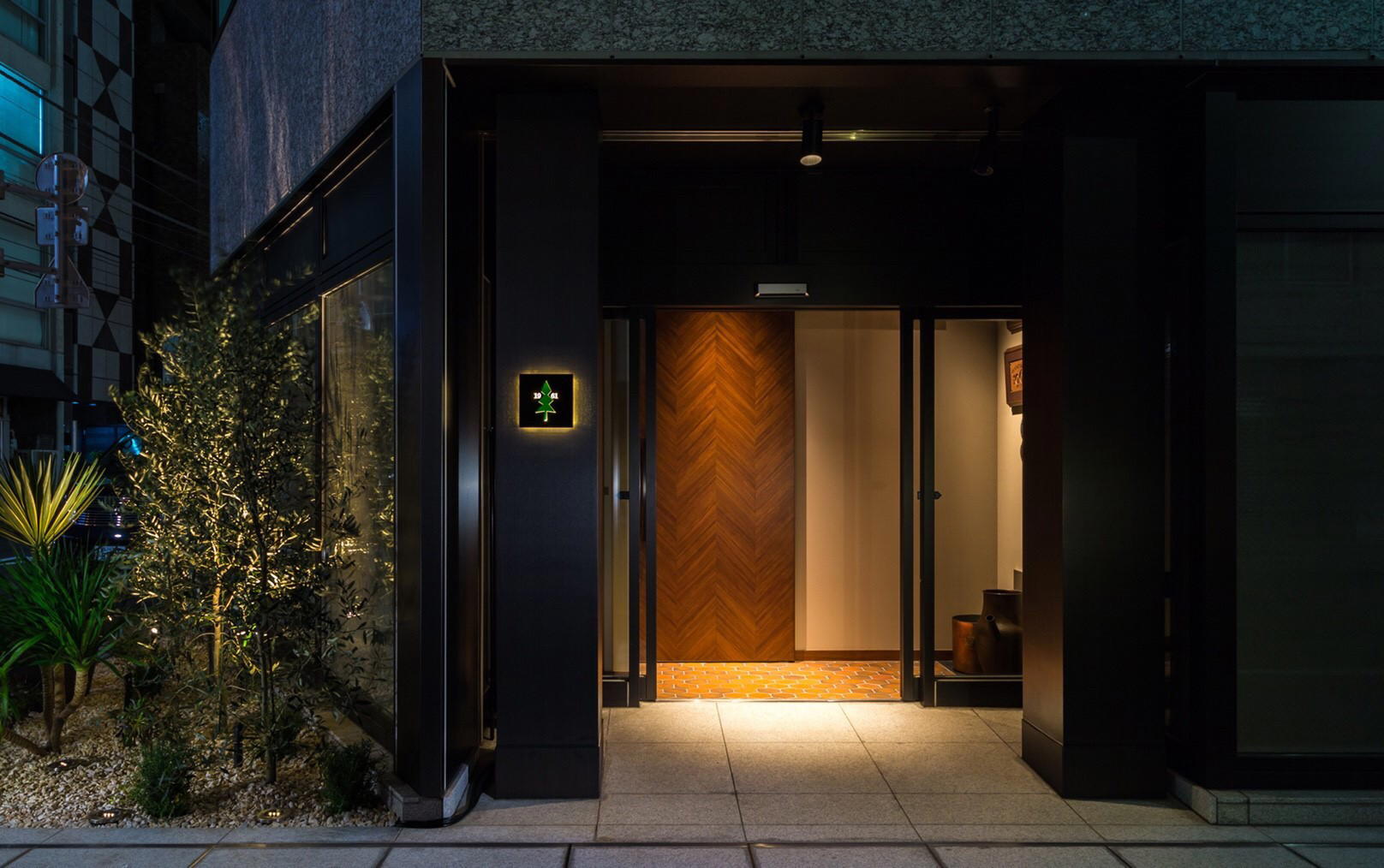
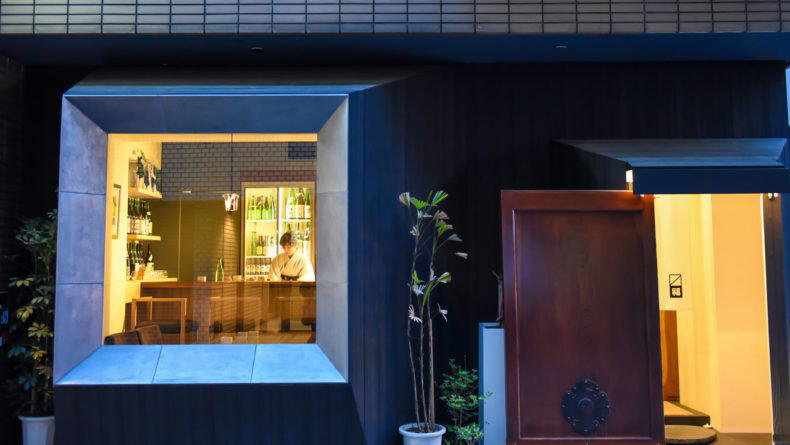
Tenpaku is a restaurant in Chiba, serving Modern Tempura Omakase and priced at about USD 90 per person. The Honcho district in Chuo Ward functions as the commercial and administrative spine of central Chiba, and the stretch of 2-chome along Honcho contains a concentration of ground-floor restaurant spaces that serve a working population with demanding daily standards rather than a tourism circuit looking for landmarks. Tenpaku occupies one of those ground-floor positions at 2-1-21 Honcho, inside a building that places it at street level and accessible without the vertical navigation that characterises many Japanese urban dining destinations. That physical positioning, flush with the pavement and inside a dense commercial block, signals a particular kind of restaurant logic: proximity to regulars, predictable foot traffic, and a clientele built over time rather than through destination marketing.
Chiba's position relative to Tokyo shapes everything about how its restaurants operate. Thirty to forty minutes from central Tokyo by rail, the city functions in a dual role: independent urban centre for its own residents, and accessible overflow for Tokyo-based diners willing to travel for something specific. That dynamic has historically kept Chiba's dining scene from achieving the density of recognition that comparable Japanese cities command, but it has also insulated certain establishments from the pricing pressures and theatrical formats that accompany high-volume restaurant tourism.
The Cultural Register of Japanese Neighbourhood Dining
To understand what a restaurant like Tenpaku likely represents within Chiba's framework, it helps to consider what Japanese neighbourhood dining culture has produced at its most disciplined end. Japan has a well-documented tradition of small-format, owner-operated establishments that prioritise technical consistency over expansion, where the restaurant's identity is built through the accumulated experience of a local clientele rather than external critical recognition. These spaces, often with modest street presence and limited seating, operate on a different economy from destination restaurants: repeat visits, seasonal loyalty, and word-of-mouth form the core commercial logic. The Honcho address places Tenpaku within the geography of that tradition,
Japanese dining culture also separates sharply between establishments that participate in formal recognition systems, Michelin, Tabelog rankings, national awards, and those that operate entirely outside those circuits without any diminishment of quality. Some of the most technically serious Japanese restaurants in cities like Osaka, Kyoto, and even Tokyo maintain no active presence in English-language media and attract no critical attention beyond their immediate community. HAJIME in Osaka and Gion Sasaki in Kyoto occupy the recognised end of that spectrum; establishments like Tenpaku sit outside formal award circuits.
Chiba's Restaurant comparable set
Within Chiba itself, the dining options that EP Club tracks span from sushi-focused counters to broader Japanese formats. Sushiei represents the sushi counter tradition in the city, while Gin Sushi covers related territory. BAMBOU and Manzan add further range to the city's tracked options, and Indian Ryori Sitar indicates the diversity of the city's food culture beyond Japanese formats. The presence of a sushi venue like Takaoka at a price point in the JPY 30,000 to JPY 39,999 range signals that Chiba's dining economy can support serious per-head spending at the upper end, even if the majority of its restaurant stock operates well below that threshold.
For Japanese dining at the most ambitious level across the country, context is useful. Harutaka in Tokyo and Goh in Fukuoka represent what the highest-recognition tier looks like in their respective cities. Regional venues like akordu in Nara, 一本杉 川島酒造 in Nanao, and 奥芝商店 in Sapporo illustrate how Japan's dining culture distributes serious quality across geography rather than concentrating it in a single centre. 湖畔荘 in Takashima, 庄羽屋 in Nishikawa Machi, and Birdland in Sakai extend that geography further. For international comparison, Le Bernardin in New York City and Atomix in New York City demonstrate how fine dining formats translate across culinary traditions.
What to Know Before You Go
Tenpaku serves Modern Tempura Omakase and averages about USD 90 per person. Its hours are Monday, Tuesday, Friday, Saturday, and Sunday from 12:00 to 12:05 PM and 6:00 to 6:05 PM, and it is closed Wednesday and Thursday. Reservations are essential. The physical address, 1F, 石井ビル, 2-1-21 Honcho, Chuo Ward, Chiba, 260-0012, provides a reliable starting point for anyone planning a visit. Reservations are essential.
Cost Snapshot
Comparable venues nearby, for context on price, style, and recognition.
| Venue | Cuisine | Price | Awards | Notes |
|---|---|---|---|---|
| TenpakuThis venue — the venue you are viewing | Chuo-ku, Modern Tempura Omakase | $$$ | , | |
| Boushu En | $$$ | , | Chuo Ward, Yakiniku (Japanese BBQ) & Horumon | |
| Private room Yakiniku GYU CHIBA | Chuo Ward, Private-room premium Yakiniku | $$$ | , | |
| Hanamigawa Ootomi | $$$ | , | Makuharihongo, Yakitori using Hinai-jidori chicken | |
| Ura Musashi Ya Nishichiba honten | Nishi-Chiba, Iekei Ramen Shop | $ | , | |
| Seikou En | $$$ | , | Chuo-ku, Traditional Yakiniku (Japanese BBQ) |






At a Glance
- Elegant
- Intimate
- Sophisticated
- Solo
- Sake Program
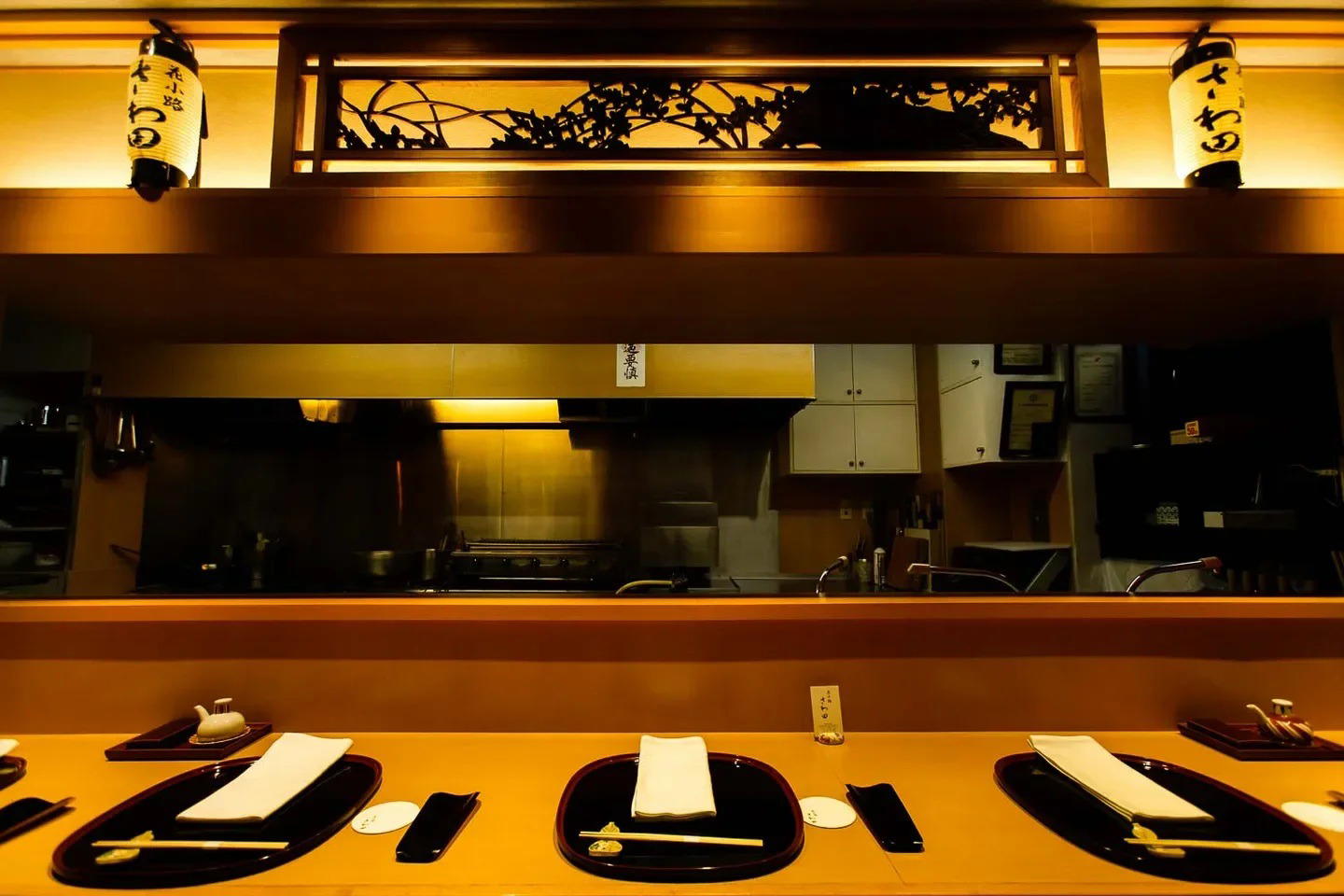
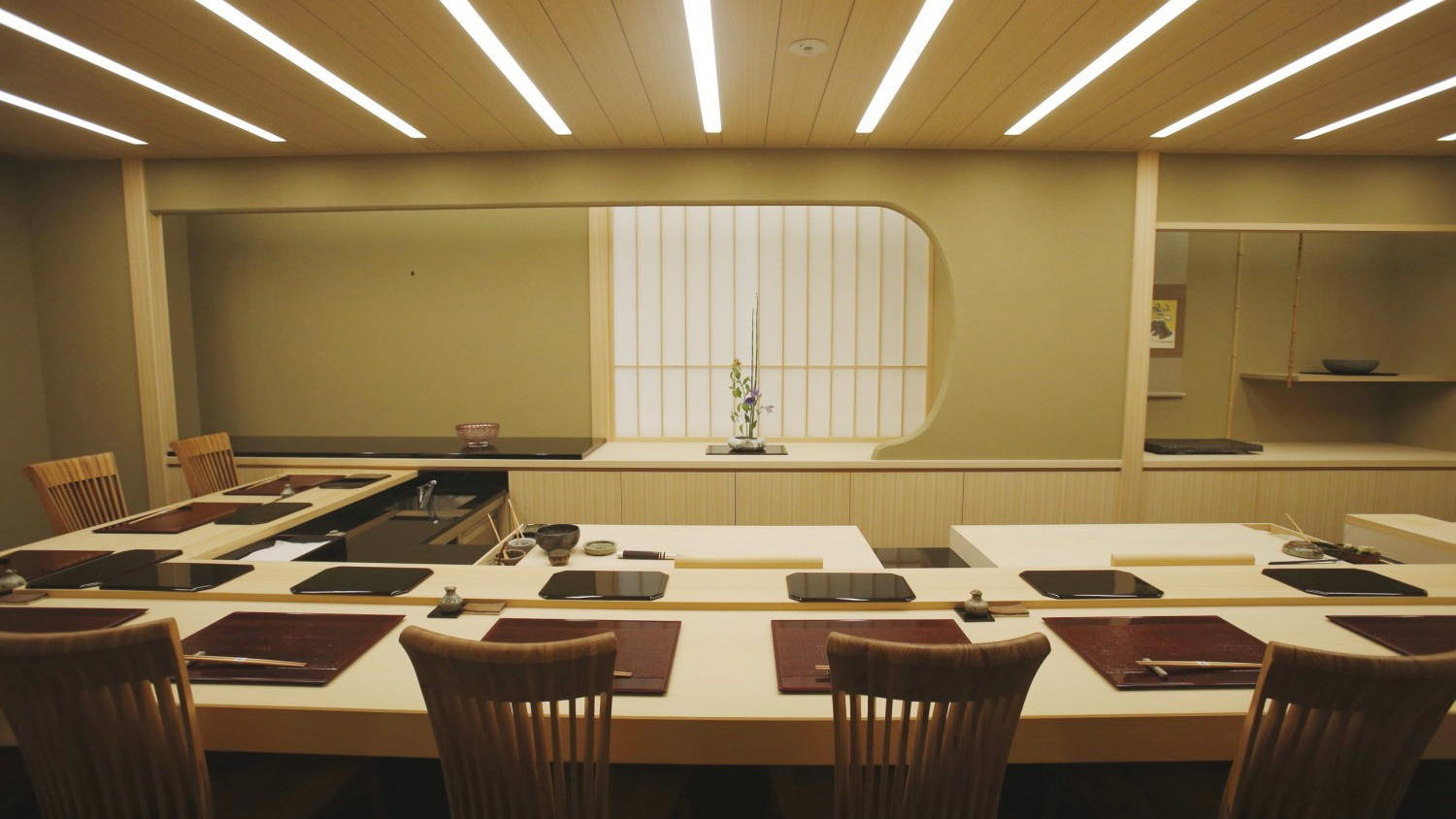
Counter seating for 9 in a focused, serene atmosphere dedicated to the omakase tempura experience.