
Chiba’s yakiniku scene splits between casual smoke-heavy grills and higher-spend rooms built around privacy, pacing, and beef selection. Private room Yakiniku GYU CHIBA sits in the latter camp, with Tabelog 100 Yakiniku EAST 2025 recognition, private-room seating, and a dinner spend that places it above the city’s everyday grill counters.
Pearl is the En Primeur Club membership app — saves, bookings, and concierge access live there. Same editors, same standards.
- Address
- Japan, 〒260-0015 Chiba, Chuo Ward, Fujimi, 1 Chome−10−3 SC若松ビル 2F
- Phone
- +81 43-307-7029
- Website
- gyuu.co.jp
 Saves & bookings on Pearl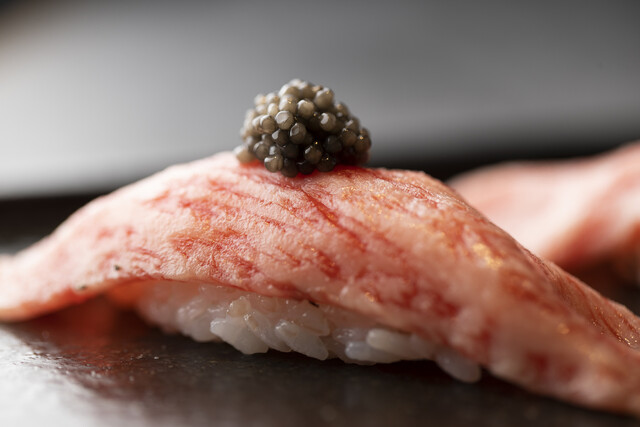
The first cue is separation. In a city where much of the pleasure of yakiniku comes from the clatter of table grills and the collective rhythm of smoke, Private room Yakiniku GYU CHIBA works from a quieter premise: beef cooked at the table, but buffered by private rooms rather than an open dining floor. That format changes the meal. It slows the ordering, makes the grill feel less communal and more controlled, and suits Chiba’s growing appetite for restaurants that can handle both family dinners and expense-account beef without turning the room into theatre.
Yakiniku in Japan has always been a study in sourcing as much as cooking. The kitchen’s role is not to hide behind sauces or heavy garnish; it is to select cuts, portion them properly, and let the diner manage heat with enough guidance from the room. In that context, recognition in Tabelog’s Yakiniku EAST 2025 list matters because it places the restaurant inside a regional conversation about beef quality, consistency, and service format rather than simply local popularity. The price band also says something: this is not Chiba’s quick-grill category, and it is not trying to be.
Private rooms put the focus back on beef selection
The private-room format is more than a comfort feature. Yakiniku depends on timing: thin cuts can move from clean sear to fatigue quickly, while richer beef needs enough heat to render without turning heavy. A separated room gives the table control over pace and conversation, which is useful when the meal is built around successive cuts rather than a single composed plate. It also makes the restaurant more flexible than many serious grill rooms: children are welcome, and the room plan accommodates small parties as well as larger groups.
That matters in Chiba, where station-adjacent dining has to serve several audiences at once. Office diners want late-evening reliability, families want space, and beef-focused regulars want sourcing to justify the spend. The stronger yakiniku rooms solve that by narrowing the promise: fewer distractions, better handling of cuts, and a service style that keeps the grill central. GYU CHIBA’s 42-seat scale keeps it from feeling like a banquet hall, while the private-room structure makes it less exposed than counter-led restaurants nearby.
Within the city’s broader restaurant mix, the pricing puts it closer to higher-spend peers such as Epice than to casual local staples. Seikou En sits in a lower dinner band, while ramen and noodle addresses such as Ramen Jiro Chiba ten or Koimen Kurage operate in a different decision category entirely. That comparison is useful because Chiba is not short on inexpensive meals; the reason to choose a private-room yakiniku dinner is beef, privacy, and pacing, not convenience alone.
Chiba's higher-spend grill culture is about control, not spectacle
The East Japan yakiniku lists tend to reward restaurants that understand restraint. A grill table can easily become excess: too many marinades, too much smoke, too many cuts arriving before the first plate has been handled properly. The better version is disciplined. Beef arrives in a sequence that lets leaner, fattier, and marinated cuts register differently, and the room supports that rhythm without turning dinner into a lecture. No chef biography is needed to make the point; in yakiniku, credibility is visible in sourcing choices, portioning, and the confidence to let beef remain the argument.
Chiba’s Fujimi area also shapes the experience. Around the station, restaurants compete for diners who may be arriving from Tokyo, staying local after work, or building an evening before the last train home. The result is a dining district where category clarity matters. A French-leaning room such as Cinq au Pied, a broader city restaurant like BAMBOU, or a spice-driven address such as Bengal Tiger answers a different craving. Yakiniku, by contrast, is a commitment to heat, fat, rice, and conversation, and the private-room version turns that into a more contained evening.
The restaurant’s Tabelog score of 3.55 should be read with Japanese review culture in mind: scores often cluster tightly, and selection for a category list can be more telling than the raw number alone. The Tabelog 100 Yakiniku EAST 2025 recognition is the clearer trust signal. It does not make the room formal in the Michelin sense, but it does place the restaurant among a vetted regional group for a category where local diners tend to be exacting.
How to read it against the rest of Chiba dining
For travelers, the useful distinction is not “yakiniku versus other Japanese food,” but what kind of night the format creates. Sushi and kappo ask diners to surrender more control to the counter. Ramen compresses pleasure into speed and repetition. Yakiniku sits between those poles: self-directed, social, and dependent on ingredient quality. In a private room, that middle ground becomes easier to use for mixed groups, especially when one table includes serious beef eaters and others who simply want a comfortable dinner.
For a wider read on the city, Our full Chiba restaurants guide maps the local dining field beyond grill rooms, from Boushu En to Chinese Komugiko Ryori Senmonten Keisen. The same trip planning lens extends to Our full Chiba hotels guide, Our full Chiba bars guide, Our full Chiba wineries guide, and Our full Chiba experiences guide. Readers comparing Japanese dining formats beyond Chiba can also look at -Grilled beef Sukiyaki- KAMAKURA TANUKIAN 鎌倉 たぬき庵 in Kamakura, . 鮪と炭火焼き うお炭 秋葉原店 in Tokyo.cafe in Osaka.know in Kumamoto, (Shoku) Vietnam in Kawasaki, [Curry Senmon Ten] Maruyama Kyoju. in Sapporo, Jōdo Saké Bar in Los Angeles, and Onigiri Time in Pasadena.
The editorial case is clear: this is the Chiba yakiniku choice for diners who want privacy, recognized category standing, and a beef-led meal with enough structure to justify a higher spend. It is less about novelty than execution. In a format where the diner finishes the cooking, the restaurant’s job is to make the raw material, room, and rhythm strong enough that the grill does not need decoration.
Fast Comparison
Comparable venues by cuisine and price in the same metro.
| Venue | Cuisine | Price | Notes |
|---|---|---|---|
| Private room Yakiniku GYU CHIBAThis venue — the venue you are viewing | Private-room premium Yakiniku | $$$ | Not listed |
| Boushu En | Yakiniku (Japanese BBQ) & Horumon | $$$ | Chuo Ward |
| Hanamigawa Ootomi | Yakitori using Hinai-jidori chicken | $$$ | Makuharihongo |
| Takaoka | Chiba-Style Omakase Sushi | $$$$ | Yaesu |
| BAMBOU | Traditional Tonkatsu | $$ | Moto Yawata |
| Kanmi Dokoro Kaede | Japanese sweets cafe (wagashi & kakigori) | $ | Nishi Chiba |
Recognition history
Dated appearances from independent guides and award organizations, with the underlying list record or original source where available.
Tabelog 100 #55 · No. 55
Tabelog · Tabelog 100 - Yakiniku - EAST - 2025









At a Glance
- Intimate
- Elegant
- Modern
- Cozy
- Date Night
- Business Dinner
- Group Dining
- Celebration
- Special Occasion
- Private Event
- Private Dining
- Standalone
- Sake Program
- Beer Program
Current opening hours
- Monday
- 5 PM–12 AM
- Tuesday
- 5 PM–12 AM
- Wednesday
- 5 PM–12 AM
- Thursday
- 5 PM–12 AM
- Friday
- 5 PM–12 AM
- Saturday
- 5 PM–12 AM
- Sunday
- 5 PM–12 AM
Hours can change for holidays and private events. Last verified .
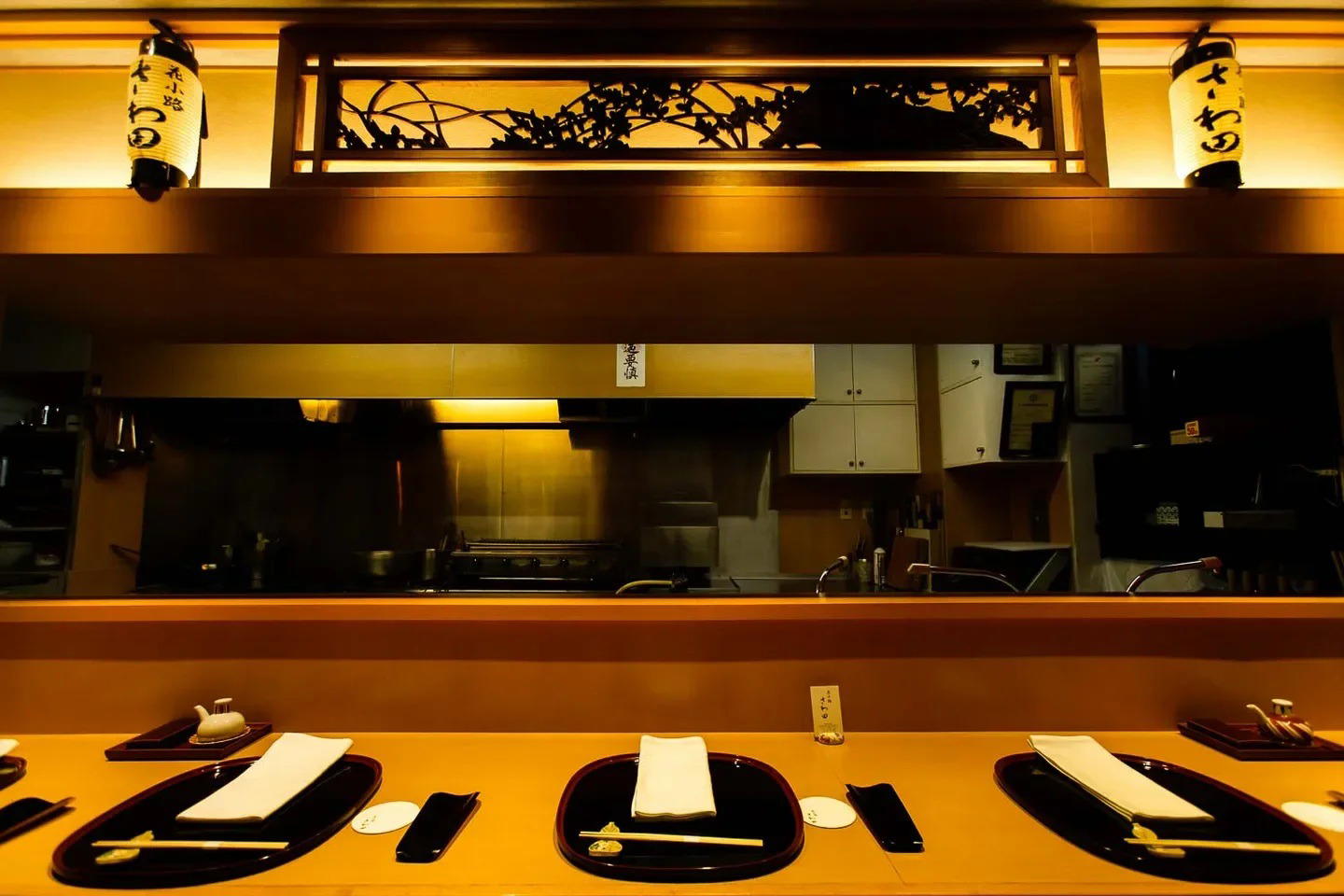
Refined, modern private rooms with subdued lighting and a calm, upscale atmosphere designed for quiet conversation and special occasions.