
Hanamigawa Ootomi gives Chiba a serious yakitori address outside the usual Tokyo orbit, with a 14-seat room, counter seating, and a reputation tied to native Japanese chicken. Its Tabelog 100 Yakitori EAST selections in 2023, 2024, and 2025 place it in a disciplined category where sourcing, smoke, and restraint matter more than spectacle.
Pearl is the En Primeur Club membership app — saves, bookings, and concierge access live there. Same editors, same standards.
- Address
- Japan, 〒262-0033 Chiba, Hanamigawa Ward, Makuharihongo, 1 Chome−10−8 サントル ビレッジ 1A
- Phone
- +81 43-356-0332
- Website
- facebook.com
 Saves & bookings on Pearl
Makuharihongo is not the kind of station district that announces dinner with theatre. The approach is suburban Chiba rather than Ginza polish: low-rise blocks, railway practicality, and a dining room scaled for people who came for chicken, not ceremony. That setting matters. Serious yakitori in Japan has never belonged only to metropolitan luxury corridors; some of its sharpest expressions live in small rooms where the grill sets the tempo and the ingredient list carries the argument.
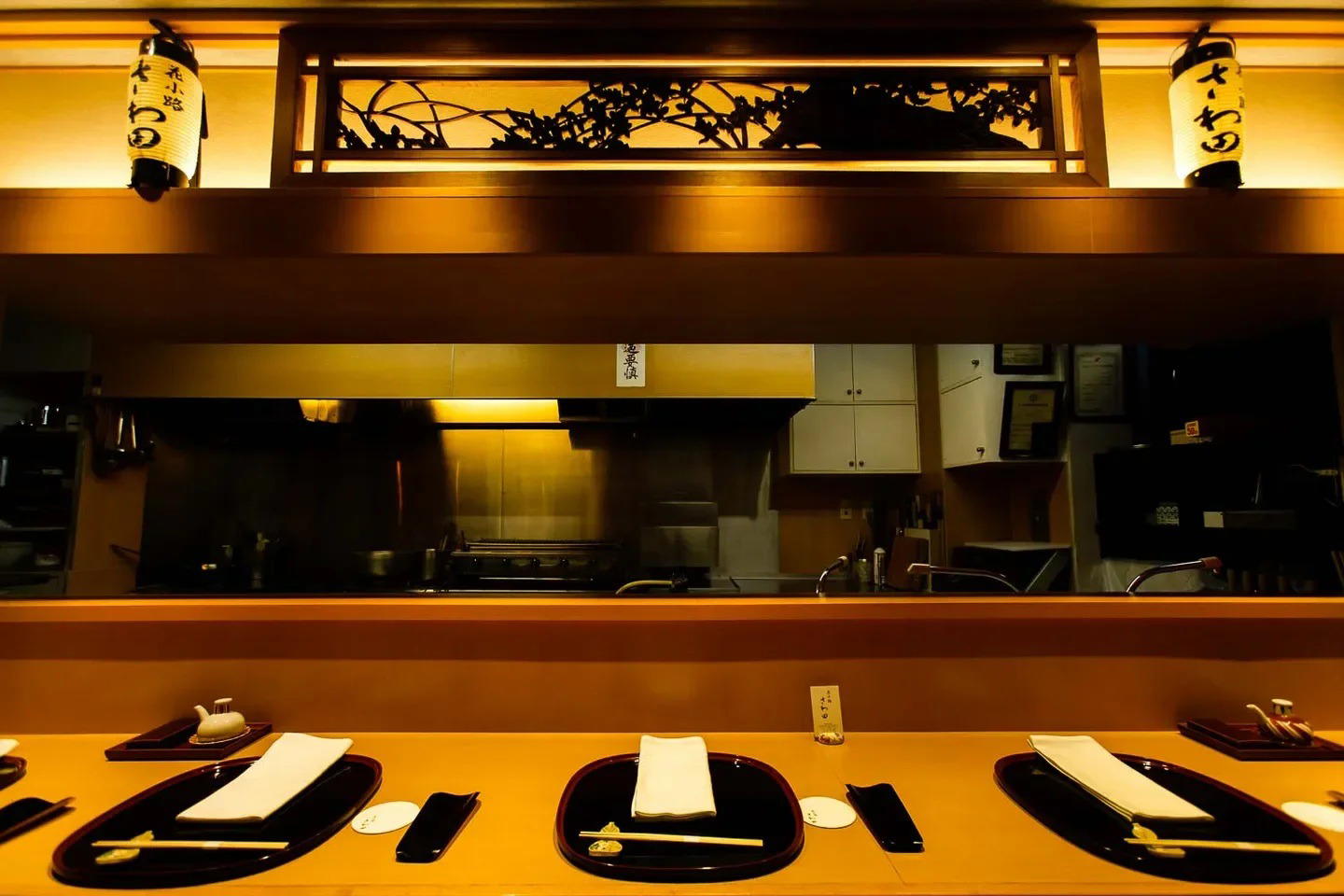
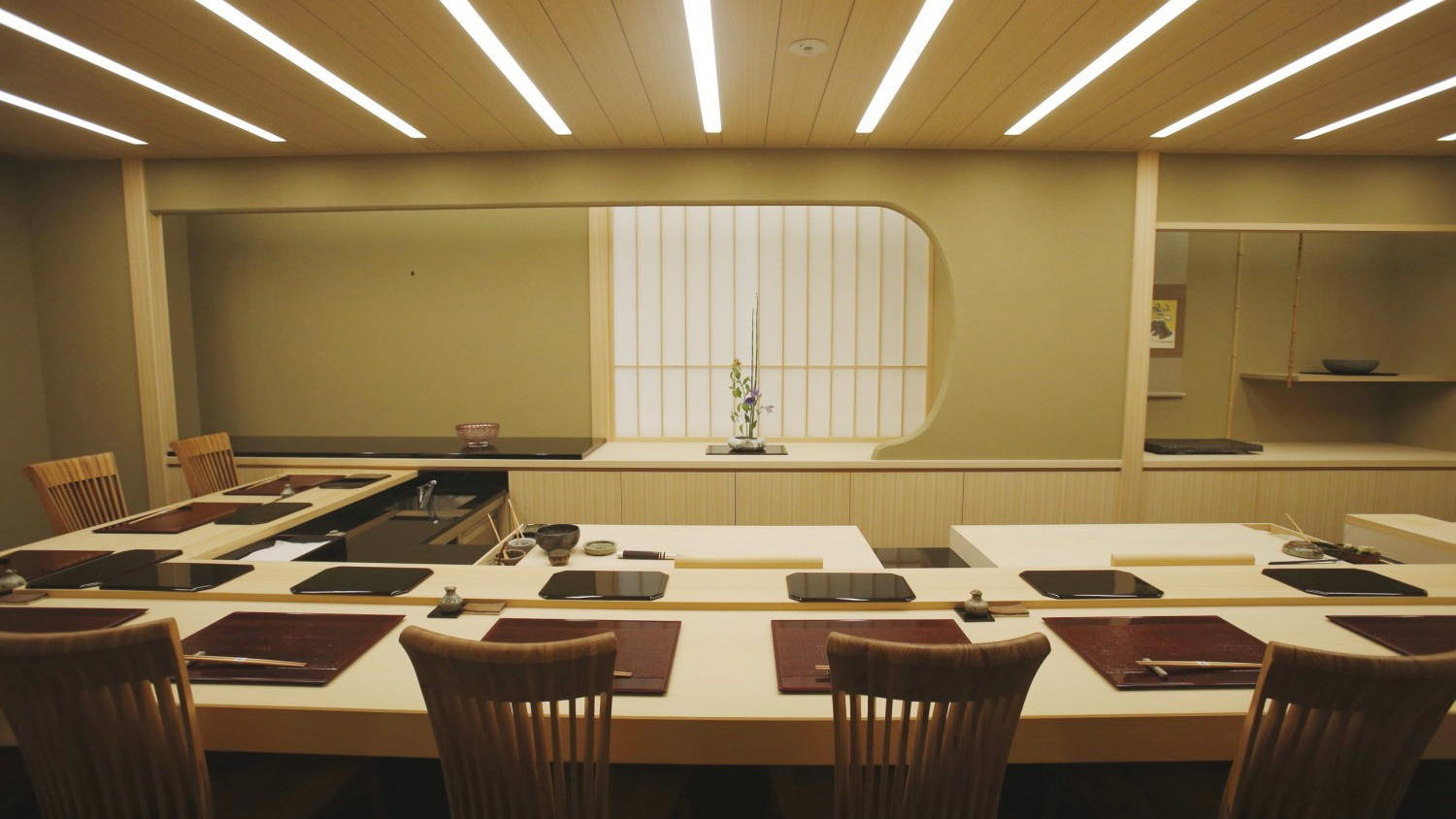
Hanamigawa Ootomi sits in that quieter register. The room runs to 14 seats, with counter seating part of the format, which puts it closer to the compact specialist end of Chiba dining than to the broad, multi-course restaurant model. Its public category is yakitori, chicken dishes, and oyako-don, but the more revealing detail is the sourcing note: a focus on Japan’s native chicken breeds, especially carefully selected Hinai chicken. In yakitori, that is not decorative language. Breed, age, fat structure, and muscle density shape how a skewer behaves over heat; the grill can only refine what the bird already gives.
Native chicken gives Chiba yakitori its serious edge
Yakitori looks simple from a distance because the vocabulary is direct: bird, salt or tare, charcoal, timing. At this level, simplicity becomes a test. Native Japanese chickens generally bring firmer texture and deeper flavor than standard broiler birds, and Hinai chicken carries particular prestige in the national conversation around jidori. That does not automatically make a restaurant compelling, but it changes the stakes. The kitchen must manage chew, fat, and heat with enough control that the bird reads as character rather than toughness.
The Tabelog 100 Yakitori EAST selections in 2023, 2024, and 2025 give the restaurant a useful external marker. Tabelog’s Hyakumeiten lists are not Michelin stars and should not be read as the same kind of signal, but in Japan they matter because they capture category-specific enthusiasm from a demanding domestic audience. For a Chiba yakitori room outside central Tokyo to appear repeatedly in that East Japan field says something about how far the category has spread beyond capital-city prestige addresses.
There is also a useful price signal here. Dinner sits in the JPY 10,000 to JPY 14,999 bracket, a range that separates this from casual after-work yakitori without pushing it into the highest luxury tier. In Chiba terms, that places it near serious dining peers such as Cinq au Pied, rather than the city’s quick, low-cost food circuit. For the broader city picture, BAMBOU, Bengal Tiger, Boushu En, and Chinese Komugiko Ryori Senmonten Keisen show how scattered Chiba’s stronger tables can be across genres rather than clustered in a single restaurant quarter.
A small-room format built for grill discipline, not spectacle
Small yakitori rooms reward focus. Counter seating shortens the distance between preparation and guest, and a 14-seat capacity keeps the service rhythm tight. The value proposition is not breadth; it is repetition done precisely across cuts, seasoning, and timing. That is why the no-smoking policy and the request to avoid strong fragrances are more than etiquette footnotes. In a compact room built around grilled chicken, scent discipline protects the experience for the whole counter.
Chiba’s dining identity can be harder to summarize than Tokyo’s because it splits between commuter suburbs, coastal catchments, family restaurants, and serious specialists that require a little intent. Hanamigawa Ootomi belongs to the last group. It is not selling a grand destination narrative; it is part of a Japanese pattern in which a narrow craft category earns respect through ingredient selection and repeated execution. The presence of oyako-don alongside skewers also keeps the restaurant grounded in chicken as a broader subject rather than treating yakitori as a single-format performance.
For travelers building a wider food itinerary, the contrast is instructive. Chiba’s appeal is less about one district where everything happens and more about choosing precise stops across the prefecture. The city’s dining guide sits at Our full Chiba restaurants guide, while planning around sleep, drinks, wine, and activities can be handled through Our full Chiba hotels guide, Our full Chiba bars guide, Our full Chiba wineries guide, and Our full Chiba experiences guide. The point is not to force Chiba into Tokyo’s template. The better reading is to treat the prefecture as a network of specialists, with yakitori here operating as one of its more convincing arguments.
How to read it against Japan's broader specialist dining map
Japan’s strongest casual-luxury meals often come from narrow commitments: a grill, a noodle craft, a rice format, a single regional vocabulary. That is why a Chiba yakitori counter can sit comfortably in the same national planning conversation as category-specific addresses elsewhere, from -Grilled beef Sukiyaki- KAMAKURA TANUKIAN 鎌倉 たぬき庵 in Kamakura to. 鮪と炭火焼き うお炭 秋葉原店 in Tokyo.cafe in Osaka.know in Kumamoto, (Shoku) Vietnam in Kawasaki, and [Curry Senmon Ten] Maruyama Kyoju. in Sapporo. Outside Japan, that same specialist instinct explains why focused formats such as Jōdo Saké Bar in Los Angeles and Onigiri Time in Pasadena resonate with diners who understand that narrowness can be a strength.
The editorial read is clear: this is a restaurant for diners who care where the chicken comes from and how a small grill room protects that ingredient. The repeated Tabelog 100 Yakitori EAST recognition supplies the trust signal; the native-chicken focus supplies the reason to pay attention. In a city where many meals are built around convenience, Hanamigawa Ootomi makes a case for Chiba as a place where specialist dining deserves its own evening.
Side-by-Side Snapshot
Nearby venues at a similar price tier for orientation.
| Venue | Cuisine | Price | Notes |
|---|---|---|---|
| Hanamigawa OotomiThis venue — the venue you are viewing | Yakitori using Hinai-jidori chicken | $$$ | Not listed |
| Tenpaku | Modern Tempura Omakase | $$$ | Chuo-ku |
| Boushu En | Yakiniku (Japanese BBQ) & Horumon | $$$ | Chuo Ward |
| Seikou En | Traditional Yakiniku (Japanese BBQ) | $$$ | Chuo-ku |
| Gin Sushi | Edo-mae Sushi | $$$ | Omoridai |
| Tonkatsu Okura | Tonkatsu specialty restaurant | $$ | Mihama-ku |
Recognition history
Dated appearances from independent guides and award organizations, with the underlying list record or original source where available.
Tabelog 100 #88 · No. 88
Tabelog · Tabelog 100 - Yakitori - EAST - 2025






At a Glance
- Cozy
- Quiet
- Intimate
- Classic
- Date Night
- Solo
- After Work
- Casual Hangout
- Chefs Counter
- Standalone
- Sake Program
- Beer Program
- Local Sourcing
Current opening hours
- Monday
- 5:30–11 PM
- Tuesday
- 5:30–11 PM
- Wednesday
- 5:30–11 PM
- Thursday
- Closed
- Friday
- 5:30–11 PM
- Saturday
- 5:30–11 PM
- Sunday
- 5:30–11 PM
Hours can change for holidays and private events. Last verified .
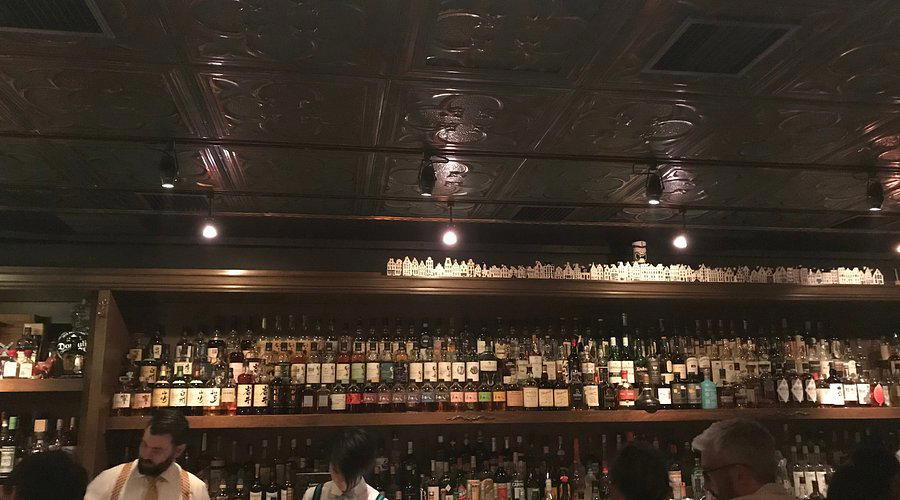
A small, mature, wood-warm room with counter seating and a single table, creating a calm and quietly focused atmosphere centered on watching yakitori prepared up close.