

Tabelog 100 #16
Our verdict
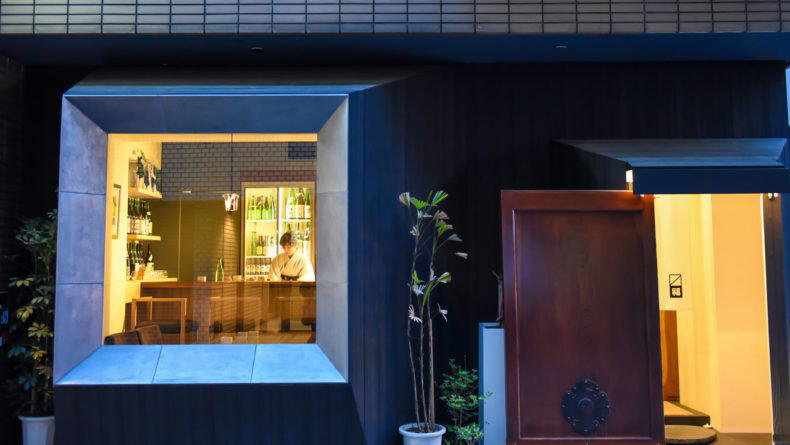
Kane Masu is a ranked izakaya in Kachidoki, central Tokyo, that has climbed the Opinionated About Dining Casual Japan list from #85 in 2025 to #52 in 2023, signalling consistent critical attention. Under chef Shohei Yasuda, the compact afternoon-and-early-evening format draws a focused crowd to a ground-floor space in the Kachidoki View Tower. Reservations and advance planning are advised given the limited operating window.

Pearl is the En Primeur Club membership app, where members save venues, book tables and use the concierge.
The menu
What to order
- Wagyu beef uni sushi
- Raw sea urchin rolled in beef
Kachidoki and the Waterfront Izakaya Tradition
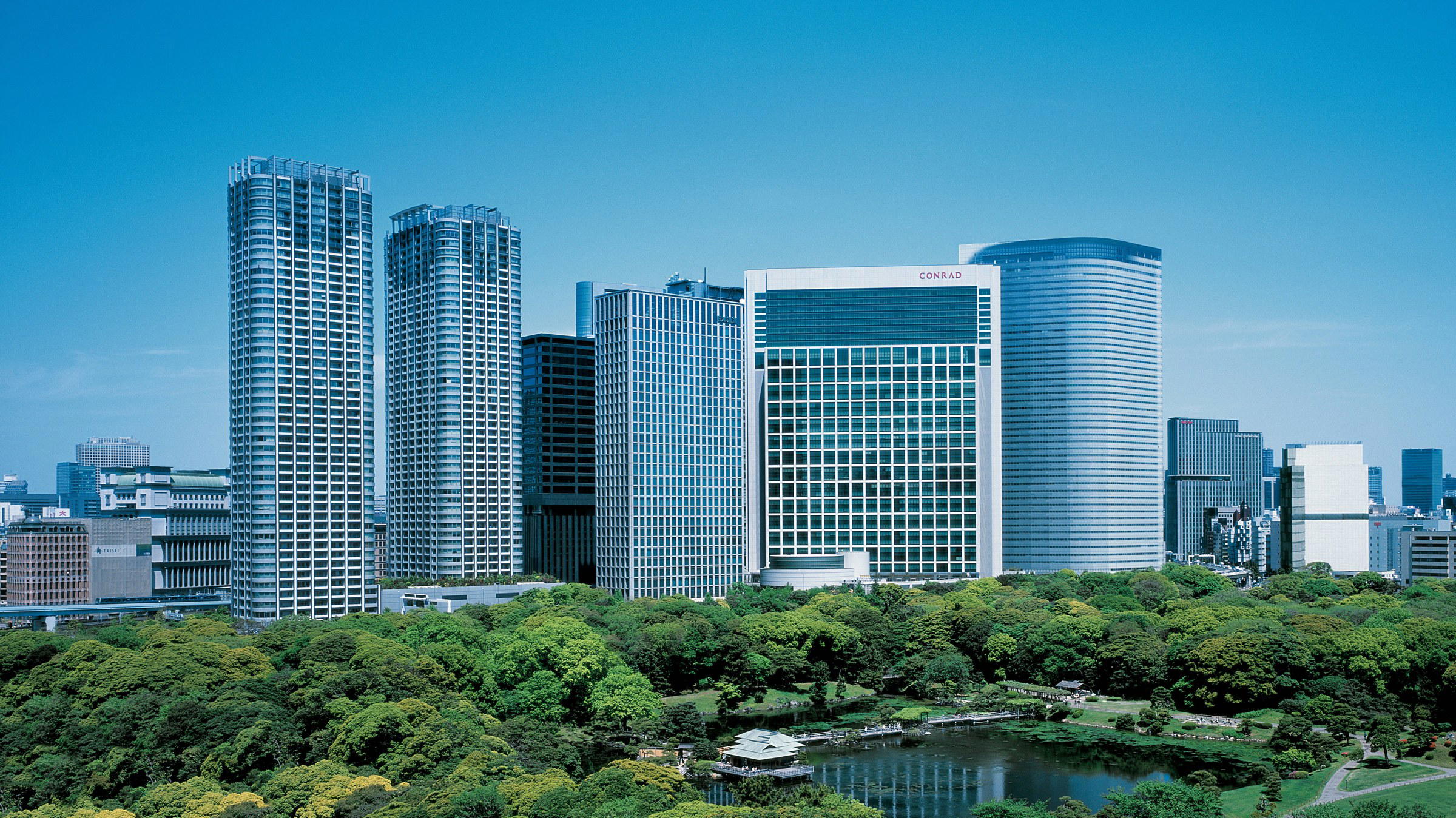
Kachidoki sits on a peninsula jutting into the Sumida River estuary, separated from Ginza by a single bridge and about a decade of gentrification momentum. The neighbourhood has historically attracted working residents rather than tourists, which means its food culture runs on regulars rather than destination traffic. That context matters when assessing what an izakaya achieves here: the format is accountable to a local audience with high daily-life standards, not to a visiting crowd content with atmosphere alone.
The izakaya category in Tokyo covers enormous ground, from fluorescent-lit standing bars to intimate counter spots that would qualify as omakase restaurants in other cities. The credible middle tier, where food quality is taken seriously without the kaiseki formality of venues like Gion Sasaki in Kyoto or the precision pressure of a three-star room, is where the most interesting dining in Tokyo often happens. Kane Masu operates in that tier.
Critical Trajectory and What the Rankings Signal
Opinionated About Dining runs one of the more demanding casual-restaurant lists in Japan, assembled from a network of frequent eaters rather than a single editorial voice. Kane Masu appeared at #52 on the OAD Casual Japan list in 2023, moved to #75 in 2024, and sits at #85 in 2025. The directional shift is worth reading carefully: ranking drops in a competitive list do not necessarily indicate declining quality; they can reflect an expanding pool of newly recognised venues. What the sustained presence across three consecutive years does confirm is that this is not a flash-in-the-pan opening but a venue with staying power in a category where turnover is high.
Harutaka and RyuGin occupy ¥¥¥¥ brackets with Michelin three-star designations; Den, at two Michelin stars, operates a more playful Japanese format at ¥¥¥. Kane Masu competes on the casual axis, where the assessment criteria weight value, consistency, and the specificity of the food rather than tasting-menu architecture. That is a harder category to sustain recognition in, because expectations reset faster. The continued OAD presence is a meaningful signal.
Tokyo's izakaya scene has its own geography of credibility. The Daikanyama Issai Kassai and Ginza Nominokoji Yamagishi operate in better-trafficked neighbourhoods with more established reputations for premium casual dining. A venue earning similar critical attention from the less obvious address of Kachidoki is doing something worth investigating.
Chef Shohei Yasuda and the Craft Behind the Counter
The editorial angle on any ranked izakaya ultimately comes back to the person running the kitchen, and the training and decisions that shape what arrives on the table. Chef Shohei Yasuda leads Kane Masu, and the venue's consistent OAD positioning across three years points to a kitchen with a defined point of view rather than a generalist menu assembled to satisfy a broad audience.
In the Tokyo izakaya category, the chefs whose venues earn sustained critical recognition tend to share a few characteristics: a specific regional or technique focus, sourcing relationships that go beyond standard wholesale suppliers, and a willingness to run a menu that reflects genuine conviction rather than crowd-pleasing breadth. The narrow operating window at Kane Masu, afternoons into early evening Tuesday through Friday, Saturday lunchtime only, closed Wednesday and Sunday, suggests a chef managing output quality by controlling volume. That kind of deliberate scheduling is more common at serious counter restaurants than at casual izakaya, and it reads as an intentional quality constraint rather than a capacity limitation.
What the format and the critical record do suggest is a kitchen operating with more discipline than the izakaya label might imply.
Casual dining at this level does not exist in isolation. Across Japan, the izakaya format has produced some of the most critically discussed venues of the past decade. Benikurage in Osaka and Berangkat in Kyoto both operate in the izakaya register while drawing critical recognition that would not embarrass a fine-dining address. The format, when executed with conviction, rewards serious attention.
Tokyo's broader dining circuit extends well beyond the casual category. HAJIME in Osaka, akordu in Nara, and Goh in Fukuoka represent the upper fine-dining register across the Kansai and Kyushu regions, useful framing for travellers building a longer Japan itinerary. Within Tokyo itself, venues like Ginza Shimada, Hakata Hotaru, and Hakata Issou fill different price and style positions in a city where the dining market is unusually deep at every tier.
For travellers whose itineraries extend beyond food, the full Tokyo restaurants guide, alongside EP Club's dedicated Tokyo hotels guide, Tokyo bars guide, Tokyo wineries guide, and Tokyo experiences guide cover the broader city map. For Japan across regions, 1000 in Yokohama and 6 in Okinawa extend the picture further.
Planning Your Visit
Kane Masu operates from its ground-floor space in the Kachidoki View Tower at 1-8-1 Kachidoki, Chuo City, Tokyo. The hours run 3 to 8 pm Monday, Tuesday, Thursday, and Friday; 11 am to 3 pm Saturday; closed Wednesday and Sunday. The compressed operating window means same-week availability is limited, and the venue's OAD profile has made it known enough that early planning is the practical approach. No booking method, price range, or phone number are currently confirmed in public records.
Quick reference: Kane Masu, 1-8-1 Kachidoki, Chuo City, Tokyo. Mon/Tue/Thu/Fri 3-8 pm, Sat 11 am-3 pm, closed Wed/Sun. OAD Casual Japan ranked #52 (2023), #75 (2024), #85 (2025).
Frequently asked questions
What's the must-try dish at KANE MASU?
Chef Shohei Yasuda drives the menu, and the format rewards going with whatever is being poured and plated that afternoon. Visiting during the 3–8 pm window on a weekday gives the clearest picture of what the kitchen is focused on.
When can I go to KANE MASU?
Hours at KANE MASU: Hours: Monday 3–8 pm Tuesday 3–8 pm Wednesday Closed Thursday 3–8 pm Friday 3–8 pm Saturday 11 am–3 pm Sunday Closed.
Where exactly is KANE MASU?
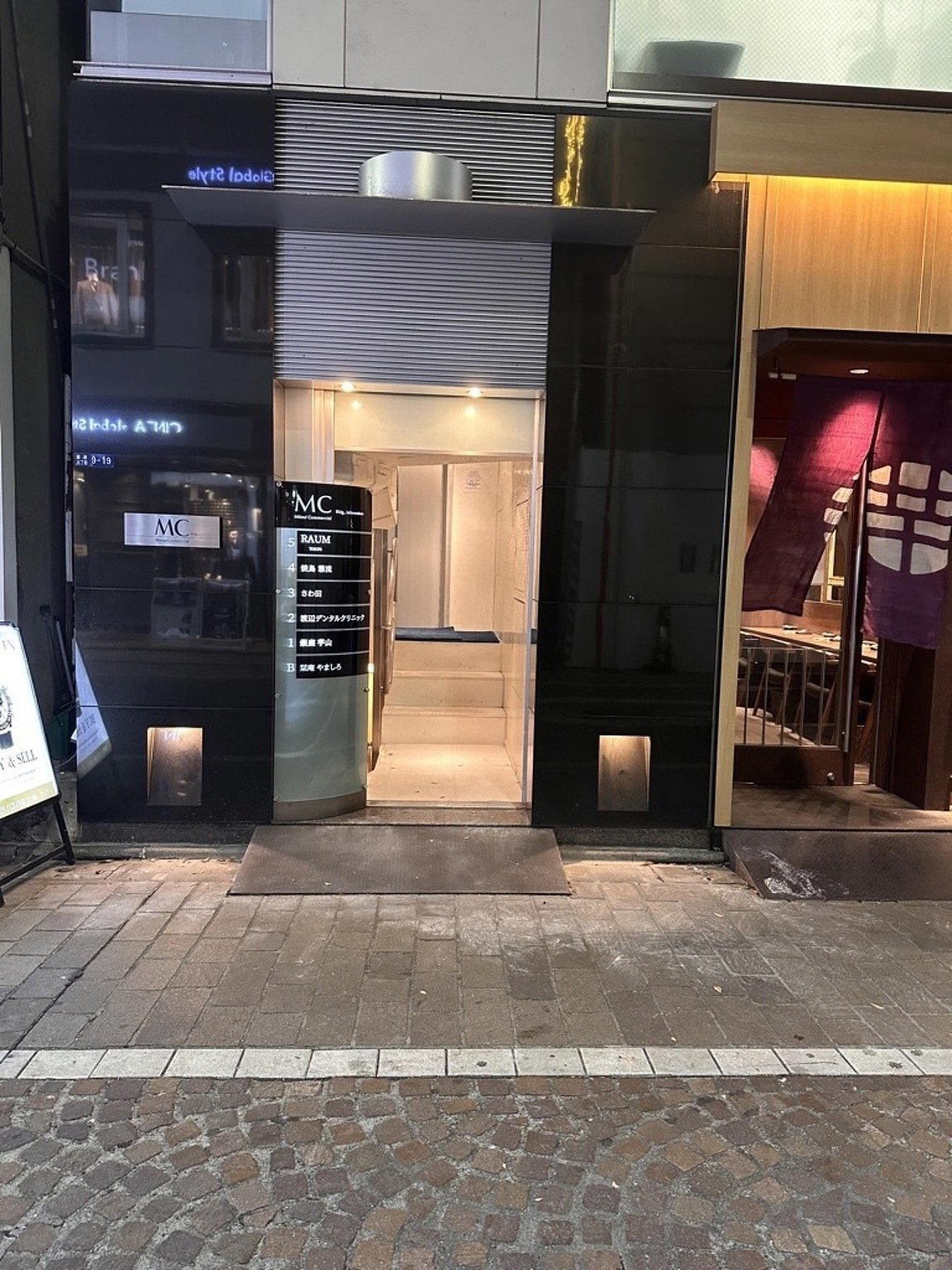
KANE MASU is located at Japan, 〒104-0054 Tokyo, Chuo City, Kachidoki, 1 Chome−8−1 勝どきビュータワー 1F, Tokyo.
Which chef is KANE MASU associated with?
The chef associated with KANE MASU is Shohei Yasuda.
Recognition Snapshot
| Venue | Cuisine | Price | Awards | Notes |
|---|---|---|---|---|
| KANE MASUThis venue (the venue you are viewing) | Seafood Izakaya | Not listed | Tabelog 100 #16 | Not listed |
| Harutaka | Edo-Style Omakase Sushi | $200–300 | 3 Michelin Stars · World's 50 Best #76 | Sushi |
| RyuGin | Modern Kaiseki | $500+ | 3 Michelin Stars · World's 50 Best #41 | Kaiseki, Japanese |
| L'Effervescence | Modern French with Japanese Influences | $200–300 | 3 Michelin Stars · World's 50 Best #69 | French |
| HOMMAGE | Modern French with Japanese Influences | $150–200 | 2 Michelin Stars · World's 50 Best #78 | Innovtive French, French |
| MAZ | Innovative Peruvian-Japanese Fusion | $150–200 | 2 Michelin Stars · World's 50 Best #28 | Innovative |
Recognition history
Dated appearances from independent guides and award organizations, with the underlying list record or original source where available.
Opinionated About Dining Casual in Japan Ranked #83
Opinionated About Dining
Tabelog 100 #16 · No. 16
Tabelog · Tabelog 100 - Tachinomi - 2025
Full recognition history (5 entries)
Opinionated About Dining Casual in Japan Ranked #85
Opinionated About Dining
Opinionated About Dining Casual in Japan Ranked #75
Opinionated About Dining
Opinionated About Dining Casual in Japan Ranked #52
Opinionated About Dining
Continue exploring
More in Tokyo
Restaurants in Tokyo
All restaurants in Tokyo →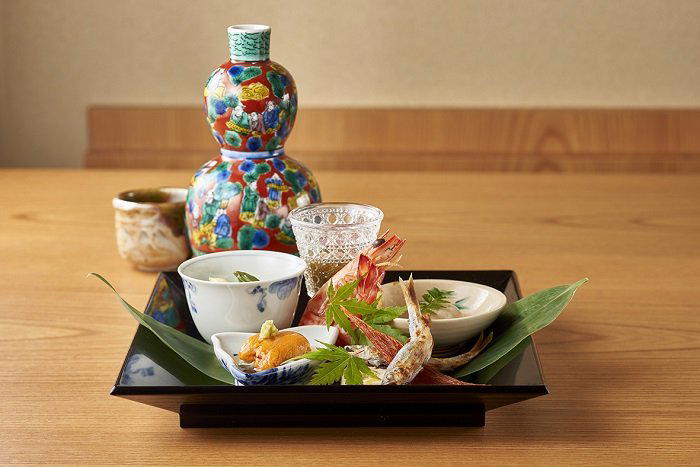
Bars in Tokyo
All bars in Tokyo →

Details
- Lively
- Casual
- After Work
- Casual Hangout
- Standalone
- Sake Program
- Local Sourcing
- A La Carte
- Small Plates
- Pescatarian Friendly
Current opening hours
- Monday
- 3–8 PM
- Tuesday
- 3–8 PM
- Wednesday
- Closed
- Thursday
- 3–8 PM
- Friday
- 3–8 PM
- Saturday
- 11 AM–3 PM
- Sunday
- Closed
Hours can change for holidays and private events. Hours as of .
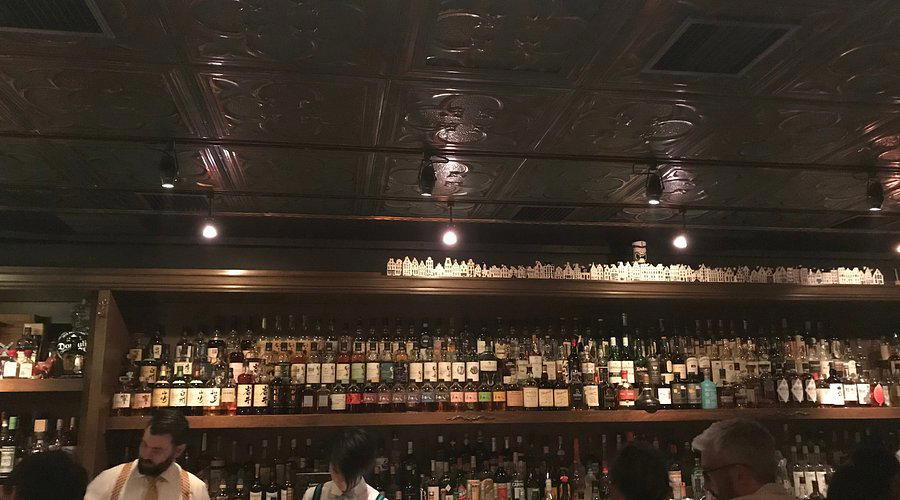
Bustling standing bar atmosphere with no seating, tight space focused on quick, high-quality seafood dining.