Our verdict
Located in Chuo Ward, Chiba, Gin Sushi occupies a residential address in Shirahata that sits well outside the city's main commercial corridors. Chiba's sushi scene tends to draw on Tokyo Bay's proximity and access to Choshi-sourced fish, and Gin Sushi operates within that tradition. Visitors familiar with the wider Kanto sushi circuit will find a neighbourhood-level counter that rewards local knowledge over destination foot traffic.

Pearl is the En Primeur Club membership app, where members save venues, book tables and use the concierge.
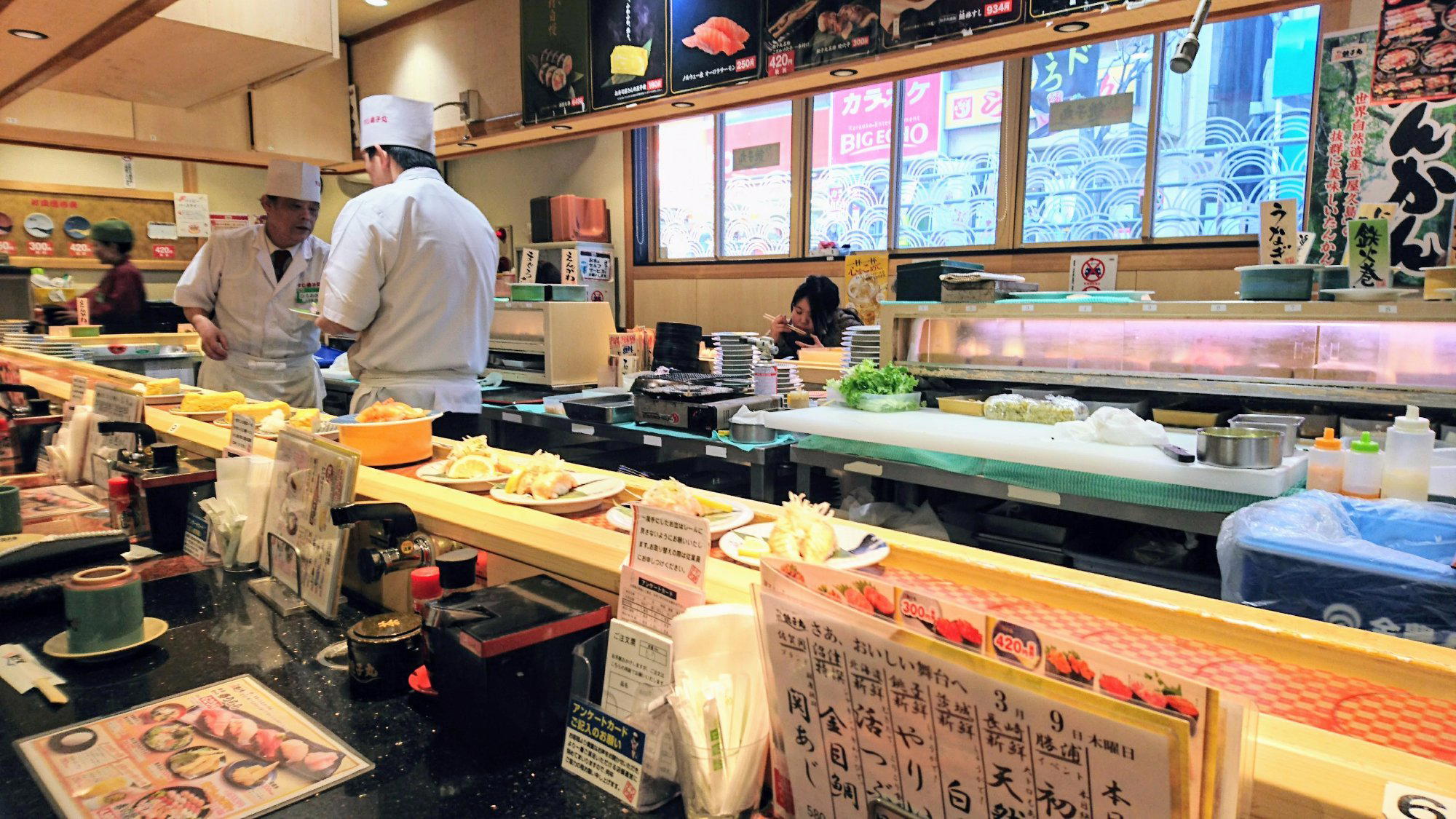
A Neighbourhood Counter in Chiba's Sushi Circuit
Chiba's relationship with sushi is older and quieter than its proximity to Tokyo might suggest. The city sits at the edge of Tokyo Bay and within reach of Choshi, one of Japan's highest-volume fishing ports on the Pacific coast of Chiba Prefecture. That geography shapes how the prefecture's serious sushi counters source their fish: local boats, morning markets, and relationships with Choshi's landing docks rather than the centralised routing through Toyosu that characterises much of the capital's supply chain. Gin Sushi, addressed at 2 Chome-5-9 Shirahata in Chuo Ward, operates in that neighbourhood-counter tradition, the kind of establishment the Kanto region produces in relative silence compared to its Tokyo counterparts.
Shirahata is a residential district within Chiba's central ward, removed from the transit-facing commercial strips that concentrate most of the city's visible dining. Addresses like this one tend to service regulars rather than first-time visitors, and the sushi counters that occupy them usually depend on consistent sourcing credibility and word-of-mouth rather than guidebook placement. Across the wider Chiba dining scene, from the sushi-focused rooms tracked in our full Chiba restaurants guide to crossover formats like BAMBOU and Indian Ryori Sitar, the city's dining character has always been more neighbourhood-embedded than destination-facing.
Sourcing Logic in the Kanto Sushi Tradition
The ingredient sourcing question is where Chiba's sushi counters carry genuine structural advantage over comparable rooms in central Tokyo. Choshi Port, roughly 90 kilometres up the Pacific coast, is among the most significant landings in Japan for mackerel, sardine, saury, and squid. Closer to Chiba city, Tokyo Bay continues to produce small catches of kohada and various shellfish, though volumes have tightened significantly over recent decades as the bay's ecology has shifted. Counters in the prefecture that work directly with local suppliers or attend local morning markets access that material before it joins the redistribution networks that feed Toyosu.
That supply logic distinguishes the prefecture's neighbourhood sushi rooms from their Tokyo equivalents at similar price points. A counter sourcing locally in Chiba may put fish on the board that a Tokyo restaurant at the same tier would either not see or would pay significantly more to access. It is a structural argument for the prefecture's serious counters rather than a novelty claim, and it is the reason that Chiba's sushi circuit, including Sushiei and Takaoka, the latter operating at JPY 30,000 to JPY 39,999 per person, deserves consideration on its own terms rather than solely as a satellite of the Tokyo market.
Where Gin Sushi Sits Among Chiba's Counters
Chiba's sushi tier spreads across a range of formats and price points. At the upper bracket, counters like Takaoka price at omakase levels that compare directly with mid-range Tokyo rooms. Below that, a substantial number of neighbourhood counters operate on a more local rhythm: shorter menus, more accessible pricing, and a clientele that returns weekly rather than booking months in advance. Manzan represents another point in that spread.
For context, the distinction between Chiba's neighbourhood counters and the recognised rooms elsewhere in Japan is partly a function of visibility rather than quality. Japan's sushi scene has counters of serious calibre at every tier of population centre, and the Kanto region beyond Tokyo holds many that have never attracted guidebook attention. Rooms like Harutaka in Tokyo and Gion Sasaki in Kyoto represent the nationally recognised end of that spectrum. Chiba's neighbourhood counters occupy a different tier of the same tradition.
The Broader Japanese Sushi Counter Pattern
Across Japan, serious sushi counter culture has followed a recognisable pattern of decentralisation in recent years. The concentration of Michelin attention in Tokyo, Osaka, and Kyoto has created a widespread assumption that credential equals location, but the actual distribution of technically accomplished counters runs much wider. In Fukuoka, Goh operates in a kaiseki-adjacent format that demonstrates how provincial cities develop their own dining grammar. In Nara, akordu represents the incoming influence of international technique on regional Japanese dining. In smaller centres like Akita, affetto akita and the countryside rooms of Ajidocoro in Yubari District show how the pattern extends to genuinely peripheral addresses.
Gin Sushi fits within this wider decentralisation. A sushi counter in a residential Chiba ward is, structurally, part of the same culinary ecosystem as the starred rooms in the major cities, the same core technique, the same sourcing logic, the same reliance on the itamae-to-guest counter relationship. What differs is the audience, the booking pressure, and the price architecture. For travellers already visiting the Kanto region, and for residents of Chiba Prefecture specifically, the case for engaging with neighbourhood counters rather than defaulting to Tokyo options is partly economic and partly experiential. Rooms operating outside the guidebook tier tend to be more accessible on short notice and, in a prefecture with direct port access like Chiba's, no less interesting on the plate.
Planning Your Visit
Gin Sushi is located at 2 Chome-5-9 Shirahata, Chuo Ward, Chiba, a residential address that sits away from the main commercial circuits around Chiba Station. Visitors from Tokyo access Chiba city via the JR Sobu or Keiyo lines in under 40 minutes from central stations, making a Chiba dinner a practical option even on short itineraries. For the Shirahata area specifically, local transit or a short taxi from Chiba Station is the standard approach. Given the absence of a published website or booking platform in the current public record, direct enquiry at the address or through local referral is the appropriate method for confirming availability and current format. Japanese neighbourhood sushi counters of this type often operate on a small-seat basis, and walk-in availability can be limited on weekday evenings when local regulars hold most of the space. Arriving early or seeking local guidance is sensible. For comparable confirmed options in Chiba, Sushiei and Takaoka both have established records in the city's sushi circuit.
Frequently asked questions
Is Gin Sushi suitable for children?
Gin Sushi sits at a residential address in Chuo Ward, Chiba, away from the commercial bustle around Chiba Station. Sushi counters in this format tend toward quieter, focused environments where the rhythm of service matters, so young children who require significant noise or movement may not be the natural fit. Older children comfortable with a seated counter meal should be fine.
Is Gin Sushi formal or casual?
The address at 2 Chome-5-9 Shirahata places Gin Sushi in a residential pocket of Chiba rather than a high-visibility dining district, which typically signals a neighbourhood-register counter rather than a formal destination room. Treat it as you would a considered local counter: clean and presentable without requiring a jacket.
What should I order at Gin Sushi?
No specific menu details are documented for Gin Sushi. As a Chiba counter, the structural advantage lies in proximity to Choshi Port and Tokyo Bay sources, which historically means strong seasonal fish representation in Kanto-style sushi. Ask the counter staff what arrived that day, in counters of this type, the answer to that question shapes the meal.
At-a-Glance Comparison
Comparable venues nearby, for context on price, style, and recognition.
| Venue | Cuisine | Price | Awards | Notes |
|---|---|---|---|---|
| Gin SushiThis venue (the venue you are viewing) | Edo-mae Sushi | Not listed | Not listed | Not listed |
| Boushu En | Yakiniku (Japanese BBQ) & Horumon | $50–100 | Tabelog 100 #19 | Chuo Ward |
| BAMBOU | Traditional Tonkatsu | $10–20 | Tabelog 100 #68 | Moto Yawata |
| Private room Yakiniku GYU CHIBA | Private-room premium Yakiniku | $100–150 | Tabelog 100 #55 | Chuo Ward |
| Ura Musashi Ya Nishichiba honten | Iekei Ramen Shop | $10–20 | Tabelog 100 #29 | Nishi-Chiba |
| Seikou En | Traditional Yakiniku (Japanese BBQ) | $50–100 | Tabelog 100 #56 | Chuo-ku |
Continue exploring
More in Chiba
Restaurants in Chiba
All restaurants in Chiba →

Details
- Classic
- Elegant
- Date Night
- Special Occasion
- Sake Program
- A La Carte
Current opening hours
- Monday
- Closed
- Tuesday
- 5–11 PM
- Wednesday
- 5–11 PM
- Thursday
- 5–11 PM
- Friday
- 5–11 PM
- Saturday
- 12–9 PM
- Sunday
- 12–9:30 PM
Hours can change for holidays and private events. Hours as of .