
Tabelog 100 #29
Our verdict
Indian Ryori Sitar sits in Chiba's Hanamigawa Ward, where subcontinental cooking meets the quiet residential rhythms of Greater Tokyo's eastern fringe. The restaurant occupies a niche that few addresses in Chiba's dining circuit bother to fill: Indian cuisine interpreted with the care the Japanese word ryori demands. For travellers moving beyond the city centre, it offers a different register entirely from the sushi counters that dominate the local conversation.

Pearl is the En Primeur Club membership app, where members save venues, book tables and use the concierge.
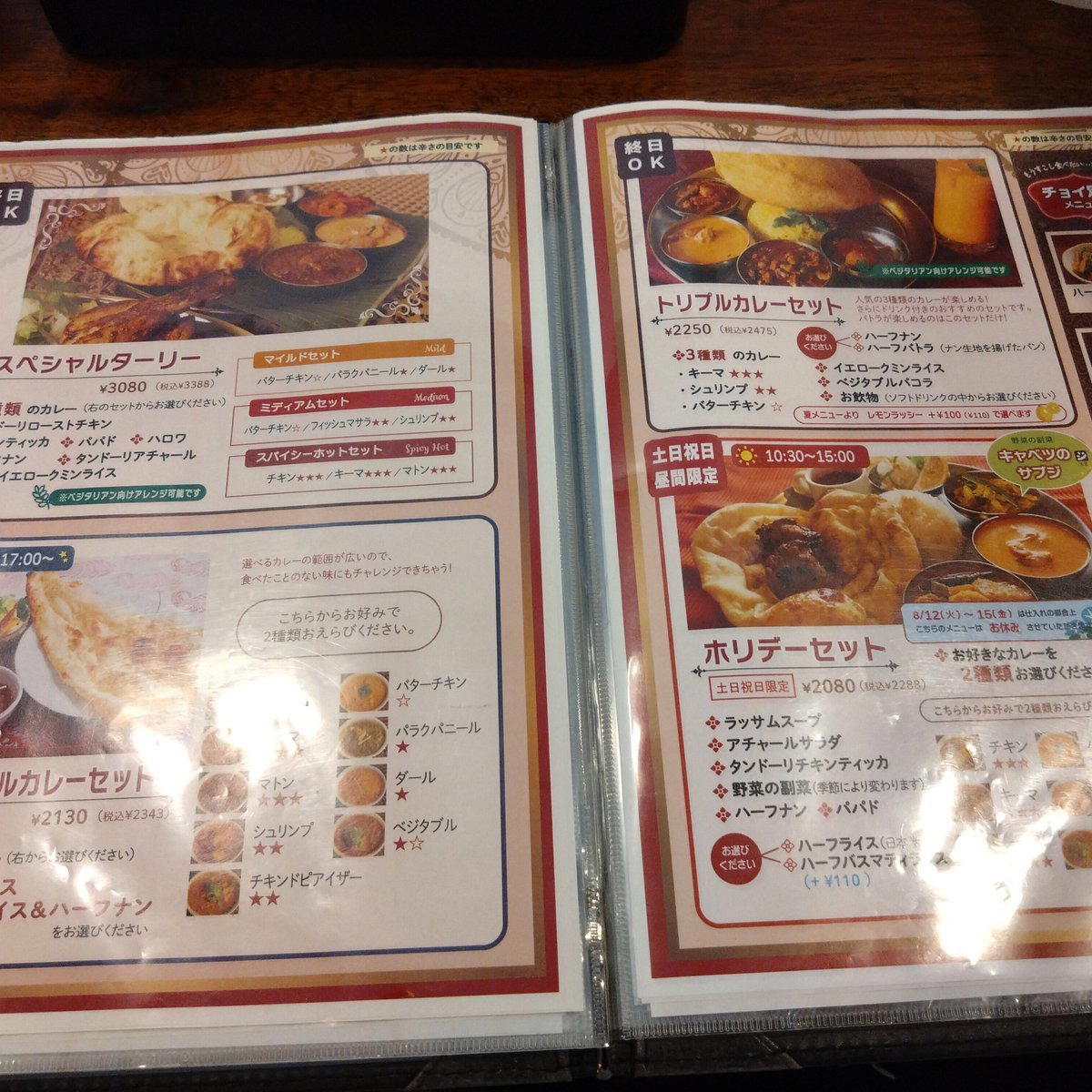
Where Subcontinental Cooking Meets Japanese Culinary Discipline
Hanamigawa Ward sits at the western edge of Chiba City, where residential streets run close to the Kemigawa coastline and the density of central Chiba gives way to quieter neighbourhood blocks. Dining in this part of the city operates differently from the JR Chiba station cluster: restaurants here tend to serve local regulars rather than commuters, and the competitive set is shaped less by tourism than by the expectations of households that eat out deliberately. Indian Ryori Sitar occupies an address at 1 Chome-106-16 Kemigawacho within that context, a postcode that signals neighbourhood permanence rather than passing trade.
The phrase ryori in the name carries weight in Japanese. It does not mean "food" in a casual sense; it implies the considered preparation of ingredients, a word associated with kaiseki, Japanese haute cuisine, and the discipline of treating raw materials with respect before they reach the table. Attaching it to Indian cooking is a deliberate act of framing. It suggests that whatever arrives at the table here is positioned inside Japan's broader culture of ingredient seriousness, even when the spice vocabulary comes from the subcontinent.
Sourcing Logic: Why Ingredients Matter in This Format
Indian cooking at its most direct is an argument about spice origin and freshness. Cumin that has sat in a warehouse for eighteen months behaves differently from cumin sourced close to harvest; ghee made from cultured butter from a single dairy carries a flavour profile that commodity clarified fat cannot replicate; fresh curry leaf wilts within days and is almost impossible to replicate with dried alternatives. These are not abstractions. They are the practical differences between a curry that tastes flat and one that has depth across multiple palate stages.
Japan has developed unusually rigorous supply chains for specialty ingredients over the past two decades. The same country that built traceability systems for wagyu and single-origin rice has also created import pathways for international specialty goods that smaller markets struggle to access. For an Indian restaurant operating in Greater Chiba, this matters because it means the foundational sourcing question, whether you can actually get good spices, whole and fresh, is not automatically answered by proximity to Tokyo. What distinguishes more serious Indian operations in Japan from convenience-tier equivalents is precisely this supply discipline: whether basmati is sourced from named northern Indian growing regions, whether the masalas are ground in-house rather than arriving pre-blended, whether the dairy components reflect the same sourcing care that Japanese kitchens apply to local produce.
Chiba's dining circuit is not short of variety, but it is dominated by Japanese formats. The sushi counters along this corridor, including Gin Sushi, Sushiei, and Takaoka, sit in a price band that ranges into the JPY 30,000-plus tier per head, where sourcing provenance is the central selling argument. An Indian restaurant operating in this same city, competing for the same dinner-occasion spending, faces a different sourcing communication challenge: the ingredients are less familiar to Japanese diners, which means the kitchen has to work harder to establish trust through consistency and depth of flavour rather than recognisable local-brand signals.
The Chiba Context: A City with Room for Specialist Formats
Chiba's restaurant scene operates in the shadow of Tokyo's pull, which means serious diners who want to travel for food tend to cross the prefecture line. For restaurants like BAMBOU and Manzan, building a regular local clientele is the sustainable model. The same logic applies to an Indian specialist in Hanamigawa: the customer base is almost certainly neighbourhood-rooted, which puts a premium on consistency over novelty. A kitchen that maintains the same spice quality across seasons is more valuable to a local regular than one that chases trend.
For travellers making deliberate food trips through the Kanto region, Chiba remains underexplored relative to its size. The city has a functioning fine-dining and neighbourhood-restaurant ecosystem that does not require a Tokyo connection to be worth visiting. For the kind of itinerary that might also include Harutaka in Tokyo or Gion Sasaki in Kyoto, Chiba offers a different register entirely. Our full Chiba restaurants guide maps the broader scene.
Across Japan, the most interesting specialist restaurants are not always the ones with the loudest critical profiles. HAJIME in Osaka, akordu in Nara, and Goh in Fukuoka all operate as deep specialists in cities where the dining scene rewards that kind of commitment. Indian Ryori Sitar, occupying a format that is genuinely sparse in Chiba's restaurant map, fits that structural pattern: a specialist in a city that does not oversupply what it offers.
Further afield, venues like 一本木 那谷川製 in Nanao, 夕仁山乃 in Sapporo, 湖畔荘庵 in Takashima, 庭羽屋 in Nishikawa Machi, and Birdland in Sakai illustrate how Japan's regional cities maintain distinct dining identities that resist flattening into Tokyo's model. Internationally, Le Bernardin in New York City and Atomix in New York City represent the kind of ingredient-led seriousness that translates across formats and geographies.
Planning a Visit
Indian Ryori Sitar is in Hanamigawa Ward at 1 Chome-106-16 Kemigawacho, Chiba. This part of the city is accessible by local rail from central Chiba station, with Kemigawahama station on the Chiba Monorail and Keisei lines serving the surrounding ward. The neighbourhood character is residential, and the surrounding streets are quiet in the evenings, which shapes the arrival experience: this is not a dining-district address but a community one.
Frequently asked questions
Is Indian Ryori Sitar a family-friendly restaurant?
The Hanamigawa Ward address places Sitar in a residential neighbourhood, a setting that generally suits family dining rather than high-volume city-centre formats. Indian cooking at this scale tends to accommodate varied palates across age groups, with spice levels adjustable by dish. Confirm details directly with the restaurant before visiting with young children, as specific seating arrangements are not documented.
What's the vibe at Indian Ryori Sitar?
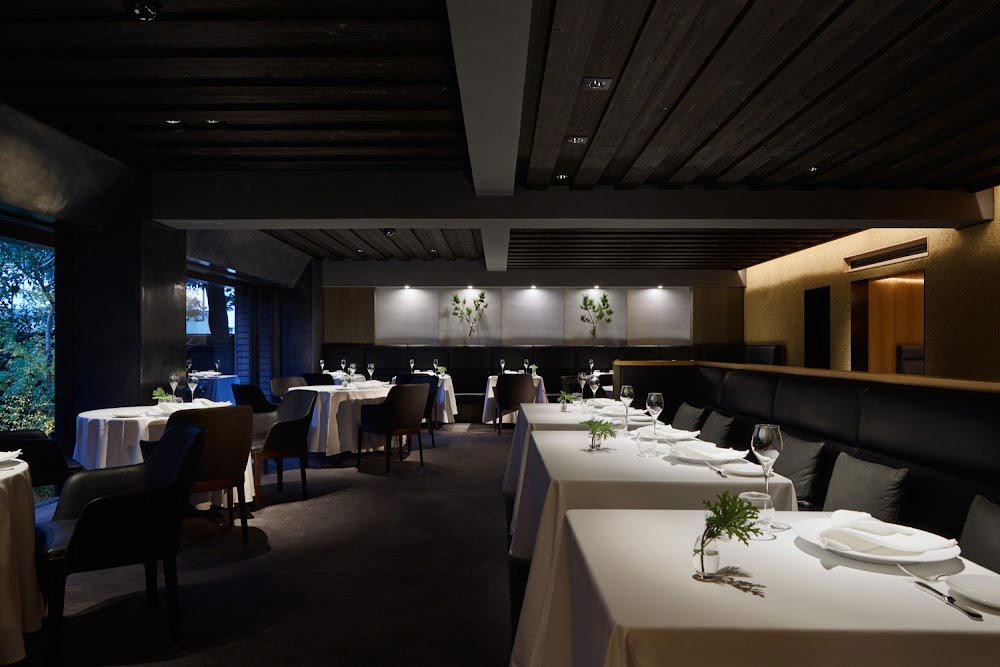
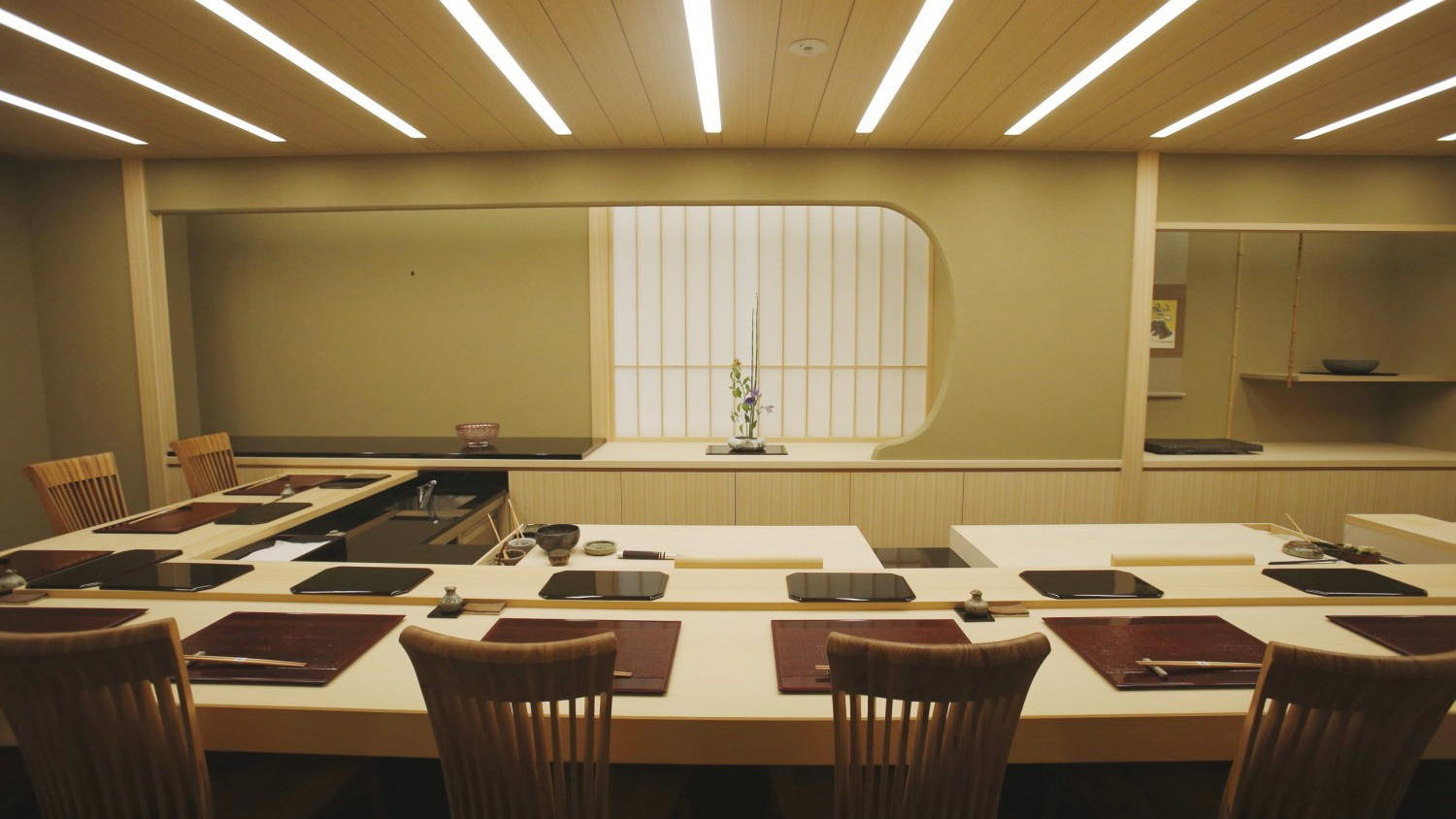
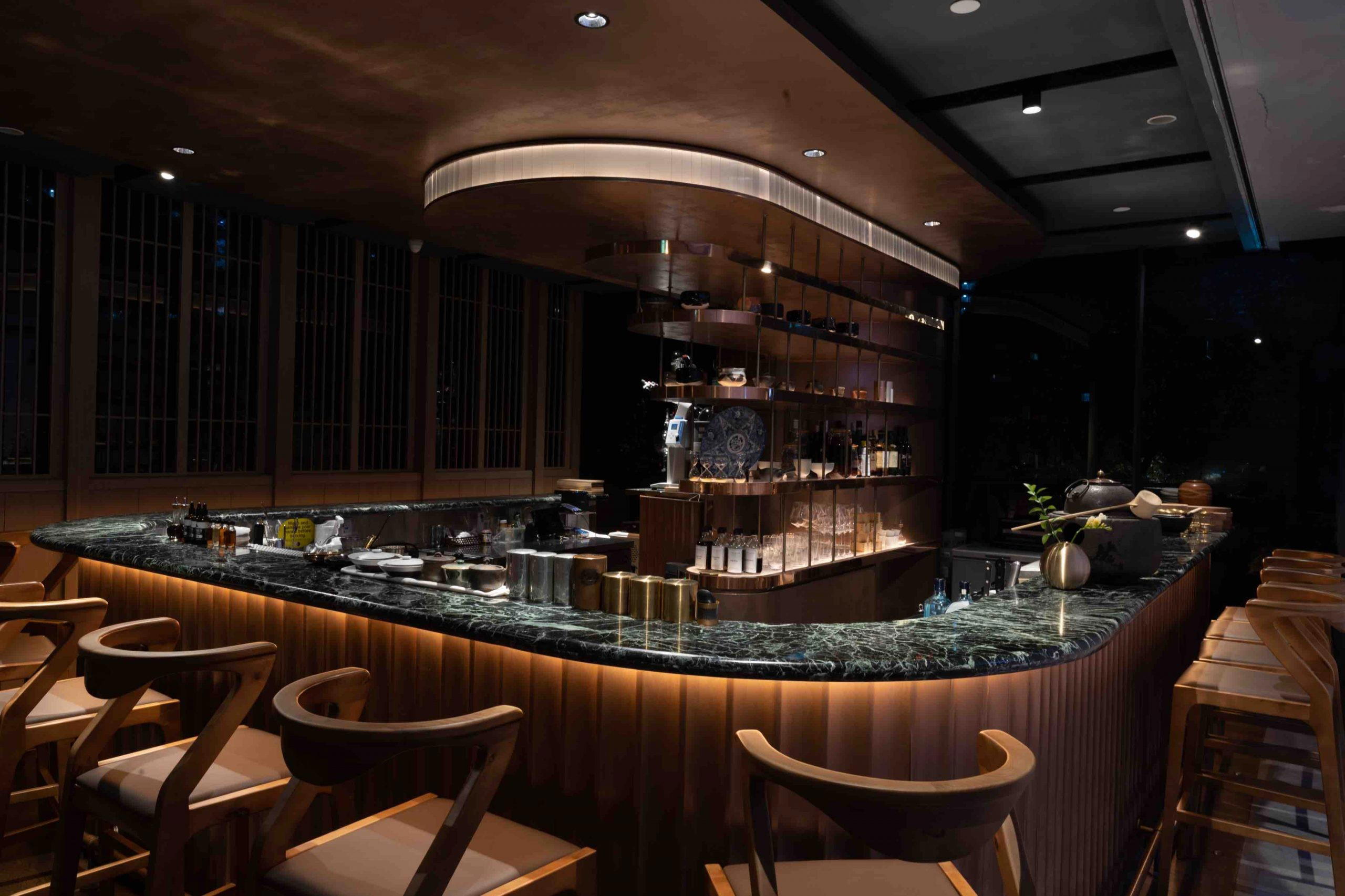
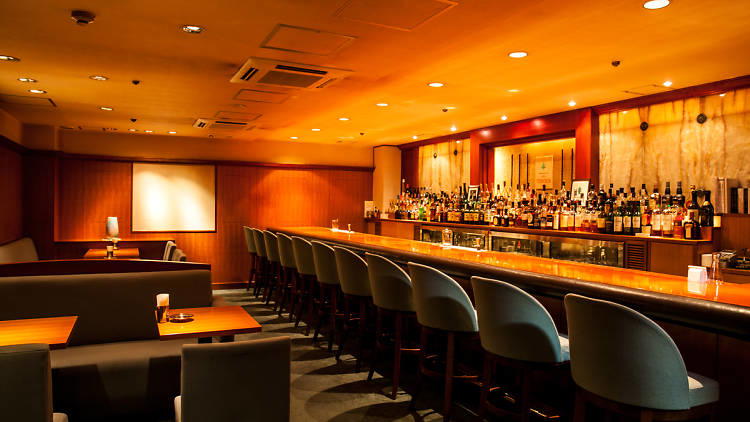
Sitar sits on a quiet residential street in Hanamigawa Ward, well away from the commercial density of central Chiba, which sets a more local, unhurried tone than you would find in a transit-hub dining district. The name 'Indian Ryori' signals a deliberate framing: Indian cooking read through the lens of Japanese culinary vocabulary, where 'ryori' implies craft and considered preparation rather than a casual curry house. Expect a neighbourhood specialist atmosphere rather than a high-footfall urban restaurant.
Is Indian Ryori Sitar worth travelling to from central Tokyo or Chiba Station?
Hanamigawa Ward is accessible by local rail from central Chiba, adding a transit step that most Tokyo diners would not take for a casual meal, so Sitar functions primarily as a neighbourhood specialist rather than a destination restaurant drawing prefecture-wide traffic. That said, Chiba's restaurant scene has limited depth in serious Indian cooking, which means the format occupies a relatively uncrowded position in the city. Travellers already in western Chiba have a clear reason to visit; those crossing from Tokyo would want to confirm the menu and booking situation first.
What should I eat at Indian Ryori Sitar?
Specific menu items are not publicly listed for Sitar, but the Indian ryori format points toward spice-forward dishes where ingredient freshness drives the result. Indian cooking at this register typically centres on curries, breads, and rice preparations built around whole and ground spices. Visiting during service and asking staff for the kitchen's current strengths is the most reliable approach.
A Quick Peer Check
Comparable venues nearby, for context on price, style, and recognition.
| Venue | Cuisine | Price | Awards | Notes |
|---|---|---|---|---|
| Indian Ryori SitarThis venue (the venue you are viewing) | Authentic Indian Curry | $20–30 | Tabelog 100 #29 | Not listed |
| Bengal Tiger | Modern Indian Fine Dining Course | $20–30 | Tabelog 100 #88 | Chuo-ku Matsunami |
| Ramen Sugita Ya Chiba yuukou ten | Traditional Yokohama Iekei Ramen | $1–10 | Tabelog 100 #72 | Chuo Ward |
| Tonkatsu Okura | Tonkatsu specialty restaurant | $10–20 | Tabelog 100 #77 | Mihama-ku |
| Le Coeur | Seasonal French Fine Dining | $50–100 | Tabelog 100 #42 | Chuo Ward |
| Curry Restaurant Shiba | Japanese Light India curry house | $20–30 | Tabelog 100 #98 | Inage |
Recognition history
Dated appearances from independent guides and award organizations, with the underlying list record or original source where available.
Tabelog 100 #29 · No. 29
Tabelog · Tabelog 100 - Asian cuisine / Ethnic cuisine - EAST - 2024
Continue exploring
More in Chiba
Restaurants in Chiba
All restaurants in Chiba →








Details
- Classic
- Casual Hangout
- Family
- A La Carte
- Vegetarian Friendly
Current opening hours
- Monday
- 10:30 AM–9:30 PM
- Tuesday
- 10:30 AM–9:30 PM
- Wednesday
- 10:30 AM–9:30 PM
- Thursday
- 10:30 AM–9:30 PM
- Friday
- 10:30 AM–9:30 PM
- Saturday
- 10:30 AM–9:30 PM
- Sunday
- 10:30 AM–9:30 PM
Hours can change for holidays and private events. Hours as of .
Classic and welcoming atmosphere in a longstanding neighborhood curry house.