

Tabelog Silver #129
Our verdict
Sushiei has operated in Chiba's Kasuga district since 1967, earning a Tabelog Silver Award in 2026 and consecutive placement on the Tabelog Sushi EAST 100 list. The 16-seat counter format, ten seats facing the chef, with private rooms alongside, prices dinners at JPY 30,000–39,999, positioning it among Chiba's serious omakase addresses rather than Tokyo's tourist circuit.

Pearl is the En Primeur Club membership app, where members save venues, book tables and use the concierge.
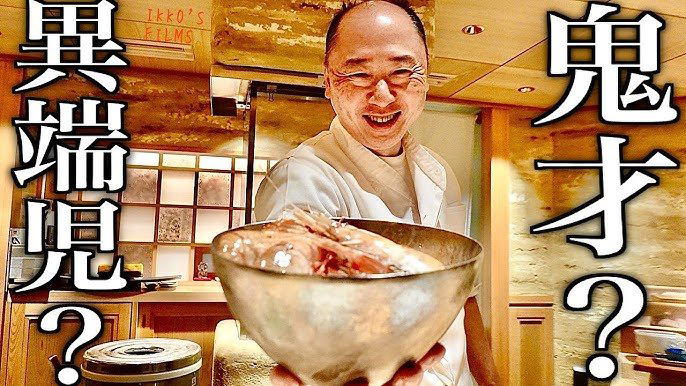
A Counter Older Than Most of Its Competitors
The senior tier of Japanese sushi, the counters that opened before omakase became an international shorthand for premium dining, operates on a different rhythm than the newer generation of reservation-driven rooms. These are places where the format was set long before the international food press arrived, where the house character accumulated over decades rather than being designed for an opening. Sushiei, which has operated from Chiba's Kasuga district since October 1967, sits in that generation. Most of the Tokyo counters that international visitors target today were not yet open when this one began service.
That longevity matters for what it signals. A counter that has held serious Tabelog scores across multiple award cycles, Bronze in 2023, 2024, and 2025, Silver in 2026, with a score of 4.37 and consecutive inclusion in the Tabelog Sushi EAST 100 in both 2022 and 2025, is not coasting on history. Opinionated About Dining, a separate evaluation system, ranked Sushiei at number 410 in Japan across all restaurants in both 2024 and 2025, with a recommendation in 2023 as well. That track record, sustained rather than occasional, is the relevant credential here.
What the Counter Format Produces
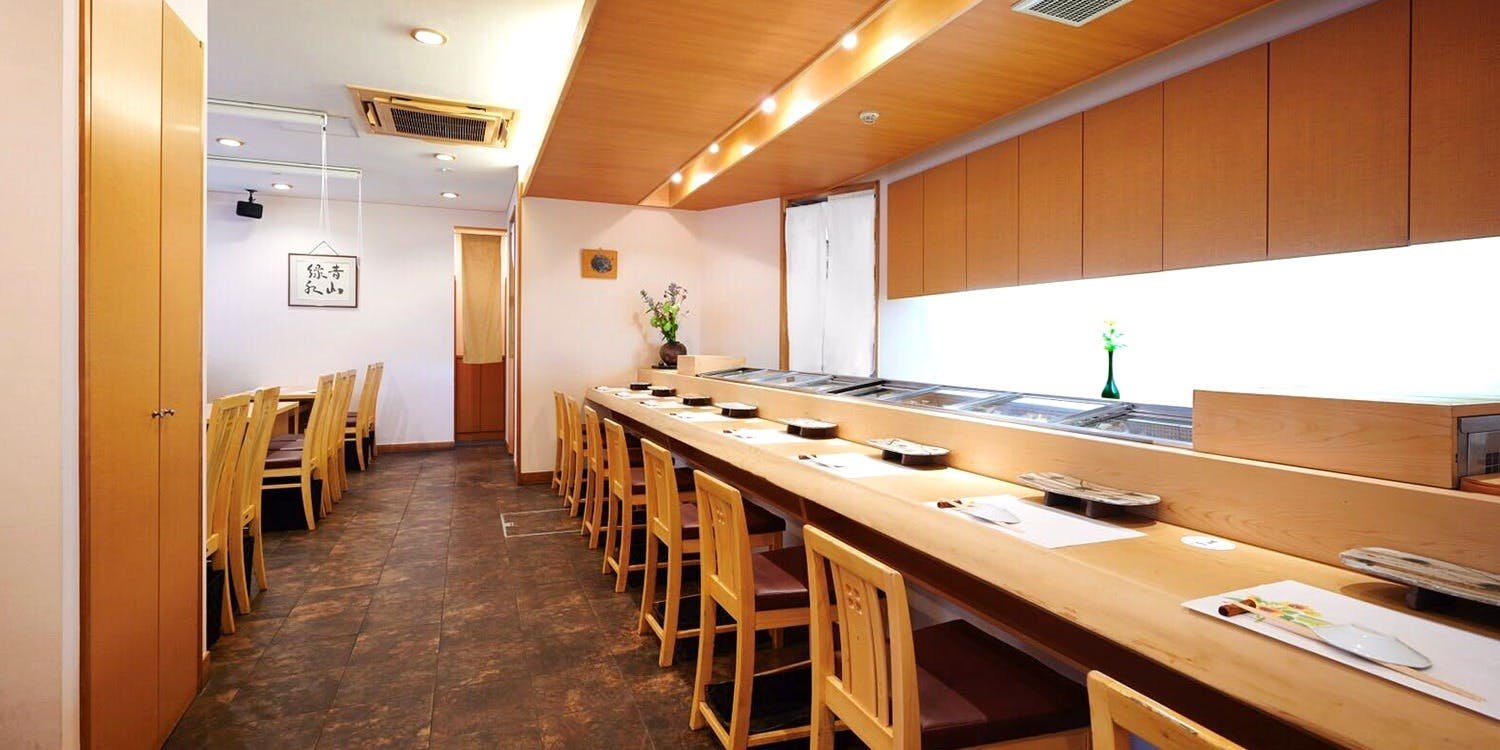
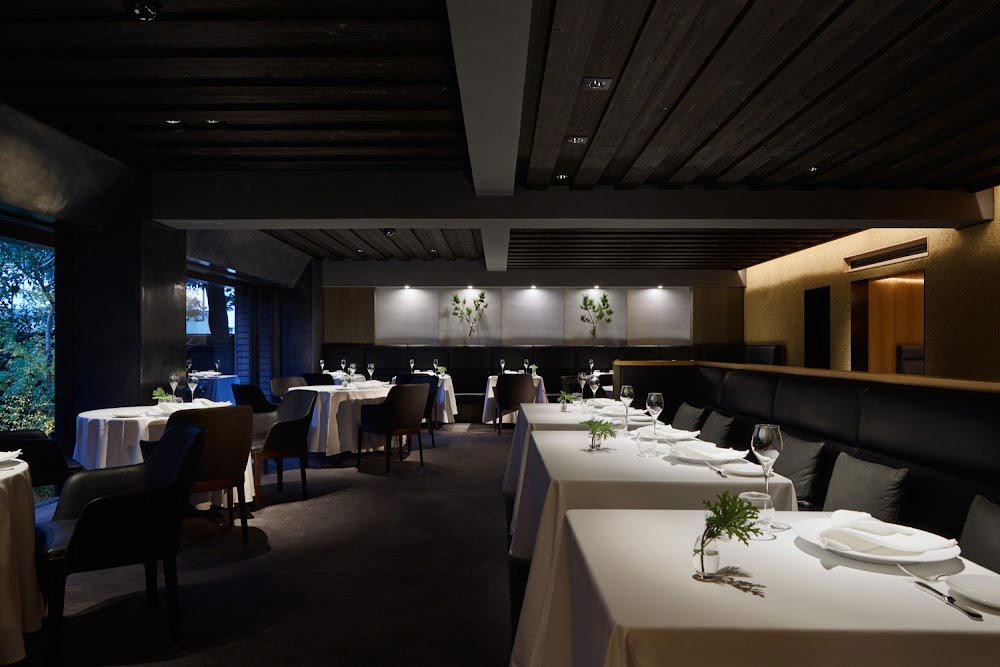
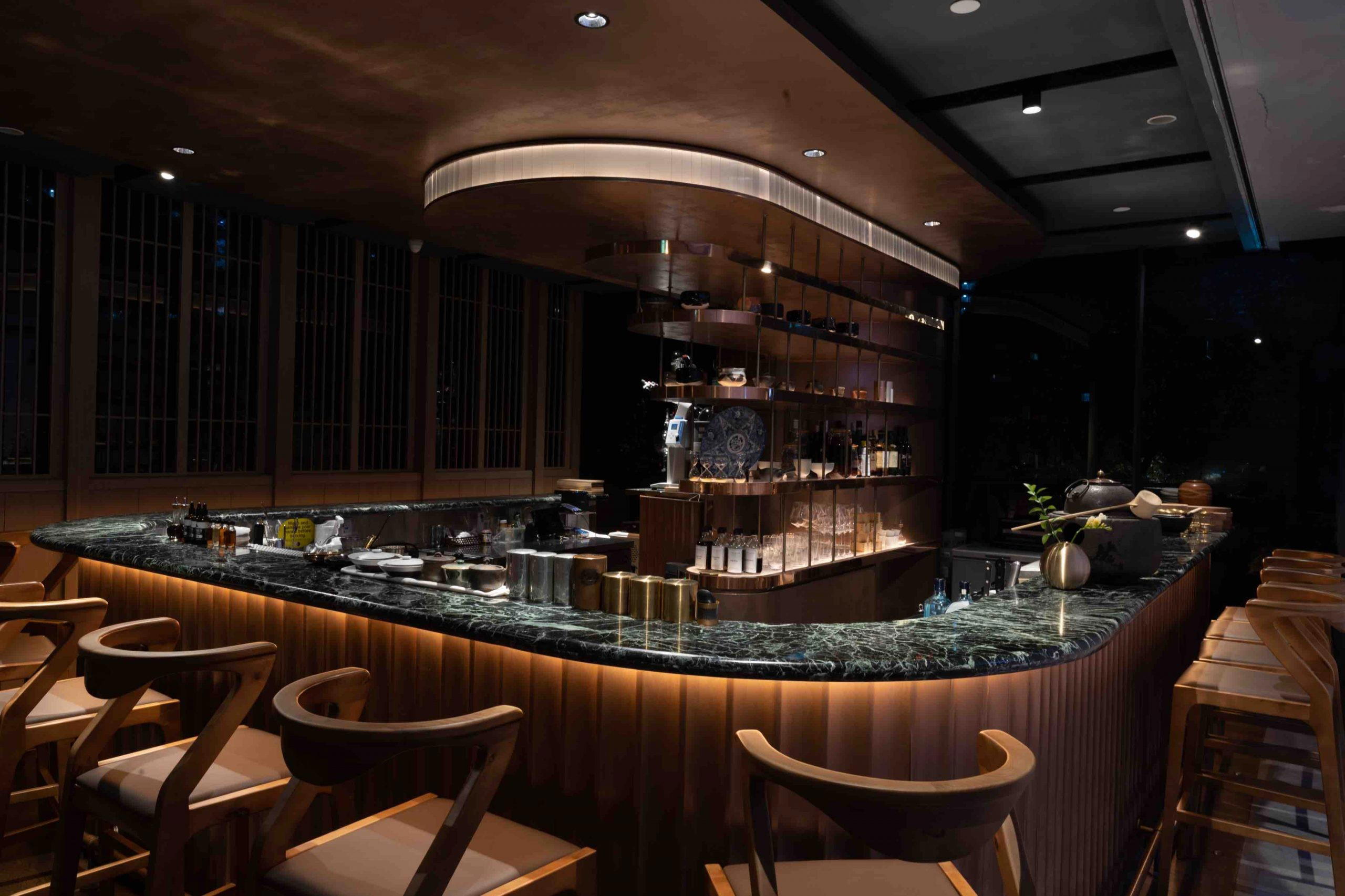
Ten of Sushiei's sixteen seats face the counter directly. Private rooms accommodate groups of two, four, or up to six, and the space can be taken over entirely for up to twenty people. But the counter is where the format earns its reputation. Proximity to the chef, specifically to Chef Kazuhiro Sato, is not incidental to this kind of dining; it is the mechanism through which the meal communicates. Watching the rice temperature managed in real time, seeing the sequence of fish determined by what the delivery brought that day, observing the pacing of a service that ends entries at 20:00 and runs until 23:00: these details are available only to the person seated three feet from the preparation.
The counter-as-theatre framing that applies to Tokyo's high-end omakase rooms applies here too, but without the self-consciousness that attaches to places opened specifically for that framing. Sushiei's counter existed before the format had a name in English. The choreography is not performed for the concept; it is simply how the work gets done at this level. The dress code reinforces the register: no sandals, tank tops, shorts, or perfume. This is a room that asks guests to arrive as participants in something that has been taken seriously for nearly sixty years.
The drinks program leans into sake with deliberate intent, the listing describes the restaurant as specifically focused on nihonshu, alongside shochu and wine. That curatorial approach to pairing is consistent with the counter format: the same attention applied to fish selection extends to what accompanies it.
Chiba's Position in the Regional Omakase Map
Chiba is not where international sushi coverage concentrates. Tokyo absorbs most of the attention for counter omakase in the Kanto region, and within Tokyo, Ginza and Minami-Aoyama carry the greatest density of recognised rooms. Sushiei operates outside that gravity field, which affects its audience and its pricing logic. At JPY 30,000–39,999 on the listed range, and JPY 40,000–49,999 based on actual review spending, it prices against serious Tokyo counters without carrying Tokyo's real estate premium or its international tourist surcharge.
Within Chiba, the peer group is small. Takaoka occupies a similar price tier (JPY 30,000–39,999) in the city's sushi category. BAMBOU, Manzan, Tenhaku, and Ushimaru round out the recognised names worth tracking in the city. For the broader context of what this recognition tier looks like elsewhere in Japan, counters such as Harutaka in Tokyo represent the capital's comparable bracket, while the regional spread of serious Japanese dining extends to HAJIME in Osaka, Gion Sasaki in Kyoto, akordu in Nara, and Goh in Fukuoka. For those approaching from the south of the Kanto region, 1000 in Yokohama provides another reference point. The international reach of Japan's counter sushi tradition is visible in recognised rooms like Sushi Shikon in Hong Kong and Shoukouwa in Singapore, both of which operate directly from the Tokyo lineage.
Sushiei does not compete in that international export category. It has remained in the same Kasuga address, serving a predominantly local audience, for nearly six decades. That rootedness is part of what the awards are recognising: consistency of execution within a single address, not mobility or expansion.
The Award Trajectory
The Tabelog award structure rewards sustained performance. Bronze represents placement roughly in the 3.5–4.0 scoring band for regional recognition; Silver requires a higher score threshold and places a counter among the top tier in its region. Sushiei's progression, three consecutive Bronze years followed by Silver in 2026, alongside two separate Tabelog Sushi EAST 100 selections, describes a counter moving upward through the recognition system rather than holding a static position. The 4.37 score that accompanies the 2026 Silver award is a meaningful data point: Tabelog scores at that level reflect a high volume of positive reviews against a demanding scoring system that defaults toward the mean rather than rewarding outliers.
The restaurant reopened on August 28, 2021, which contextualises the recent award run. The awards from 2023 onward are post-reopening, meaning the current iteration of the counter, whatever changes the reopening entailed, is what the scoring reflects.
Planning the Visit
Sushiei runs Tuesday through Saturday, 17:00 to 23:00, with the last entry at 20:00. Sunday and public holidays are closed. The reservation-only policy applies from 12:00 noon; the cancellation terms are structured firmly: 50% of meal cost for cancellations made three days in advance, 100% for same-day cancellations. Those terms are consistent with counters operating at this price level, where spoilage risk on premium fish makes an unoccupied seat a material cost. Credit cards are accepted; electronic money and QR code payments are not. A 10% service charge applies.
The counter is a three-minute walk from JR Nishichiba Station, 216 metres, making access from central Tokyo or across the JR network direct. No parking is available at the venue itself, though paid parking for ten cars operates nearby. The address is Kasuga 2-9-15, Clairmarronnier 101, Chuo Ward, Chiba.
For those planning a wider stay in the city, our full Chiba hotels guide covers accommodation options across the range. The full picture of what Chiba's dining scene offers is laid out in our full Chiba restaurants guide, with parallel coverage for bars, wineries, and experiences across the city.
Frequently asked questions
Where do I go for Sushiei?
Sushiei is located at Japan, 〒260-0033 Chiba, Chuo Ward, Kasuga, 2 Chome−9−15 クレールマロニエ 101 すし栄, Chiba.
Cuisine Context
Comparable venues nearby, for context on price, style, and recognition.
| Venue | Cuisine | Price | Awards | Notes |
|---|---|---|---|---|
| SushieiThis venue (the venue you are viewing) | Edomae Sushi Omakase | $500+ | Tabelog Silver #129 | Not listed |
| Tenpaku | Modern Tempura | Not listed | Tabelog Silver #140 | Chuo-ku |
| Gin Sushi | Edo-mae Sushi | Not listed | Not listed | Omoridai |
| BAMBOU | Traditional Tonkatsu | $10–20 | Tabelog 100 #68 | Moto Yawata |
| Hanamigawa Ootomi | Yakitori using Hinai-jidori chicken | $50–100 | Tabelog 100 #88 | Makuharihongo |
| Manzan | Authentic Sichuan Chinese | $500+ | Tabelog 100 #17 | Makuhari Hongo |
Recognition history
Dated appearances from independent guides and award organizations, with the underlying list record or original source where available.
Opinionated About Dining Top Restaurants in Japan Recommended
Opinionated About Dining
Tabelog Silver #129
Tabelog
Full recognition history (7 entries)
Opinionated About Dining Top Restaurants in Japan Ranked #410
Opinionated About Dining
Tabelog 100 #75 · No. 75
Tabelog · Tabelog 100 - Sushi - EAST - 2025
Tabelog Bronze
Tabelog
Opinionated About Dining Top Restaurants in Japan Ranked #410
Opinionated About Dining
Opinionated About Dining Top Restaurants in Japan Recommended
Opinionated About Dining
Continue exploring
More in Chiba
Restaurants in Chiba
All restaurants in Chiba →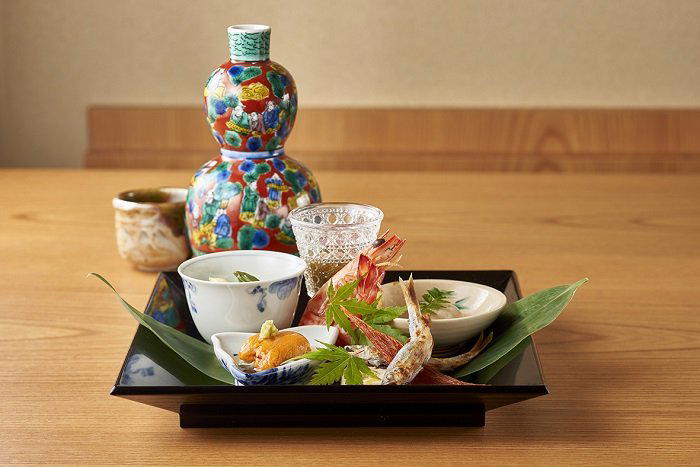





Details
- Elegant
- Intimate
- Sophisticated
- Special Occasion
- Date Night
- Chefs Counter
- Sake Program
- Counter Dining
- Omakase
Current opening hours
- Monday
- 5–11 PM
- Tuesday
- 5–11 PM
- Wednesday
- 5–11 PM
- Thursday
- 5–11 PM
- Friday
- 5–11 PM
- Saturday
- 5–11 PM
- Sunday
- Closed
Hours can change for holidays and private events. Last verified .
Intimate counter and private room setting with meticulous, leisurely service focused on sushi craftsmanship.