
A kaiseki counter in Higashiyama's Gion district, Gion Suetomo has climbed consistently through Opinionated About Dining's Japan rankings, reaching #332 in 2024 and #347 in 2025, with a Highly Recommended citation in 2023. Under Chef Hisashi Suetomo, the kitchen operates within a rigorous seasonal framework that places it in the mid-tier of Kyoto's demanding kaiseki hierarchy, serious without the ceremony of the city's most expensive rooms.
Pearl is the En Primeur Club membership app — saves, bookings, and concierge access live there. Same editors, same standards.
- Address
- Japan, 〒605-0811 Kyoto, Higashiyama Ward, Komatsucho, 151-73 建仁 寺南門前
- Phone
- +81 75-496-8799
- Website
- gionsuetomo.kyoto
- Directions
- Get directions
 Saves & bookings on Pearl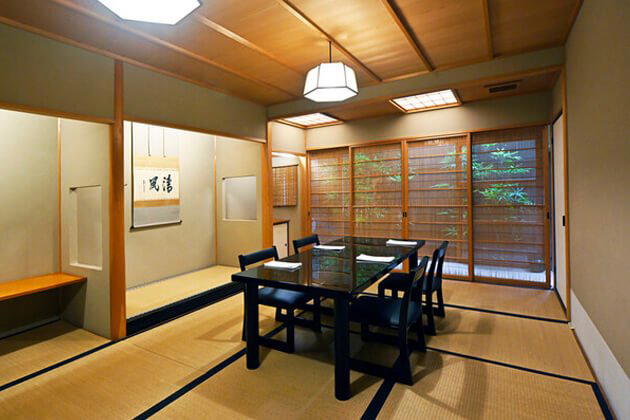
Where Gion's Back Streets Meet the Discipline of Kaiseki
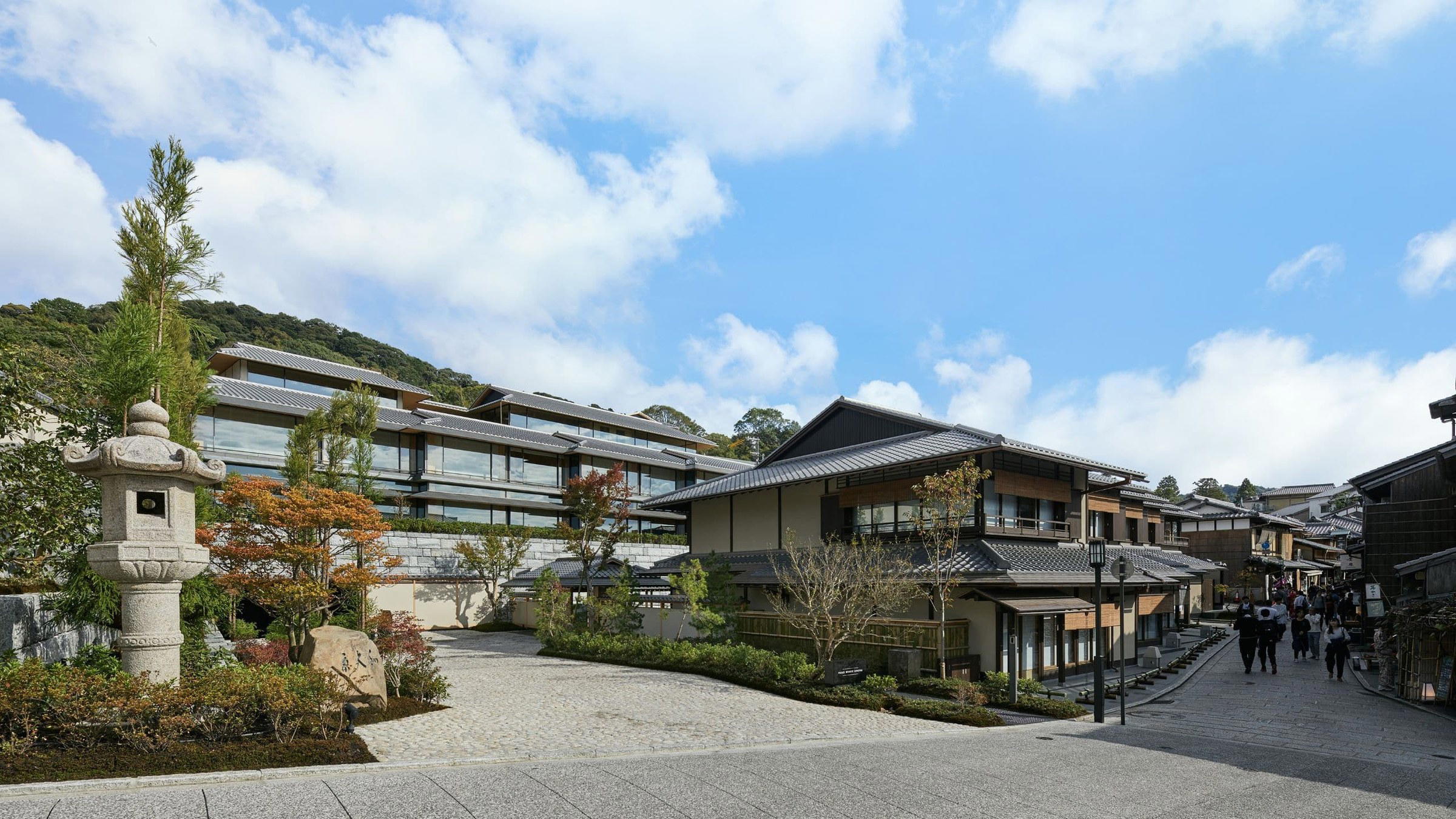
Approach Gion Suetomo from the south gate of Kenninji Temple, one of Kyoto's oldest Zen monasteries, founded in 1202, and the shift in atmosphere is immediate. The streets narrow, stone-flagged lanes give way to low wooden facades, and the ambient noise of central Gion recedes. This is Higashiyama's quieter residential edge, where the neighbourhood's famous machiya townhouses stand in various states of careful preservation. A kaiseki kitchen operating here occupies a particular kind of context: one in which restraint is architectural, seasonal, and social all at once. Gion Suetomo sits inside that tradition by geography as much as by menu format. It is a Kyoto restaurant serving Traditional Kyoto Kaiseki Omakase at about $100 per person.
Kaiseki in Kyoto's Mid-Tier: What the Rankings Reveal
Kyoto's kaiseki scene sorts itself with unusual clarity. At the summit, a handful of rooms, Kichisen, Gion Sasaki, Ifuki, hold Michelin stars and price accordingly, often requiring reservations months in advance and menus that run into five figures in yen. Below that, a second tier of serious but less formally decorated restaurants does the same foundational work: seasonal sourcing, the classical course progression from sakizuke through hassun to shokuji, and the kind of technical precision that only comes from years of repetition. Gion Suetomo operates within this second tier, and its trajectory through Opinionated About Dining's Japan rankings, Highly Recommended in 2023, #332 in 2024, #347 in 2025, reflects a kitchen that has sustained critical attention over multiple assessment cycles rather than peaking in a single year.
For context, OAD's Japan list aggregates assessments from a community of experienced eaters whose collective opinions tend to track kitchens that reward repeat visits rather than spectacle. Appearing consistently in that list, across three consecutive years, signals something about reliability of execution rather than novelty. The slight rank adjustment between 2024 and 2025 is less significant than the sustained presence: hundreds of kitchens across Japan rotate in and out of such lists annually. Among Kyoto kaiseki specifically, comparable mid-tier addresses drawing similar critical notice include Chihana, Doujin, and Hassun.
The Discipline Behind Simplicity
Kaiseki is often described through its luxury credentials: the lacquerware, the seasonal ingredients sourced at premium, the ceremony of presentation. That framing is accurate as far as it goes, but it obscures what makes a kaiseki kitchen succeed or fail at the foundational level. The discipline that produces a coherent kaiseki sequence is closer to what governs a great bowl of udon than it is to the theatre of a tasting-menu restaurant. Both depend on controlling temperature, texture, and timing across a sequence of moments; both punish overcomplication; both reward a cook who has made the same preparation so many times that judgment has become instinctive rather than calculated.
In that sense, the skills underpinning a kaiseki counter are less far from comfort food mastery than the format's formality suggests. The dashi that anchors the suimono course, for instance, demands the same attention to water temperature and kombu timing as the broth in a serious ramen shop. The rice that closes a kaiseki sequence, plain, steamed, often the meal's quiet climax, is evaluated by the same criteria as a bowl of good koshihikari at a neighbourhood restaurant: grain separation, moisture, temperature at service. Simplicity, in both contexts, is where technical discipline becomes visible rather than hidden. Chef Hisashi Suetomo's kitchen at Gion Suetomo operates within this tradition, where the apparent modesty of individual preparations is the point rather than a constraint.
Seasonal Rhythm and When to Visit
Kyoto kaiseki is governed by the agricultural and culinary calendar more rigorously than almost any other cuisine format. The transition seasons, spring from late March through May, and autumn from October through November, produce the ingredients that kaiseki menus are built around: bamboo shoots in April, ayu river fish in early summer, matsutake mushrooms in October, crab from November. Visiting during these windows means encountering menus at their most expressive, where seasonal produce is both at peak availability and most integrated into kitchen planning.
Summer in Kyoto brings its own logic: July and August are intensely humid, and kaiseki kitchens respond with lighter constructions, more vinegared preparations, and greater use of cold ceramics and chilled courses to offset the heat. Winter menus tend toward the restorative, built around root vegetables, hot pots, and the warming register of miso-based broths. Each season has its own argument, and serious kaiseki visitors often plan return trips to experience the same kitchen across different points in the year.
Finding Your Place in Kyoto's Wider Dining Picture
Kyoto rewards visitors who approach it with some understanding of how its restaurant tiers relate to each other. The star-holding rooms at the summit, Ifuki at two Michelin stars, Ankyu in the more intimate format, represent one kind of experience. The restaurant, operating with sustained OAD recognition but without the formal Michelin citation, represents another: serious technical work, a strong local reputation, and a lower barrier to booking than the city's most decorated addresses. For visitors who have already experienced Kyoto's star-holder tier, or who are coming specifically to understand the broader depth of the city's kaiseki tradition rather than its apex, this is exactly the kind of restaurant that justifies the trip.
Beyond Kyoto, the wider Kansai region and Japan's other food cities offer useful comparison points. HAJIME in Osaka and akordu in Nara represent the reach of fine dining outside the capital, while Tokyo's kaiseki tradition, represented by counters like Kikunoi Tokyo and Hirosaku, offers a useful contrast: both cities work from the same classical structure, but Kyoto's proximity to the original ingredient sources, the Nishiki Market, the local farms of the surrounding basin, the rivers of the Tamba region, gives its kaiseki a different grounding. Further afield, Harutaka in Tokyo, Goh in Fukuoka, 1000 in Yokohama, and 6 in Okinawa each illustrate how Japan's regional fine dining scenes have developed their own signatures beyond the Kyoto-Tokyo axis.
Planning Your Visit
The restaurant sits at 151-73 Komatsucho, Higashiyama Ward, Kyoto, south of Kenninji Temple's main gate. Reservations are essential, and the restaurant is open Monday through Sunday from 12 to 3 PM and 5 to 10 PM. The address puts it within ten minutes' walk of the main Gion-Shijo corridor and a short walk from the Keihan Line's Gion-Shijo station, making it accessible without requiring a taxi from central Kyoto. Booking in advance is advisable given the kitchen's sustained OAD recognition, particularly for dinner on weekends or during the peak spring and autumn seasons. Thursday is dinner-only (5 to 10pm); all other days offer lunch from noon to 3pm, with dinner from 5 to 10pm on days where both services run.
City Peers
Comparable venues nearby, for context on price, style, and recognition.
| Venue | Cuisine | Price | Notes |
|---|---|---|---|
| Gion SuetomoThis venue — the venue you are viewing | Traditional Kyoto Kaiseki Omakase | $$$$ | Not listed |
| Kawaguchi | Exclusive Kaiseki | $$$$ | Higashiyama |
| Sakamoto | Traditional Kyoto Kaiseki Omakase | $$$$ | Higashiyama |
| Kiyamachi Ran | Traditional Kyoto Sushi | $$$$ | Nakagyō |
| Tsukioka | Traditional Japanese Kaiseki & Tempura | $$$$ | Higashiyama |
| Tominokoji Yamagishi (富小路やま岸) | Kyoto Cha-Kaiseki | $$$$ | Nakagyo-ku |
Recognition history
Dated appearances from independent guides and award organizations, with the underlying list record or original source where available.
Opinionated About Dining Top Restaurants in Japan Recommended
Opinionated About Dining
Opinionated About Dining Top Restaurants in Japan Ranked #347
Opinionated About Dining
Opinionated About Dining Top Restaurants in Japan Ranked #332
Opinionated About Dining
Opinionated About Dining Top Restaurants in Japan Highly Recommended
Opinionated About Dining
Continue exploring
More in Kyoto
Restaurants in Kyoto
Browse all →
Bars in Kyoto
Browse all →
Hotels in Kyoto
Browse all →
Wineries in Kyoto
Browse all →
At a Glance
- Elegant
- Intimate
- Classic
- Quiet
- Sophisticated
- Special Occasion
- Celebration
- Date Night
- Chefs Counter
- Private Dining
- Open Kitchen
- Historic Building
- Sake Program
- Sommelier Led
- Local Sourcing
- Garden
Current opening hours
- Monday
- 12–3 PM, 5–10 PM
- Tuesday
- 12–3 PM, 5–10 PM
- Wednesday
- 12–3 PM, 5–10 PM
- Thursday
- 12–3 PM, 5–10 PM
- Friday
- 12–3 PM, 5–10 PM
- Saturday
- 12–3 PM, 5–10 PM
- Sunday
- 12–3 PM, 5–10 PM
Hours can change for holidays and private events. Last verified .
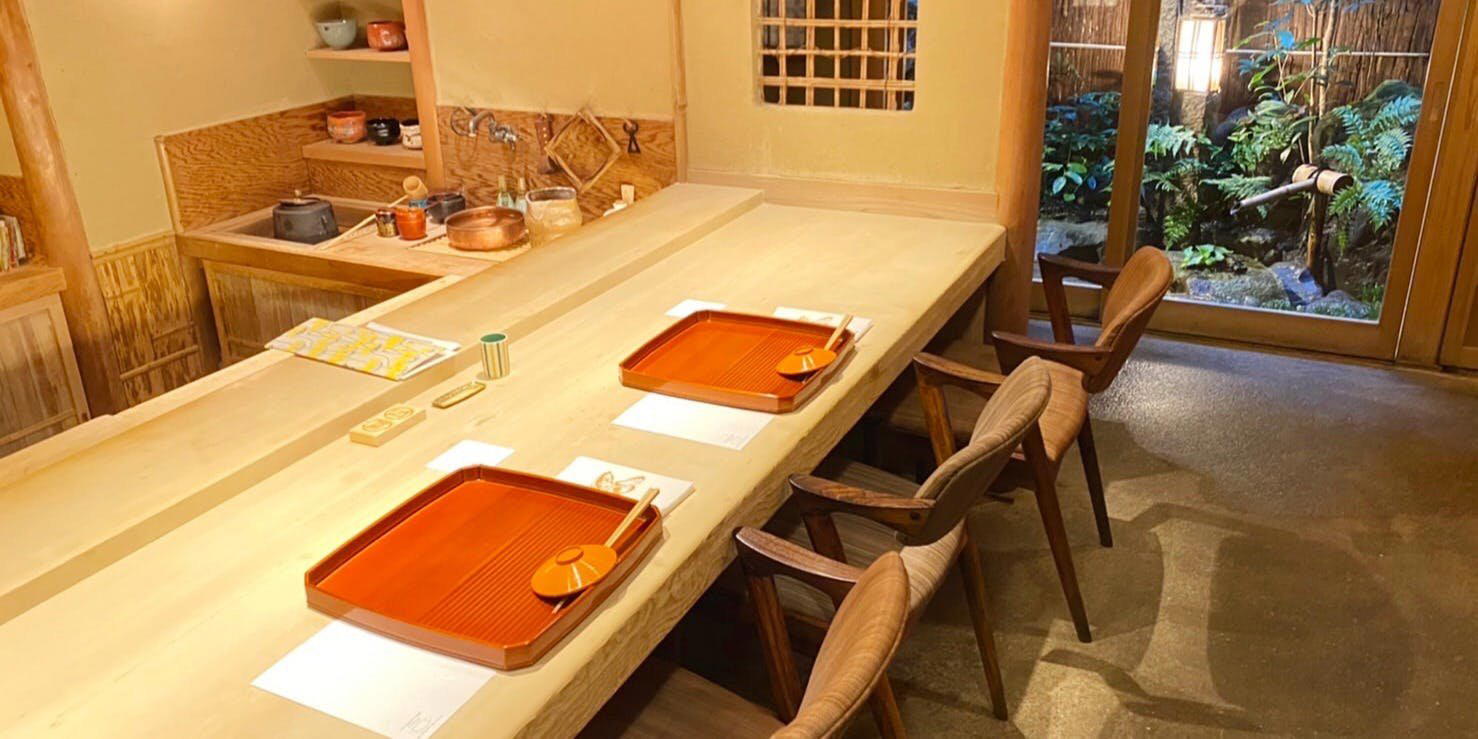
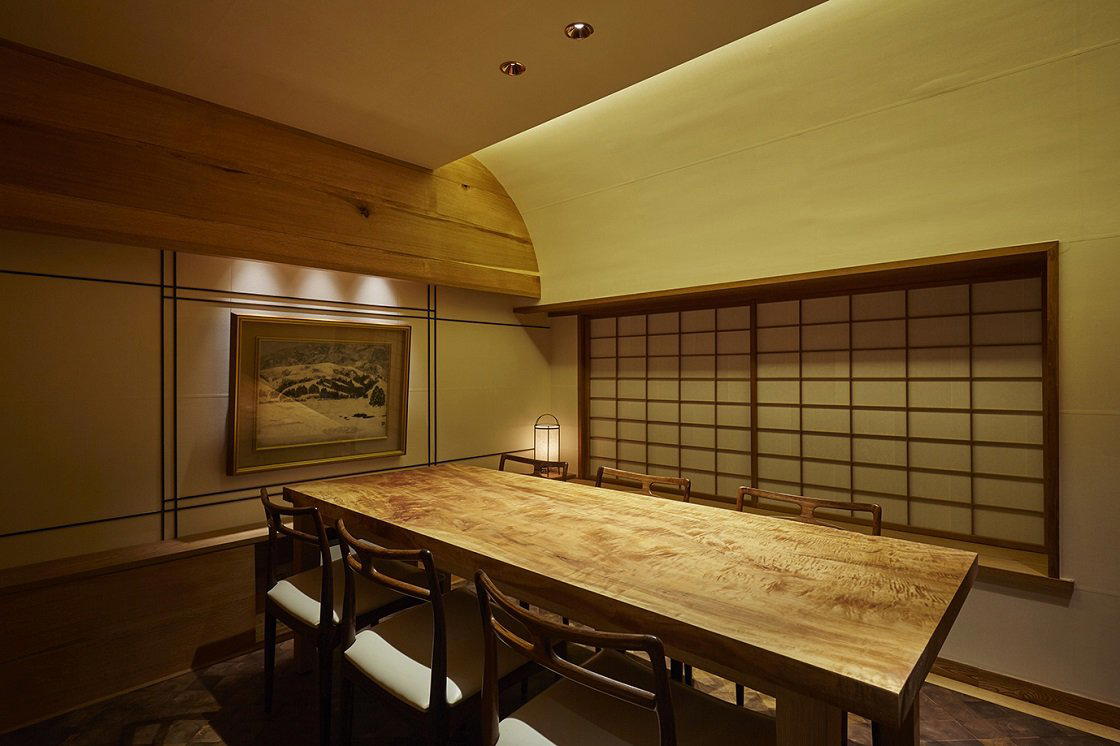
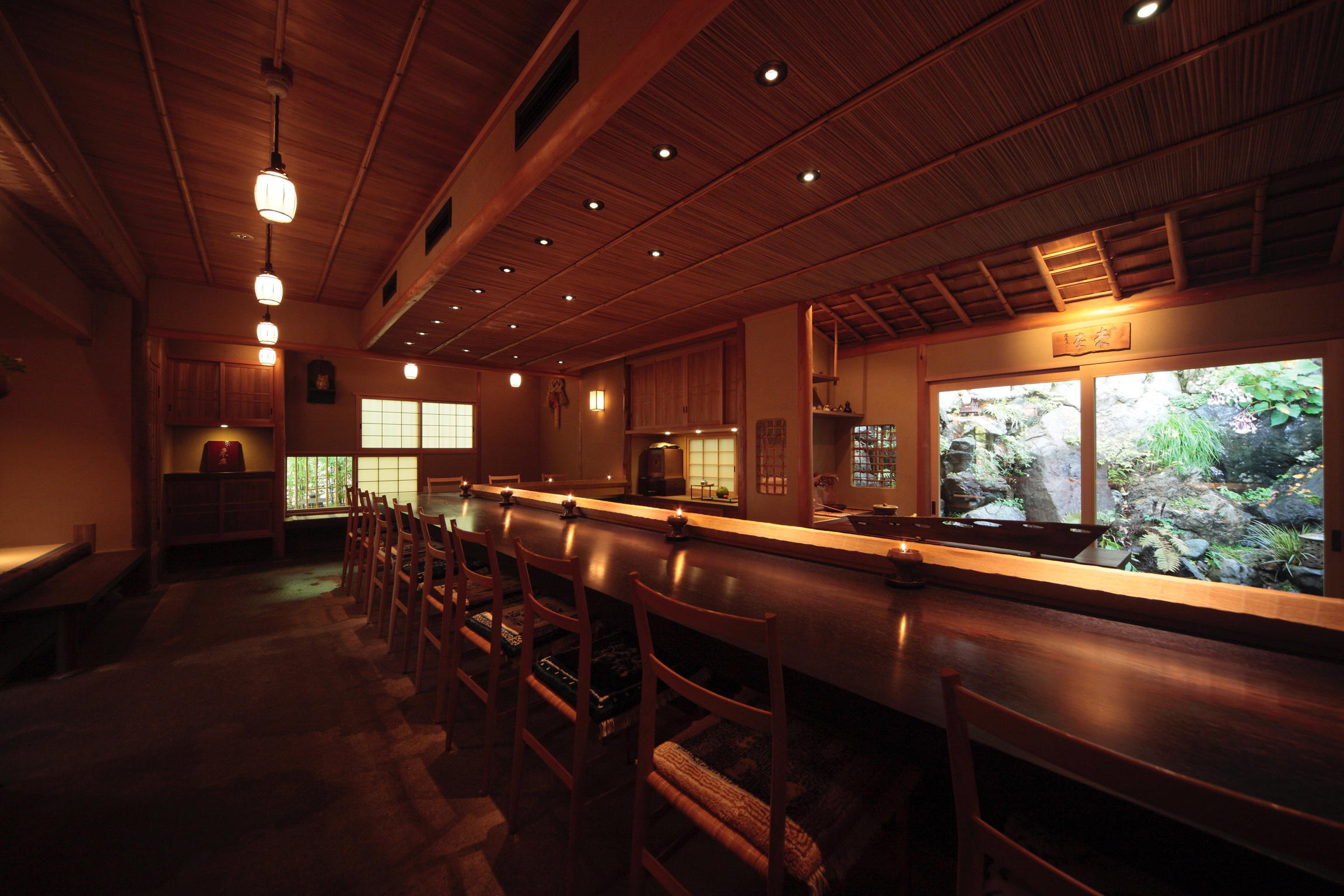
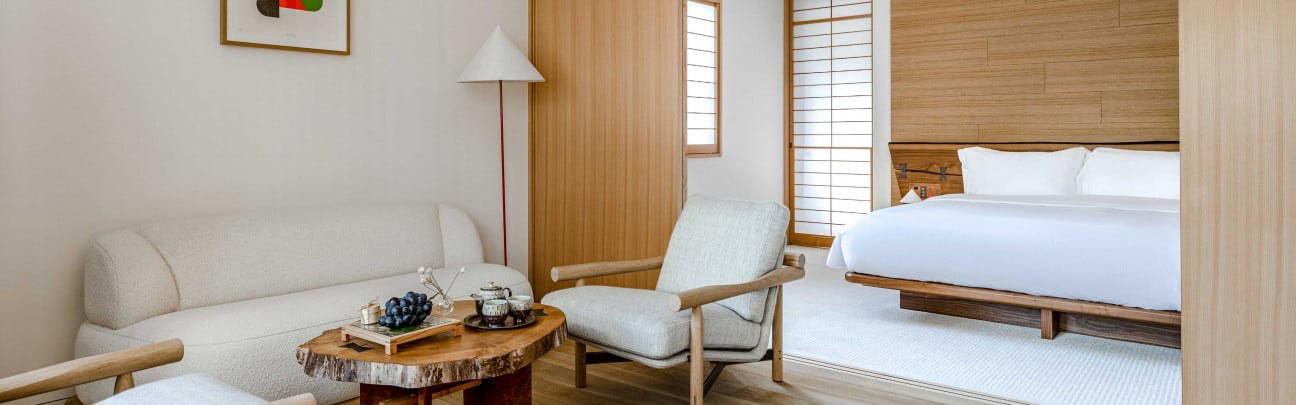
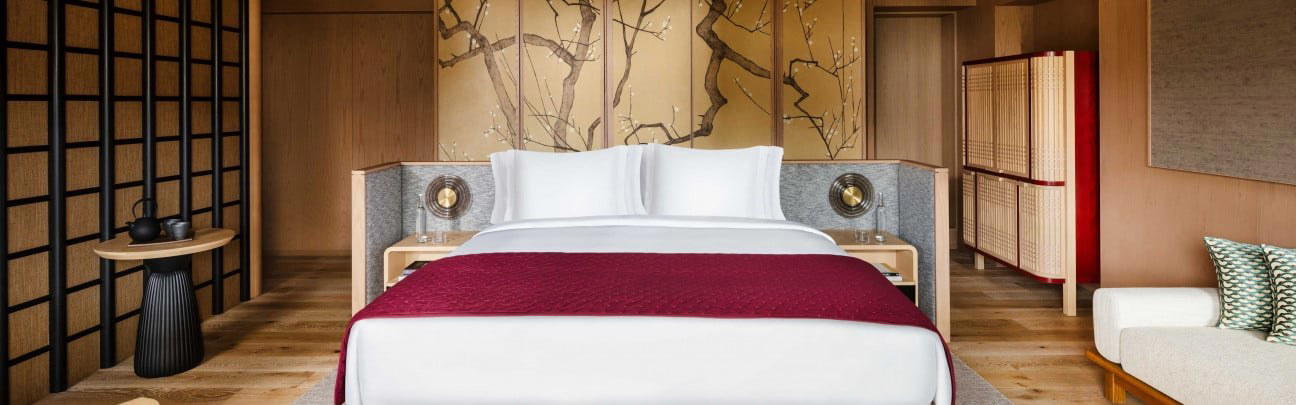
Warm wood-paneled interior with gentle lighting evoking traditional Kyoto atmosphere; Japanese architecture designed by owner creates sense of stepping back in time with zen calmness and refined simplicity.