
A Gion kaiseki counter operating at a measured, traditional register, Chihana has held a position in Opinionated About Dining's Japan rankings continuously since 2023, reaching #221 in 2024. Chef Katsuyoshi Nagata leads a kitchen rooted in the classical Kyoto sequence, open five days a week for both lunch and dinner service in the Higashiyama district.
Pearl is the En Primeur Club membership app — saves, bookings, and concierge access live there. Same editors, same standards.
- Address
- 279-8 Gionmachi Kitagawa, Higashiyama Ward, Kyoto, 605-0073, Japan
- Phone
- +81 75-561-2741
- Website
- kyotochihana.com
- Directions
- Get directions
 Saves & bookings on Pearl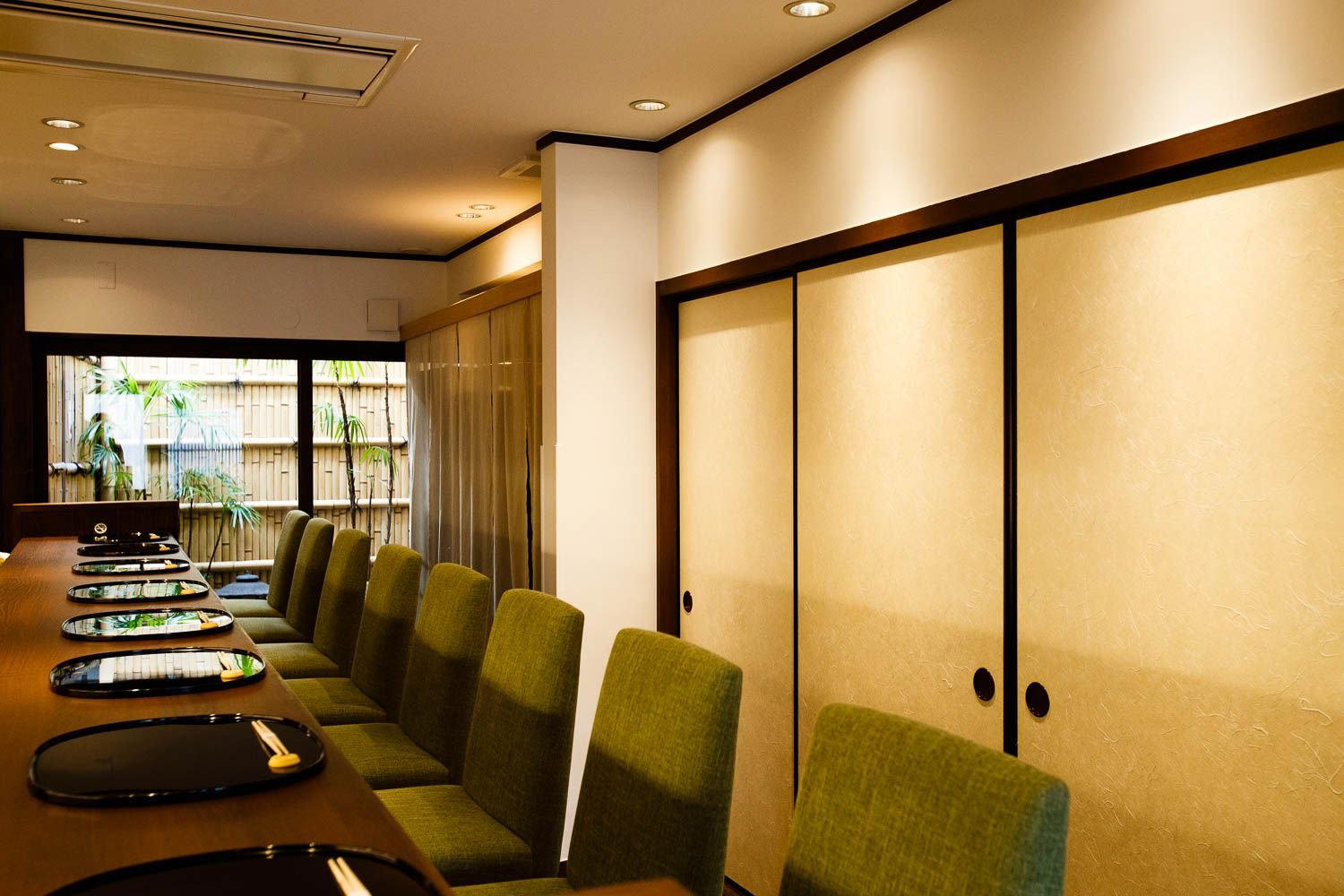
Where Gion's Stone Lanes Meet the Counter
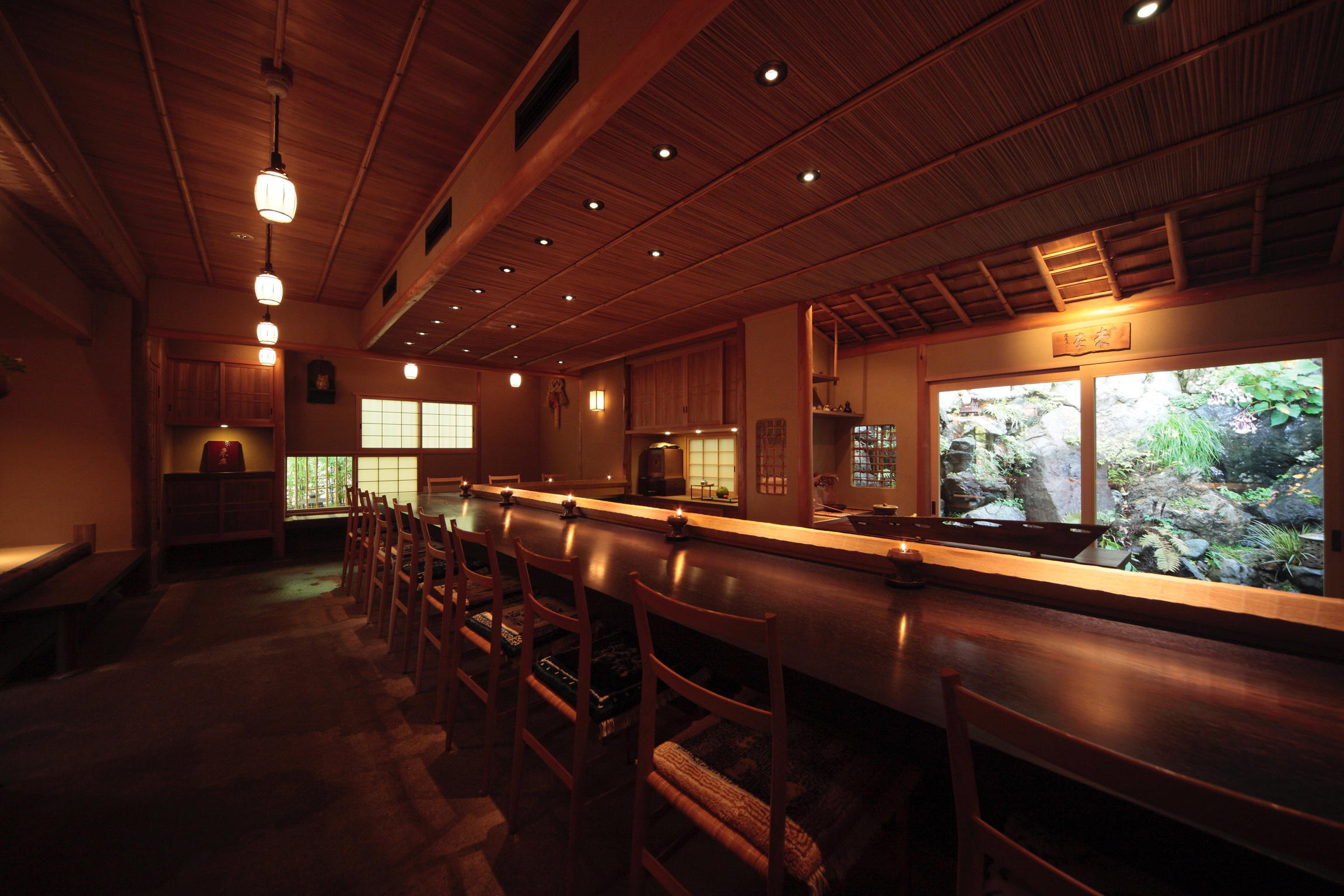
Higashiyama's streets narrow as you move north through Gion, the cobbled approach lined with latticed machiya that have housed tea houses, craft shops, and quietly serious restaurants for generations. This part of Kyoto carries its weight carefully: the architecture is preserved, the foot traffic thins after the tourist clusters around Yasaka Shrine disperse, and the restaurants that survive here tend to do so on repeat local patronage rather than passing curiosity. Chihana is a traditional Kyoto kaiseki restaurant at 279-8 Gionmachi Kitagawa, Higashiyama Ward, Kyoto, under chef Katsuyoshi Nagata. It is a kaiseki counter in a neighbourhood where kaiseki is not a novelty but an expectation, which raises the stakes considerably.
Kaiseki in Kyoto: The Tradition That Sets the Standard
No other city in Japan exerts the same gravitational pull on kaiseki. The form originated here, rooted in the tea ceremony's accompanying meal before expanding into its present multi-course architecture of seasonal ingredients, precise temperature sequencing, and acute sensitivity to tableware and setting. In Kyoto, the pressure of that heritage is constant. Restaurants are assessed not just against each other but against a centuries-long record of what this cuisine can and should be. High-end kaiseki in the city operates on a tier system that ranges from three-Michelin-star rooms like Gion Sasaki, which sits at the absolute apex, through two-star houses such as Ifuki, and into the respected independent tier where peer recognition is tracked through guides like Opinionated About Dining.
Chihana occupies that independent tier with a consistent record. Ranked #221 in Opinionated About Dining's Japan list in 2024, the restaurant has sustained recognition across multiple years. That progression signals a kitchen that is tightening rather than coasting. For the OAD system, which aggregates the votes of frequent diners rather than anonymous inspectors, a sustained presence in the Japan rankings for a Gion kaiseki counter carries a particular kind of authority: it reflects repeat engagement from people who eat across the category widely and often.
The Arc of a Kaiseki Meal
The structure of kaiseki is, in one sense, fixed: the progression from sakizuke through hassun, yakimono, and shokuji follows a grammar established by custom. What varies between kitchens is how that grammar is spoken. The sequence in a classical Kyoto house is designed to map onto the rhythm of a season rather than simply feature seasonal ingredients as decoration. An early-autumn kaiseki, for instance, moves through dishes that track the transition from residual summer warmth to the first suggestion of cool, using texture, temperature, and ingredient juxtaposition rather than explicit statement to make that case.
Under Chef Katsuyoshi Nagata, Chihana works within this classical framework. The kitchen does not have documented signature dishes in the conventional sense, kaiseki is not a format built around signature items, and any specific dish description here would move beyond what the available record supports. What the ranking data does support is that the sequencing and execution have been judged consistently by a demanding audience. That is a meaningful credential in a city where the competition for attention in this category is as dense as anywhere in the world.
Comparable kaiseki counters at a similar independent positioning in Kyoto include Ankyu, Doujin, Gion Suetomo, and Hassun, each of which represents a slightly different angle on the classical form. Gion Suetomo leans toward a more intimate format; Hassun emphasises the seasonal hassun course as a centrepiece. Chihana's OAD trajectory places it within this comparable set, not above it, but firmly inside the conversation.
Placing Chihana in Japan's Wider Kaiseki Map
Kaiseki's centre of gravity remains Kyoto, but the form has seeded serious expressions across Japan. HAJIME in Osaka takes the multi-course progression into a more technically contemporary register, while Goh in Fukuoka and akordu in Nara each adapt the seasonal sequence to their respective regional contexts. In Tokyo, the kaiseki tradition reads somewhat differently: Kikunoi in Tokyo and Hirosaku bring Kyoto-rooted training to the capital but operate within a dining culture that weights things differently. Chihana, staying in Gion, stays deliberately within the tradition's source zone, which is itself a positioning choice.
For readers who come to kaiseki from adjacent high-end Japanese dining formats, the comparison to omakase sushi counters like Harutaka in Tokyo or longer tasting menus at 1000 in Yokohama or 6 in Okinawa is instructive. Kaiseki and omakase share a counter format and a chef-led sequencing logic, but kaiseki asks the diner to engage with a much broader vocabulary: ceramics, lacquerware, garnish placement, and broth texture all carry meaning in kaiseki that they do not necessarily carry in sushi. Chihana, as a Gion house, operates in an environment where that vocabulary is not optional, it is the entire conversation.
Planning Your Visit
Chihana opens Wednesday through Sunday, with lunch running noon to 2 pm and dinner from 6 to 10 pm; Monday and Tuesday are closed. The address in Gionmachi Kitagawa places it within walking distance of the Yasaka Shrine end of Gion, in the quieter northern section of the district.
Reservations are expected rather than optional for a restaurant of this standing. Given its OAD recognition and the density of serious dining traffic Kyoto draws, particularly during cherry blossom season in late March and April, and the autumn foliage window in November, booking well in advance is practical rather than precautionary. Price per head is about $200.
Credentials Lens
Comparable venues nearby, for context on price, style, and recognition.
| Venue | Cuisine | Price | Awards | Notes |
|---|---|---|---|---|
| ChihanaThis venue — the venue you are viewing | Traditional Kyoto Kaiseki | $$$$ | Not listed | Not listed |
| Gion Suetomo | Traditional Kyoto Kaiseki Omakase | $$$$ | Not listed | Higashiyama |
| wabiya | Modern Kyoto Yakitori | $$$$ | Michelin Plate | Shimogyō |
| Miyama Sou | Tsumikusa Kaiseki | $$$$ | Not listed | Sakyō |
| Park Hyatt Kyoto | French-inspired Teppanyaki | $$$$ | Not listed | Higashiyama |
| 米処いなもと | Traditional Japanese Izakaya with Rice-Focused Kaiseki | $$$$ | Not listed | Shimogyo Ward (下京区) |
Recognition history
Dated appearances from independent guides and award organizations, with the underlying list record or original source where available.
Opinionated About Dining Top Restaurants in Japan Recommended
Opinionated About Dining
Opinionated About Dining Top Restaurants in Japan Ranked #240
Opinionated About Dining
Opinionated About Dining Top Restaurants in Japan Ranked #221
Opinionated About Dining
Opinionated About Dining Top Restaurants in Japan Highly Recommended
Opinionated About Dining
Continue exploring
More in Kyoto
Restaurants in Kyoto
Browse all →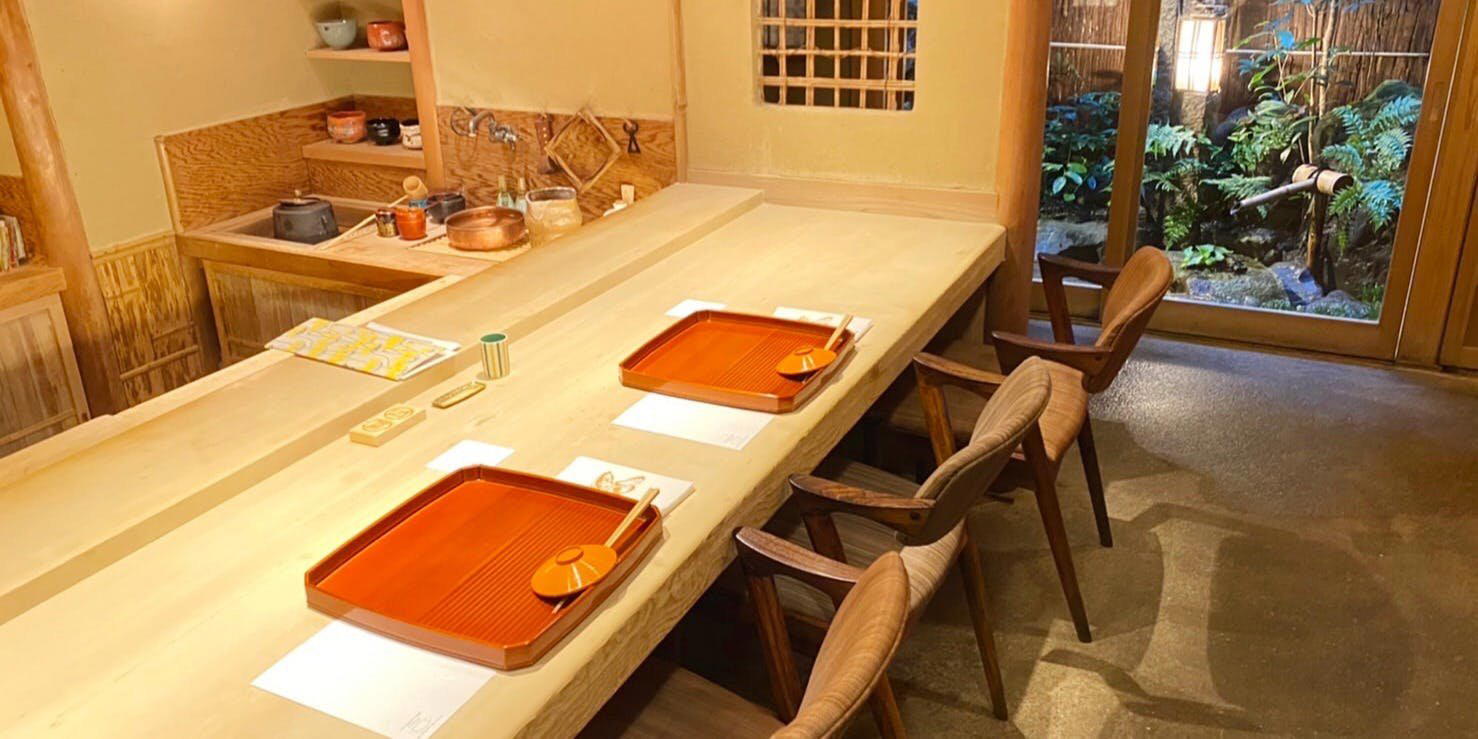
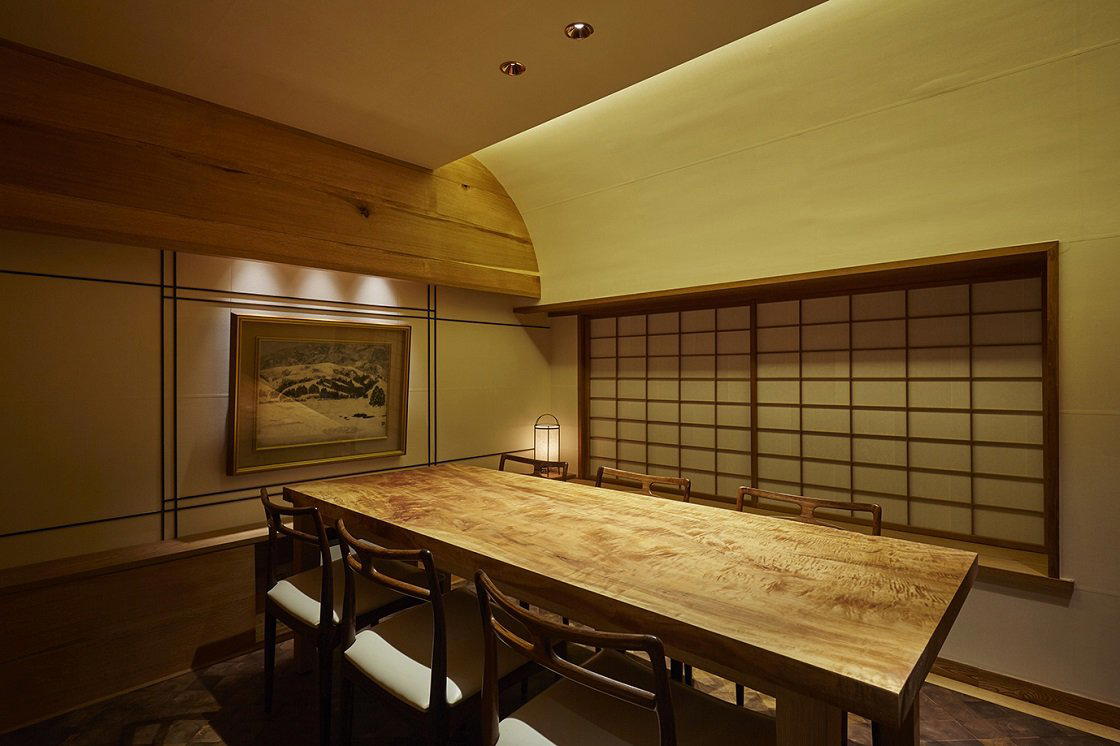
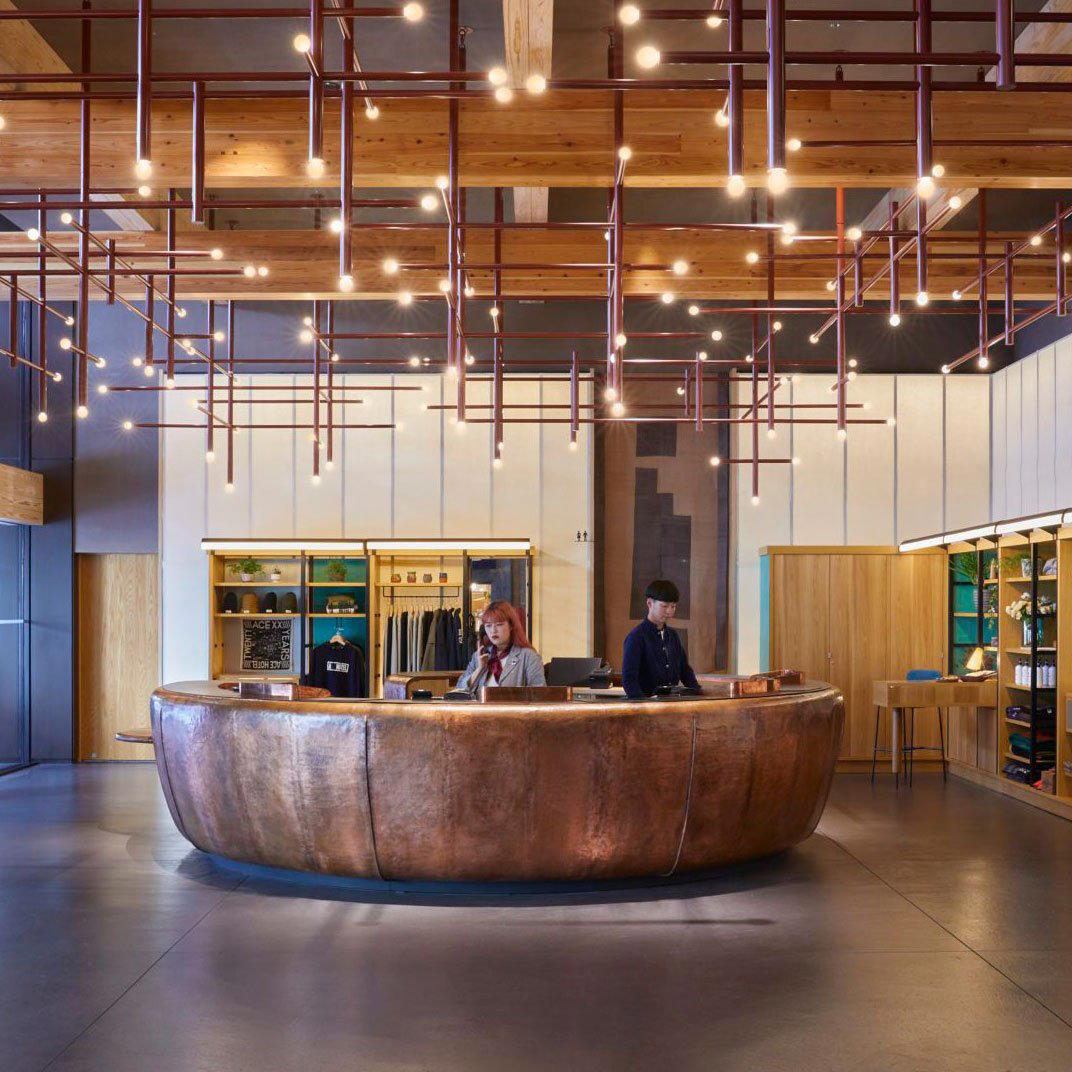
Bars in Kyoto
Browse all →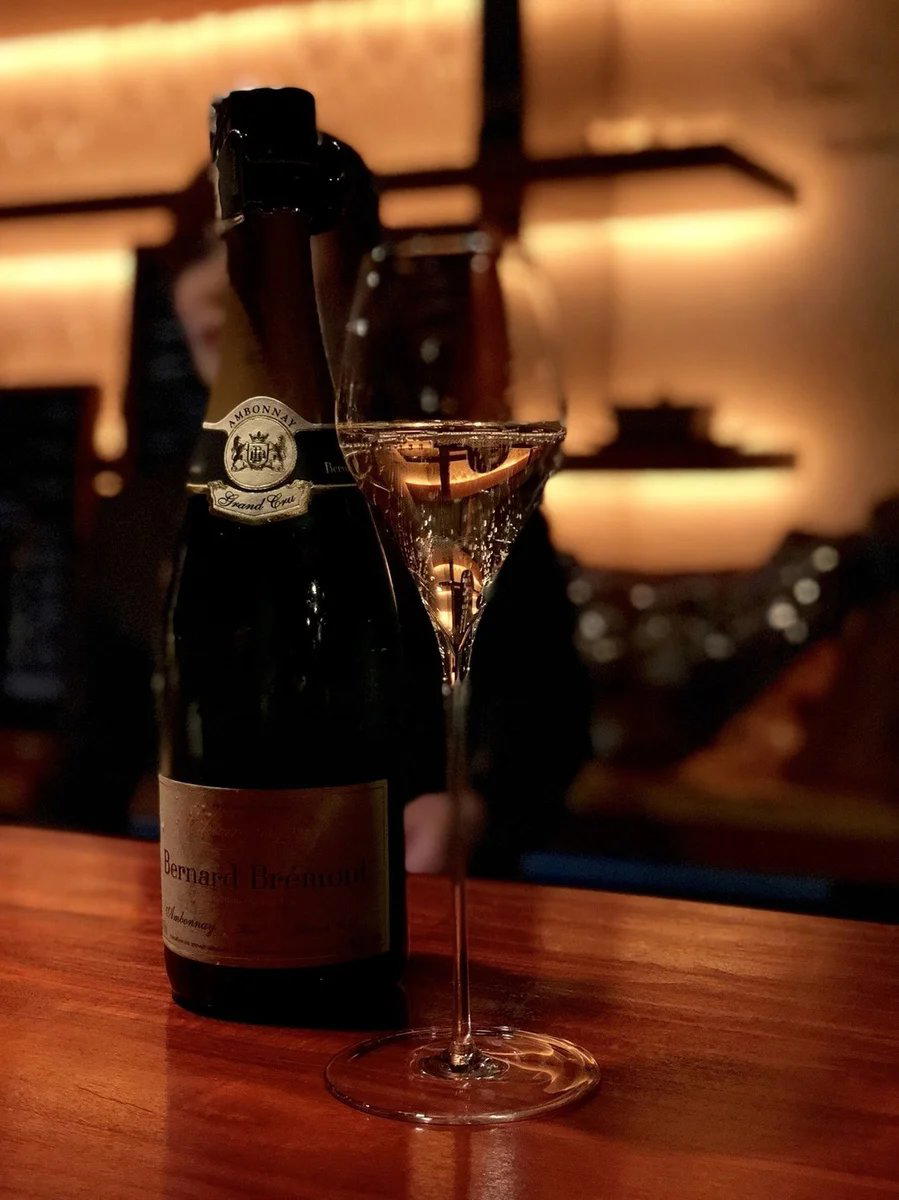
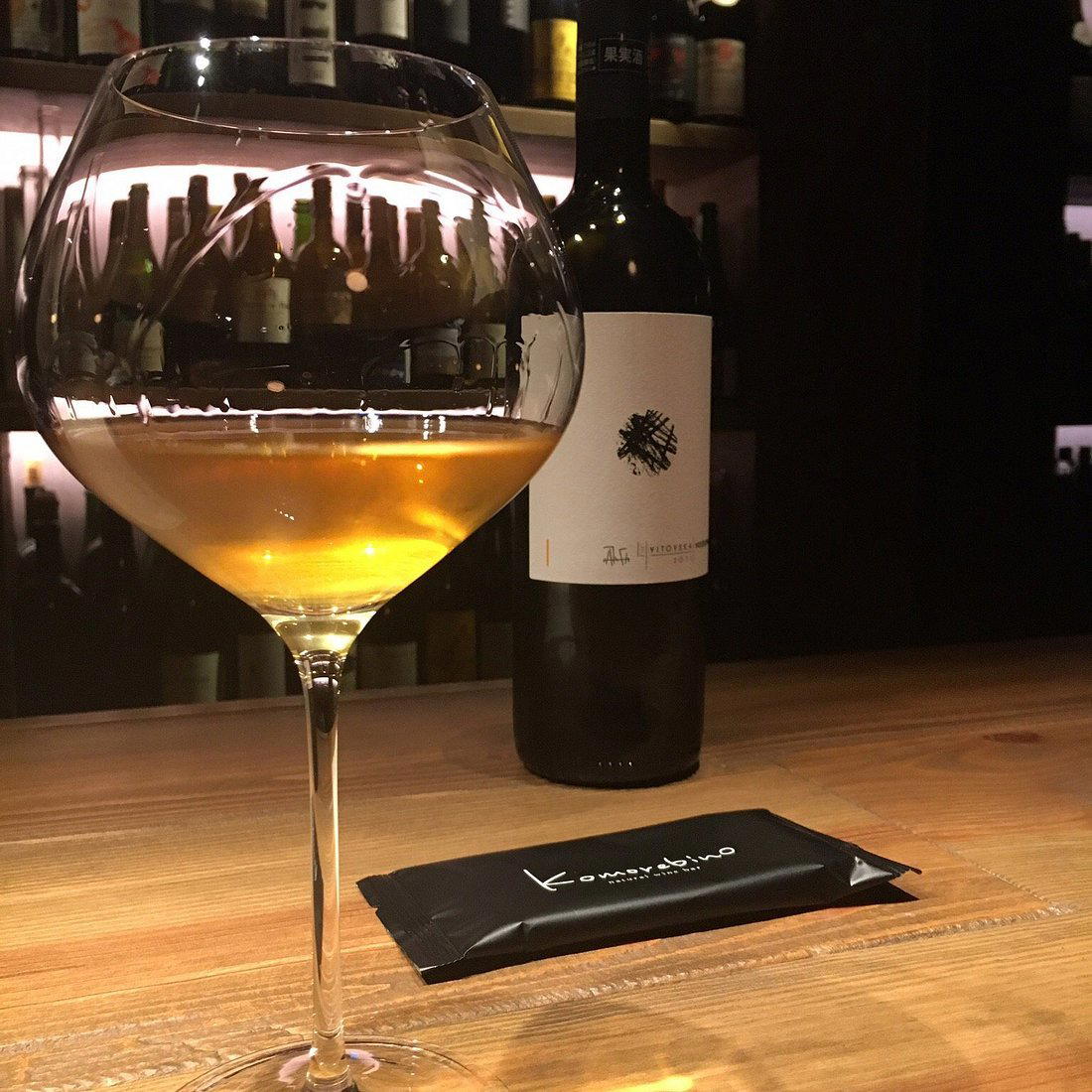
Hotels in Kyoto
Browse all →
Wineries in Kyoto
Browse all →
At a Glance
- Elegant
- Intimate
- Sophisticated
- Classic
- Special Occasion
- Date Night
- Chefs Counter
- Private Dining
- Sake Program
- Extensive Wine List
- Corkage Allowed
- Local Sourcing
Current opening hours
- Monday
- 12–2 PM, 6–10 PM
- Tuesday
- Closed
- Wednesday
- 12–2 PM, 6–10 PM
- Thursday
- 12–2 PM, 6–10 PM
- Friday
- 12–2 PM, 6–10 PM
- Saturday
- 12–2 PM, 6–10 PM
- Sunday
- 12–2 PM, 6–10 PM
Hours can change for holidays and private events. Last verified .
Serene tea house aesthetics with minimalist design, warm hospitality, and focus on the chef's craft in an intimate counter or private room setting.