Skip to Main Content

UpcomingDrink over $25,000 of Burgundy at La Paulée New York

← Collection
CuisineTempura
Executive ChefVarious
LocationTokyo, Japan
Opinionated About Dining

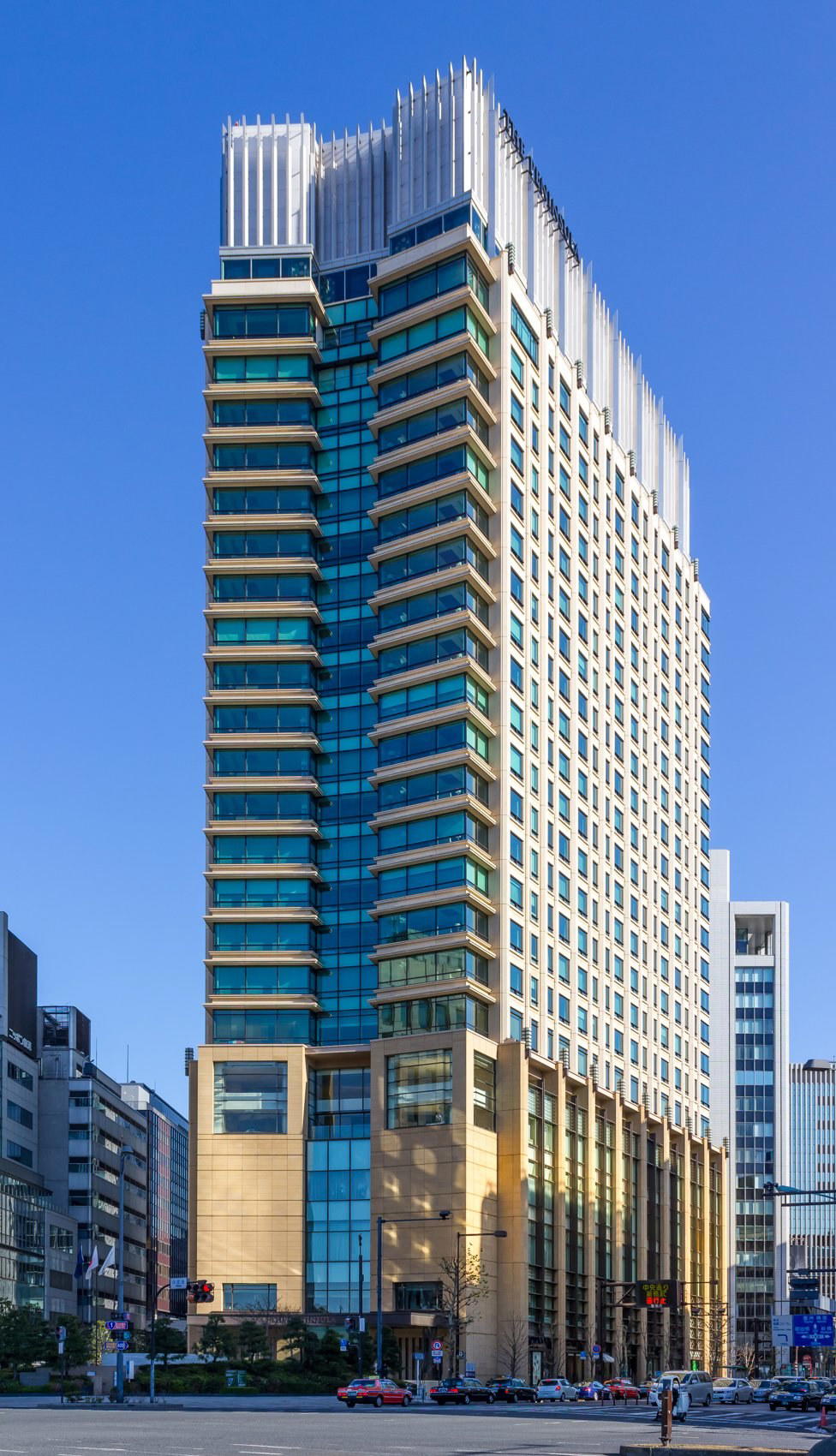
On the 13th floor of a Ginza high-rise, Tempura Yamanoure holds a focused position in Tokyo's specialist tempura tier, with consecutive Opinionated About Dining rankings in 2024 and 2025 signalling steady critical regard. The kitchen runs a classic split-session format, opening for both lunch and dinner daily, and delivers the fried-at-the-counter discipline that separates serious tempura houses from casual fry operations.

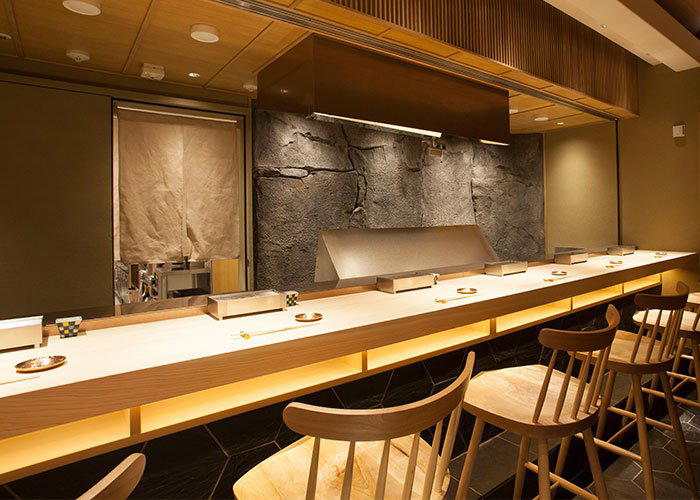
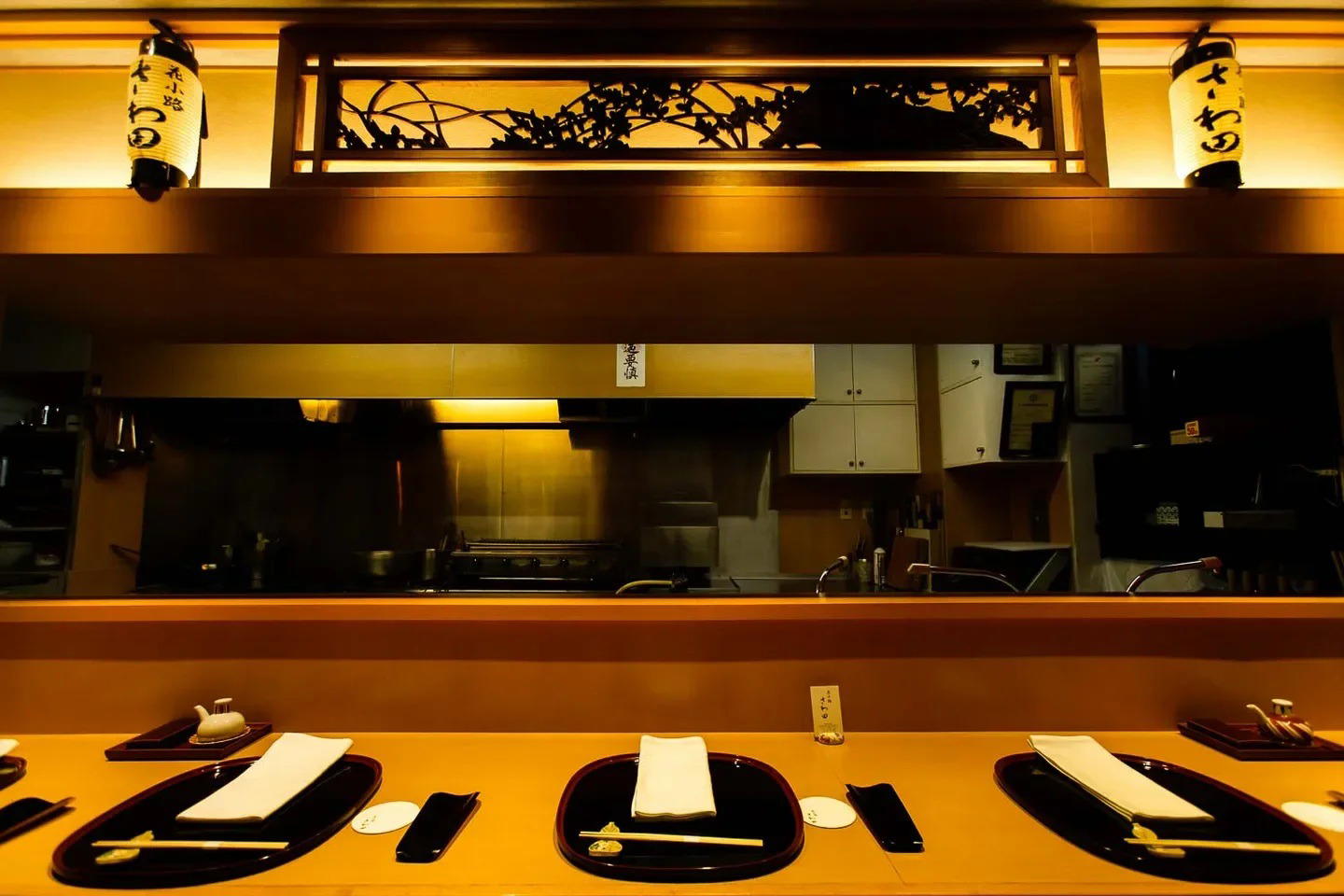
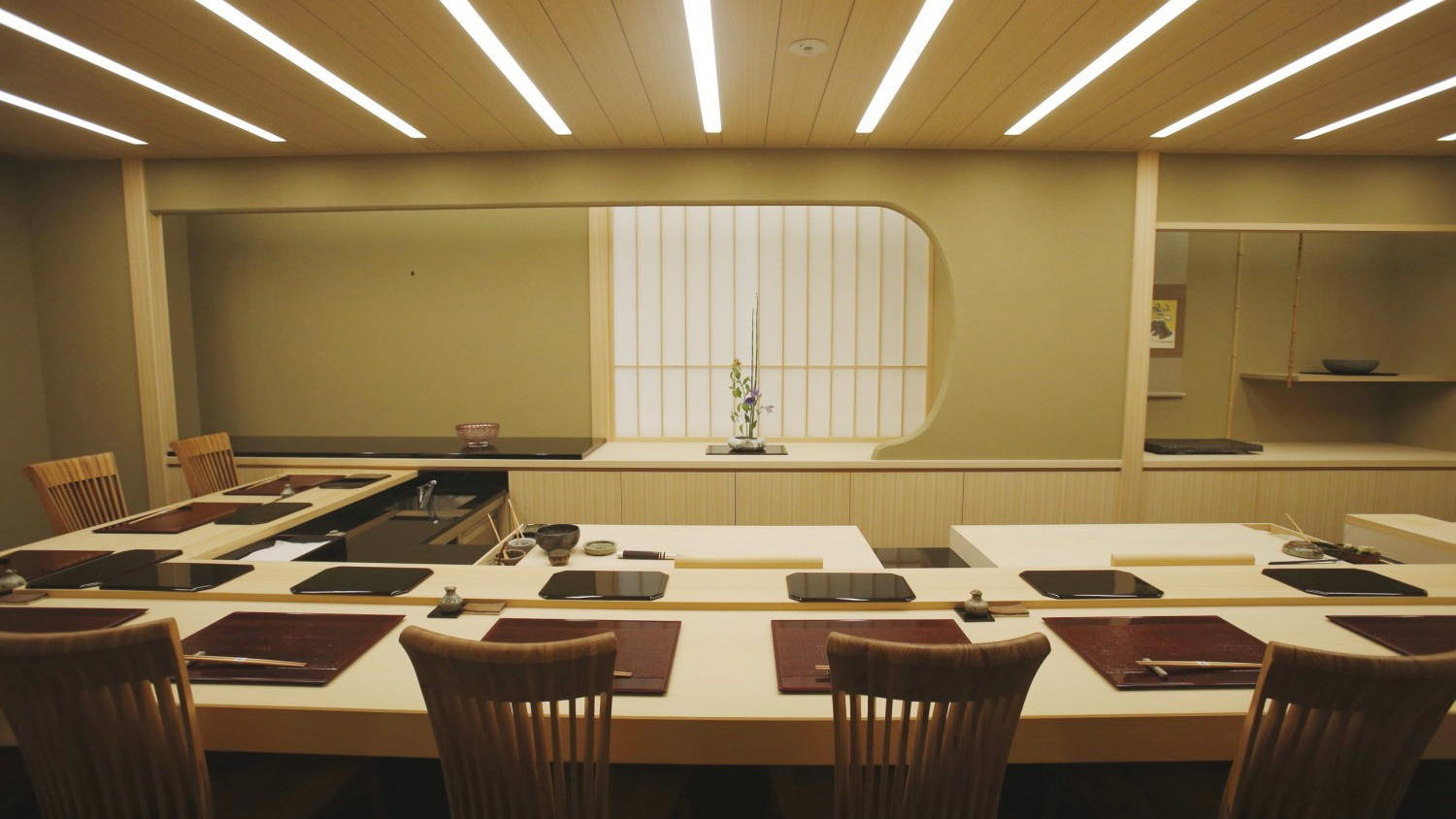
Tempura Yamanoure restaurant in Tokyo, Japan
About

Where Ginza's Tempura Discipline Shows Itself

Ginza's dining floor is, floor by floor, one of the more concentrated accumulations of specialist Japanese cooking in any city. The 13th floor of the Ginza 6-10-1 building is not a dramatic address in the way ground-floor flagships announce themselves, but that positioning is almost fitting for serious tempura: the cooking draws attention through precision, not theatre. Tempura Yamanoure occupies that 13th floor, running a daily split-session format with lunch and dinner service from 11am to 3pm and 5pm to 9pm, seven days a week, a schedule that signals a kitchen built for consistency rather than exclusivity. The venue holds a 4.2 rating across 312 Google reviews and has appeared in Opinionated About Dining's Leading Restaurants in Japan list in both 2024 (ranked #412) and 2025 (ranked #498), making it one of a smaller group of Tokyo tempura houses to earn repeated critical tracking by the OAD methodology, which aggregates opinions from serious diners rather than professional inspectors alone.

The Architecture of a Tempura Menu

Tempura, as a culinary format, resists improvisation more than most Japanese cooking categories. The sequencing of a tempura course is not arbitrary: it moves from lighter, more delicate ingredients toward richer ones, tracking how the oil's absorption profile changes across the meal and how the palate tolerates accumulation of fried texture. The menu structure at a focused tempura house like this one encodes those decisions at every turn. Vegetables with high moisture content, sweet prawn, and white fish typically anchor the early stages; sea eel, maitake mushroom, or lotus root appear when the cook wants a textural contrast or a deeper flavour register mid-course. What the menu reveals, above all, is a point of view about the relationship between batter weight and ingredient character. Thinner, more transparent batters read as restrained and modern; slightly thicker, crisper coatings reflect an older Edo-period sensibility that prioritised textural contrast over ingredient transparency. Both are legitimate, and both appear across the Tokyo tempura spectrum, from younger neo-classical counters to houses operating in more traditional registers. At Tempura Yamanoure, the critical recognition across two consecutive OAD cycles suggests a kitchen that has established and maintained a consistent position within that spectrum rather than one that repositions seasonally for novelty.

The split between lunch and dinner also carries structural meaning. Lunch-service tempura in Ginza typically runs through set-course formats at varying price tiers, making the format accessible to a broader range of diners without compromising on technique. Dinner service often extends toward longer courses and a more deliberate pace. That Yamanoure operates both sessions daily is a logistical commitment not all specialist tempura houses make; Tempura Kondo, one of the more celebrated addresses in the same neighbourhood, operates on a tighter reservation structure that reflects its Michelin standing. Yamanoure's accessibility across both meal periods positions it differently: as a kitchen that absorbs high volume without collapsing its standards, which is its own kind of discipline.

Tokyo's Tempura Tier and Where This Kitchen Sits

Tokyo's tempura scene is more stratified than it appears from the outside. At the leading sits a small group of Michelin-starred counters with multi-month wait times and pricing that rivals kaiseki. Below that, a mid-tier of critically recognised houses, many of them OAD-tracked, occupies the space where serious technique meets accessible scheduling. Tempura Yamanoure sits in that second tier by the available evidence: consistent OAD presence, a Google rating that reflects satisfaction without the friction of a prestige counter, and an address in Ginza that places it in competition with some of the most focused tempura cooking in Japan.

For comparison, Tempura Ginya and Tempura Motoyoshi represent different positions within the same city-wide spectrum, and reading across those venues gives a clearer picture of how Tokyo's tempura houses differentiate through format, price point, and critical standing. Outside the tempura category specifically, the broader Ginza and Tokyo fine-dining tier includes kaiseki and sushi houses at the leading of the OAD and Michelin rankings, such as the ¥¥¥¥ operations around kaiseki at Edomae Shinsaku or the sushi precision documented at venues like Fukamachi. Tempura, by contrast, remains more approachable as a category, with fewer venues commanding the extreme scarcity economics of leading omakase counters. That positioning is part of why houses like Yamanoure can run seven-day schedules and still attract critical attention: the format rewards consistency over mystique.

Planning a Visit

Tempura Yamanoure is located on the 13th floor at Ginza 6-10-1 in Chuo City, Tokyo, accessible from the Ginza area and reachable via Ginza Station on the Tokyo Metro. The kitchen operates every day of the week, with lunch service from 11am to 3pm and dinner from 5pm to 9pm, making it one of the more flexible scheduling options among Ginza's specialist restaurants. Booking in advance is advisable given the venue's critical profile and Ginza location. No website or direct booking link is available in current records, so reservation enquiries may require contacting the venue directly or booking through a concierge service. Given the absence of confirmed pricing data in current records, prospective visitors should verify the current course structure and price tiers at time of booking, as tempura course pricing in this tier of the Ginza market can shift seasonally.

If you are planning a broader Tokyo dining programme, our full Tokyo restaurants guide maps the city's critical landscape across categories, while the Tokyo hotels guide, bars guide, and experiences guide cover the full shape of a visit. For those extending to other Japanese cities, the OAD-tracked tier includes HAJIME in Osaka, Gion Sasaki in Kyoto, akordu in Nara, Goh in Fukuoka, 1000 in Yokohama, and 6 in Okinawa. Tempura as a format also travels well beyond Japan: Mudan Tempura in Taipei and Numata in Osaka offer useful points of comparison for how the discipline translates across different markets. For wines to accompany Japanese cuisine, the Tokyo wineries guide provides further context on the city's natural wine and sake adjacency scene.

Frequently Asked Questions

What dish is Tempura Yamanoure famous for?

No single signature dish is documented in available records for Tempura Yamanoure. The kitchen operates within the tempura omakase or set-course format standard to serious Ginza tempura houses, where the sequence itself, rather than any one item, defines the experience. The cuisine type is tempura, and the venue's consecutive Opinionated About Dining rankings in 2024 and 2025 indicate sustained critical regard for the kitchen's overall execution. Specific dish details should be confirmed directly with the venue at the time of booking.

Local Peer Set

A compact peer snapshot based on similar venues we track.

Collector Access

Need a table?

Our members enjoy priority alerts and concierge-led booking support for the world's most difficult tables.

Access the Concierge