Tempura Miyashita serves Seasonal Tempura Kaiseki at a chef’s counter in Kanazawa, with local sourcing, a sake program, and a quiet, leisurely pace.
Pearl is the En Primeur Club membership app — saves, bookings, and concierge access live there. Same editors, same standards.
- Address
- 1-chome-2-12 Kannonmachi, Kanazawa, Ishikawa 920-0838, Japan
- Phone
- +815052638791
- Website
- tempura-miyasita.com
- Directions
- Get directions
 Saves & bookings on Pearl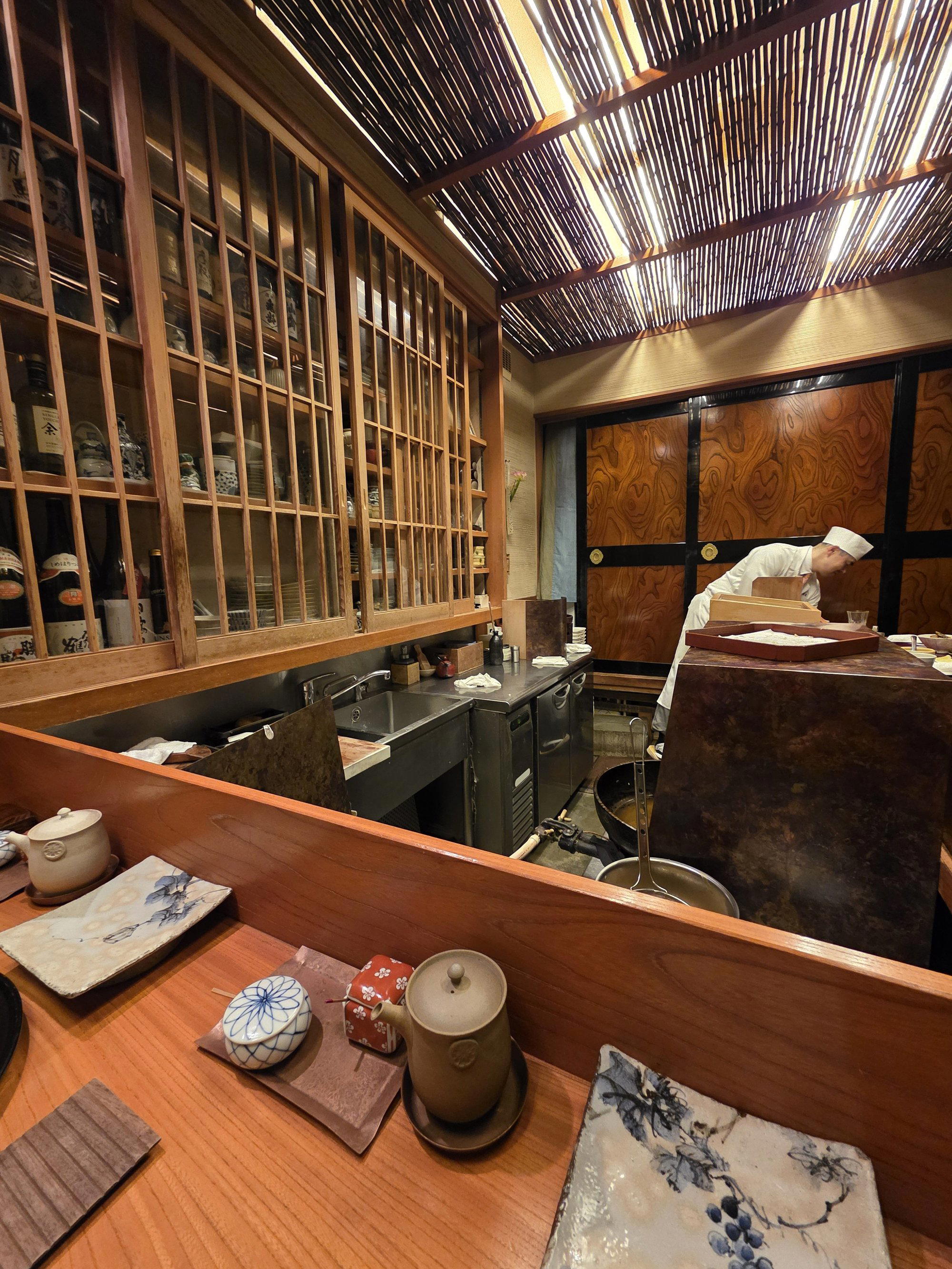
Tempura in the City That Took Japan's Food Culture Seriously
Kanazawa has long occupied a particular position in Japanese culinary geography. During the Edo period, the Maeda clan, whose domain ranked second only to the Tokugawa shogunate in rice production, channeled that wealth into refined arts and cuisine. The result is a city where food culture took root early and grew deep. Today, Kanazawa's restaurant scene reflects that inheritance in concentrated form: kaiseki counters at Dokkan and Zeniya, specialty wagashi houses like Amanatto Kawamura, and a cross-section of Japanese cooking formats that rivals cities three times its size. Tempura Miyashita sits inside this tradition, operating in a neighborhood that still carries the spatial logic of Edo-period Kanazawa.
Kannonmachi and the Physical Approach
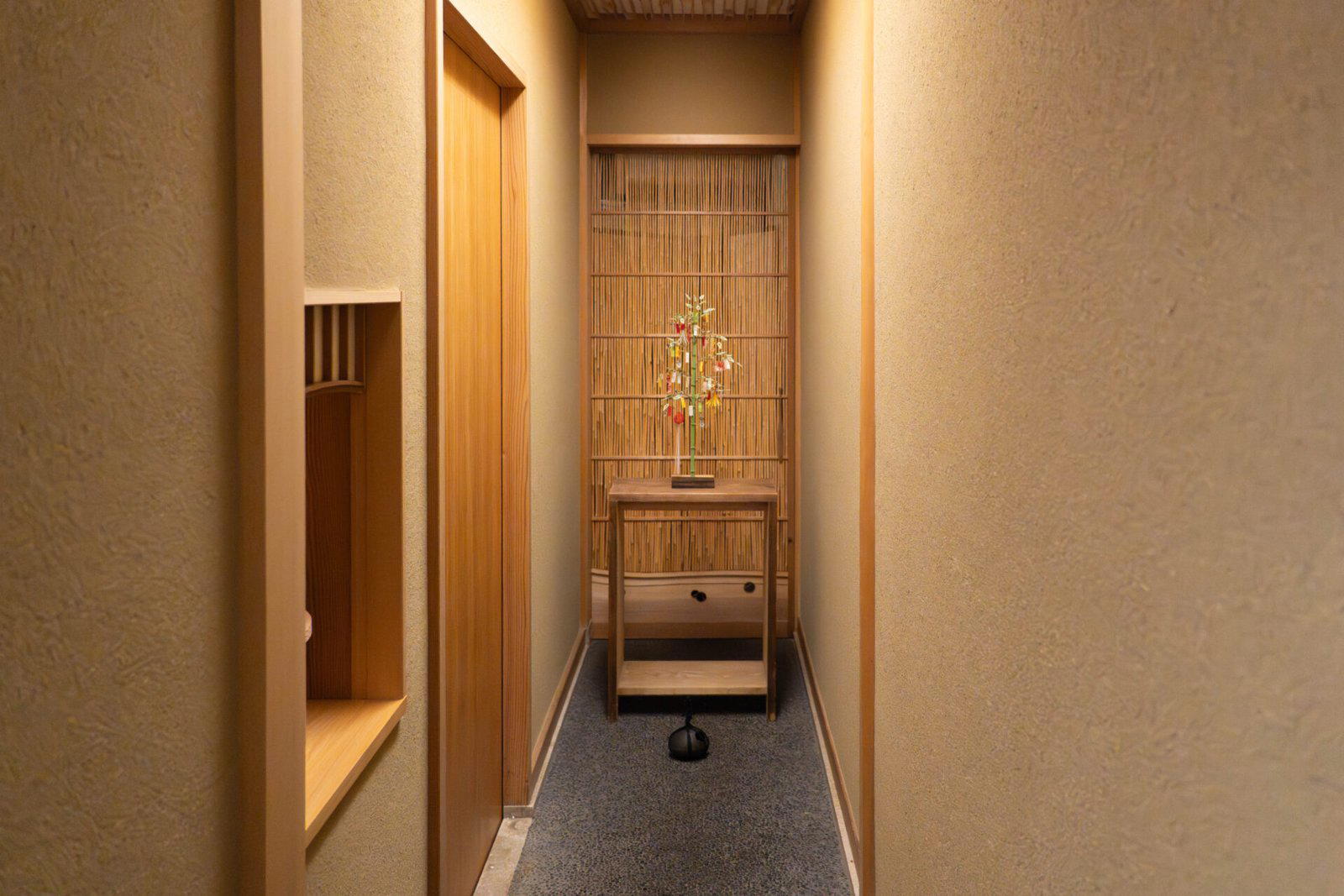
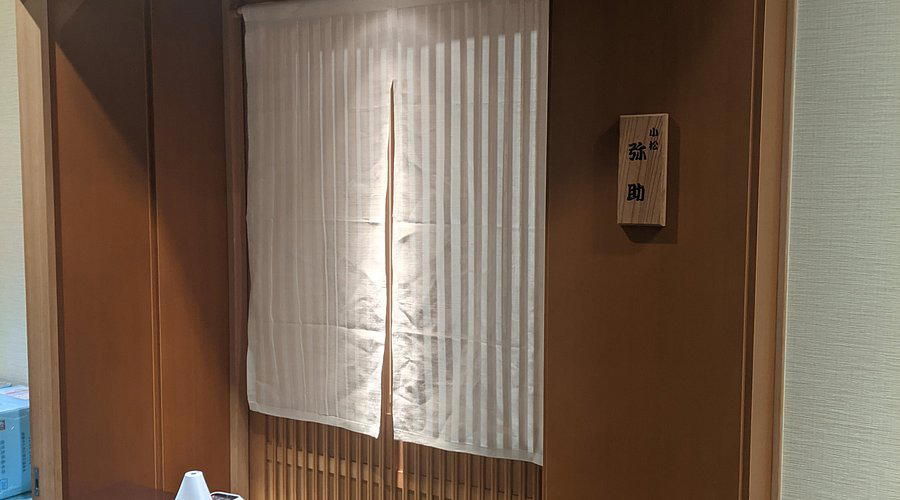
The address places Tempura Miyashita in Kannonmachi, a district close to the historic merchant and temple quarters that survived the postwar reconstruction largely intact. Walking these streets, the built environment shifts from the practical anonymity of central Kanazawa toward narrower lanes, older facades, and a quieter register. In Japan, tempura specialists at the serious end of the market tend not to announce themselves loudly. Storefronts are restrained, signage minimal. The act of arriving becomes a kind of filtering mechanism: the restaurant is for people who know where they are going.
This approach to entry is part of a broader pattern in Japanese precision-format dining. Whether at a sushi counter in Ginza, a yakitori house in Fukuoka (see Goh in Fukuoka for reference on that city's approach), or a tempura counter in a regional capital, the physical environment is calibrated. Sight lines are controlled. The counter, if there is one, orients the guest toward the cook and the oil. Sound is mostly the rhythm of the kitchen: the soft percussion of batter meeting hot fat, the occasional adjustment of temperature, the measured pace of service.
Tempura as a Discipline, Not a Category
In Japan's fine-dining hierarchy, tempura occupies a specific and sometimes underestimated tier. Unlike kaiseki, which built its prestige on tea ceremony culture and multi-course ritual, tempura's origins were street-level. The transformation of tempura from Edo-period street food into a high-precision counter format mirrors the broader arc of Japanese culinary ambition: taking a populist tradition and pushing its technical tolerances to their limit. The variables at a serious tempura counter are numerous and exacting. Oil temperature must shift course by course, since shrimp, vegetables, and fish each require different heat. Batter consistency is kept deliberately thin and cold. Timing from fryer to plate is measured in seconds. The difference between a correct piece and a slightly overdone one is almost invisible to the eye and completely legible to the palate.
This is why tempura at the specialist level is leading understood as a thermal precision exercise rather than a comfort food operation. Counters like Harutaka in Tokyo have established benchmarks for this approach in the capital. Regional specialists bring local ingredient pools to the same framework. Kanazawa's access to the Sea of Japan puts specific seafood on the table that Tokyo counters cannot always source as freshly: seasonal shrimp, local white fish, and the broader category of Hokuriku marine produce that defines the region's identity.
The Hokuriku Ingredient Argument
One of the most compelling editorial cases for a Kanazawa tempura specialist is the ingredient sourcing argument. The Hokuriku coast, which runs along the Sea of Japan from Fukui through Ishikawa to Toyama, produces some of Japan's most respected seafood. The cold, deep waters of the Sea of Japan support different species profiles than the Pacific side, and Kanazawa's Omicho Market has served as the distribution point for this produce for centuries. A tempura counter drawing from that supply chain is working with material that carries genuine geographic specificity, the kind of regional food identity that kaiseki houses like Gion Sasaki in Kyoto and innovative formats like HAJIME in Osaka have built their reputations on in adjacent cities.
Seasonal rotation matters here as much as it does in any kaiseki context. Spring brings different produce than winter. Winter in Kanazawa is when crab season dominates the Hokuriku food calendar, but the vegetables that accompany tempura courses also change meaningfully across the year. Lotus root, sweet potato, and shishito pepper are tempura staples nationally; in Kanazawa, the specific regional variants of these ingredients, grown in the Kaga plain or sourced from mountain villages inland, carry a different character.
Where Tempura Miyashita Sits in Kanazawa's Dining Tier
Kanazawa's restaurant scene has a recognizable architecture. At the leading end, kaiseki and its close cousins operate with the longest waiting times and the most formal service protocols. The mid-to-upper tier includes specialty counters, kappo formats, and genre specialists. A serious tempura counter in Kanazawa, operating in a historic district, is positioned in that specialist category, drawing guests who approach it with the same level of intentionality they might bring to a kaiseki reservation. It is worth comparing against the wider Kanazawa tier, which also includes French-influenced formats like Budoonomori Les Tonnelles and more accessible everyday options like Go! Go! Curry. For premium craft items from the city, Hakuichi represents the gold-leaf artisan tradition that runs parallel to the food culture. Tempura Miyashita's format places it in specialist counter territory, not in the accessible everyday segment.
For those planning a broader regional itinerary, comparable precision-format specialists appear across the Hokuriku and Chubu regions. This Nanao restaurant and operations in Takashima and Nishikawa Machi reflect the broader regional depth that makes the Sea of Japan coast worth treating as a food itinerary rather than a single destination stop. Japan specialists in other regions, like akordu in Nara and this Sapporo operation, demonstrate how the country's regional food culture extends well beyond the Tokyo-Kyoto-Osaka triangle.
Planning Your Visit
Booking a specialist counter in Kanazawa typically requires advance planning. Serious tempura counters in Japan's regional cities operate at small capacity, often single-session formats, and reservations can fill weeks or months ahead during peak travel windows. Spring cherry blossom season and the winter crab season (roughly November through March) represent Kanazawa's two most pressured booking periods. Arriving in Kanazawa by Shinkansen from Tokyo takes approximately two and a half hours since the Hokuriku extension opened in 2024, which has accelerated tourist traffic and tightened availability across the city's better restaurants. Confirming reservation details directly, allowing for language assistance if needed, is advisable well ahead of any planned travel date. For a full picture of what the city offers across dining formats and price tiers, see our full Kanazawa restaurants guide. Those comparing Japan's precision dining scene globally may also find reference points in how New York handles the counter format, as seen at Atomix and Le Bernardin, or in the yakitori specialist tier at Birdland in Sakai.
How Tempura Miyashita Kanazawa compares with similar nearby venues.
| Venue | Price |
|---|---|
| Hakuichi Higashiyama ten | JPY 999 - JPY 999 |
| Kureha | JPY 1,000 - JPY 1,999 JPY 1,000 - JPY 1,999 View spending breakdown |
Continue exploring
More in Kanazawa
Restaurants in Kanazawa
Browse all →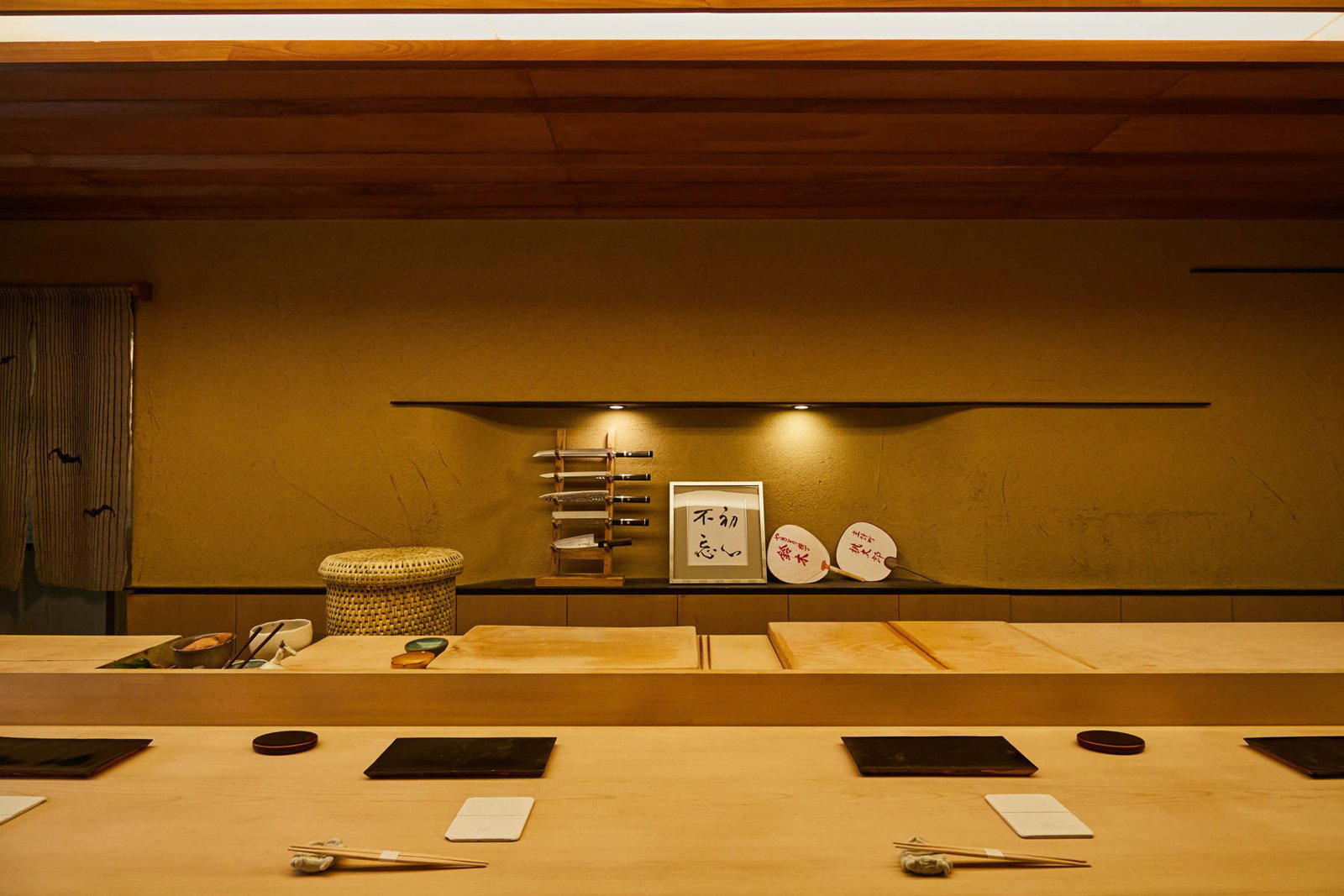
Bars in Kanazawa
Browse all →
Hotels in Kanazawa
Browse all →
Wineries in Kanazawa
Browse all →
At a Glance
- Intimate
- Cozy
- Elegant
- Special Occasion
- Date Night
- Family
- Chefs Counter
- Open Kitchen
- Sake Program
- Local Sourcing
Current opening hours
- Monday
- 12–2 PM, 5:30–9 PM
- Tuesday
- 12–2 PM, 5:30–9 PM
- Wednesday
- 12–2 PM, 5:30–9 PM
- Thursday
- Closed
- Friday
- 12–2 PM, 5:30–9 PM
- Saturday
- 12–2 PM, 5:30–9 PM
- Sunday
- 12–2 PM, 5:30–9 PM
Hours can change for holidays and private events. Last verified .
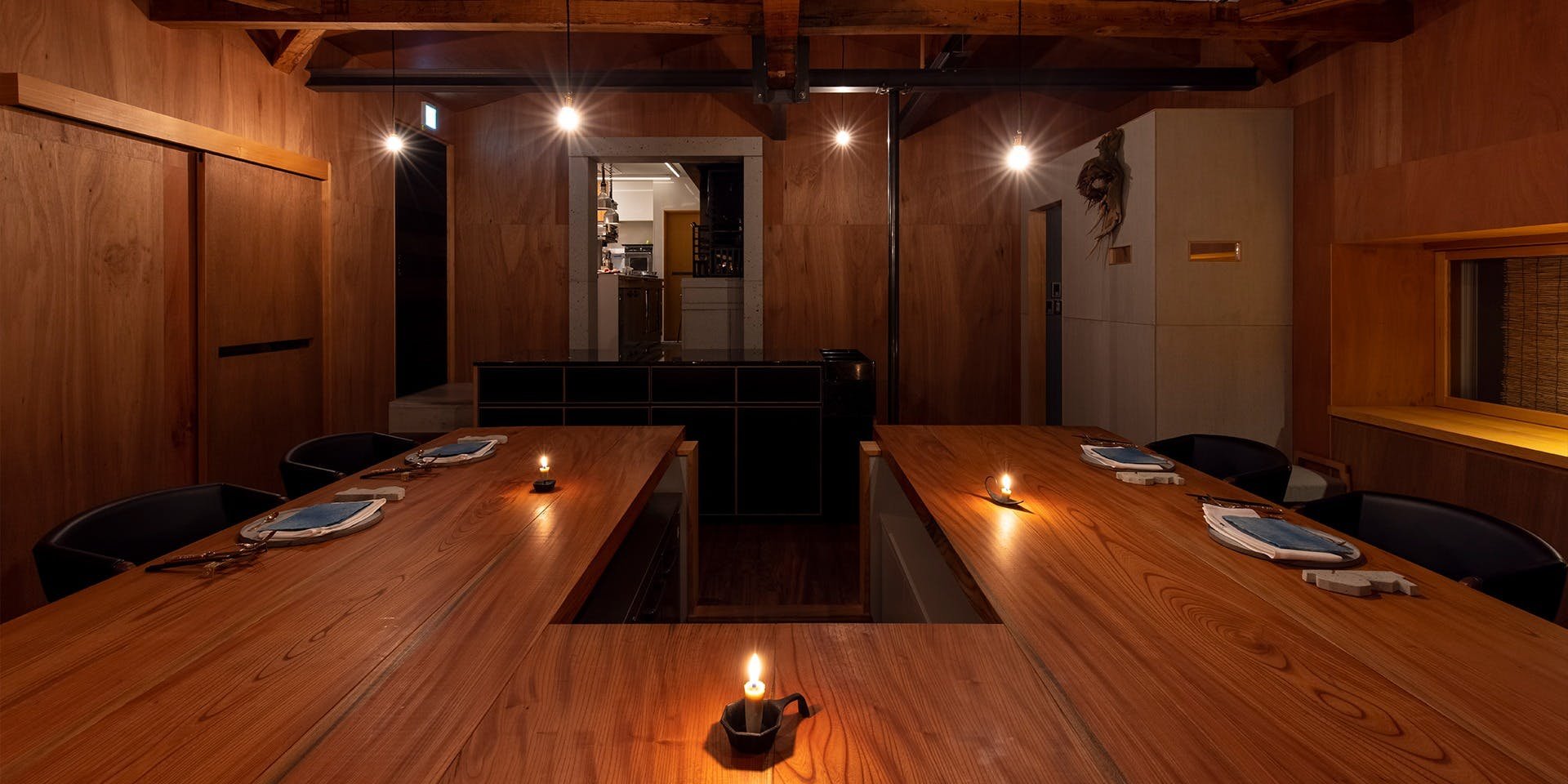
Cozy and intimate counter seating with warm, engaging atmosphere focused on the chef's live cooking performance.
Know Before You Go
- Getting there
- 1-chome-2-12 Kannonmachi, Kanazawa, Ishikawa 920-0838, Japan