Our verdict
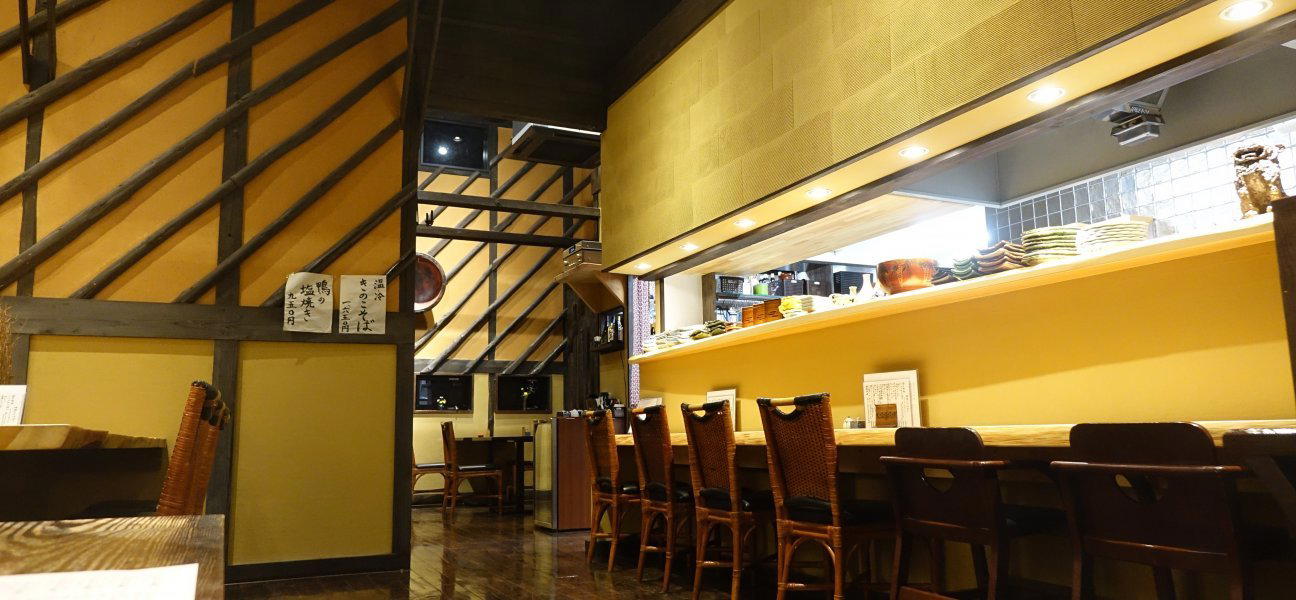
Taniya sits in Nagoya's Nishi Ward, a part of the city where serious, quietly run restaurants operate well outside the Sakae and Nagoya Station circuits that international visitors tend to follow. With minimal public-facing information and no listed booking infrastructure, it occupies the tier of Japanese dining that rewards local knowledge and patient inquiry over convenience.

Pearl is the En Primeur Club membership app, where members save venues, book tables and use the concierge.
The Nishi Ward Approach to Dining
Nagoya's restaurant scene has always been harder to read from the outside than Kyoto's or Tokyo's. The city's celebrated eating traditions, miso-braised eel at Atsuta Horaiken (あつた蓬莱軒 本店), hitsumabushi in low-lit rooms along the Atsuta precinct, draw the guidebook traffic, but a parallel circuit of small, address-only establishments runs deeper into residential wards, operating almost entirely by word of mouth. Taniya, located in Nishi Ward's Habashita district, sits in that second circuit. There is no website listed, no publicly facing phone number, and no booking platform attached to the address. In Japan, this configuration is not unusual for a certain class of restaurant: it signals a house that manages its own demand through established relationships rather than open-door availability.
Habashita itself sits west of Nagoya's dense commercial core, in a ward that sees far less visitor foot traffic than Naka or Higashi. The streets here are residential in character, quiet enough that a restaurant without a sign or an online profile can function on reputation alone. This is the geographic and social context that gives Taniya its particular position: a place that exists, for most of the dining public, only as a name passed between people who already know.
Planning a Visit: What the Booking Process Tells You
The editorial angle on a venue like Taniya is, by necessity, the logistics, because the logistics are the entire story for a visitor trying to plan access. Either way, the path in almost always runs through a connection rather than an open reservation system.
For international visitors, this means that the usual infrastructure, booking platforms, hotel concierge databases, English-language review aggregators, will not resolve the question. The kind of approach that works for a Nagoya reservation at a listed restaurant, or even for a seat at a high-demand counter like those discussed in our full Nagoya restaurants guide, will not automatically apply here. What tends to work is a Japanese-speaking contact with local dining knowledge, or a hotel concierge with a specific Nishi Ward network, not the general luxury-hotel concierge who handles Nagoya Station-area reservations by rote.
Contrast this with Nagoya's more accessible end of the spectrum: Bacio and cucina Wada operate with conventional booking infrastructure, while Chez Kobe and Cucina Italiana Gallura sit in the city's mid-tier of restaurants where international visitors have more practical entry points. Taniya operates at a remove from all of these, not because it is more prestigious, but because it is more closed.
How This Compares Across Japan's Quieter Dining Tier
The pattern Taniya represents is not specific to Nagoya. Across Japan, a tier of restaurants exists that is neither the highly structured omakase counter with its three-month advance booking window, nor the casual neighbourhood yakitori house with walk-in availability. This middle tier is often the most opaque for visitors: it has the access barriers of a serious establishment without the organizational formality that comes with Michelin recognition or multi-platform presence. Venues like Gion Sasaki in Kyoto and HAJIME in Osaka operate at the recognized end of this spectrum, where awards create a public-facing booking structure. Harutaka in Tokyo is another example where credential and access have converged into a legible, if demanding, booking process. Taniya, with no listed awards and no public contact, sits at the other end: access is entirely informal.
This is not a criticism. In Japan, informality of access often correlates with a consistency of experience, the kitchen cooks for people it knows, portion to a regular cadence, without the pressure of managing high-volume demand or international review cycles. Similar dynamics operate at residential-area establishments in cities like Sapporo and Fukuoka. Goh in Fukuoka presents a contrasting model: it has achieved substantial recognition while maintaining a tight, controlled format. Taniya, as far as public record shows, has not entered that recognition orbit, which may be by choice, may be circumstantial, or may reflect a scale that simply does not require it.
For those willing to range beyond the well-mapped tier, comparable situations arise in other prefectures. 一本木 石川製 in Nanao and 湖辺庵 in Takashima represent the kind of regionally embedded, low-profile dining that rewards research and patience in roughly the same way. akordu in Nara shows what happens when a similar philosophy meets formal recognition, it is a useful reference point for thinking about what Taniya might or might not become.
What a Visitor Needs to Know Before Going
Because so little is confirmed in the public record, the appropriate framing for anyone considering a visit is: verify before you travel. The address places Taniya in Habashita, Nishi Ward, a district accessible from central Nagoya by subway on the Tsurumai Line, which connects to Nagoya Station and the central loop. The journey is short, but the neighbourhood offers few fallback options if the restaurant is closed or unavailable on a given day, so confirming access in advance is essential rather than optional.
No cuisine type, price range, or seating format has been confirmed in available data. Without those parameters, comparing Taniya directly to confirmed Nagoya options or to internationally recognized reference points like Le Bernardin in New York City or Atomix in New York City, both of which operate with transparent booking systems, stated cuisine formats, and verifiable credentials, would be misleading. What can be said is that the physical address exists, the venue appears to be operational as a food-and-drink establishment, and local dining networks in Nagoya are the most reliable route to understanding what it currently offers.
For visitors to the broader Aichi region who want to map their dining priorities alongside a Taniya inquiry, the Nishi Ward location pairs reasonably with a Nagoya Station-area itinerary rather than an Atsuta or Sakae-based one. Other residential-district options with more confirmed status, such as 亀羽屋 in Nishikawa Machi or 夫仇山乃 in Sapporo, illustrate the kind of local-register dining that the Nishi Ward address implies, serious in its own terms, invisible to most routing tools.
Frequently asked questions
Where do I go for Taniya?
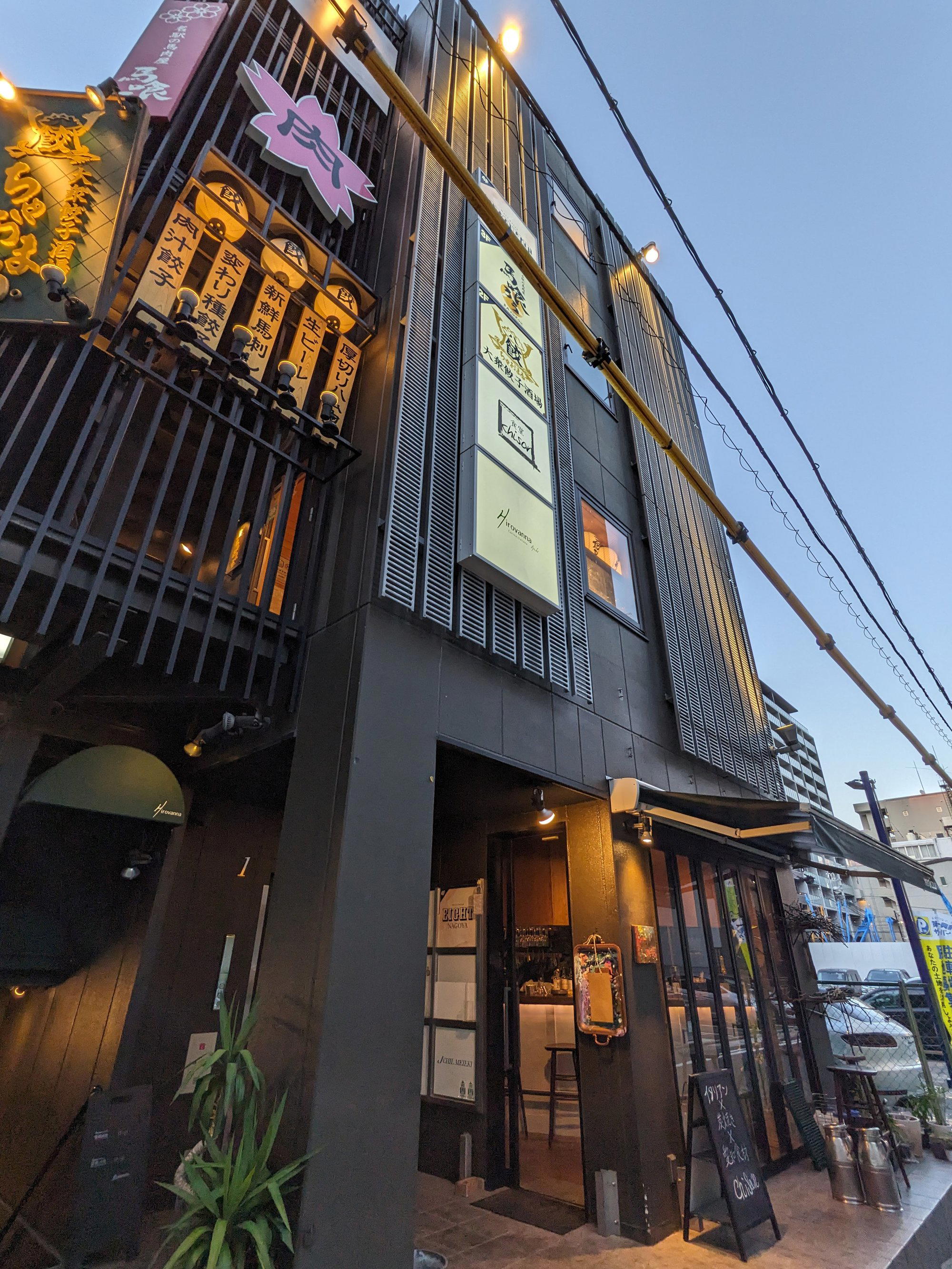
Taniya is located at Japan, 〒451-0041 Aichi, Nagoya, Nishi Ward, Habashita, 1 Chome−1−11 手打ちそば処谷屋, Nagoya.
Is Taniya in Nagoya easy to find, and what neighbourhood is it in?
Taniya is located at 1-1-11 Habashita, Nishi Ward, Nagoya, a residential and working district that sits outside the central areas most visitors prioritise. No website or phone number is listed, so local guidance or Japanese-language search tools are the most reliable route to current details.
What should I eat at Taniya?
Nagoya's broader dining tradition includes miso-based dishes and regional specialities distinct from Tokyo or Kyoto standards. check the venue's official channels or consult local sources before building expectations around a specific menu.
Do they take walk-ins at Taniya?
That absence is itself a signal: restaurants at this tier in Nagoya's Nishi Ward often operate on word-of-mouth or neighbourhood regulars rather than online reservation systems. Arriving without advance confirmation carries real risk, particularly for visitors travelling specifically to dine here.
What makes Taniya worth seeking out?
Taniya sits in Habashita, Nishi Ward, a part of Nagoya that does not appear on most international dining itineraries. Japan holds a tier of restaurants that carry no Michelin designation, no English-language footprint, and no awards trail, yet maintain consistent local followings across years of operation. For a visitor willing to do the groundwork of verifying details before arrival, that is precisely the category Taniya represents.
Peers Worth Knowing
Comparable venues nearby, for context on price, style, and recognition.
| Venue | Cuisine | Price | Awards | Notes |
|---|---|---|---|---|
| TaniyaThis venue (the venue you are viewing) | Handmade Soba & Izakaya | $20–30 | Not listed | Not listed |
| Nagano Meijitei | Nagano Sauce Katsudon | $10–20 | Not listed | Nagano Station |
| Obanzai Anko | Traditional Japanese Obanzai Izakaya | $30–50 | Tabelog 100 #70 | Nakamura |
| Link | Japanese Sake Bar & Izakaya | Not listed | Tabelog 100 #13 | Naka |
| Udon Ryori Sen | Curry Udon & Oden Udon House | $20–30 | Tabelog 100 #82 | Naka |
| Ronin | Japanese Kappo | Not listed | Tabelog 100 #79 | Higashi |