
Ronin places Nagoya’s Higashisakura dining culture in a compact Japanese-cuisine format shaped by fish, sake, shochu and counter service. Its selection for Tabelog Japanese Cuisine EAST 100 in 2021, 2023 and 2025 gives it a clear trust signal within a city better known internationally for miso katsu, hitsumabushi and kishimen than for small-format kappo-style rooms.
Pearl is the En Primeur Club membership app — saves, bookings, and concierge access live there. Same editors, same standards.
- Address
- 愛知県名古屋市東区東桜2-15-11 アメニティ東桜 1F
- Phone
- +81529315333
- Website
- ronin-higashisakura.com
 Saves & bookings on Pearl
Higashisakura after dark has a different register from Nagoya Station’s department-store dining floors and Sakae’s louder drinking streets. The appeal here is quieter: smaller rooms, counter-led Japanese cooking, and a clientele that treats dinner as a sequence rather than a spectacle. Ronin belongs to that Nagoya category, a compact Japanese-cuisine address where fish is the central signal and the drinks list leans into sake, shochu and wine rather than cocktail theatre.
Nagoya’s food identity is often reduced to local comfort dishes: miso-sauced cutlets, eel over rice, flat kishimen noodles, peppery chicken wings. That shorthand is useful for first-timers, but it misses the city’s more adult dining tier, where the conversation shifts from regional branding to product handling, pacing and drink pairing. In that context, a Tabelog Japanese Cuisine EAST 100 selection in 2021, 2023 and 2025 matters. It places the restaurant inside a regional Japanese-cuisine cohort rather than the casual Nagoya-meshi circuit.
Fish-led Japanese cooking in a city better known for Nagoya-meshi
The cultural point is not that Nagoya lacks serious Japanese restaurants; it is that the city’s international reputation has often lagged behind Tokyo, Kyoto and Osaka. Local demand, corporate dining and a strong after-work culture have supported a dense middle-to-premium tier without needing the same inbound tourism narrative. Ronin’s fish focus fits that pattern: the format rewards attention to sourcing, temperature, knife work and pacing, but it does not require the theatrical language attached to many destination counters.
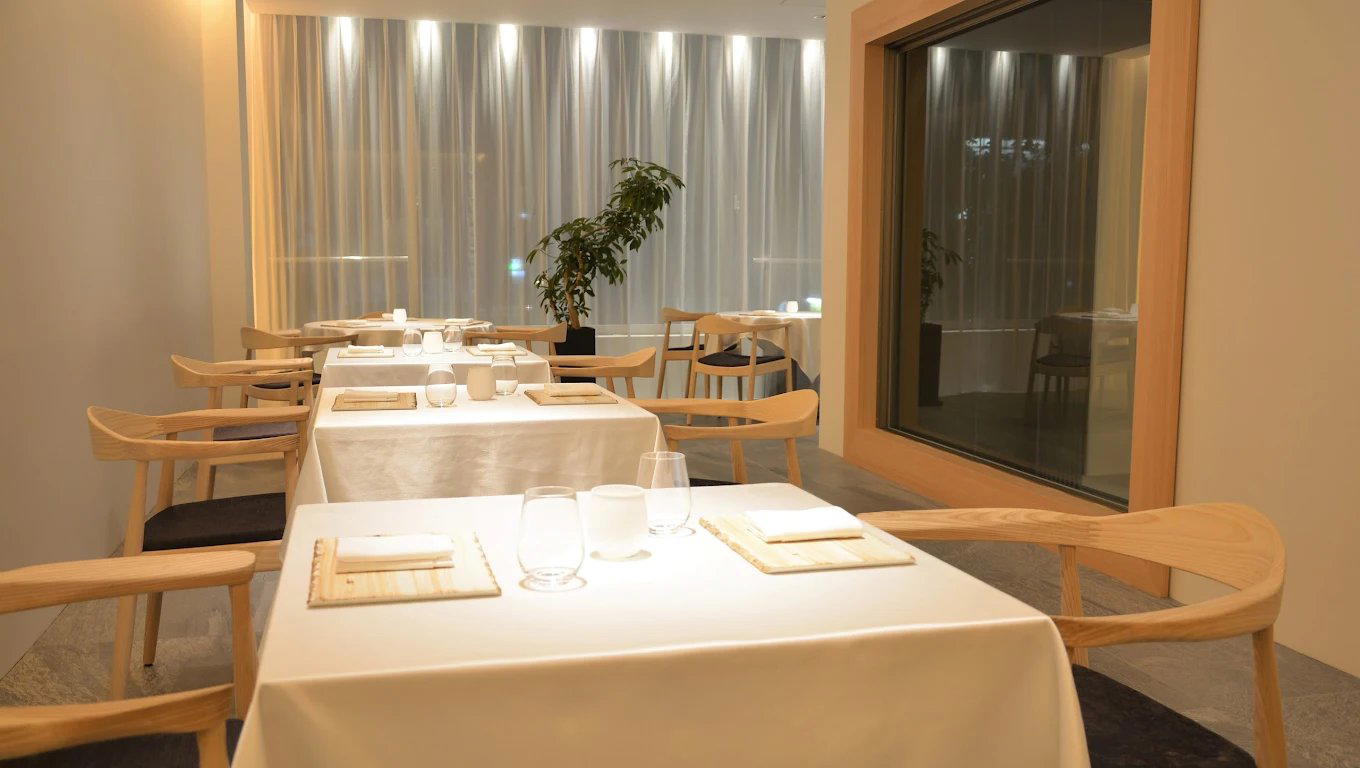
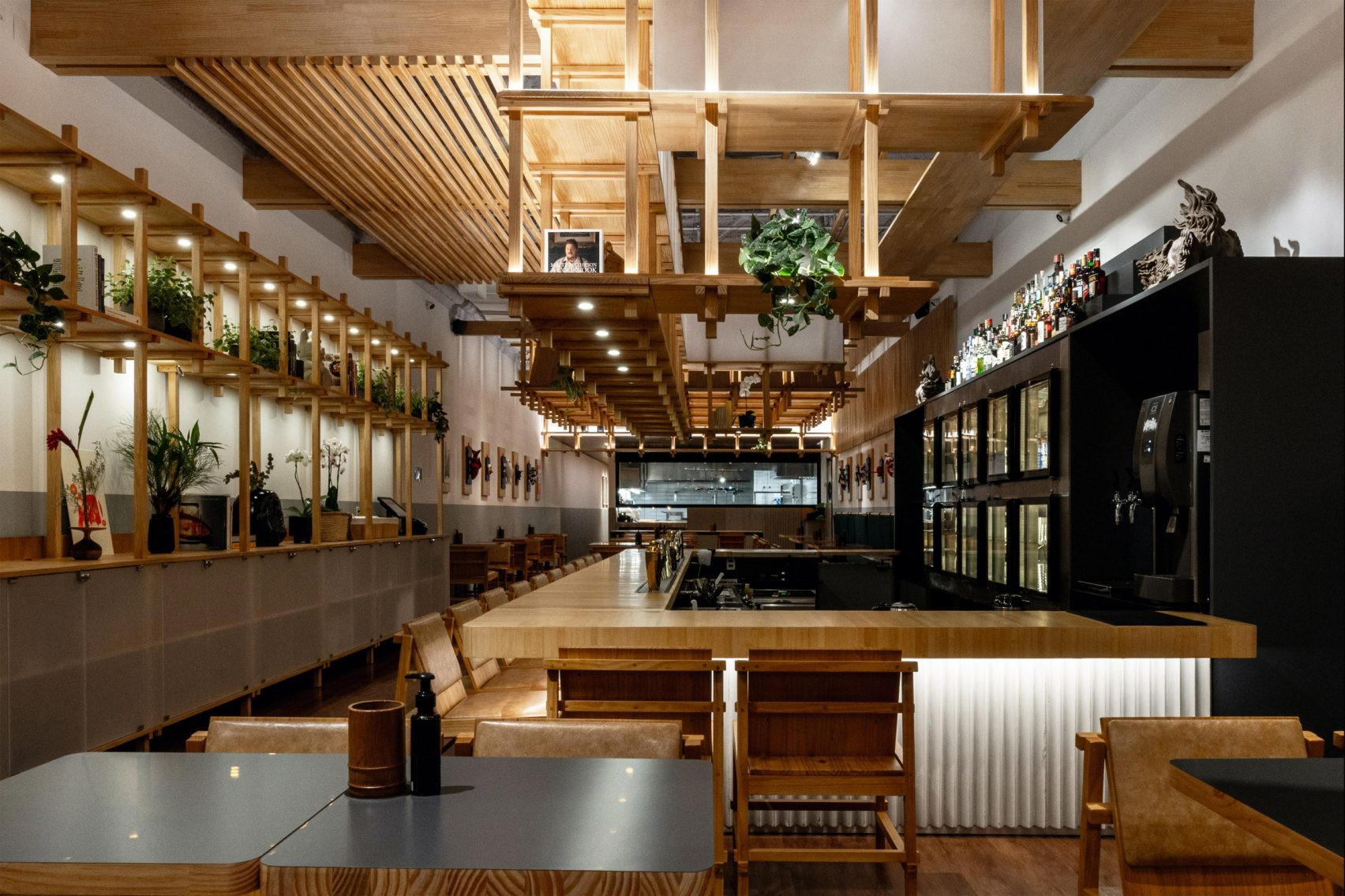
The room’s scale also shapes the meal. With 15 seats, including a nine-seat L-shaped counter and one table, the experience sits closer to small Japanese dining than banquet-style kaiseki. Counter seating changes the energy of Japanese cuisine: the kitchen becomes part of the rhythm, drinks can follow the food more naturally, and the meal depends less on décor than on timing. That is why this kind of address appeals to diners who want Nagoya beyond its famous regional dishes, but do not need the formality associated with a grand hotel restaurant.
Within Nagoya’s premium dinner band, Ronin sits near several different reader decisions. 1022, 451, Aaron, Alan. and All Day Dining Montmartre show how varied the city’s restaurant map has become, from niche independents to hotel-linked dining. Comparison venues in Nagoya point to the same spread: L'atelier K occupies a higher dinner band, while Yakiniku Asahi, Yagumo and Teppan Ryori Rakuda Nagoya ten overlap with Ronin’s premium-casual spend. The choice is less about status and more about mood: fish-led Japanese cooking, beef, teppan, or a broader contemporary format.
The value of recognition without Tokyo-style noise
Tabelog’s Hyakumeiten lists are useful in Japan because they capture a form of local and regional validation that does not always match Michelin-style destination dining. For Japanese cuisine in the EAST category, repeat selection across multiple years signals durability, not a one-season spike. Ronin’s 2025 inclusion, following earlier selections in 2023 and 2021, gives it that continuity. In a city where premium dining can be highly local in audience, that matters more than generic praise.
The drinks profile also says something about the room. Sake and shochu are not decorative add-ons in this category; they are part of how fish-led Japanese cooking is read. Wine’s presence broadens the table without turning the meal into a Western fine-dining template. For travellers, that makes the restaurant useful as a Nagoya dinner when the goal is Japanese cuisine with a serious beverage spine rather than another round of regional specialities.
The absence of private rooms keeps the emphasis on shared room energy and counter proximity. Private use is listed for groups up to 20, which points to a small-format restaurant that can shift into a controlled group setting, but the stronger editorial case is the regular service: compact, drink-aware, and suited to friends or business-adjacent dining rather than high-ceremony entertaining.
How to place it in a Nagoya itinerary
For a short trip, Ronin makes sense after the city’s obvious dishes have been handled. Nagoya-meshi gives the place its public personality; restaurants like this show how locals eat when the evening calls for quieter Japanese cooking and a longer drinks arc. It is also a useful contrast to louder central-area dining, especially for travellers staying near Sakae, Higashisakura or the eastern side of the city centre.
Readers mapping a full stay should treat the restaurant as one part of a broader Nagoya plan rather than an isolated trophy booking. Use Our full Nagoya restaurants guide for the wider dining field, then pair it with Our full Nagoya hotels guide, Our full Nagoya bars guide, Our full Nagoya wineries guide and Our full Nagoya experiences guide to build the rest of the itinerary. For wider Japan and Japanese-dining context, compare the regional spread with -Grilled beef Sukiyaki- KAMAKURA TANUKIAN 鎌倉 たぬき庵 in Kamakura. 鮪と炭火焼き うお炭 秋葉原店 in Tokyo.cafe in Osaka.know in Kumamoto, (Shoku) Vietnam in Kawasaki, [Curry Senmon Ten] Maruyama Kyoju. in Sapporo, Jōdo Saké Bar in Los Angeles and Onigiri Time in Pasadena. The pattern is instructive: Japanese dining travels well as an idea, but its local expressions remain highly specific. Ronin’s strength is that it reads as Nagoya, not as a smaller-city imitation of a capital-city counter.
Where It Fits
Comparable options at the same price tier.
| Venue | Cuisine | Price | Notes |
|---|---|---|---|
| RoninThis venue — the venue you are viewing | Japanese Kappo | $$ | Not listed |
| Torin Chi Nagoya shinsakae ten | Hakata-style grilled chicken izakaya | $$ | Naka |
| カモシヤ | Miso Oden & Wine Izakaya | $$ | Naka |
| Link | Japanese Sake Bar & Izakaya | $$ | Naka |
| Obanzai Anko | Traditional Japanese Obanzai Izakaya | $$ | Nakamura |
| kitchen NOMU | Yoshoku (Japanese-style Western) & Hamburger Steak | $$ | Meitō |
Recognition history
Dated appearances from independent guides and award organizations, with the underlying list record or original source where available.
Tabelog 100 #79 · No. 79
Tabelog · Tabelog 100 - Japanese cuisine - EAST - 2025
Continue exploring
More in Nagoya
Restaurants in Nagoya
Browse all →
At a Glance
- Classic
- Cozy
- Intimate
- Sophisticated
- Business Dinner
- Date Night
- Celebration
- After Work
- Special Occasion
- Standalone
- Sake Program
- Local Sourcing
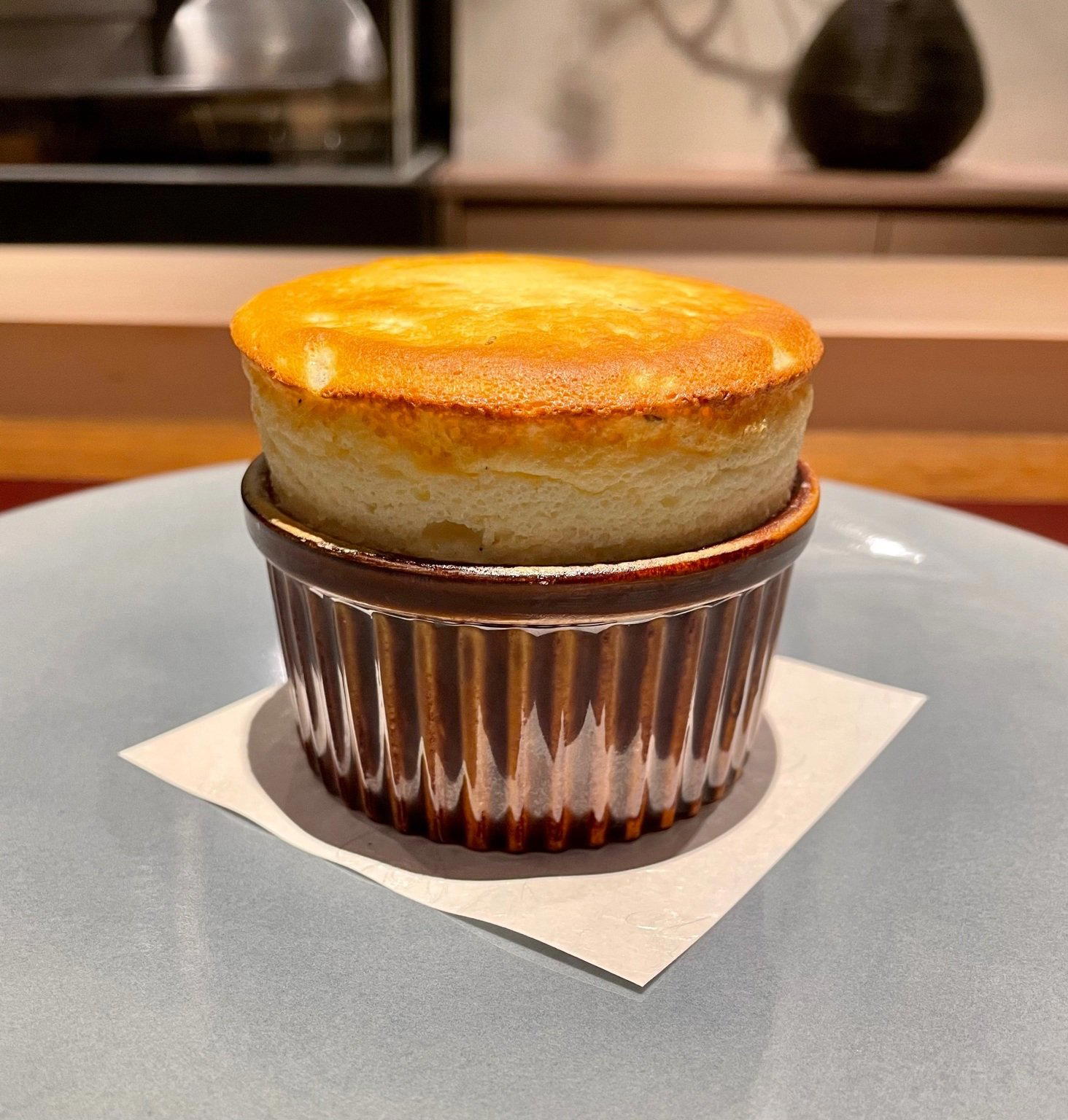
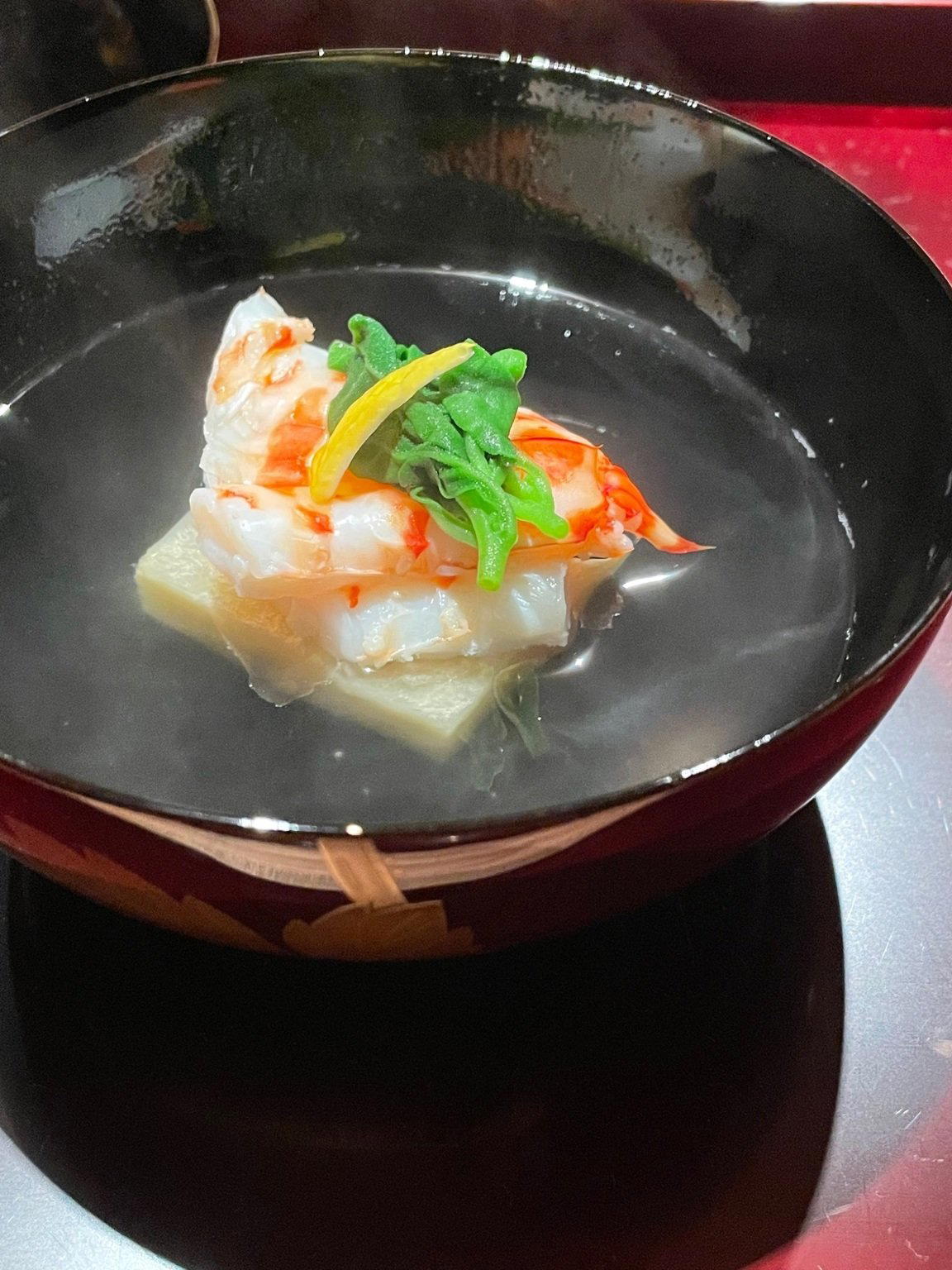
A refined, understated kappo atmosphere with a mix of Japanese character and subtle Western touches, suited to relaxed dinners, business use, and celebrations.