
Udon Ryori Sen gives Nagoya’s noodle scene a serious, izakaya-adjacent reading: curry udon, wheat noodles, oden, sake, and shochu in a compact Sakae address near Fushimi. Its Tabelog 100 Udon EAST selections in 2020, 2022, and 2024 place it among the region’s recognized udon specialists rather than casual filler between larger meals.
Pearl is the En Primeur Club membership app — saves, bookings, and concierge access live there. Same editors, same standards.
- Address
- 愛知県名古屋市中区栄2-4-24 谷口ビル 1F
- Phone
- +81522218883
- Website
- tabelog.com
 Saves & bookings on Pearl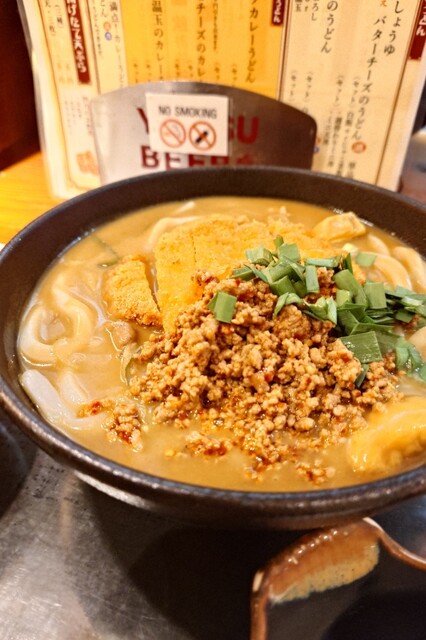
The approach to a good Nagoya udon room is rarely theatrical. The signal is practical: office blocks thinning into dinner traffic, the pull of Fushimi and Sakae, and a room built for noodles rather than ceremony. Udon Ryori Sen sits in that register, with counter seats, tables, and sunken kotatsu seating shaping a meal that can work as a quick lunch, a small-group dinner, or a longer evening around oden and drinks.
Nagoya is often read from outside through miso katsu, hitsumabushi, and tebasaki, but its everyday noodle culture has equal force. Udon here is not merely a neutral bowl of wheat and broth. Curry udon, kishimen, miso-seasoned comfort cooking, and izakaya-side dishes all belong to the city’s appetite for thickness, heat, and seasoning that does not apologize for itself. That context matters because Sen is not chasing a Tokyo-style tasting counter model. It belongs to a more local grammar: handmade or house-led noodle work, a broth culture tied to Japanese dried-fish technique, and a dinner format broad enough to carry sake, shochu, hot pot, and oden.
Udon in Nagoya is stronger when the room behaves like an izakaya
The sharper reading of Sen is not as a single-dish noodle stop, but as part of a Japanese category that sits between specialist shop and drinking room. Curry udon, udon, and oden are listed together, which places wheat noodles beside simmered dishes rather than treating them as a standalone lunch utility. That combination changes the pace of the meal. A bowl can be the centre, but the structure also supports shared plates, hot broth, and drinks that stretch dinner beyond the time it takes to finish noodles.
The technique behind this style is quietly international in spirit without announcing itself as fusion. Japanese udon depends on wheat handling, resting, cutting, and broth extraction, while curry udon folds in a spice form Japan absorbed and domesticated over more than a century. The local ingredient story sits in the stock and side dishes: dried fish, wheat flour blends, pork, chicken, and vegetables treated through Japanese simmering logic. Sen’s public description points to noodles made from a blend of three flours and aged overnight, with broth using katsuo from Makurazaki and muroaji from Yaizu. That is the relevant detail. The dish is built from domestic sourcing and Japanese craft, but the curry format shows how imported technique becomes part of local comfort rather than a novelty.
Recognition adds weight here. Sen has been selected for Tabelog 100 Udon EAST in 2020, 2022, and 2024, a useful marker because udon awards are crowded with shops that live or die on repeat local use rather than destination dining theatrics. In a city where higher-spend rooms such as Sugimoto Honten, THE CONDER HOUSE, Sen Kame, and Rose Room Nagoya occupy different occasions, this address works in a tighter category: less formal than a special-occasion dinner, more specific than a generic noodle counter.
The choice is between noodle discipline and Nagoya ease
There is a reason udon specialists can be harder to assess than sushi counters or French dining rooms. The differences are rarely theatrical. Texture, resting time, broth clarity or density, and the way curry coats the noodle matter more than rare ingredients or dramatic plating. Sen’s appeal is that it keeps those criteria inside a room with multiple seating styles and a drinks list that includes sake and shochu. For travelers, that means the meal can read as Nagoya-specific without requiring a long formal sitting.
The oden element also matters. In Japan, oden is one of the great cold-weather drinking foods, but it is not limited to winter in the way outsiders often assume. Its value in an udon room is structural: it gives the table something to eat before or beside noodles, and it connects broth culture across categories. Udon broth, curry sauce, and oden stock all depend on extraction and seasoning balance. A restaurant that treats these as related forms is operating with a broader understanding of dashi than a shop built only around quick turnover.
For comparison within Nagoya, a French-leaning table such as ラ・フロレゾン・ドゥ・タケウチ asks the diner to think in courses; meat-led Sugimoto Honten moves around a different idea of richness; THE CONDER HOUSE brings a larger-format urban dining language. Sen is narrower and better for that narrowness. It gives the city’s noodle culture a place in the same conversation as costlier dining without pretending to be the same occasion.
How to place it in a Nagoya itinerary
Sen suits travelers who want one meal that feels rooted in the city’s daily eating habits rather than in hotel-dining polish. The Sakae and Fushimi area is a natural base for that kind of meal: central, commercially dense, and easier to fold into a day of museums, shopping, or bar-hopping than an outer-neighbourhood detour. The restaurant’s non-smoking policy and mix of counter, table, and sunken seating also make it less rigid than many specialist rooms.
The planning decision is simple. Choose it when the itinerary needs a regional noodle meal with enough depth for dinner, not just a quick bowl between appointments. Lunch pricing sits in a lighter bracket, while dinner moves into a modest izakaya range; that spread is part of the point. The same address can function as an economical daytime stop or a more rounded evening built around udon, oden, and drinks.
Readers building a broader Nagoya plan can place Sen alongside EP Club’s city coverage: Our full Nagoya restaurants guide, Our full Nagoya hotels guide, Our full Nagoya bars guide, Our full Nagoya wineries guide, and Our full Nagoya experiences guide. Nearby and broader Japan listings worth cross-checking include 1022, 451, Aaron, Alan., All Day Dining Montmartre, -Grilled beef Sukiyaki- KAMAKURA TANUKIAN 鎌倉 たぬき庵 in Kamakura. 鮪と炭火焼き うお炭 秋葉原店 in Tokyo.cafe in Osaka.know in Kumamoto, (Shoku) Vietnam in Kawasaki, [Curry Senmon Ten] Maruyama Kyoju. in Sapporo, Jōdo Saké Bar in Los Angeles, and Onigiri Time in Pasadena.
Pricing, Compared
Comparable venues for context, by category and price tier.
| Venue | Cuisine | Price | Notes |
|---|---|---|---|
| Udon Ryori SenThis venue — the venue you are viewing | Naka, Curry Udon & Oden Udon House | $$ | Not listed |
| Link | Naka, Japanese Sake Bar & Izakaya | $$ | Not listed |
| tonkatsu joni | Not listed | $$ | Nakamura, Tonkatsu (Japanese pork cutlet) specialist |
| Shunsai Tempura Shinra | Nakagawa, Seasonal Tempura Course Dining | $$ | Not listed |
| Una Toyo | Not listed | $$ | Mizuho, Traditional Nagoya charcoal-grilled unagi |
| Kitchen Beniy | Not listed | $$ | Naka, Classic Yoshoku (Japanese-style Western) & Steak |
Recognition history
Dated appearances from independent guides and award organizations, with the underlying list record or original source where available.
Tabelog 100 #82 · No. 82
Tabelog · Tabelog 100 - Udon - EAST - 2024
Continue exploring
More in Nagoya
Restaurants in Nagoya
Browse all →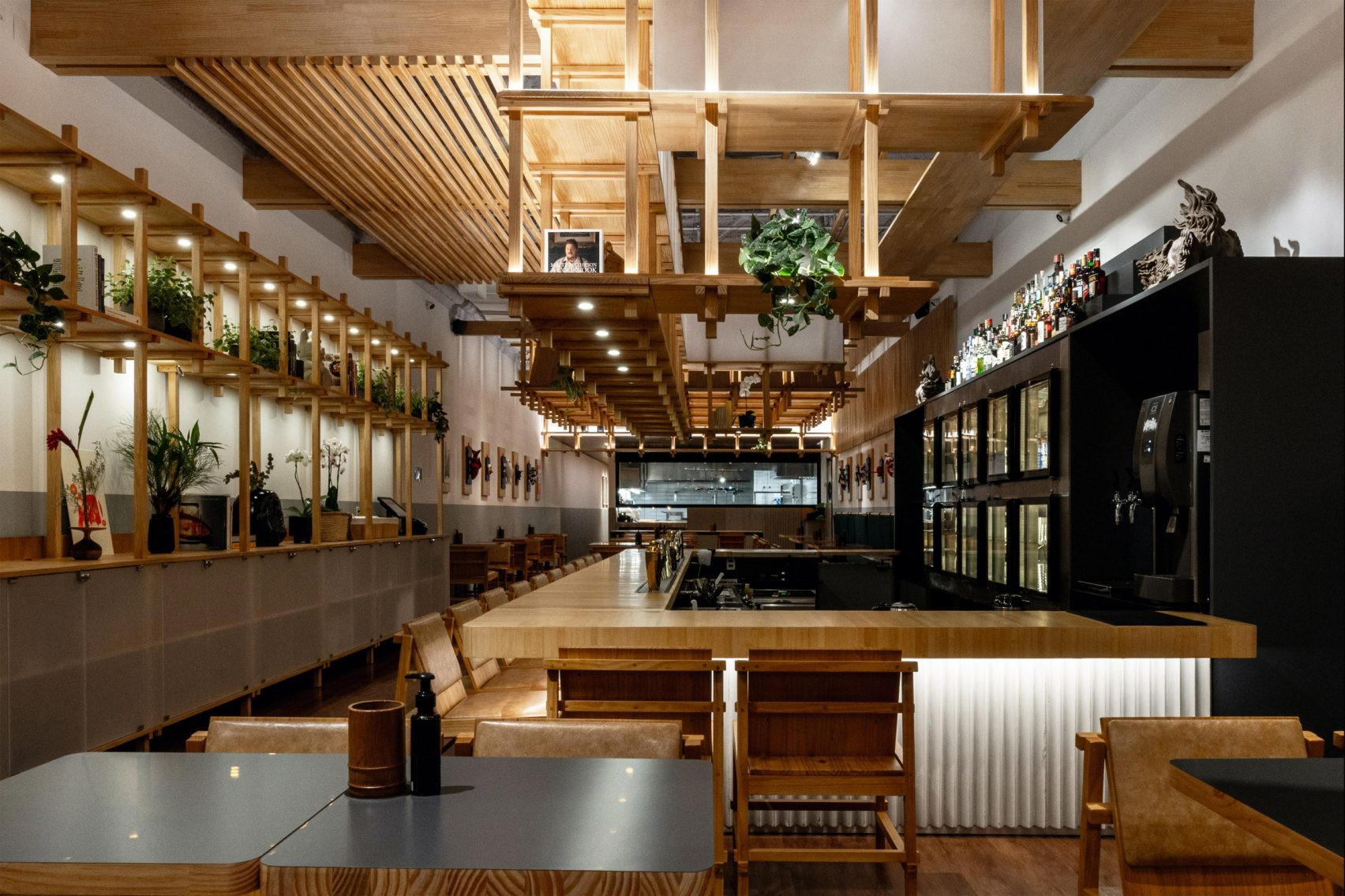
At a Glance
- Cozy
- Lively
- Classic
- Casual Hangout
- After Work
- Group Dining
- Solo
- Standalone
- Private Dining
- Sake Program
- Beer Program
A relaxed, casual udon restaurant with counter, table, and sunken kotatsu tatami seating, designed for lingering over noodles, oden, and hotpots in a comfortable, non-smoking space that suits small groups of friends.