
Nagoya’s izakaya culture is often read through miso, tebasaki, and station-area drinking, but Obanzai Anko points to a quieter counter tradition: small-format Japanese cooking, sake, and a room built for close-range dining. Its Tabelog 100 Izakaya EAST selections in 2022, 2024, and 2025 give it a clear quality signal without pushing it into formal-restaurant territory.
Pearl is the En Primeur Club membership app — saves, bookings, and concierge access live there. Same editors, same standards.
- Address
- 1 Chome-10-19 Meiekiminami, Nakamura Ward, Nagoya, Aichi 450-0003, Japan
- Phone
- +81 52-581-3101
- Website
- tabelog.com
 Saves & bookings on Pearl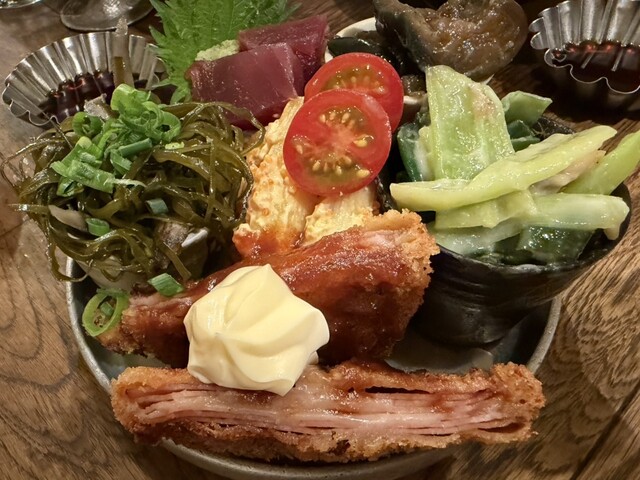
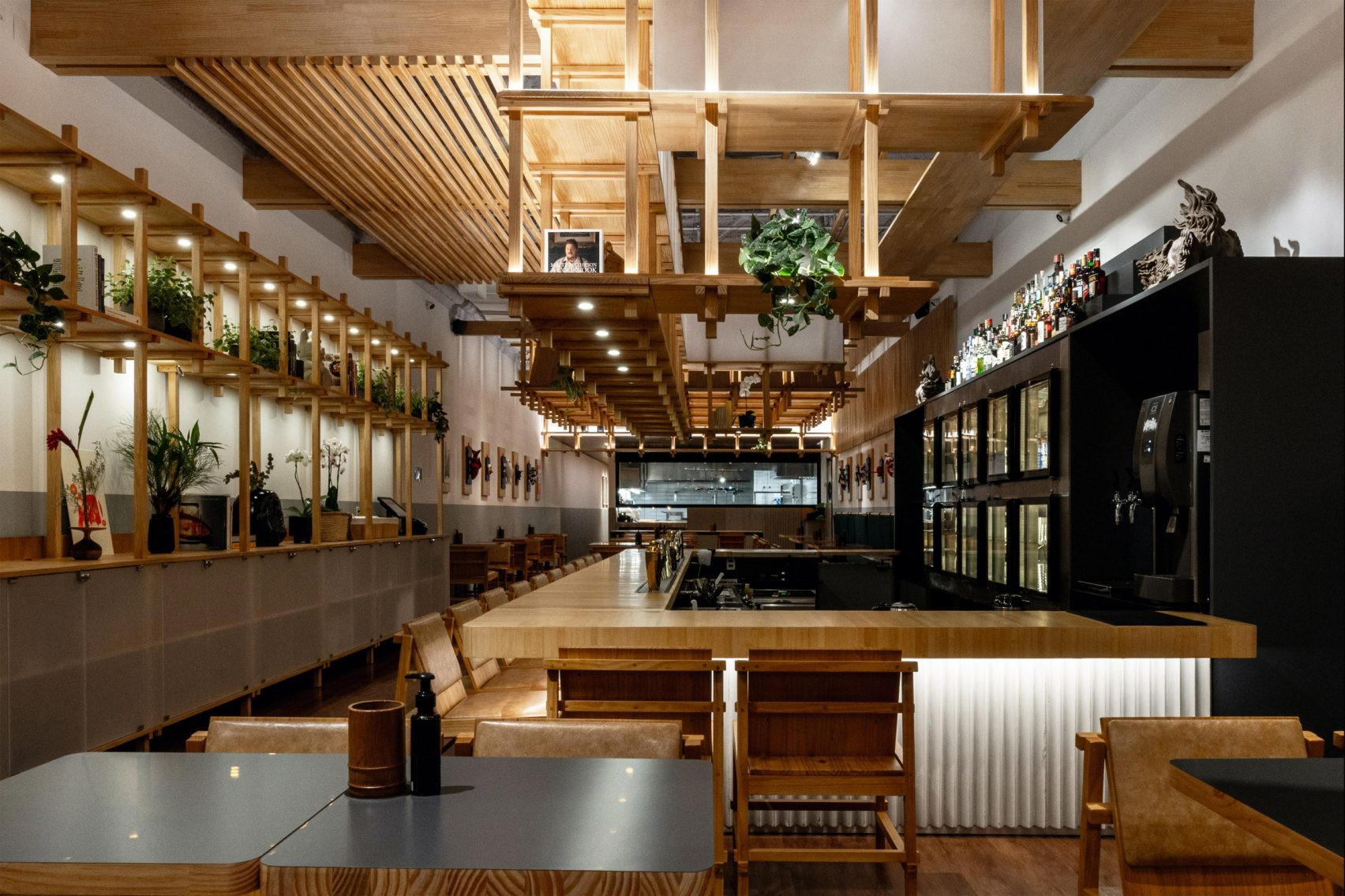
Approach the Meiekiminami side of Nagoya and the city shifts from station-scale movement to smaller drinking rooms, narrow counters, and after-work addresses that reward precision over spectacle. In that setting, Obanzai Anko belongs to the compact izakaya category rather than the big-table, beer-hall version of the form. The point is proximity: counter seating, Japanese cooking, sake and shochu, and a room small enough that the meal reads as a conversation with the cooking rather than a night out built around volume.
Nagoya dining is often reduced to its louder local signatures, but its stronger modern story is range. The city can support coffee mornings, eel specialists, steak rooms, French-influenced restaurants, and tiny izakaya counters within a few train stops of one another. For broader mapping, Our full Nagoya restaurants guide is the useful starting point; the city’s hotel, bar, wine, and experience context sits separately in Our full Nagoya hotels guide, Our full Nagoya bars guide, Our full Nagoya wineries guide, and Our full Nagoya experiences guide.
A small-counter izakaya in a city that rewards specialization
The current Nagoya dining field is not short on category specialists. BUCYO COFFEE works in the lower-priced café lane, Steak House Sue sits in a much higher dinner bracket, Ichibiki occupies a focused Japanese dining tier, Salamanger de Casino brings a French-leaning price point, and 451 is priced above the casual izakaya range. Against that spread, Obanzai Anko’s importance is not size or luxury. It is the tighter proposition: Japanese cuisine in an izakaya frame, with a drink program centered on sake and shochu, inside a 10-counter-seat format.
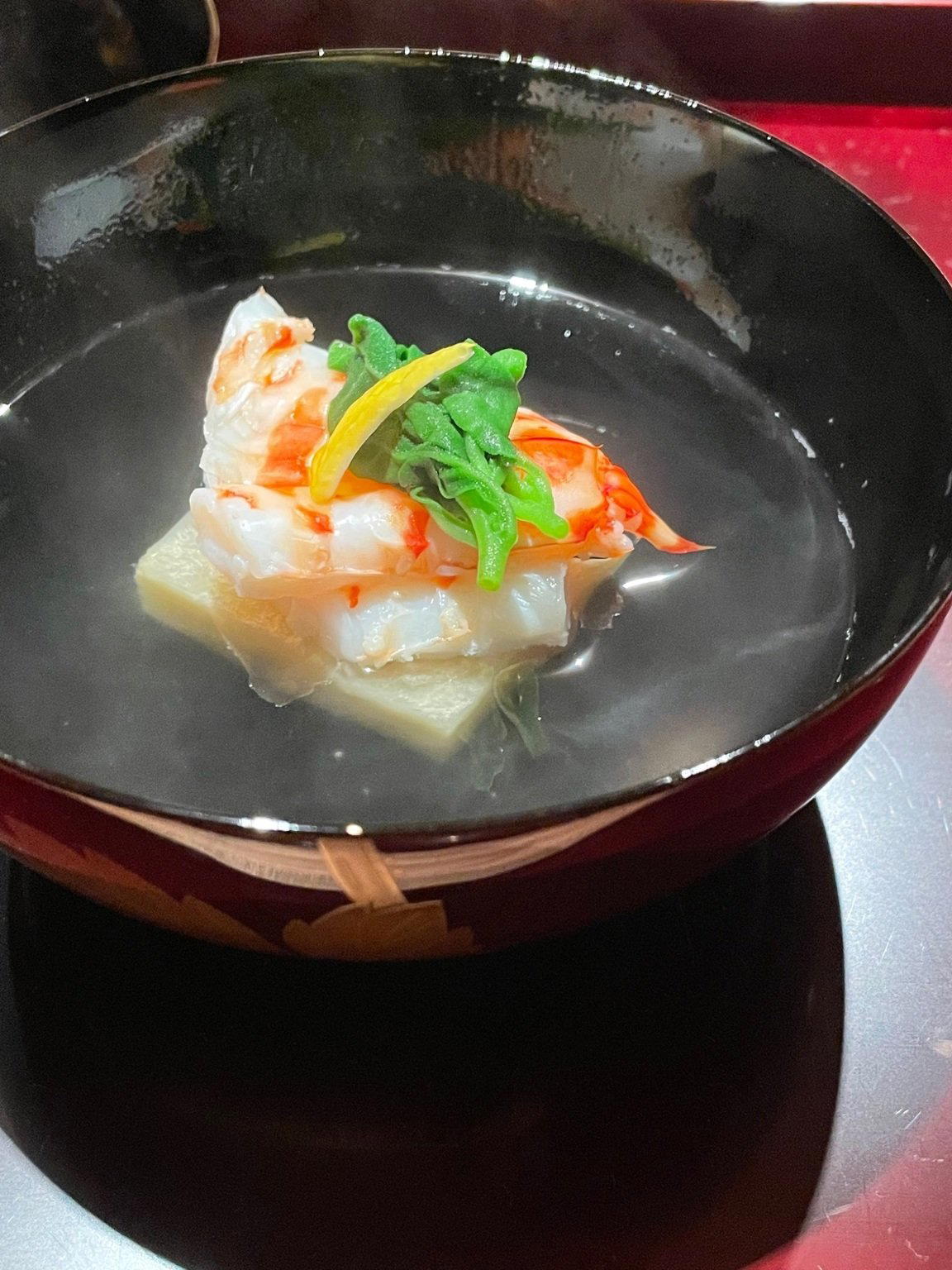
That format matters because obanzai cooking, associated most closely with Kyoto home-style side dishes, has become a flexible language for small Japanese restaurants outside Kyoto as well. In Nagoya, it offers an alternative to the city’s heavier shorthand. The pleasure is in sequence and variety rather than ceremony: small cooked dishes, drinking pace, and the counter’s immediate view of service. No chef biography is needed to make the case. The structure itself explains the appeal.
The quality signal is unusually clear for a venue of this scale. Obanzai Anko was selected for Tabelog 100 Izakaya EAST in 2022, 2024, and 2025, and carries a Tabelog score of 3.79. Those numbers do not turn it into a formal tasting-menu address; they place it among izakaya that Japanese diners have separated from the routine after-work field. That distinction is more useful than a generic claim of popularity, because izakaya excellence is often measured by consistency, pacing, drink compatibility, and whether a small room keeps its identity as attention grows.
The evolution is toward restraint, not expansion
The opening date, 2020, gives the place a specific position in Nagoya’s recent dining cycle. Restaurants from that period had to survive through years when small-room hospitality was under pressure, then decide whether to broaden, polish, or hold a narrower line. Here, the evidence points to restraint. Counter seating remains the defining physical fact; private rooms are not part of the format; non-smoking service and take-out sit alongside the in-room experience rather than replacing it. The evolution has been toward recognition without obvious inflation of the concept.
That restraint is why the venue reads differently from Nagoya’s more expansive dining options. A steak dinner at Steak House Sue or a French meal at Salamanger de Casino makes the occasion explicit through price and format. A counter izakaya has to work with smaller signals: how the first drink is matched to the cooking, whether the room is comfortable for solo dining, how families fit into a compact setting, and whether the cooking can carry repeat visits without relying on spectacle. The restaurant’s listed occasions, family friendly and solo dining friendly, are not throwaway tags in this context. They describe the social breadth that strong izakaya often manage better than formal restaurants.
The drink emphasis also places the restaurant in a specific Japanese tradition. Sake and shochu are not accessories to izakaya cooking; they shape the rhythm of ordering and the way dishes are portioned. A counter that is particular about sake signals a meal designed for incremental decisions rather than a fixed march. That makes the room better suited to diners who enjoy Japanese dining as a set of small choices, not as a grand performance.
How to read it within a Nagoya itinerary
For travelers building a Nagoya food itinerary, the useful comparison is not only within the city. Japan’s casual and specialist restaurant culture covers a wide field, from -Grilled beef Sukiyaki- KAMAKURA TANUKIAN 鎌倉 たぬき庵 in Kamakura to . 鮪と炭火焼き うお炭 秋葉原店 in Tokyo, .cafe in Osaka.know in Kumamoto, (Shoku) Vietnam in Kawasaki, and [Curry Senmon Ten] Maruyama Kyoju. in Sapporo. Outside Japan, the same reader may connect the sake-led thread to Jōdo Saké Bar in Los Angeles or the everyday Japanese format logic of Onigiri Time in Pasadena, though the Nagoya counter belongs to a more local izakaya grammar.
Within the EP Club Nagoya map, the adjacent names help clarify how narrow the recommendation is. 1022, Aaron, Alan. and All Day Dining Montmartre serve different planning needs; the restaurant is for the diner who wants Nagoya in close quarters, with Japanese cooking, sake, and the social intelligence of a small izakaya. Its appeal is not breadth. It is the discipline of staying compact while earning repeated Tabelog 100 Izakaya EAST recognition.
At-a-Glance Comparison
Comparable venues to calibrate price, style, and recognition.
| Venue | Cuisine | Price | Notes |
|---|---|---|---|
| Obanzai AnkoThis venue — the venue you are viewing | Traditional Japanese Obanzai Izakaya | $$ | Not listed |
| takumi | Charcoal-grilled Yakiniku & Izakaya | $$ | Naka |
| Izakaya Ooedo | Creative Japanese Izakaya & Kushi-age | $$ | Naka |
| Don Hyara | Traditional Japanese Izakaya & Tempura | $$ | Nishi |
| Shabushabu Creative Izakaya Butagin Sakae ten | Lettuce Shabu-Shabu & Pork Izakaya | $$ | Naka |
| Torin Chi Nagoya shinsakae ten | Hakata-style grilled chicken izakaya | $$ | Naka |
Recognition history
Dated appearances from independent guides and award organizations, with the underlying list record or original source where available.
Tabelog 100 #70 · No. 70
Tabelog · Tabelog 100 - Izakaya - EAST - 2025
Continue exploring
More in Nagoya
Restaurants in Nagoya
Browse all →
At a Glance
- Cozy
- Intimate
- After Work
- Casual Hangout
- Solo
- Family
- Group Dining
- Late Night
- Chefs Counter
- Standalone
- Sake Program
- Beer Program
Current opening hours
- Monday
- 3 PM–12 AM
- Tuesday
- 3 PM–12 AM
- Wednesday
- Closed
- Thursday
- 3 PM–12 AM
- Friday
- 3 PM–12 AM
- Saturday
- 3 PM–12 AM
- Sunday
- 3 PM–12 AM
Hours can change for holidays and private events. Last verified .
A small, non-smoking counter izakaya with just ten seats, giving a cozy hideout feel near Nagoya Station; guests sit at the counter and enjoy homestyle obanzai dishes and carefully chosen sake in an intimate, relaxed atmosphere suited to solo diners, small groups, and families alike.