


Takiya places Tokyo tempura in a counter-dining register closer to serious kappo than casual fry house culture. Chef Tatsuaki Kasamoto’s Azabu-Juban address carries heavy recognition: The Tabelog Award 2026 Gold, a 4.55 Tabelog score, La Liste 2026 at 97 points, and a high placement on Opinionated About Dining’s 2026 Japan restaurant ranking.
Pearl is the En Primeur Club membership app — saves, bookings, and concierge access live there. Same editors, same standards.
- Address
- Japan, 〒106-0045 Tokyo, Minato City, Azabujuban, 2 Chome−8−6 ラベイユ 2階
- Phone
- +81 3-6804-1732
- Website
- gfkh800.gorp.jp
- Directions
- Get directions
 Saves & bookings on Pearl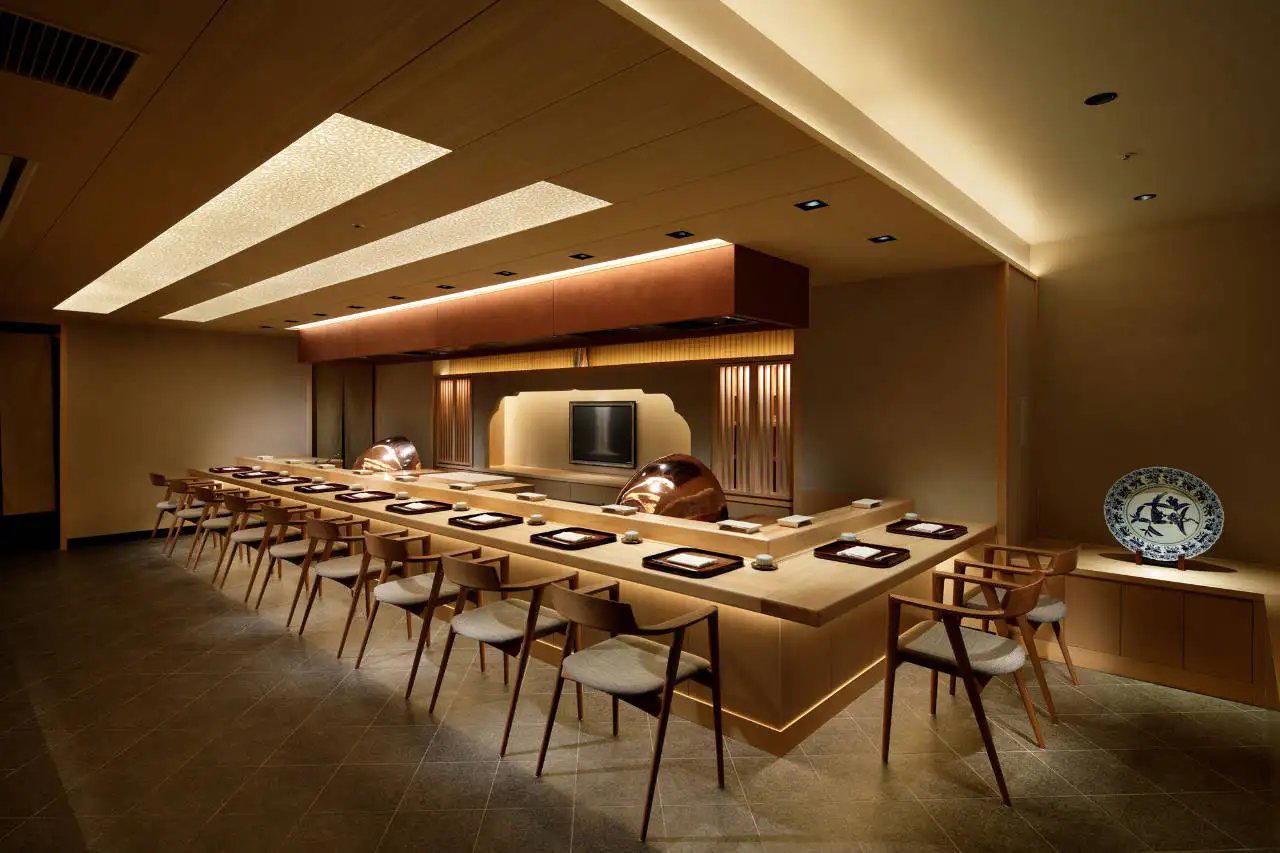
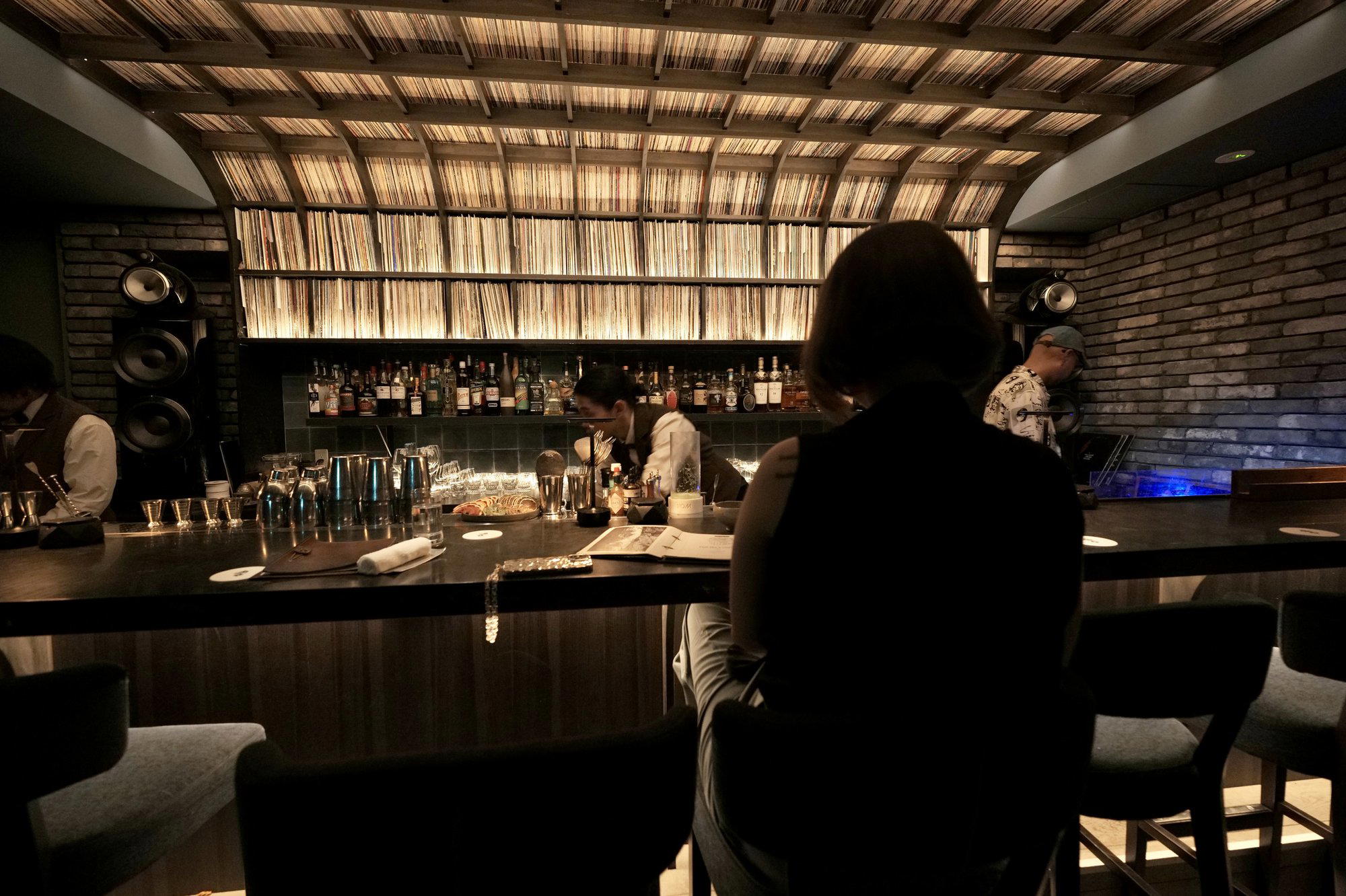
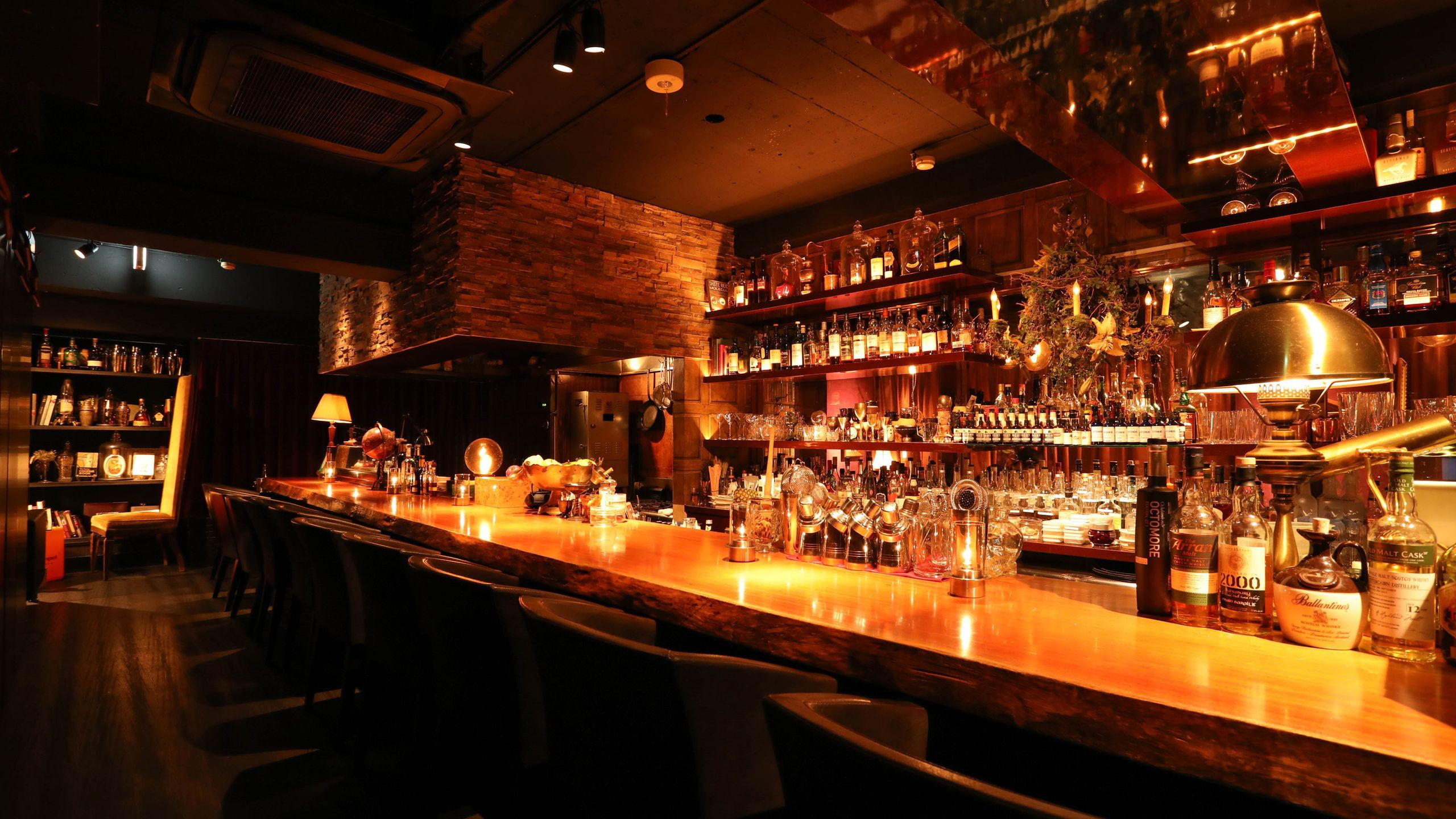
Azabu-Juban changes tone quickly after dark: residential lanes, small drinking rooms, polished counters above street level, and a neighbourhood rhythm built around conversation rather than spectacle. In that setting, tempura becomes a social form as much as a technical one. The counter is the theatre, but not in the loud sense. It is closer to Tokyo’s serious izakaya and kappo culture, where drinking, pacing, and the steady arrival of small hot items shape the evening.
Takiya sits inside that narrower category of Tokyo tempura where the meal is neither a quick tendon stop nor a hotel dining-room performance. The format is intimate, with 10 seats, and the cooking belongs to the city’s high-focus counter tradition: batter, oil temperature, sequencing, and produce selection do the work that sauce and ornament might do elsewhere. That restraint is why tempura at this level is so unforgiving. A sushi counter can build drama through aging, knife work, and rice temperature; a tempura counter has seconds to make its case.
Azabu-Juban tempura with counter-dining discipline
Tokyo’s tempura culture has always split in two directions. One side is everyday and democratic: tendon bowls, lunch sets, neighborhood fry shops. The other is slower, more expensive, and built around the same close-range attention that defines sushi, yakitori, and kappo. Takiya belongs firmly to the second camp, with Chef Tatsuaki Kasamoto’s name attached to a room where the cooking is measured course by course rather than delivered as a platter.
The stronger comparison is not with casual tempura, but with Tokyo’s other specialist counters. Azabu Ichigo, Fukamachi, Akita Tempura Mikawa, Edomae Shinsaku, and Kusunoki Nagoya all sit in the same broader conversation about how far a single craft can be pushed in Japan’s counter-dining economy. Tempura Maehira, Tempura Nitome, Tentempura Uchitsu, and Tempura Kakiage Yukimura show how wide the category becomes inside Tokyo alone, from luxury formats to leaner single-purpose rooms.
The izakaya connection matters because tempura is rarely only about frying at this level. It is about tempo. A serious counter meal borrows the social grammar of drinking culture: small portions, pauses, heat, salt, conversation, and a sequence that rewards attention without demanding silence. The difference is concentration. Where an izakaya spreads pleasure across grilled fish, pickles, stews, sashimi, and sake, a tempura counter narrows the field until oil becomes the evening’s central instrument.
Awards signal a narrow competitive tier
Recognition around this restaurant is unusually dense for a specialist tempura counter. The Tabelog Award 2026 Gold and a 4.55 Tabelog score place it in the upper range of Japan’s diner-driven restaurant hierarchy, while La Liste 2026 gives it 97 points. Opinionated About Dining ranks it in its 2026 Japan restaurant list, and earlier OAD placements in 2025, 2024, and 2023 indicate sustained attention rather than a single-cycle spike.
That pattern matters more than any single badge. Tokyo has many acclaimed restaurants, but repeat recognition across Japanese and international lists usually points to consistency in a category where tiny deviations are obvious. Tempura is a cuisine of compression: a few ingredients, a narrow window of doneness, and a counter close enough for diners to read the chef’s timing. There is little room to hide behind narrative, décor, or abundance.
At this level, price and scarcity tend to follow the same logic as high-end sushi: limited seats, a chef-led format, and a meal structure that depends on exact pacing. The reader’s decision is therefore less about whether the restaurant is “worth it” in a generic luxury sense, and more about appetite for a specialist experience. Diners looking for breadth across many Japanese preparations may be better served by kappo or an ambitious izakaya. Diners who want to understand why tempura occupies its own high-craft lane in Tokyo will find the case here much clearer.
Where it fits in a Tokyo food itinerary
Azabu-Juban is useful territory for this kind of meal because it avoids some of the performative pressure of Ginza while remaining close to central Tokyo’s serious dining circuits. The neighbourhood can support a counter restaurant without turning the evening into a destination spectacle. That suits tempura, a cuisine whose luxury is often quieter than the city’s sushi mythology and less exportable than ramen or yakitori.
For a broader Tokyo plan, place this meal alongside one or two other counter forms rather than stacking it against unrelated fine dining. Sushi explains rice and fish temperature; yakitori explains charcoal, smoke, and part-by-part sequencing; tempura explains oil as a precision tool. Together, they reveal why Tokyo’s small counters remain so influential: each one takes a familiar category and makes the diner pay attention to timing.
Readers building a wider Japan itinerary can use our full Tokyo restaurants guide for adjacent dining choices, then cross-reference our full Tokyo hotels guide, our full Tokyo bars guide, our full Tokyo wineries guide, and our full Tokyo experiences guide for the rest of the trip. For contrast outside Tokyo, compare the tempura conversation with Enyuan Kobayashi, Tempura in Kyoto and Gion Senryu, Tempura in Kyoto. Other regional pages, from [ki:] in Kyoto to -Grilled beef Sukiyaki- KAMAKURA TANUKIAN 鎌倉 たぬき庵 in Kamakura.cafe in Osaka.know in Kumamoto, (Shoku) Vietnam in Kawasaki, and [Curry Senmon Ten] Maruyama Kyoju. in Sapporo, show how different Japanese cities frame specialization in less interchangeable ways.
The editorial read is clear: Takiya is for diners who already understand that tempura is not a side category. Its awards profile gives the booking a clear trust signal, but the deeper appeal is cultural. This is Tokyo counter dining reduced to a disciplined exchange between chef, oil, ingredient, and guest, with the social ease of a small drinking room and the precision of a craft restaurant.
Price Lens
Comparable venues by cuisine and price in the same metro.
| Venue | Cuisine | Price | Awards |
|---|---|---|---|
| TakiyaThis venue — the venue you are viewing | Minato, Premium Seasonal Tempura | $$$$ | Not listed |
| 東麻布 天本 - Amamoto | Minato, Modern Edomae Omakase | $$$$ | Not listed |
| Sushisho Saito | Minato, Innovative Edomae Omakase | $$$$ | Not listed |
| Sushi Namba | Chiyoda, Modern Japanese Omakase | $$$$ | Not listed |
| Aramaki | Minato, Seasonal Yakitori Omakase | $$$$ | Michelin Plate |
| hatsune | Meguro, Modern Omakase Sushi | $$$$ | Michelin Plate |
Recognition history
Dated appearances from independent guides and award organizations, with the underlying list record or original source where available.
La Liste Top Restaurants
La Liste
Opinionated About Dining Top Restaurants in Japan Ranked #18
Opinionated About Dining
Tabelog Gold #34
Tabelog
La Liste Top Restaurants
La Liste
Opinionated About Dining Top Restaurants in Japan Ranked #14
Opinionated About Dining
Tabelog 100 #80 · No. 80
Tabelog · Tabelog 100 - Tempura - 2025
Tabelog Silver
Tabelog
Opinionated About Dining Top Restaurants in Japan Ranked #12
Opinionated About Dining
Opinionated About Dining Top Restaurants in Japan Ranked #7
Opinionated About Dining








At a Glance
- Elegant
- Intimate
- Sophisticated
- Special Occasion
- Celebration
- Date Night
- Chefs Counter
- Open Kitchen
- Extensive Wine List
- Sake Program
- Beer Program
- Local Sourcing
Current opening hours
- Monday
- 5:30–11:30 PM
- Tuesday
- 5:30–11:30 PM
- Wednesday
- 5:30–11:30 PM
- Thursday
- 5:30–11:30 PM
- Friday
- 5:30–11:30 PM
- Saturday
- 5:30–11:30 PM
- Sunday
- 5:30–11:30 PM
Hours can change for holidays and private events. Last verified .
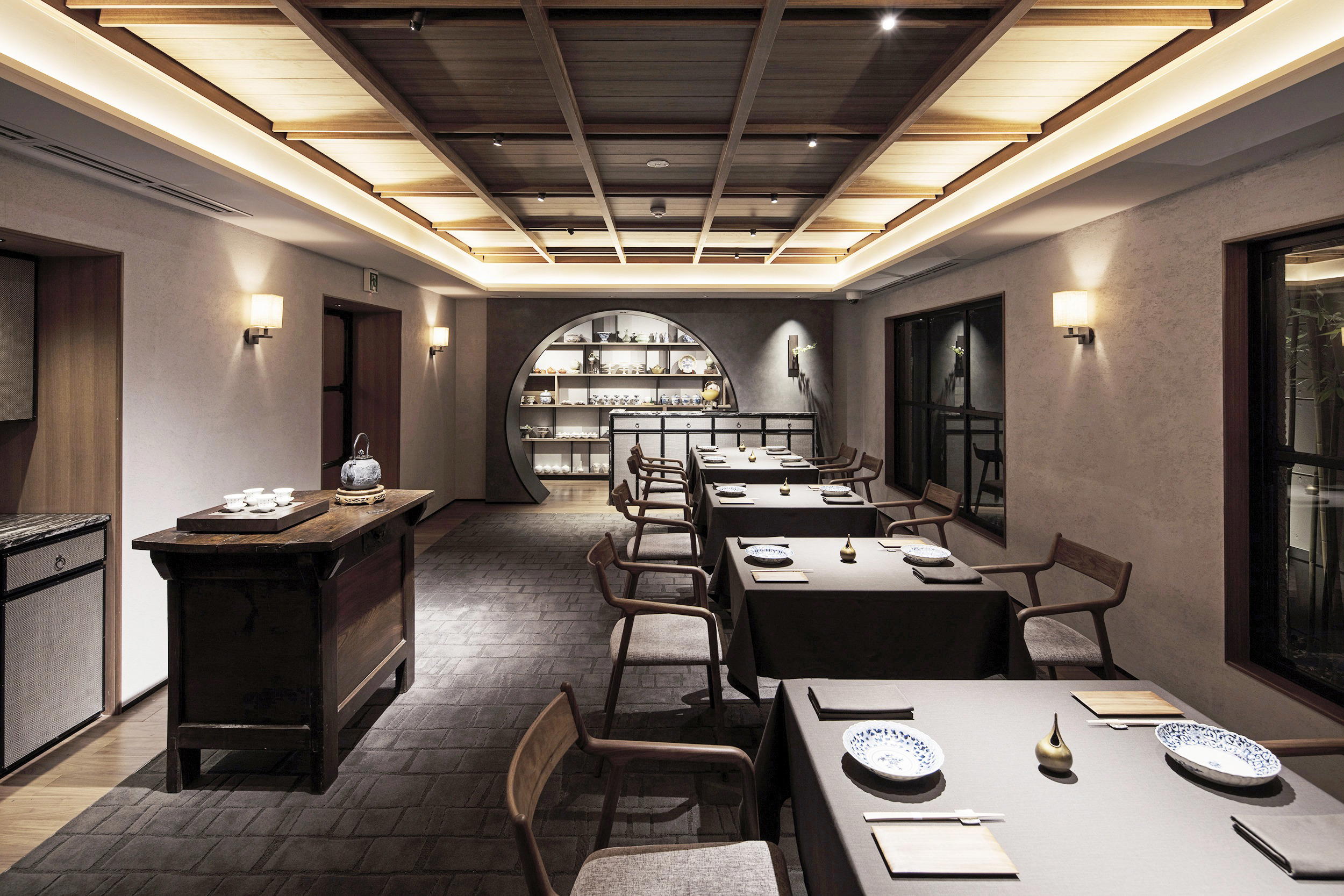
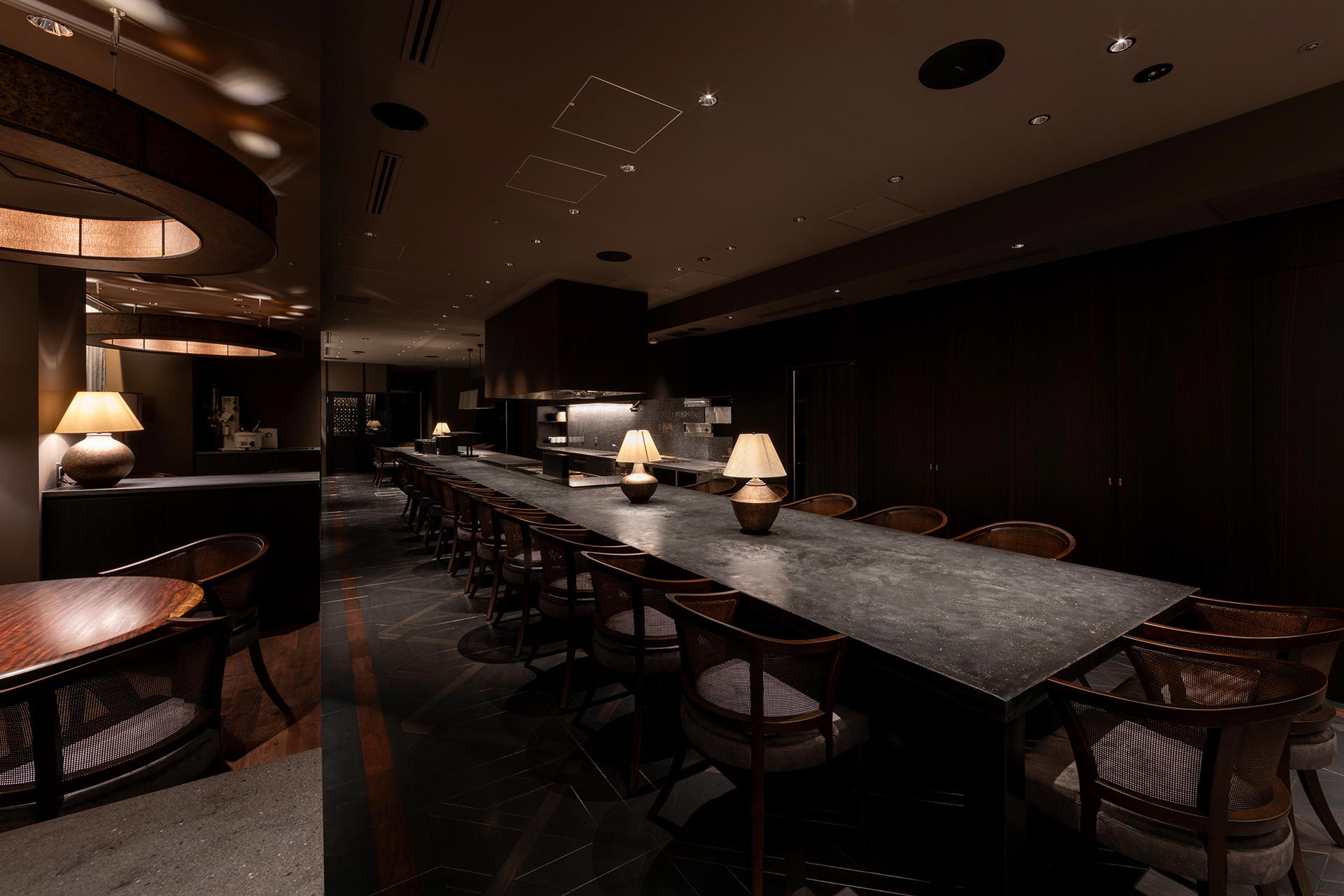
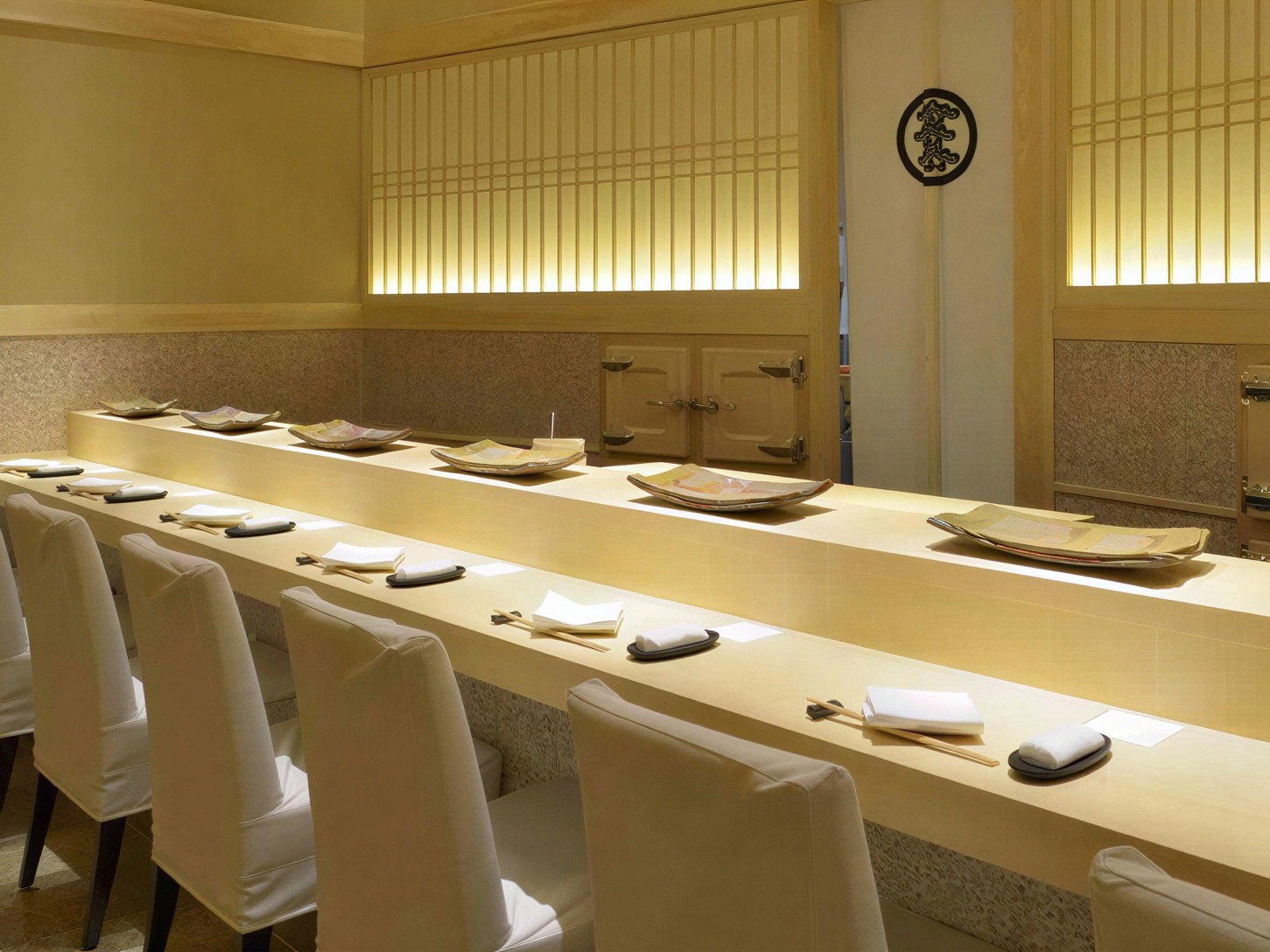
Bright, minimalist dining room clad in blond wood with beautiful pottery and copper tempura grills; warm and welcoming atmosphere with an open kitchen where the chef engages directly with guests.