
Our verdict
Sushi Sugawara sits in Ginza's upper tier of Italian dining, with Chef Shinji Harada leading an evening-only counter that earned Opinionated About Dining's Highly Recommended designation in 2023. Open six nights a week from the third floor of a building on 8-chome, it occupies a niche that positions it alongside Tokyo's most closely watched non-Japanese fine-dining rooms.

Pearl is the En Primeur Club membership app, where members save venues, book tables and use the concierge.
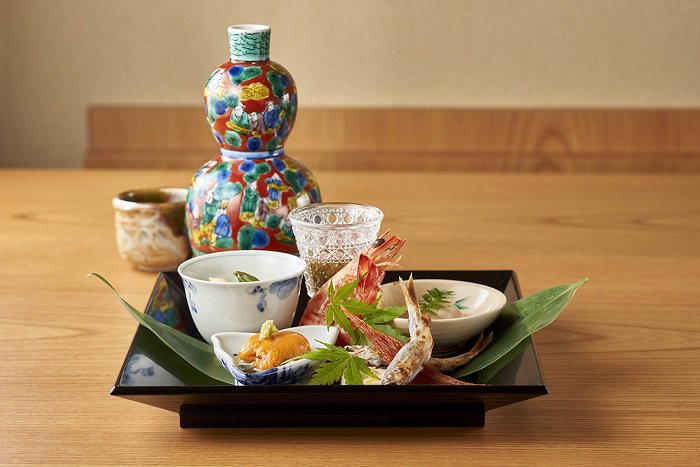
Italian in Ginza: The Quiet Upper Tier
Tokyo's Italian fine-dining scene has fractured over the past decade into two recognisable cohorts. The first is high-visibility: imported brand names, theatrical rooms, menus built for social documentation. The second operates with far less noise but draws sharper critical attention, occupying compact spaces in Ginza or Minami-Aoyama, booking out weeks in advance, and accumulating recognition from specialist critics rather than generalist lifestyle press. Sushi Sugawara, the name notwithstanding, this is an Italian restaurant, belongs to that second group.
Critical Reception and What It Signals
Opinionated About Dining, which publishes one of the more analytically rigorous independent restaurant rankings in Asia, included Sushi Sugawara in its Highly Recommended tier for Japan in 2023. That designation matters not because the list carries official weight in the way Michelin does, but because OAD aggregates votes from a defined community of frequent, experienced diners rather than anonymous inspectors following a codified rubric. A Highly Recommended result in that system reflects repeat visits from people eating at depth across the city. It positions Sushi Sugawara alongside a cohort of restaurants that serious eaters in Tokyo track and return to, not restaurants that surface briefly on tourist itineraries. For context, other OAD-recognised rooms in Tokyo's Italian category include PRISMA and Gucci Osteria da Massimo Bottura Tokyo, though each occupies a distinctly different register of scale and format.
Both possibilities are consistent with the kind of counter-format Italian cooking that characterises Tokyo's specialist tier.
Chef Shinji Harada and the Japanese-Italian Tradition
Chef Shinji Harada leads the kitchen. Japan has produced a generation of Italian-trained chefs who returned home and built menus around the intersection of Italian technique and Japanese product sourcing, a model that has proved more durable in Tokyo than anywhere outside Italy itself. That tradition is part of why Tokyo's Italian scene earns serious critical attention internationally: the discipline applied to ingredient selection, the precision of service, and the relatively small scale of most serious rooms combine to produce a version of Italian cooking that operates at a different standard than most European capitals outside Rome or Milan. Harada fits within that tradition, working in a city where Italian cooking has been taken seriously for long enough that the market can support specialists rather than generalists.
For a broader view of how this tradition plays out across Japan, it is worth noting that Italian-influenced fine dining has developed distinctive regional expressions: cenci in Kyoto applies Kyoto's ingredient culture to an Italian framework, while internationally, 8½ Otto e Mezzo Bombana in Hong Kong represents the kind of Italian fine dining that travels successfully across Asia. Tokyo's version tends to be quieter and more technically focused.
Format and the Ginza Evening Rhythm
Sushi Sugawara operates dinner only, Monday through Saturday, with service running from 6 to 10:30 pm each evening. The Sunday closure is standard for this tier of Ginza dining, where kitchens built around precise supplier relationships tend to follow the wholesale market calendar. The evening-only format is itself an editorial choice: it concentrates the meal into a single, unrushed service window rather than splitting the kitchen's attention across lunch and dinner covers. That structure is common among Tokyo's Italian rooms that take the counter or small-room format seriously.
Ginza 8-chome specifically sits at the southern end of the main Ginza strip, closer to Shimbashi than to the department-store cluster around 4-chome. The dining rooms that operate from upper floors in this part of Ginza tend toward discretion: third-floor addresses in office buildings are a signal in themselves, suggesting a room that relies on word of mouth and repeat custom rather than foot traffic or street-level visibility.
Where Sushi Sugawara Sits in Tokyo's Wider Italian Scene
Tokyo's Italian fine-dining tier has enough depth that readers planning a serious itinerary can build an entire visit around the category alone. At the higher end of the price and format range, rooms like Aroma Fresca and PRISMA have established track records with both local and international critics. Gucci Osteria da Massimo Bottura Tokyo occupies a different position, attached to a global brand identity that shapes its audience and its ambition equally. Sushi Sugawara, by contrast, operates without that kind of institutional backing, which means its OAD recognition is earned purely through what happens in the room on any given evening.
For readers visiting Tokyo with a specific interest in how Japanese chefs have absorbed and reinterpreted Italian cooking traditions, this is one of the rooms worth tracking.
For broader planning, our full Tokyo restaurants guide covers the city's dining categories in depth. Those also exploring accommodation can reference our full Tokyo hotels guide, and for bars and drinks programming, our full Tokyo bars guide maps the current scene. Wine-focused visitors should consult our Tokyo wineries guide and our experiences guide for programming beyond the table.
For readers building a multi-city Japan itinerary that includes serious dining, related rooms worth considering include HAJIME in Osaka, Gion Sasaki in Kyoto, akordu in Nara, Goh in Fukuoka, 1000 in Yokohama, and 6 in Okinawa.
Practical Details
Sushi Sugawara is open Monday through Saturday, 6 to 10:30 pm; closed Sundays. The address is 8-7-9 Ginza, Chuo City, Tokyo, third floor of the Kinroku Building. Given the OAD recognition and the pattern of repeat custom reflected in the review data, reservations in advance are strongly advised. No phone number or booking platform is listed in public records; direct contact via the venue or a concierge service is the practical approach for securing a table.
at Sushi Sugawara?
Sushi Sugawara operates as an Italian restaurant under Chef Shinji Harada, not as a sushi counter despite the name. The venue does not publish a menu in public records, so specific dish recommendations are not available here. In Tokyo's Italian specialist tier, the format typically involves a set or tasting structure where the kitchen dictates the progression; arriving with an open brief and allowing the counter to lead is the standard approach at rooms of this type. For cuisine context, comparable Italian rooms in Japan include cenci in Kyoto and, within Tokyo, Aroma Fresca and Principio.
Frequently asked questions
Is Sushi Sugawara open every day?
Hours at Sushi Sugawara: Hours: Monday 6–10:30 pm Tuesday 6–10:30 pm Wednesday 6–10:30 pm Thursday 6–10:30 pm Friday 6–10:30 pm Saturday 6–10:30 pm Sunday Closed.
A Tight Comparison
Comparable venues nearby, for context on price, style, and recognition.
| Venue | Cuisine | Price | Awards | Notes |
|---|---|---|---|---|
| Sushi SugawaraThis venue (the venue you are viewing) | Edomae Omakase Sushi | $200–300 | Not listed | Not listed |
| Sushi Sho | Traditional Edomae Sushi Omakase | $300–500 | Not listed | Nishiazabu, Traditional Edomae Sushi Omakase |
| Yakiniku Kaiseki Tomoji | Halal Yakiniku Kaiseki | $50–100 | Not listed | Chiyoda, Halal Yakiniku Kaiseki |
| GINZA KOKORO | French-Inspired Kobe Beef Steakhouse | $200–300 | Tabelog 100 #60 | Chūō, French-Inspired Kobe Beef Steakhouse |
| Jubako | Traditional Japanese Unagi | $200–300 | Not listed | Minato, Traditional Japanese Unagi |
| Yakiniku Oboshimeshi | Modern Yakiniku with Korean Influences | $200–300 | Tabelog 100 #11 | Minato, Modern Yakiniku with Korean Influences |
Recognition history
Dated appearances from independent guides and award organizations, with the underlying list record or original source where available.
Opinionated About Dining Top Restaurants in Japan Highly Recommended
Opinionated About Dining
Continue exploring
More in Tokyo
Restaurants in Tokyo
All restaurants in Tokyo →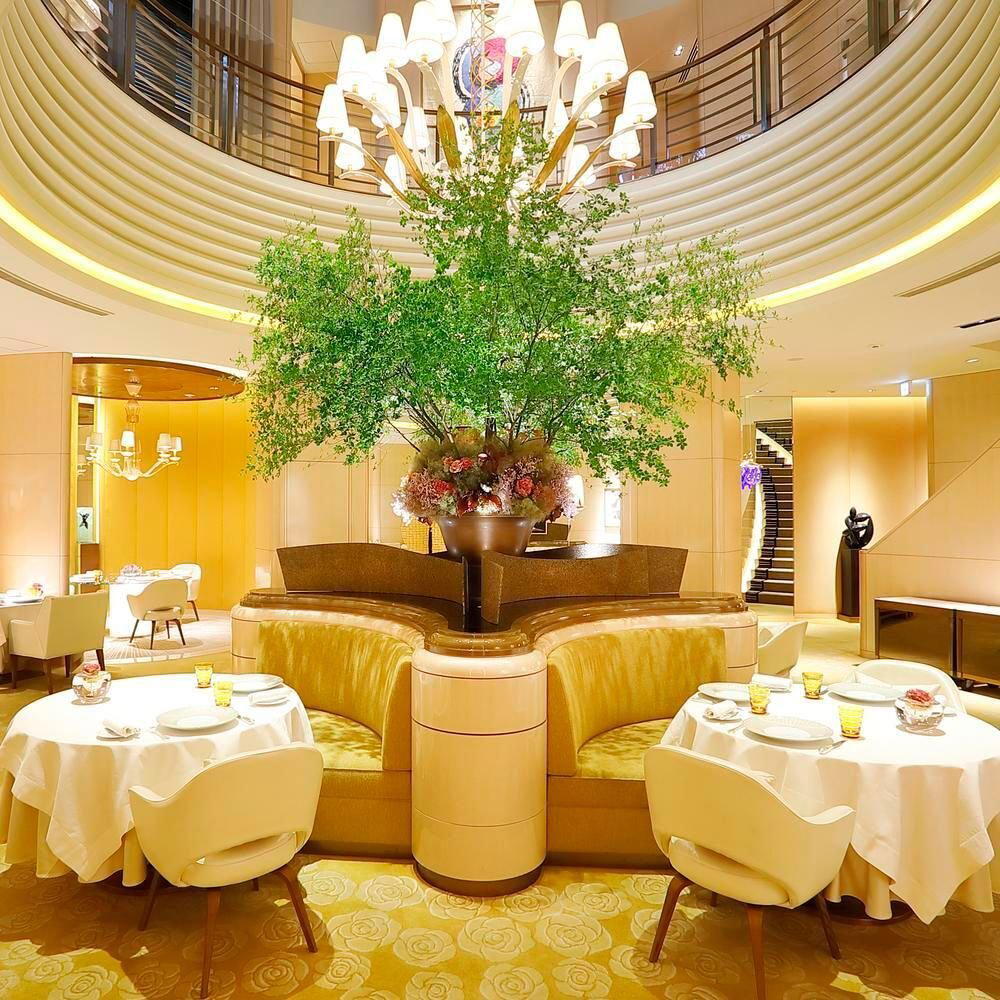


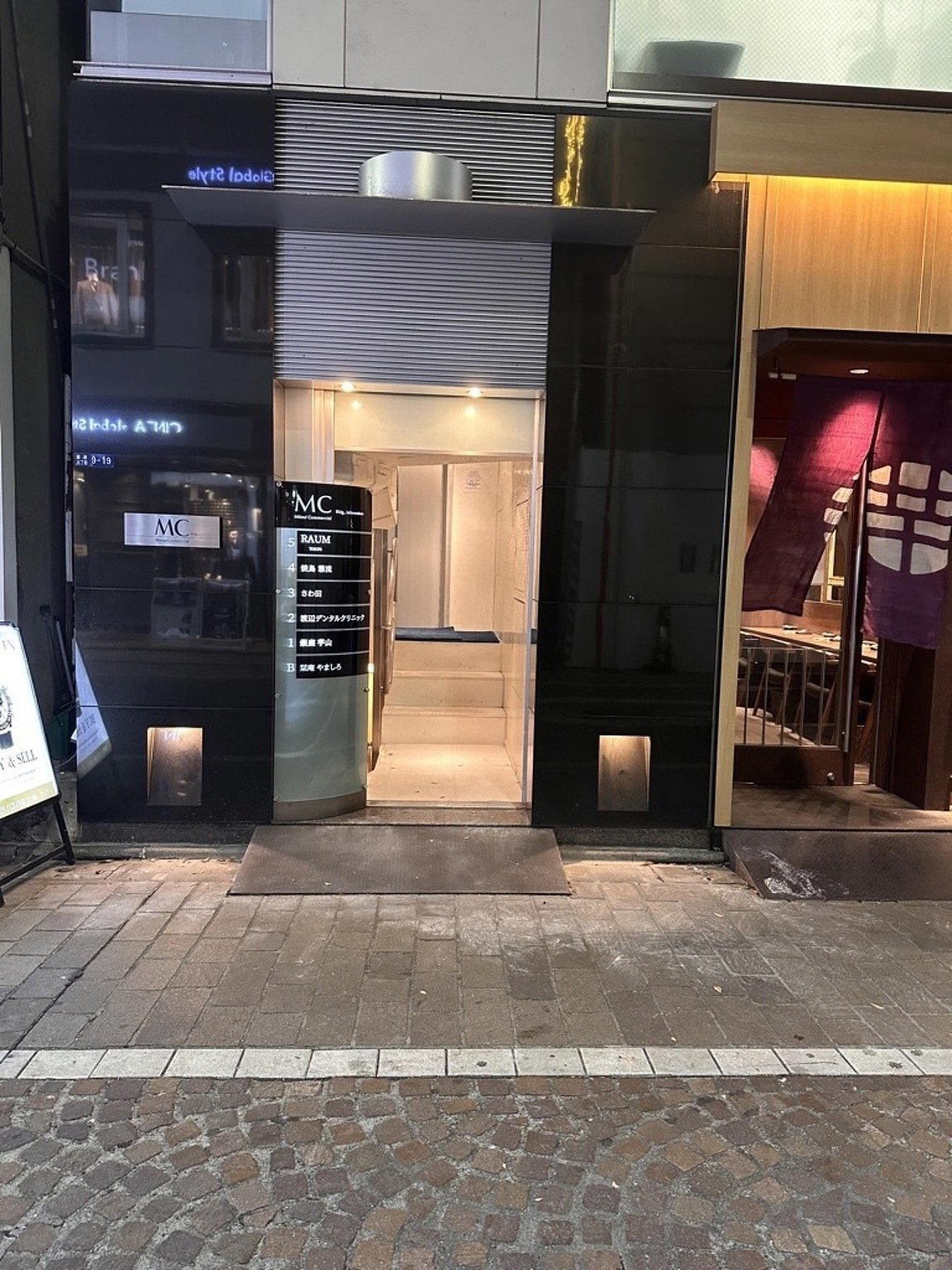

Bars in Tokyo
All bars in Tokyo →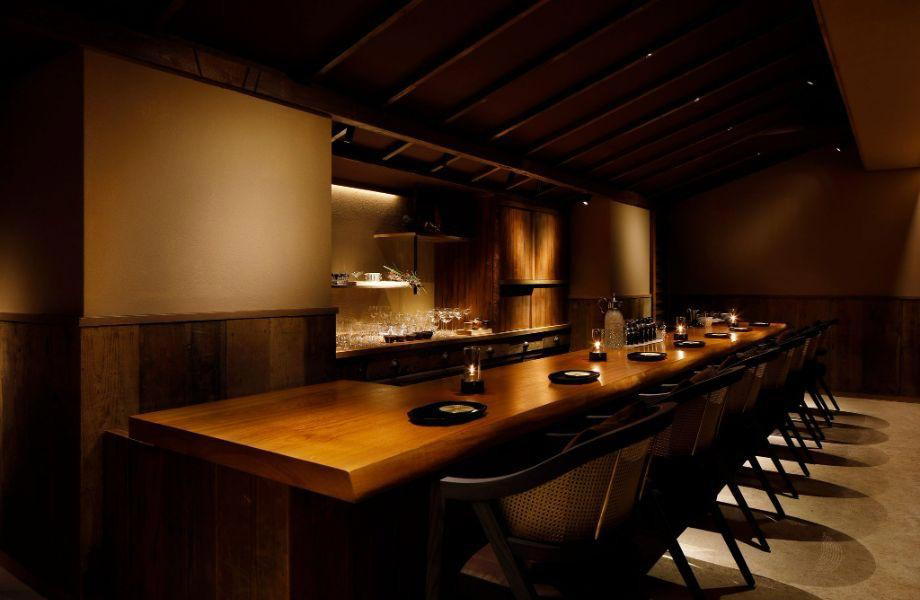


Details
- Quiet
- Elegant
- Intimate
- Sophisticated
- Cozy
- Date Night
- Business Dinner
- Special Occasion
- Chefs Counter
- Private Dining
- Sake Program
- Omakase
- Counter Dining
Current opening hours
- Monday
- 6–10:30 PM
- Tuesday
- 6–10:30 PM
- Wednesday
- 6–10:30 PM
- Thursday
- 6–10:30 PM
- Friday
- 6–10:30 PM
- Saturday
- 6–10:30 PM
- Sunday
- Closed
Hours can change for holidays and private events. Hours as of .
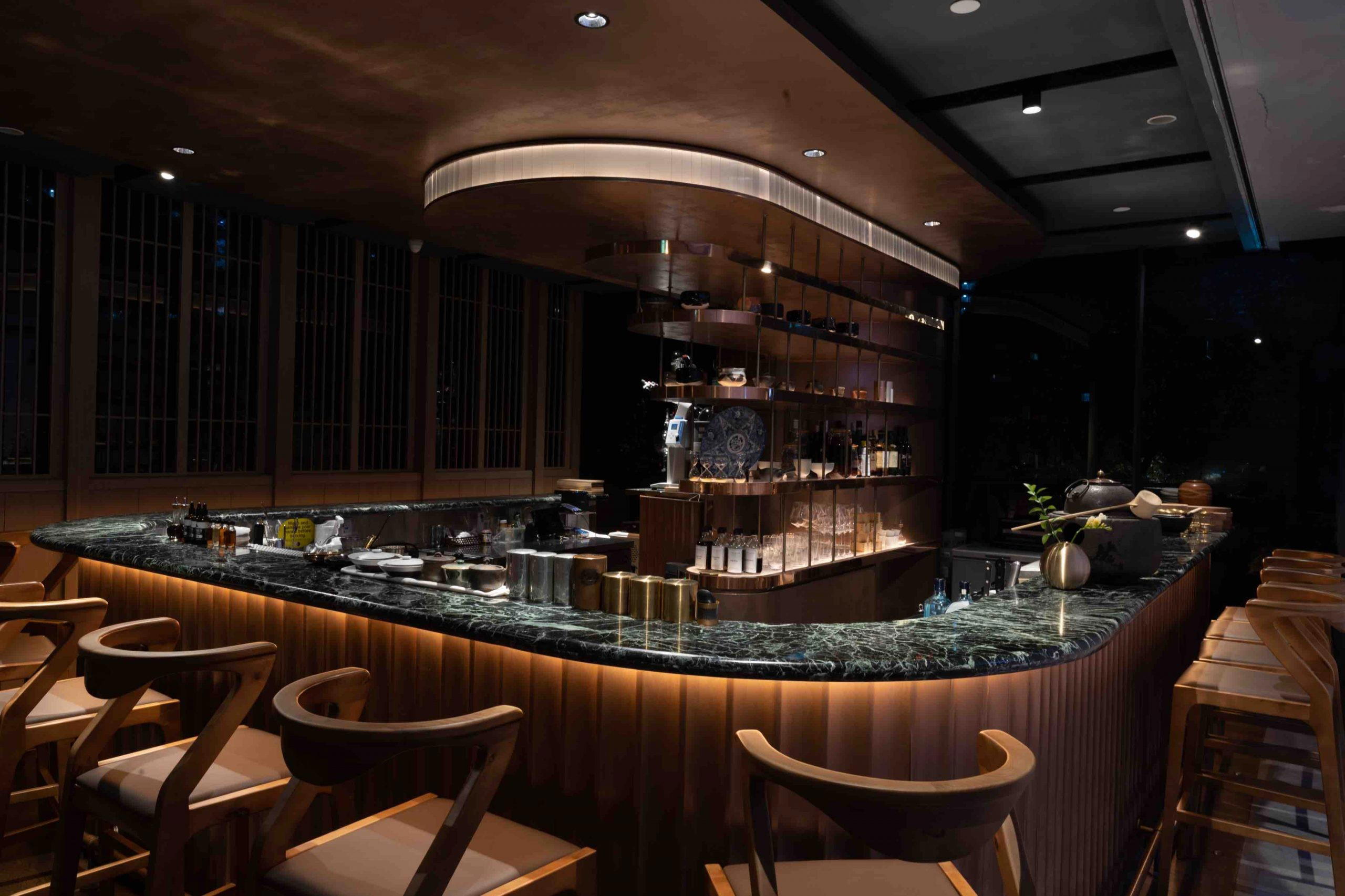
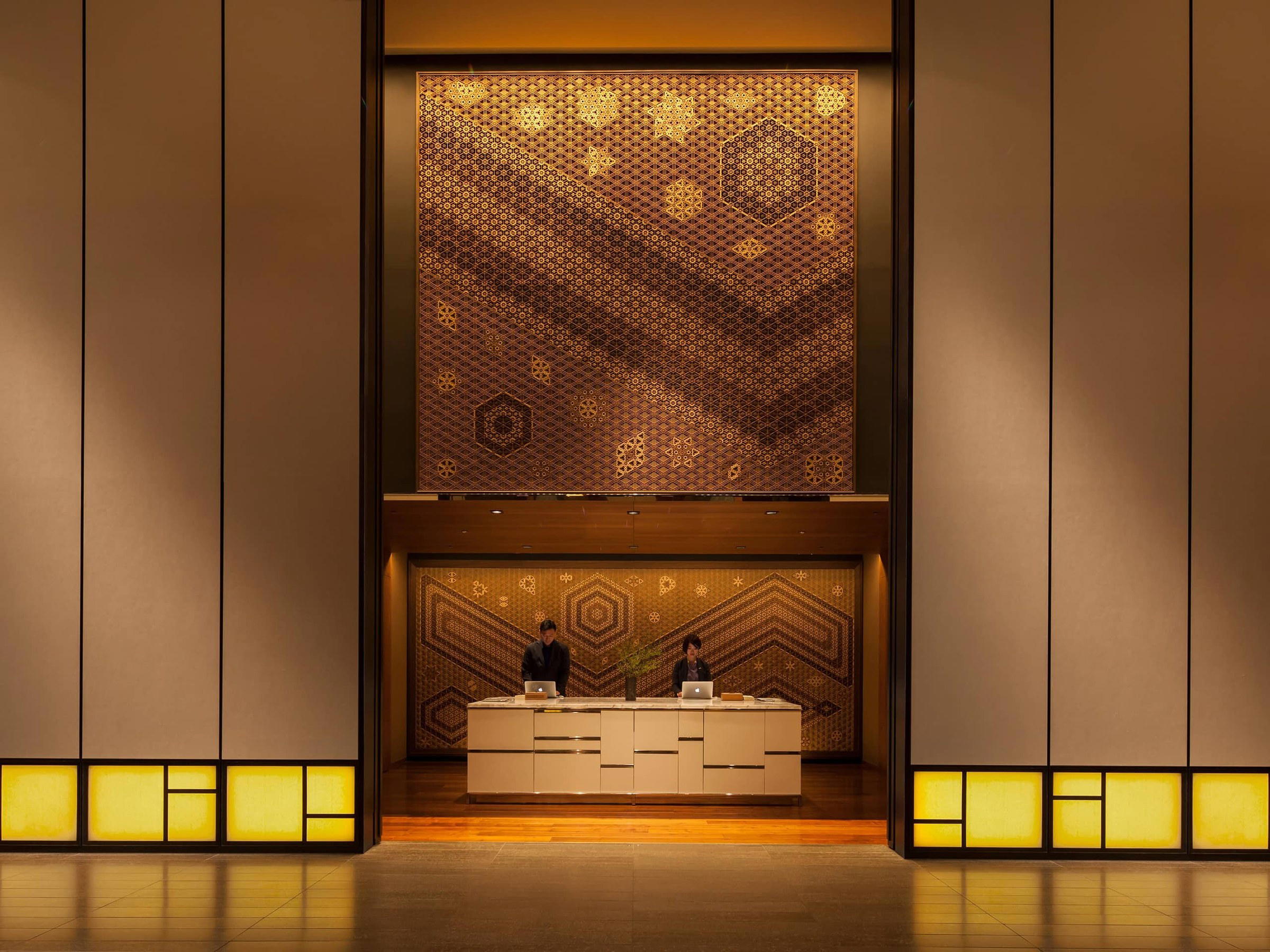
Low-key, comfortable atmosphere with functional warm lighting, clean surfaces, and close sight lines to the chef's knife work in a calm, adults-only hideaway.