
Tabelog 100 #60
Our verdict
Ginza Kokoro occupies a specific position in Tokyo's most competitive dining corridor, where the district's concentration of Michelin-starred tables sets a high baseline for ingredient sourcing and precision. Situated in Chuo City's Ginza 1-chome, the restaurant draws comparisons to the neighbourhood's top-tier omakase and kaiseki counters. Advance planning is advisable given the area's demand patterns.

Pearl is the En Primeur Club membership app, where members save venues, book tables and use the concierge.
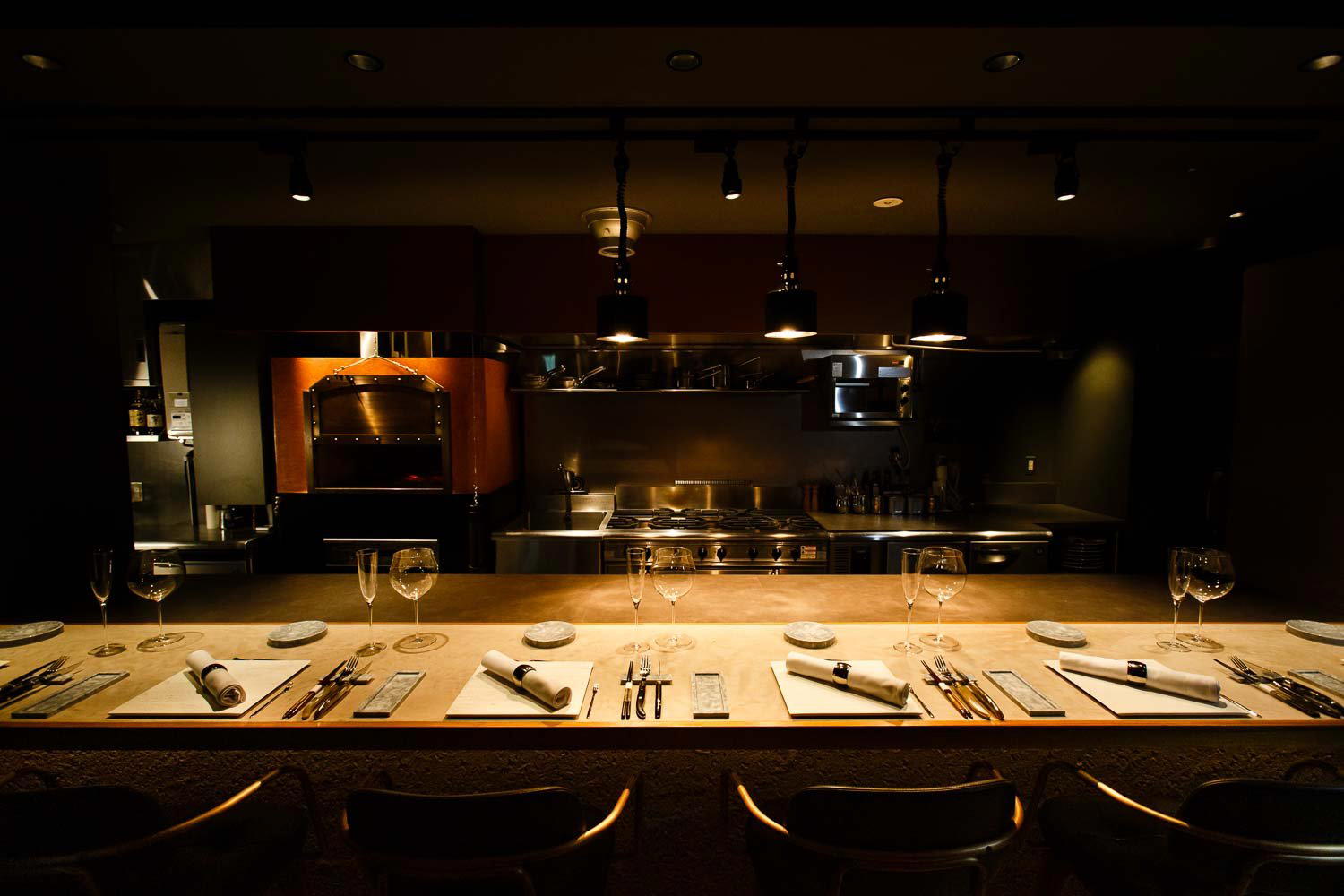
The menu
What to order
- Kobe beef sirloin
- Kobe beef chateaubriand
- Kiln-fired steak
Where Ginza's Sourcing Standards Set the Baseline
Ginza has long operated at a different register from the rest of Tokyo's dining geography. The district's concentration of premium counters, from multi-Michelin sushi rooms to long-running kaiseki addresses, has created a market where ingredient sourcing is not a differentiator but a threshold requirement. Suppliers who work with Ginza's leading tables must meet standards set by decades of competitive pressure, direct relationships with fishing cooperatives, single-farm produce routes, and seasonal calendars that track Japanese prefectural harvests rather than imported commodity cycles. Ginza Kokoro sits within this neighbourhood framework, at the Chuo City address on 1-chome-8-7, inside a district where the sourcing conversation starts before the menu does.
That geography matters because it shapes expectations from the first reservation enquiry. Diners arriving in Ginza in 2025 come with reference points: they have eaten at Harutaka, compared counters, read Michelin's Tokyo list, and benchmarked prices against a peer group that includes RyuGin and Sézanne. A venue at this address inherits that context whether it seeks it or not.
The Ingredient Logic of Ginza's Top Tier
Japan's premium restaurant culture is built around a sourcing architecture that most other food cities cannot replicate at scale. Tsukiji's successor market at Toyosu operates daily auctions where Tokyo's senior buyers have established priority relationships over generations. Beyond fish, the prefectural network runs deep: vegetables from Kyoto's Nishiki suppliers, wagyu from single-rancher relationships in Kagoshima or Miyazaki, mushrooms tracked by season across multiple growing regions. In Ginza specifically, the expectation is that a kitchen at this price tier is embedded in these supply chains rather than purchasing through intermediaries.
This matters editorially because it explains why sourcing-focused restaurants in Ginza resist the menu formats that work in other cities. A prix-fixe that locks in dishes six months ahead is incompatible with procurement that changes weekly based on what the season and the auction are actually delivering. The restaurants that hold serious reputations here tend to run shorter, more reactive formats, a discipline that reads as restraint on the outside but is actually supply-chain realism on the inside. The comparison set that includes L'Effervescence and Crony demonstrates that this principle applies across French-leaning and Japanese formats alike: the best-regarded kitchens in Tokyo follow ingredient availability first and menu architecture second.
Ginza Kokoro in the Neighbourhood Context
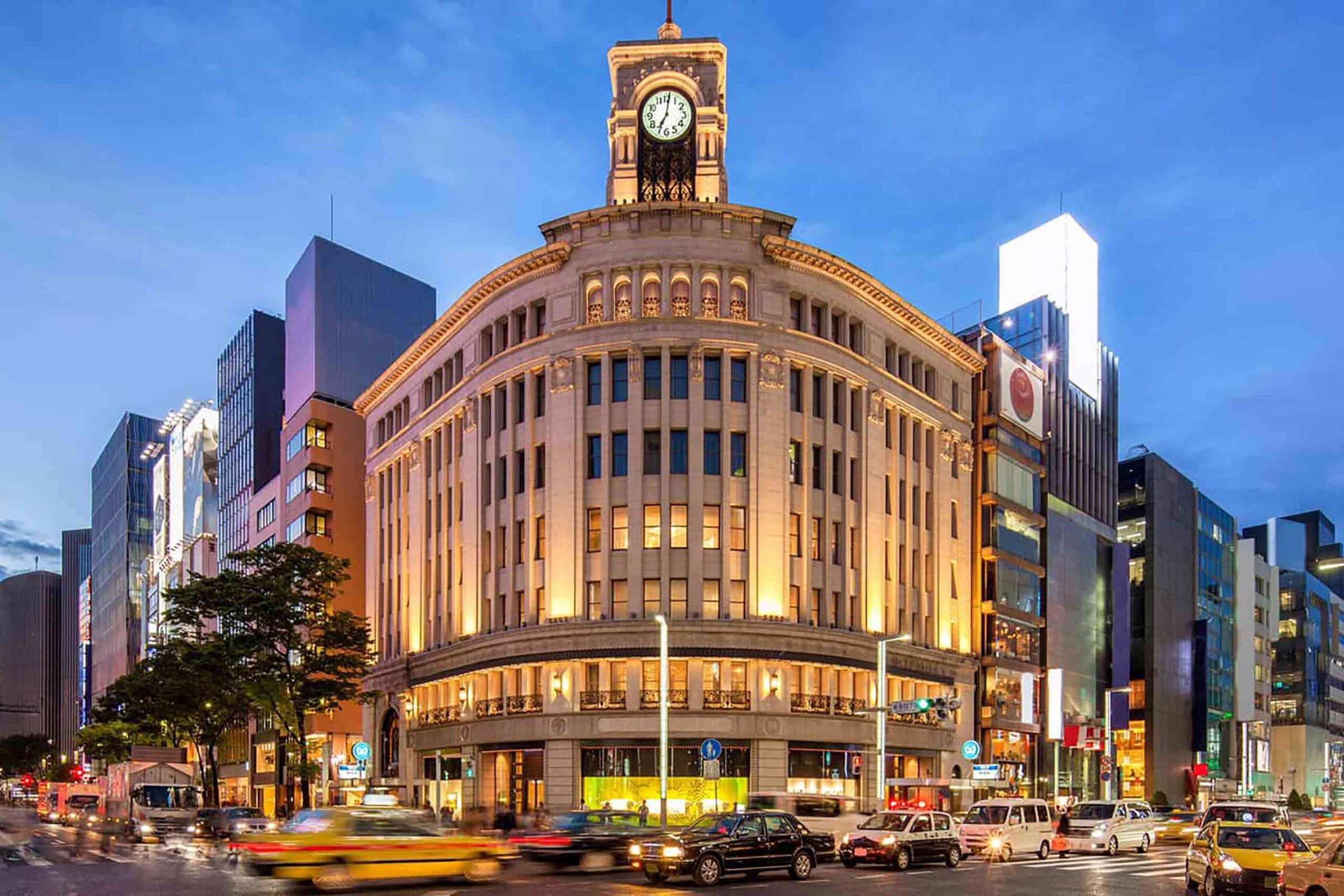
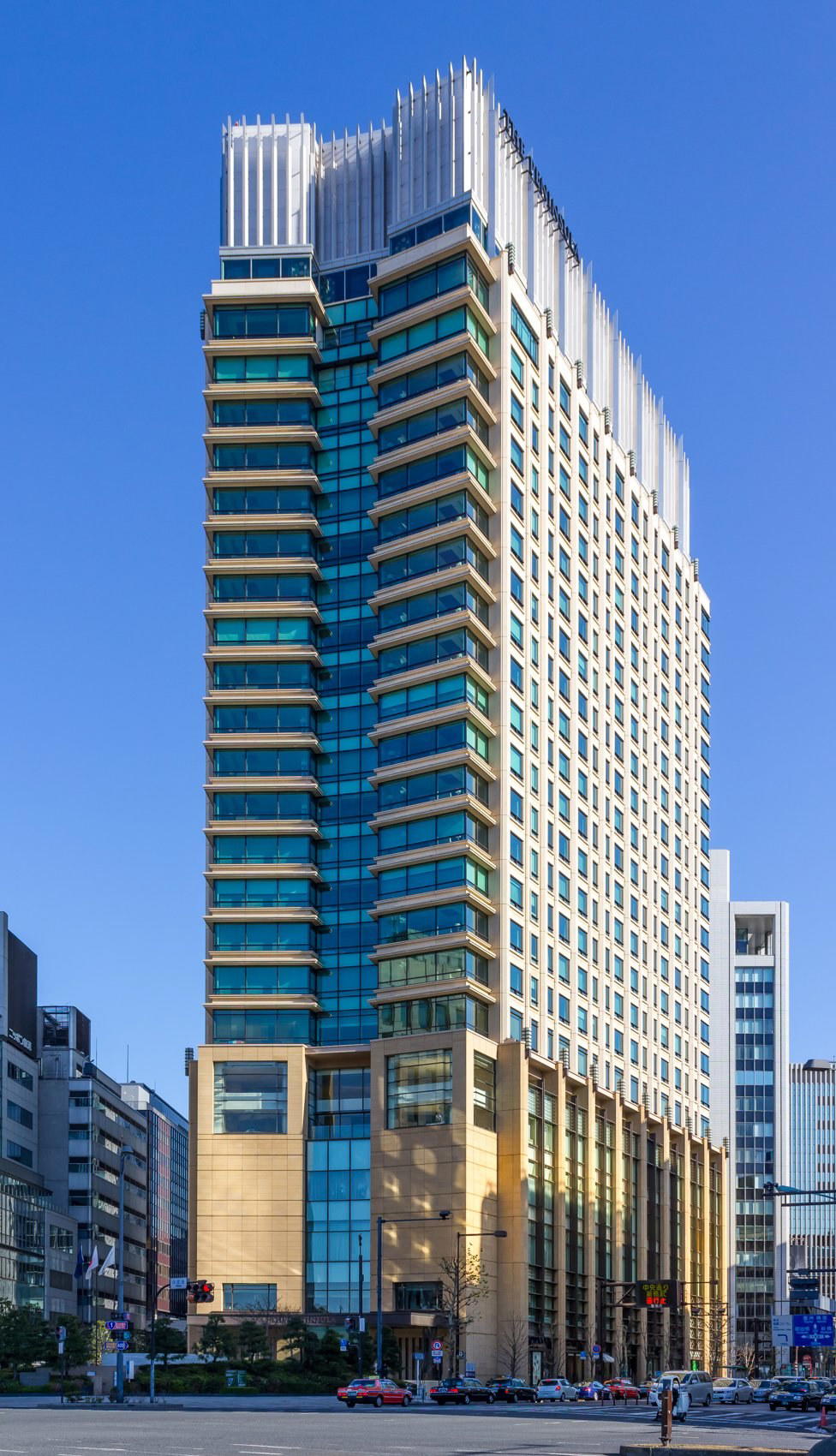
Chuo City's Ginza 1-chome corridor is one of Tokyo's most legible dining addresses, the VORT Ginza DDI building placing Ginza Kokoro among a cluster of destination-grade tables that have accumulated in the district's lower-numbered chome blocks. For international visitors working through Tokyo's premium dining map, the neighbourhood functions as a logical anchor: proximity to Tsukiji's legacy market network, strong access via the Tokyo Metro Ginza and Higashi-Ginza stations, and a street-level density of serious restaurant addresses that makes multi-stop evenings geographically efficient.
For context on how Tokyo's premium dining geography distributes beyond Ginza, the EP Club guide covers the full range: our full Tokyo restaurants guide maps the scene from Azabu to Shinjuku. And for readers building Japan itineraries beyond the capital, direct comparisons are instructive: HAJIME in Osaka, Gion Sasaki in Kyoto, and akordu in Nara each represent different regional approaches to the same premium sourcing conversation. Further afield, Goh in Fukuoka and Abon in Ashiya show how the ingredient-first philosophy travels to cities with entirely different market infrastructures.
The comparison extends internationally. Kitchens like Le Bernardin in New York City and Lazy Bear in San Francisco operate within procurement frameworks that share the philosophical DNA of Ginza's leading counters, even if the supply chains themselves differ entirely. And Japan's regional dining circuit rewards the traveller who looks beyond Tokyo: affetto akita in Akita, Aji Arai in Oita, Ajidocoro in Yubari District, Akakichi in Imabari, and aki nagao in Sapporo each operate within regional sourcing ecosystems that Ginza's kitchens often draw from as well.
Planning a Visit
The guidance below reflects the general operational patterns of Ginza's premium restaurant tier, which this address occupies.
Reservations: Serious Ginza tables at this address tier typically require advance booking, often through concierge networks, dedicated reservation platforms such as Tableall or Omakase, or direct contact. Walk-in access is rarely available at the district's top-tier counters. Budget: Ginza's premium segment runs from approximately ¥20,000 to ¥50,000 per head for multi-course formats, with wine or sake pairings adding substantially to the total; confirm current pricing directly before booking. Access: The Chuo City address is within walking distance of both Ginza Station (Tokyo Metro Ginza, Marunouchi, and Hibiya lines) and Higashi-Ginza Station. Timing: Seasonal sourcing calendars make autumn and spring particularly productive visits across Ginza's premium tier, when domestic produce diversity peaks and auction quality is consistently high.
Frequently asked questions
Where is GINZA KOKORO located?
GINZA KOKORO is located at Japan, 〒104-0061 Tokyo, Chuo City, Ginza, 1 Chome−8−7 VORT銀座DDI B1F, Tokyo.
How does Ginza Kokoro's location in the VORT Ginza DDI building affect the dining experience?
The VORT Ginza DDI building on 1-chome places Ginza Kokoro within one of Tokyo's most concentrated blocks for premium dining, where address legibility alone signals a certain level of operational seriousness. In Ginza, building and block placement carry weight, the lower-numbered chome addresses have historically attracted kitchens that treat sourcing and precision as non-negotiable.
What do regulars order at GINZA KOKORO?
EP Club does not hold confirmed menu data for Ginza Kokoro at the time of writing. At Ginza 1-chome addresses of this tier, regulars typically defer to the chef's selection rather than ordering à la carte, a format that reflects the sourcing-led discipline common across the district. Confirming the current menu format directly with the venue before visiting is advisable.
Should I book GINZA KOKORO in advance?
At a Ginza address in the VORT Ginza DDI building on 1-chome, advance booking is the standard operating assumption. Ginza's lower-numbered blocks have accumulated a density of premium counters where walk-in seats are rarely available. check the venue's official channels to confirm current reservation channels.
What do critics highlight about GINZA KOKORO?
EP Club does not hold confirmed critical review data for Ginza Kokoro at the time of writing. Critics assessing serious Ginza addresses typically focus on sourcing provenance, counter format, and kitchen discipline, the benchmarks that define the 1-chome corridor as a whole. As verified records become available, EP Club will update this entry accordingly.
Can GINZA KOKORO accommodate dietary restrictions?
Tokyo's premium restaurant tier, particularly at Ginza counter addresses, varies considerably in flexibility, some kitchens can adjust for allergens with sufficient notice, others cannot without compromising the menu architecture. Contacting the venue directly ahead of your reservation is the practical approach here.
Is GINZA KOKORO overpriced or worth every penny?
The value calculation at any Ginza 1-chome address rests on two factors: the sourcing infrastructure that Ginza commands, and the format density the building cluster delivers.
The Short List
Comparable venues nearby, for context on price, style, and recognition.
| Venue | Cuisine | Price | Awards | Notes |
|---|---|---|---|---|
| GINZA KOKOROThis venue (the venue you are viewing) | French-Inspired Kobe Beef Steakhouse | $200–300 | Tabelog 100 #60 | Not listed |
| Sushi Ichi | Traditional Edomae Omakase | $150–200 | Not listed | Chūō, Traditional Edomae Omakase |
| 月花 MoonFlower Sagaya Ginza, Art by teamLab | Seasonal Japanese Omakase with Saga Beef | $200–300 | Not listed | Chūō, Seasonal Japanese Omakase with Saga Beef |
| さわ田 | Edo-Style Omakase Sushi | $300–500 | 1 Michelin Star · Tabelog Gold #25 | Chūō, Edo-Style Omakase Sushi |
| Sushi Satake | Edomae Omakase with Hot Sushi Rice | $200–300 | Tabelog 100 #93 | Chūō, Edomae Omakase with Hot Sushi Rice |
| 蕎ノ字 | Shizuoka-Style Tempura with Soba | $150–200 | 1 Michelin Star · La Liste Top Restaurants | Chūō, Edomae Tempura with Soba |
Recognition history
Dated appearances from independent guides and award organizations, with the underlying list record or original source where available.
Tabelog 100 #60 · No. 60
Tabelog · Tabelog 100 - Steak / Teppanyaki - EAST - 2025
Continue exploring
More in Tokyo
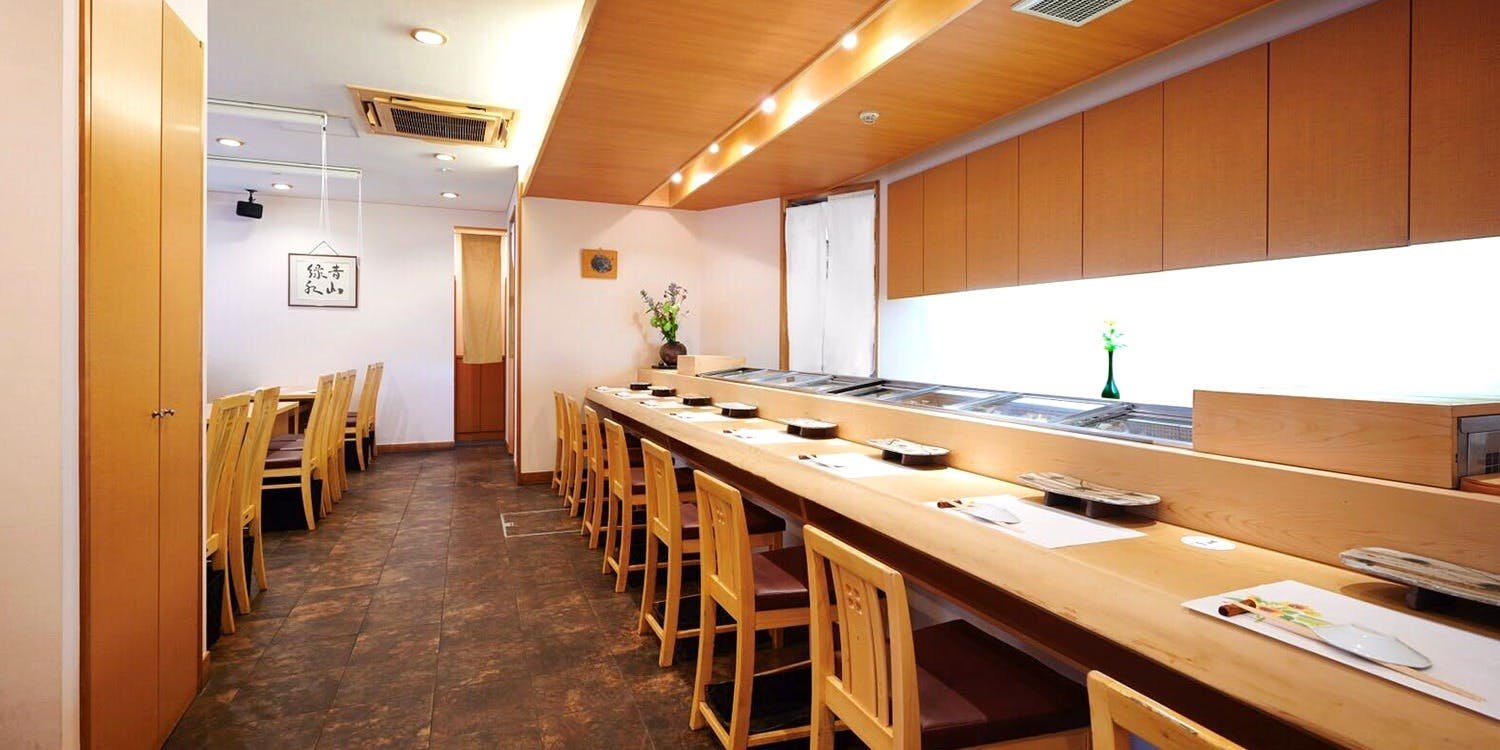
Restaurants in Tokyo
All restaurants in Tokyo →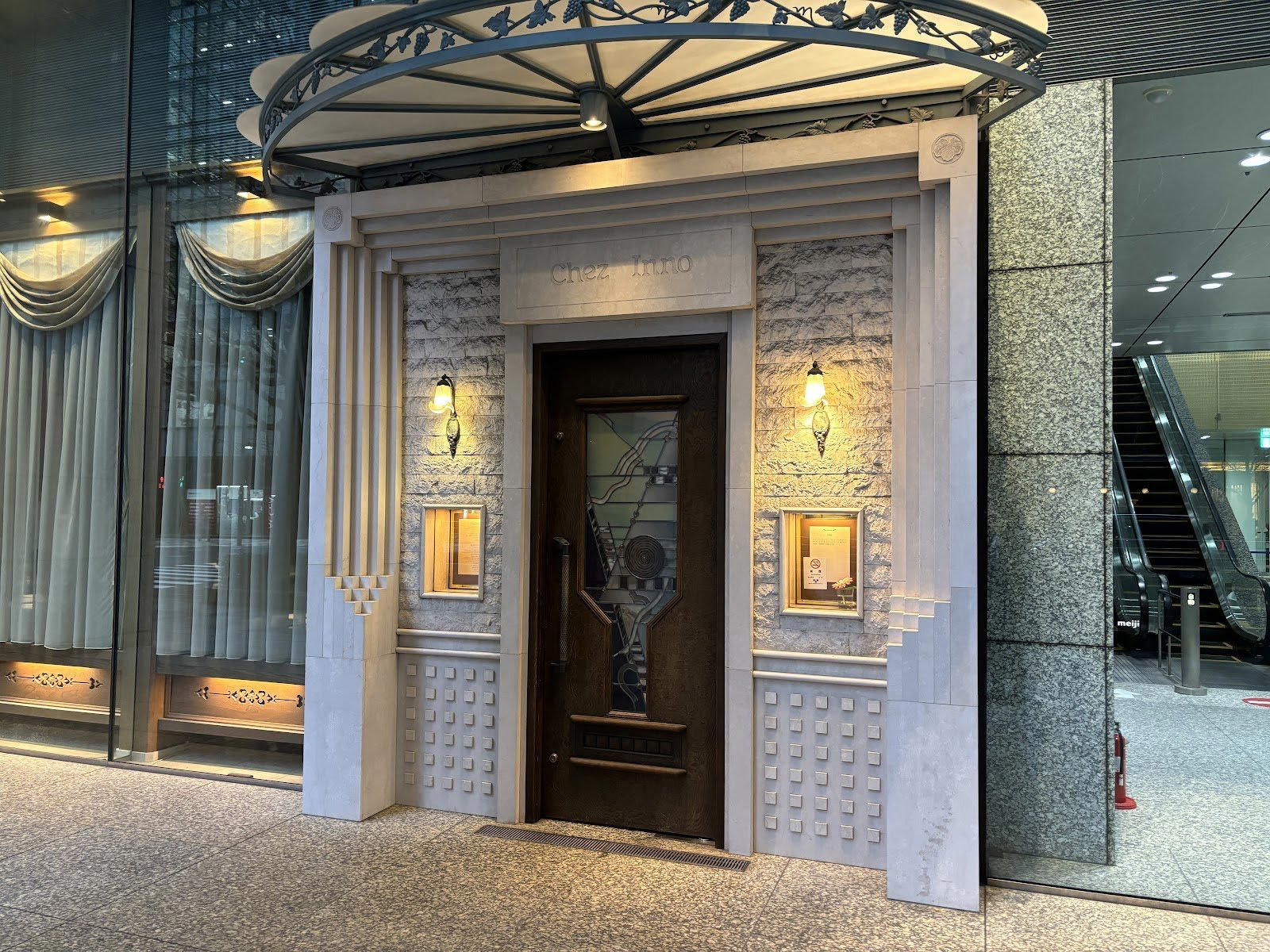
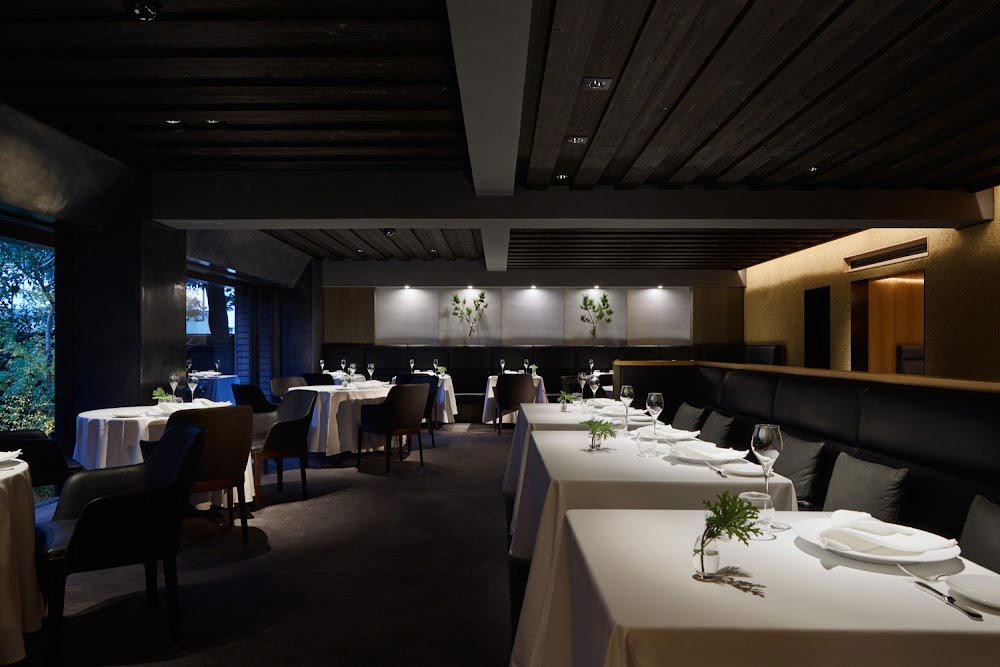

Bars in Tokyo
All bars in Tokyo →

Details
- Elegant
- Sophisticated
- Intimate
- Classic
- Special Occasion
- Business Dinner
- Date Night
- Open Kitchen
- Private Dining
- Chefs Counter
- Extensive Wine List
- Tasting Menu
- Prix Fixe
- Wine
- Gluten Free Options
Current opening hours
- Monday
- 5–10:30 PM
- Tuesday
- 5–10:30 PM
- Wednesday
- 5–10:30 PM
- Thursday
- 5–10:30 PM
- Friday
- 5–10:30 PM
- Saturday
- 5–10:30 PM
- Sunday
- Closed
Hours can change for holidays and private events. Hours as of .
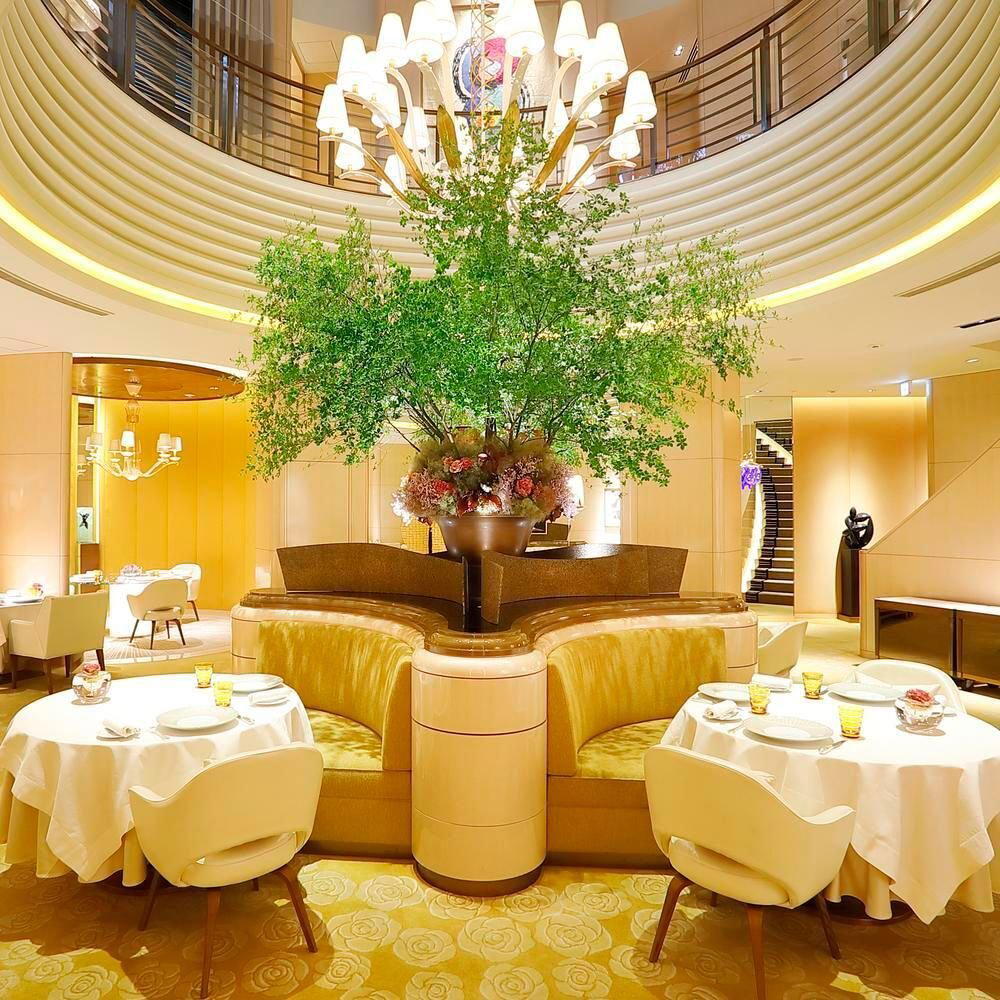
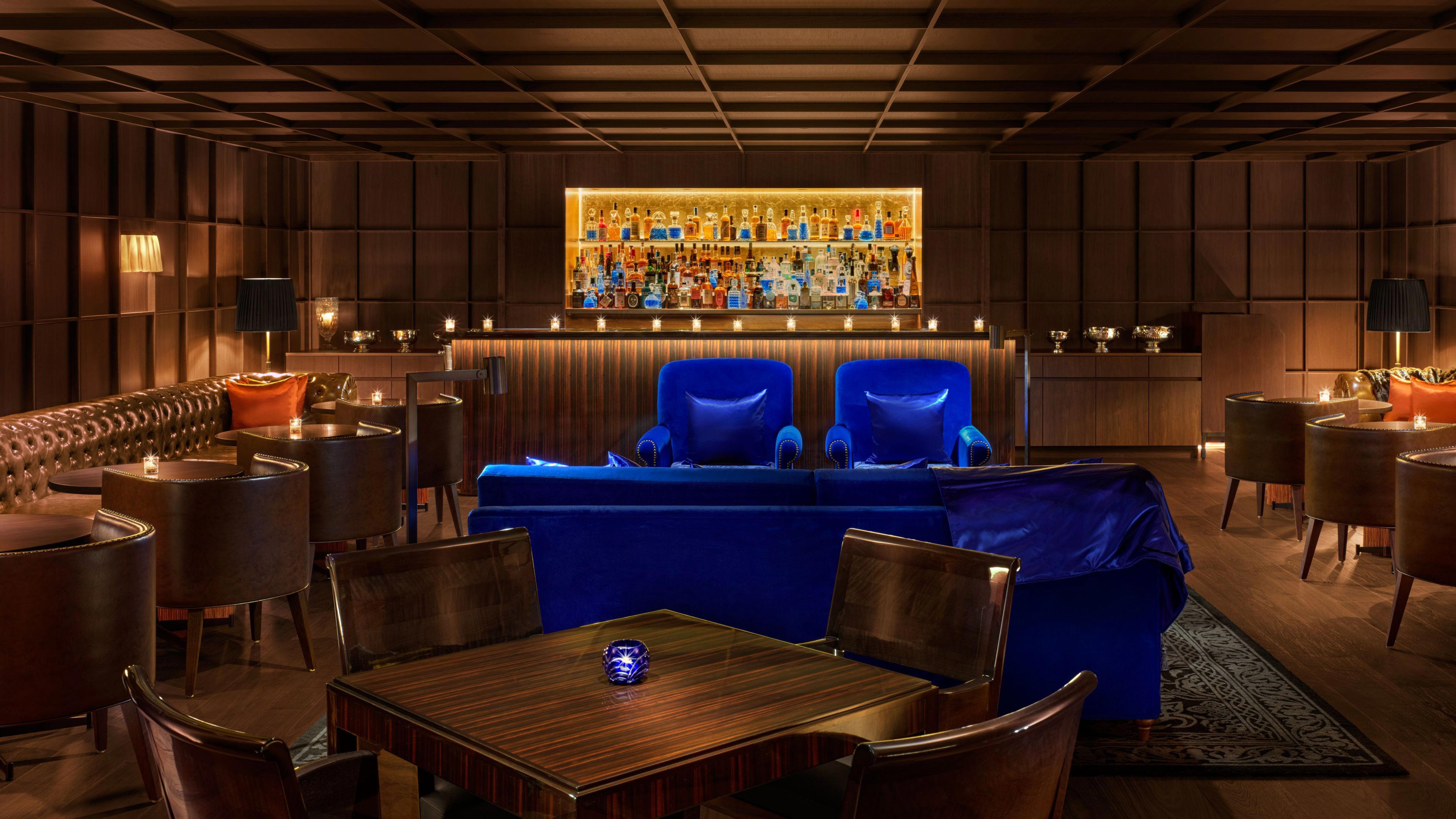
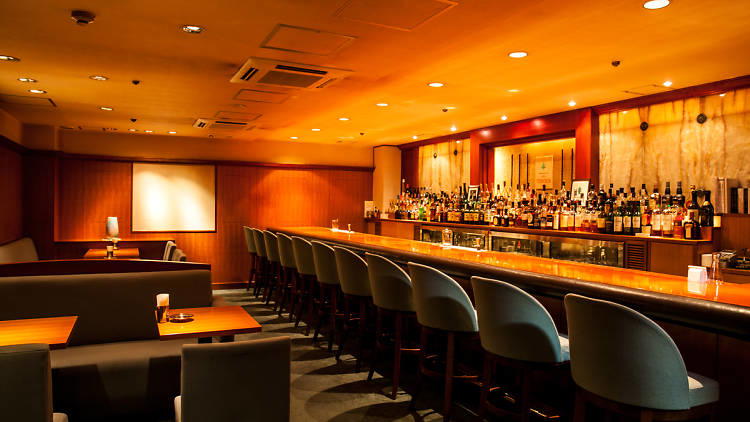
Elegant and calm basement setting with charcoal walls, white tablecloths, soft jazz, sophisticated architecture, and classic decor; counter illuminated for privacy in private rooms.