Our verdict
In Akasaka, one of Tokyo's most politically connected and historically layered neighbourhoods, Jubako occupies the kind of address that rewards diners willing to move beyond the obvious Ginza or Roppongi circuits. The name itself, borrowed from the lacquered stacking boxes used in Japanese ceremonial dining, signals an orientation toward occasion and ritual that positions it firmly in Tokyo's special-event dining tier.

Pearl is the En Primeur Club membership app, where members save venues, book tables and use the concierge.
Akasaka and the Architecture of Occasion Dining
Tokyo's special-occasion dining scene has long been distributed across several distinct neighbourhoods, each carrying a different set of social signals. Ginza anchors the high-formality end, where three-Michelin-star sushi counters and kaiseki rooms draw corporate entertainment and destination diners. Roppongi absorbed the international money. But Akasaka, the neighbourhood that clusters around Japan's governmental and media infrastructure, has for decades hosted a quieter and arguably more purposeful tier of restaurants: rooms where the meal is the event itself, and where the expectation is discretion rather than spectacle.
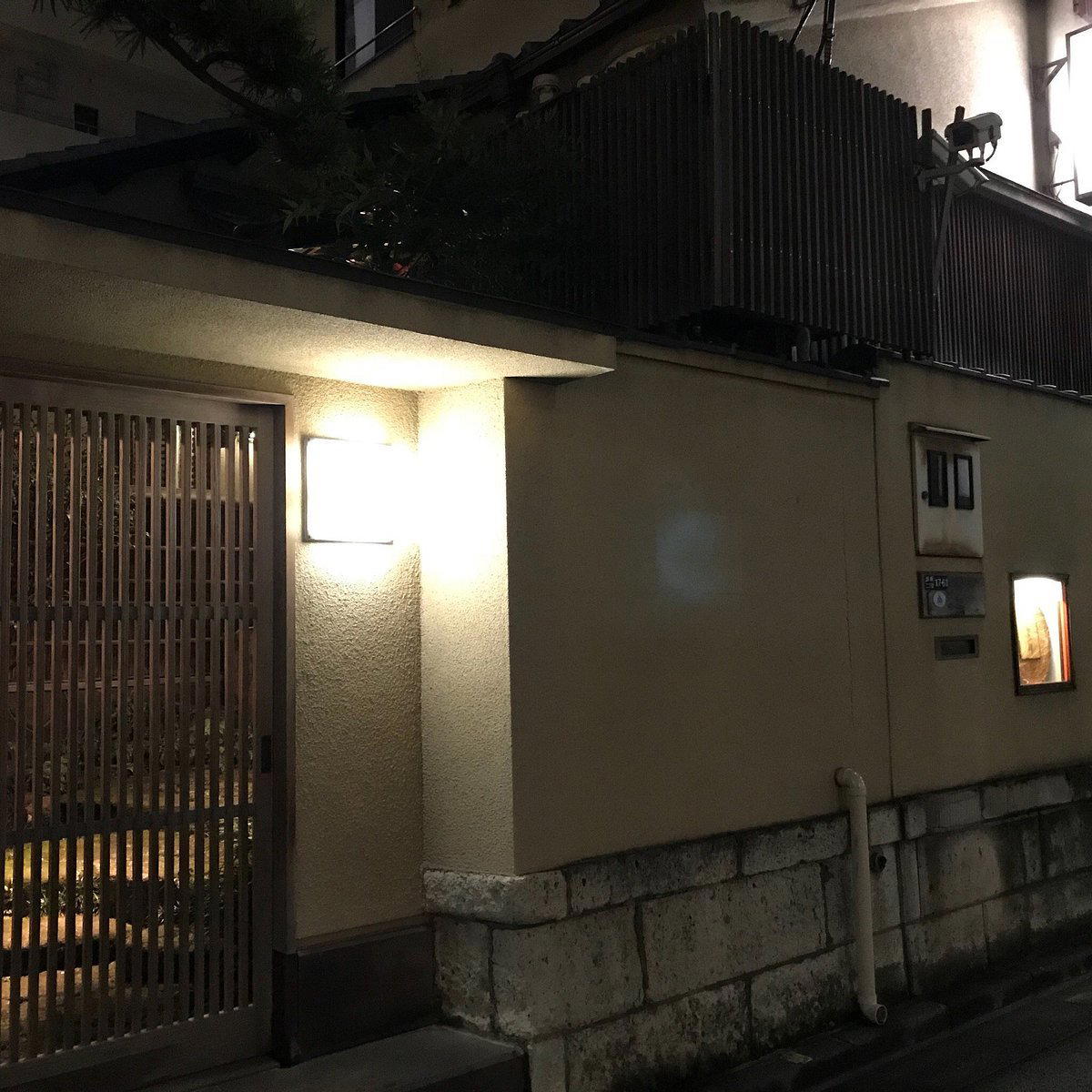
Jubako sits within this context. Its address in Minato City places it in Akasaka's denser commercial and residential streets, a short walk from the kind of establishments that have long served political lunches and anniversary dinners without generating much noise about it. The name references the jubako, the lacquered tiered boxes used to present ceremonial New Year's foods in Japanese tradition. That reference is not decorative. It points toward a particular understanding of dining as structured ritual, where the occasion shapes the experience as much as any single dish.
What the Name Carries
In Japanese domestic culture, the jubako is inseparable from osechi, the elaborate, carefully arranged New Year's preparations that families spend days constructing. Each compartment holds a different preparation with its own symbolic meaning: sweet black soybeans for health, herring roe for fertility, rolled omelette for scholarship. The layering is intentional. Nothing is casual. A restaurant that borrows this name is making a statement about how it understands the relationship between food and occasion, positioning itself in a lineage of deliberate, ceremonially aware Japanese dining rather than in the more contemporary idiom of seasonal spontaneity or chef-led experimentation.
That places Jubako in a different register from, say, the innovative Japanese cooking at venues like RyuGin, which operates at the intersection of kaiseki tradition and high technique, or the French-influenced precision of L'Effervescence.
The Occasion Dining Tier in Tokyo
Tokyo's occasion dining market has bifurcated over the past decade. One stream runs toward international recognition and Michelin positioning, attracting destination diners and the city's international business class. The three-Michelin-star sushi counter at Harutaka in Ginza, or the French technical mastery at Sézanne, operate in this register. The other stream serves a more local and deeply embedded market: the anniversary dinner, the retirement celebration, the formal family meal that Japanese social custom still frames as requiring a particular kind of setting and service.
The second stream is arguably more demanding. It requires consistency across years and decades rather than the kind of seasonal reinvention that earns annual critical attention. Diners return for the same experience they had on a previous milestone occasion, and any deviation registers as failure. Restaurants in this tier are trusted not because a food guide endorsed them last year but because they have maintained a covenant with their regulars over time. Akasaka has a higher concentration of these establishments than almost any other Tokyo neighbourhood outside of the older shitamachi districts.
For context on how Tokyo's broader dining scene distributes across styles and price points, our full Tokyo restaurants guide maps the city in detail.
Milestone Meals and the Case for Neighbourhood Restaurants
There is a category of meal that neither a grand Ginza counter nor a chef's-table tasting menu is well-suited to serve. It is the dinner where someone at the table is celebrating something that matters, a significant birthday, a long marriage, a professional transition, and the room needs to hold that weight without performing around it. The food must be reliable and serious. The service must read the table correctly. The environment must not compete with the conversation.
Restaurants in Akasaka have historically understood this brief. The neighbourhood's association with political and institutional life has created a local culture of discretion. Rooms tend to be quieter than Roppongi, service more practiced in the kind of invisible attentiveness that comes from experience rather than training manuals. Whether Jubako fully delivers on this brief requires direct knowledge of its current operation, but the address and the name both align with this tradition.
For diners planning celebrations across Japan, comparable experiences in other cities include Gion Sasaki in Kyoto and HAJIME in Osaka, both of which hold a similar position as serious occasion restaurants in their respective cities. In Nara, akordu offers a different take on celebratory dining that draws on European technique with Japanese materials.
Placing Jubako in Its Competitive Set
Within Tokyo's occasion dining circuit, the comparison that matters most is not between Jubako and the high-profile Michelin counters but between Jubako and the neighbourhood-rooted Japanese restaurants that compete for the same kind of dinner. These are not venues that appear prominently in international food press, but they often have waiting lists built entirely through word of mouth and repeat patronage. The reservation is the credential.
This is a different model from the innovative French positioning at Crony or the cross-cultural ambition of Atomix in New York City, which is worth mentioning because Korean-American tasting menu restaurants occupy a structural position in New York similar to the ceremonially oriented Japanese rooms in Tokyo: they serve milestone diners, but through a register of contemporary ambition rather than established tradition. Both are valid responses to the same fundamental question of what an occasion meal should do.
For reference on how other Japanese cities approach the same occasion dining question, Goh in Fukuoka and 1000 in Yokohama each operate in a local-prestige register that parallels the Akasaka model.
Planning a Meal at Jubako
Akasaka is accessible via the Tokyo Metro Chiyoda and Ginza lines, with Akasaka station a short walk from the Minato City address. The neighbourhood is navigable on foot in combination with Aoyama to the south or Tameike-Sanno to the north. For accommodation, our full Tokyo hotels guide covers options across the city's major zones, including Minato City properties that would put Jubako within easy reach.
Akasaka evenings tend to be quieter than the Roppongi or Shinjuku circuits, which suits occasion dining well. Diners planning a longer Tokyo stay around a meal at Jubako might consider anchoring the evening with a drink either side: our Tokyo bars guide covers the city's serious cocktail and whisky rooms in the relevant neighbourhoods.
Know Before You Go
- Address: 2 Chome-17-61 Akasaka, Minato City, Tokyo 107-0052, Japan
- Neighbourhood: Akasaka, a short walk from Akasaka station (Tokyo Metro Chiyoda / Ginza lines)
- Price range:
- Is Jubako better for a quiet night or a lively one?
- Akasaka's dining culture skews consistently toward the quiet end of the spectrum. The neighbourhood's association with political and institutional Tokyo has produced a local restaurant culture oriented around privacy and controlled atmosphere rather than energy and volume. Diners expecting the animated buzz of a Ginza bar counter or the social density of a Roppongi dining room will find Akasaka a different register entirely. For a celebratory occasion where the conversation at the table matters more than the room's energy, that distinction is an advantage rather than a limitation.
- What is the signature dish at Jubako?
- RyuGin and Harutaka both have confirmed menu formats and critical records.
- How does Jubako's Akasaka address affect the booking experience compared to Ginza or Roppongi restaurants?
- Akasaka operates outside the primary tourist and destination-dining circuits, which means its restaurants often rely on local and repeat patronage rather than international reservation platforms. This can make initial contact harder to establish for visitors without a Japanese-language intermediary, but it also means the room is less likely to be filled with first-time diners on any given evening. For occasion meals, that regulars-heavy composition tends to produce more practiced, attuned service. Booking well in advance and through a hotel concierge familiar with the neighbourhood is the most reliable approach for non-Japanese-speaking visitors.
Frequently asked questions
Is Jubako suitable for children?
Jubako's positioning in the occasion dining tier of Akasaka, Minato City, suggests a setting oriented toward adult milestone meals rather than casual family outings. The ceremonial framing implied by the restaurant's name, referencing the jubako lacquerware boxes central to Japanese New Year traditions, points toward a more considered, quieter atmosphere. Families with older children marking a specific occasion would likely find it appropriate; younger children less so.
Is Jubako better for a quiet night or a lively one?
Jubako sits in Akasaka, a neighbourhood that occupies a middle ground in Tokyo's dining geography, more residential in character than Roppongi, more discreet than the high-traffic Ginza strip. The occasion dining positioning, informed by the jubako's association with deliberate, ceremonial preparation in Japanese domestic culture, points toward a composed rather than energetic atmosphere. This is a room suited to conversation-forward dinners rather than celebratory noise.
Why do Tokyo diners choose Jubako in Akasaka over a Ginza counter for a milestone dinner?
Ginza counters, particularly those with Michelin recognition, attract international visitors and carry a performance-oriented format that can shift the focus of a meal away from the people around the table. Jubako's Akasaka address, in Minato City, places it within a neighbourhood that Tokyo residents have historically associated with private, occasion-driven dining rather than destination restaurant tourism. For a dinner where the event being celebrated matters more than the venue's profile, that distinction carries weight.
What's the signature dish at Jubako?
The venue's name draws directly from the multi-tiered lacquer boxes used to present osechi, the ceremonially arranged New Year's food central to Japanese family tradition, which suggests a kitchen oriented around composed, structured presentation rather than single-dish showpieces. Contacting the restaurant directly will give the clearest picture of the current menu.
What's the address for Jubako?
Jubako is located at 2 Chome-17-61 Akasaka, Minato City, Tokyo 107-0052, Japan, Tokyo.
At-a-Glance Comparison
Comparable venues nearby, for context on price, style, and recognition.
| Venue | Cuisine | Price | Awards | Notes |
|---|---|---|---|---|
| JubakoThis venue (the venue you are viewing) | Traditional Japanese Unagi | $200–300 | Not listed | Not listed |
| Unagi Akasaka Sekine | Michelin-Starred Unagi Omakase | $300–500 | Not listed | Minato |
| Terakoya Sushi Sho | High-end Edomae Omakase Sushi | $200–300 | Tabelog 100 #33 | Minato |
| Ukai-tei Roppongi | Luxury Teppanyaki | $150–200 | Tabelog 100 #1 | Minato |
| 新ばし 星野 | Traditional Japanese Kaiseki | $300–500 | Not listed | Minato |
| Iwai | Edo-Style Tempura Omakase | $100–150 | Tabelog 100 #90 | Chūō |