Our verdict
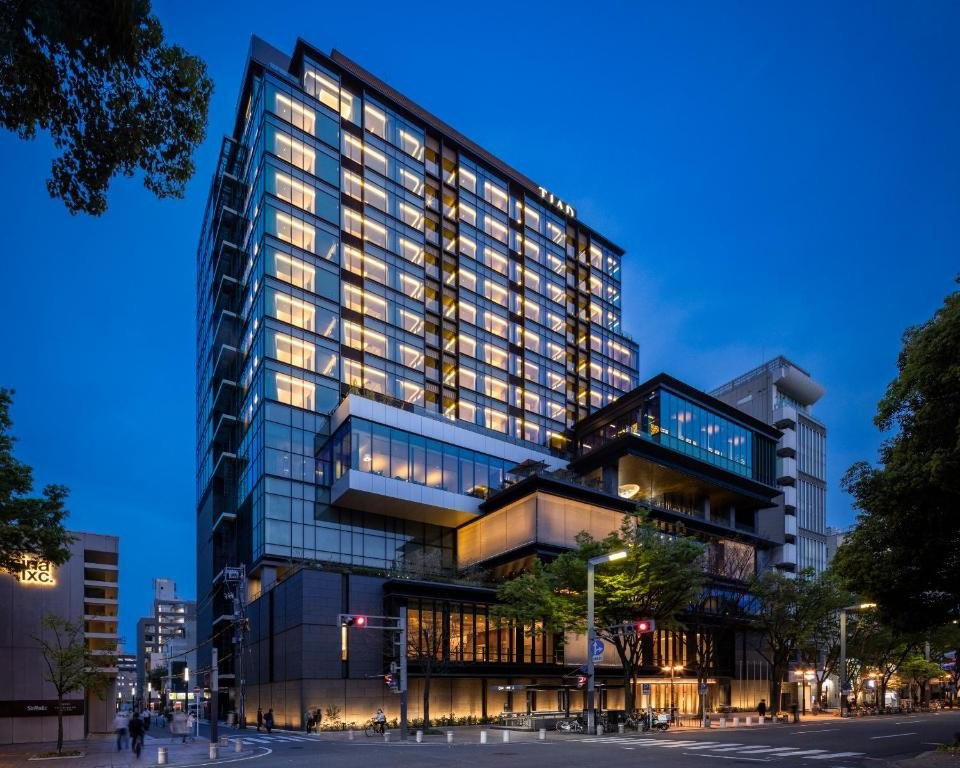
Sushi Shumbi Nishikawa operates within Nagoya's compact but serious sushi tier, drawing from the same omakase traditions that define counter dining across Japan's major cities. Located in the Meieki district of Nakamura Ward, the counter positions itself within a neighbourhood more associated with transit than gastronomy, which, in Nagoya's dining culture, is increasingly where considered restaurants choose to set up. A focused omakase address worth tracking for visitors moving through the city.

Pearl is the En Primeur Club membership app, where members save venues, book tables and use the concierge.
Where Nagoya's Sushi Counter Culture Meets the Meieki Corridor
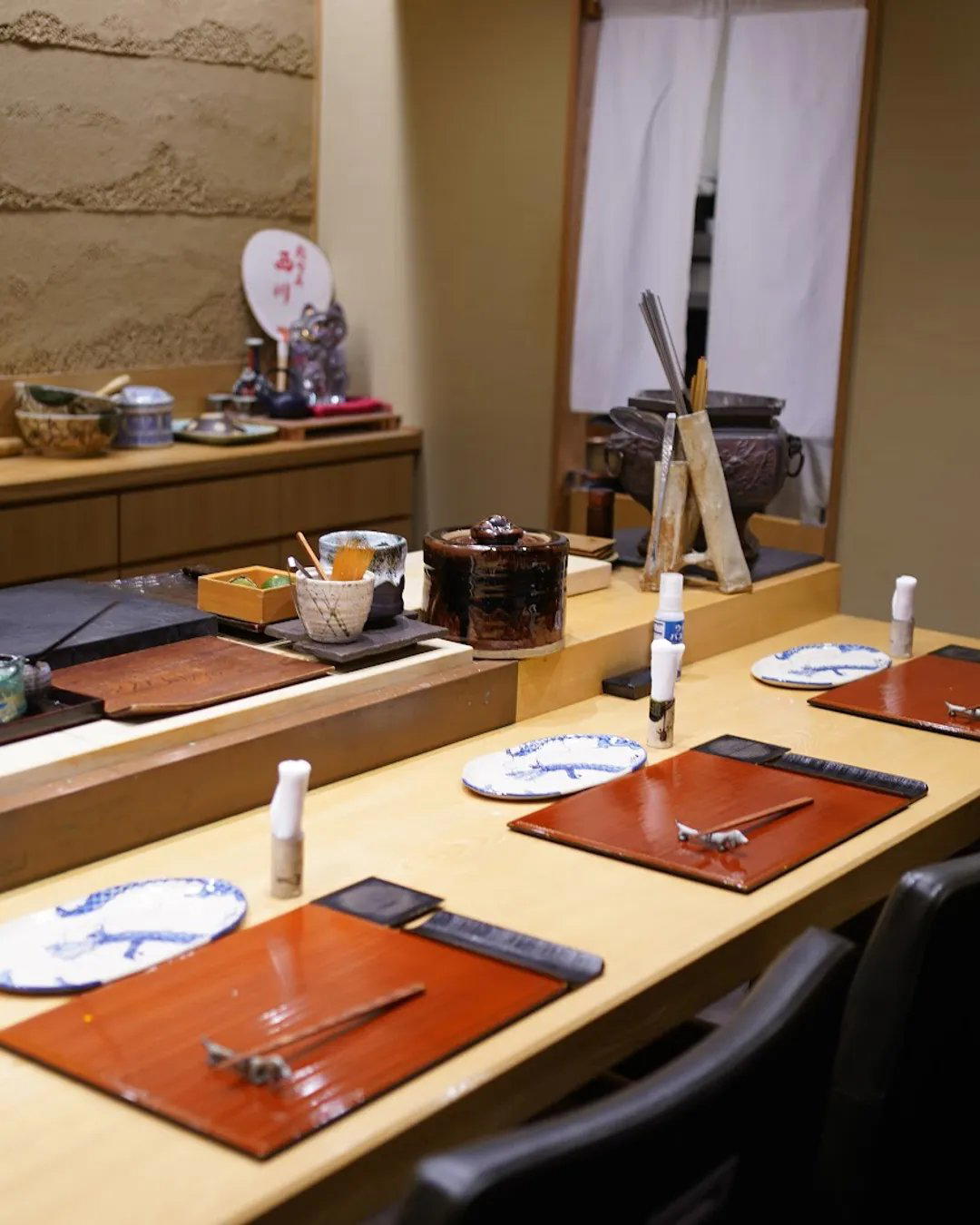
Nagoya's relationship with sushi has always been complicated by geography and identity. The city sits between two of Japan's most codified food cultures: Kyoto's kaiseki precision to the west and Tokyo's omakase theatre to the east. What emerged locally is a counter style that owes something to both but operates with less ceremony than either. Sushi Shumbi Nishikawa, addressed in the Meieki district of Nakamura Ward, belongs to that strain of Nagoya dining where seriousness of execution matters more than the performance around it.
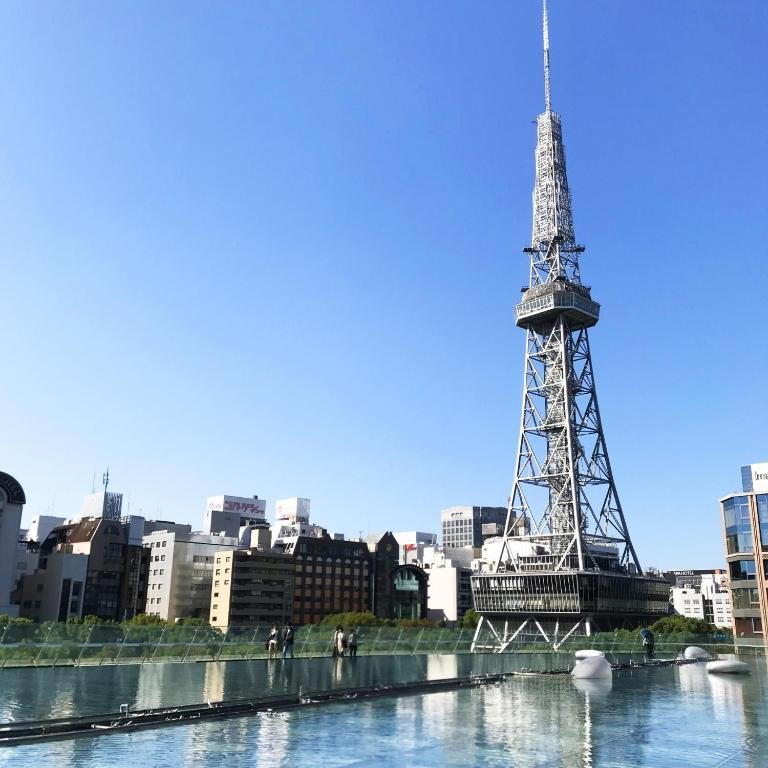
The Meieki corridor, anchored by Nagoya Station, one of the highest-revenue train stations in Japan, has historically attracted business dining rather than destination restaurants. That dynamic has been shifting. As rents in central Nagoya's older entertainment districts have tightened, a number of focused, counter-format restaurants have moved into the station-adjacent blocks, trading atmosphere for accessibility. A counter in Meieki can pull from the shinkansen-connected traveller arriving from Tokyo or Osaka in under two hours, in addition to the local business community. Sushi Shumbi Nishikawa occupies this positioning: a precise address rather than a scenic one, oriented toward the diner who prioritises what's on the counter over what's outside the window.
The Architecture of an Omakase Menu in Nagoya's Context
Across Japan, the omakase format has become the dominant grammar for serious sushi. The chef controls the sequence; the diner surrenders the ordering decision in exchange for a meal shaped by the day's fish, the season, and the kitchen's own logic. What distinguishes one omakase counter from another is rarely the format itself but rather what the menu reveals about sourcing priorities, regional allegiance, and pacing philosophy.
In Nagoya specifically, the omakase counter has had to position itself against a food culture that is more famous for its hitsumabushi eel, tebasaki chicken wings, and miso-braised preparations than for fish. Restaurants like Atsuta Horaiken (あつた蓬莱軒 本店) represent the deep-rooted local identity of Nagoya cuisine, and any counter serving sushi in this city is implicitly in conversation with that tradition. The question for an omakase address in Nagoya is whether it draws from Tsukiji-era Tokyo influence, from the proximity to Ise-Shima's coastal fisheries, or from something more locally synthesised.
The geography is worth understanding. Nagoya sits close to Ise Bay and within reach of the Mikawa coast, both of which produce shellfish and flatfish that do not always reach Tokyo's counter circuit. A Nagoya sushi counter with strong sourcing relationships has access to ingredients that a comparable Tokyo address might not prioritise. Whether any given menu at Shumbi Nishikawa reflects that coastal proximity or takes a more classically Edomae approach is the kind of editorial question that a visit would answer more reliably than a record. What the address in Meieki confirms is that this is a restaurant oriented toward the city's working professional dining scene rather than toward tourism.
For comparison within Nagoya's broader restaurant circuit, the city supports a wide range of ambitious cooking: cucina Wada and Bacio anchor the Italian-influenced end of the fine dining tier, while Chez Kobe and Cucina Italiana Gallura represent the city's appetite for European formats done with Japanese precision. Sushi Shumbi Nishikawa occupies a different register entirely, one defined by Japanese culinary tradition rather than imported frameworks.
Placing Shumbi Nishikawa in Japan's Sushi Counter Hierarchy
Japan's sushi counter tier has stratified considerably over the past decade. At one end sit the Michelin-starred counters of Ginza and Azabu, addresses like Harutaka in Tokyo, which operate at the upper limit of formal omakase. At the other end are neighbourhood counters that prioritise regulars over recognition. Regional city counters in Nagoya, Fukuoka, or Kyoto tend to occupy a middle tier: technically serious, often excellent, but operating within local pricing and sourcing realities that differ from the capital.
Across Japan's secondary cities, this middle tier has produced some of the country's most compelling counter dining precisely because the pressure to perform for international food tourism is lower. Goh in Fukuoka and Gion Sasaki in Kyoto have both demonstrated that regional positioning, far from being a limitation, allows for a kind of cooking that is more locally specific than anything designed for a global audience. Nagoya's sushi counter scene operates within the same logic.
For the traveller moving across Japan on the Tokaido Shinkansen corridor, Nagoya is a natural stop between Tokyo and Osaka. A counter dinner in Meieki, walkable from Nagoya Station in minutes, fits the rhythm of that kind of itinerary. Those building more extended Japan itineraries might pair a Nagoya counter meal with visits to HAJIME in Osaka or akordu in Nara for a broader picture of how Japan's regional fine dining operates outside Tokyo's gravity.
Further afield, counter-format precision dining is not confined to Japan. Atomix in New York City and Le Bernardin in New York City each demonstrate, in their own ways, how the sequenced tasting format translates across cultures, though the omakase counter remains a Japanese-specific grammar in its most disciplined form.
Planning a Visit: What to Know Before Going
Sushi Shumbi Nishikawa sits at 2 Chome-29-19 Meieki, Nakamura Ward, Nagoya, a location within the dense commercial grid that surrounds Nagoya Station, making it direct to reach by rail from anywhere in the city or by shinkansen from Tokyo, Kyoto, or Osaka. Japanese-language communication is standard practice for reservation enquiries at counter-format restaurants in Nagoya, so arrangements made through a hotel concierge or local booking service will generally produce better results than direct foreign-language outreach.
For a broader view of where Sushi Shumbi Nishikawa sits within Nagoya's dining circuit, our full Nagoya restaurants guide maps the city's key addresses across cuisine types, neighbourhoods, and price tiers. Those interested in comparable counter experiences across Japan's regions can explore 一本杉 川島商店 in Nanao, 夕なぎ乃 in Sapporo, 湖里庵 in Takashima, 庄羽屋 in Nishikawa Machi, and Birdland in Sakai for a picture of how Japan's regional counter culture varies by geography.
Frequently asked questions
What's Sushi Shumbi Nishikawa's location?
Sushi Shumbi Nishikawa is located at 2 Chome-29-19 Meieki, Nakamura Ward, Nagoya, Aichi 450-0002, Japan, Nagoya.
How does Sushi Shumbi Nishikawa's Nagoya location compare to Tokyo's sushi counter districts?
Sushi Shumbi Nishikawa sits at 2 Chome-29-19 Meieki, Nakamura Ward, directly within the commercial density surrounding Nagoya Station, one of Japan's highest-traffic rail hubs. That address differs structurally from the low-footfall, discreet side streets of Ginza or Azabu where many Michelin-starred counters operate. Nagoya's sushi scene draws on distinct regional sourcing, particularly Ise Bay and the Mikawa fishing ports, which gives its counters a different neta profile from the Tokyo-centric omakase circuit.
What do people recommend at Sushi Shumbi Nishikawa?
Sushi Shumbi Nishikawa operates on an omakase format, meaning the chef sets the sequence rather than diners ordering à la carte. At counters of this type in Nagoya, the selection typically follows seasonal availability of Ise Bay seafood alongside neta sourced from Toyosu. Specific dish recommendations are best gathered from fellow diners after the meal, as the menu shifts with each service.
Is Sushi Shumbi Nishikawa reservation-only?
Serious omakase counters in Japan at this address tier, located in the dense commercial grid of Meieki, Nakamura Ward, almost universally require advance reservations. Walk-in availability is uncommon. Contacting the venue directly before your visit to Nagoya is the practical course of action.
A Minimal comparable set
Comparable venues nearby, for context on price, style, and recognition.
| Venue | Cuisine | Price | Awards | Notes |
|---|---|---|---|---|
| Sushi Shumbi NishikawaThis venue (the venue you are viewing) | Nagoya-style Omakase Sushi | $200–300 | Not listed | Not listed |
| Myoan | Seasonal Japanese Kappo / Kaiseki | $200–300 | Tabelog 100 #80 | Higashi, Seasonal Japanese Kappo / Kaiseki |
| ことわりをはかるみせばんどう | Modern Japanese Fine Dining | $200–300 | Not listed | Chikusa, Modern Japanese Fine Dining |
| Kappo Yabushita | Traditional Japanese Kappo | $100–150 | Tabelog 100 #60 | Naka, Traditional Japanese Kappo |
| Sumiyaki Chicken Kababu | Nagoya Cochin Yakitori Omakase Counter | $50–100 | Tabelog 100 #57 | Naka, Nagoya Cochin Yakitori Omakase Counter |
| Sushisho | Edo-style Sushi Omakase | Not listed | Tabelog 100 #33 | Naka, Edo-style Sushi Omakase |
Recognition history
Dated appearances from independent guides and award organizations, with the underlying list record or original source where available.
Opinionated About Dining Top Restaurants in Japan Recommended
Opinionated About Dining