Google: 4.7 · 103 reviews

Sushi Matsūra occupies the Shirokane district of Minato City, one of Tokyo's quieter residential pockets for serious dining. The address places it within a cohort of counters where the neighbourhood itself signals intent: low foot traffic, high repeat clientele, and a format built around the meal rather than the location. For milestone occasions in Tokyo, Shirokane's intimate omakase tier consistently outperforms more conspicuous addresses.
 Discover on Pearl
Pearl is the En Primeur Club membership app — saves, bookings, and concierge access live there. Same editors, same standards.
Shirokane and the Geography of Occasion Dining in Tokyo
Tokyo's most consequential sushi meals rarely happen in Ginza's brightly lit tower floors or near the tourist corridors of Shinjuku. They happen in places like Shirokane, the residential corner of Minato City where Sushi Matsūra holds its address. The neighbourhood dynamic here is specific: low street-level visibility, a predominantly local and repeat clientele, and the kind of spatial calm that makes a milestone meal feel considered rather than performed. For anniversaries, promotions, or the sort of dinner that needs to carry weight, the Shirokane tier of Tokyo omakase has earned a distinct reputation precisely because it does not announce itself.
That geographic logic matters when choosing where to mark an occasion in Tokyo. The city's special-occasion dining has split into at least two legible tiers: the high-visibility Michelin-decorated counters in Ginza and Minami-Aoyama that price and book like concert tickets, and a quieter second tier in residential pockets where the calibre of the meal is not in doubt but the atmosphere is measurably less theatrical. Harutaka, operating at the ¥¥¥¥ price point in central Tokyo, represents the former archetype. Sushi Matsūra, set in Shirokane's 5-chome, operates closer to the latter.
The Omakase Format and Why It Works for Milestone Meals
The omakase counter is, structurally, one of the most occasion-appropriate formats in all of Japanese dining. The guest surrenders choice to the chef, and what arrives is shaped entirely by what is seasonal, what arrived from market that morning, and what the kitchen judges to be at peak condition. For a birthday or anniversary dinner, this structure removes a particular kind of anxiety: there is no menu to deliberate over, no risk of ordering poorly, no moment where the wrong decision undermines the evening. The meal unfolds on its own terms.
Japan's broader fine dining culture has long understood this. The kaiseki tradition at places like RyuGin operates on similar principles of seasonal submission, where the diner's role is to receive rather than select. The sushi counter compresses that logic into an even more immediate format: fish aged to precise windows, rice seasoned with the vinegar ratios particular to each chef's training, nigiri presented in a sequence that moves from lighter to richer. At the serious counters, the meal's pacing is itself a form of hospitality.
Minato City's Counter Dining in Context
Minato City holds an unusually dense concentration of Tokyo's high-intent dining addresses. Roppongi, Azabu-Juban, and Shirokane each contribute distinct characters to the ward's food culture, with Shirokane functioning as the most residential and least tourist-oriented of the three. Counters here tend to attract professionals from the surrounding neighbourhood, diplomatic community regulars, and visitors who have been directed by someone who already knows. The self-selecting nature of that clientele shapes the room's atmosphere in ways that more conspicuous addresses cannot replicate.
For international visitors planning occasion meals, this geography has a practical dimension. Minato City is well connected by subway, with Shirokane-Takanawa and Shirokanedai stations both accessible on the Toei Mita and Tokyo Metro Namboku lines. The neighbourhood's relative quiet means arrival and departure are unhurried, which matters when the meal itself is the primary event of the evening.
Placing Sushi Matsūra in the Tokyo Occasion Dining Tier
Tokyo's ¥¥¥¥ sushi counter cohort is not uniform. Within it, venues differentiate by counter size, lineage signals, booking depth, and the degree to which they cultivate a regular clientele versus accepting walk-in or short-notice reservations. The most sought-after counters in this tier are those where the booking window stretches to two or three months, where the seat count is deliberately limited, and where the experience is calibrated for guests who have either been before or been referred.
Sushi Matsūra's Shirokane address places it in competition not with the high-traffic Ginza giants but with the smaller, neighbourhood-anchored counters that define Tokyo's residential fine dining tier. Comparable occasion choices at the French end of the ¥¥¥¥ bracket include L'Effervescence in Nishi-Azabu and Sézanne in Marunouchi, both of which offer a similarly considered, low-theatre framework for special occasions but within the French fine dining idiom. For those committed to Japanese format, the sushi counter remains the more culturally specific choice.
Visitors who want to extend their Japan occasion dining itinerary beyond Tokyo have a well-established circuit to consider. HAJIME in Osaka operates at the intersection of French technique and Japanese ingredient sourcing. Gion Sasaki in Kyoto represents the kaiseki tradition at its most rigorous. akordu in Nara and Goh in Fukuoka extend the map to regional addresses with serious culinary credentials. Further afield, 一本木 那谷川製 in Nanao and 夕佳亭山乃 in Sapporo represent the depth of Japan's regional counter dining culture. Western Japan options include 湖畔荘 in Takashima and 奥羽屋 in Nishikawa Machi for those willing to travel for the right room.
For guests whose occasion dining extends to yakitori or bistro formats, Birdland in Sakai and Bistro Ange in Toyohashi offer compelling regional alternatives at different price points. Tokyo's own innovative French tier is covered by Crony, which operates in a more contemporary idiom than the traditional omakase format. See our full Tokyo restaurants guide for a complete picture of the city's current occasion dining options.
International comparisons are useful here. At the ¥¥¥¥ equivalent in New York, Le Bernardin and Atomix represent what the occasion dining tier looks like when French technique and Korean-inflected tasting menus compete at the leading of a market. Tokyo's sushi counter tradition remains structurally different: the ingredient, not the technique, is the primary argument.
Planning the Meal: Practical Reference
Sushi Matsūra is located in Shirokane, 5-chome, Minato City, Tokyo. The nearest stations are Shirokanedai (Tokyo Metro Namboku Line, Toei Mita Line) and Shirokane-Takanawa (same lines), both within walking distance of the Shirokane 5-chome address. For occasion reservations at counters in this Minato City tier, advance booking of four to eight weeks is standard practice; for peak dates such as Valentine's Day, New Year's Eve, or Golden Week, extend that window further. Omakase counters at this level do not typically list prices publicly, and the final bill will reflect the day's market selection. Dress is smart casual at minimum; for milestone dinners, err toward business casual. Specific booking contact, hours, and pricing were not available at time of publication.
Budget and Context
A quick comparison pulled from similar venues we track in the same category.
| Venue | Price | Awards | Notes |
|---|---|---|---|
| Sushi Matsūra | This venue | ||
| Harutaka | ¥¥¥¥ | Michelin 3 Star | Sushi, ¥¥¥¥ |
| L'Effervescence | ¥¥¥¥ | Michelin 3 Star | French, ¥¥¥¥ |
| RyuGin | ¥¥¥¥ | Michelin 3 Star | Kaiseki, Japanese, ¥¥¥¥ |
| Crony | ¥¥¥¥ | Michelin 2 Star | Innovative, French, ¥¥¥¥ |
| Florilège | ¥¥¥ | Michelin 2 Star | French, ¥¥¥ |







At a Glance
- Intimate
- Elegant
- Classic
- Sophisticated
- Special Occasion
- Date Night
- Business Dinner
- Chefs Counter
- Open Kitchen
- Local Sourcing
- Sustainable Seafood
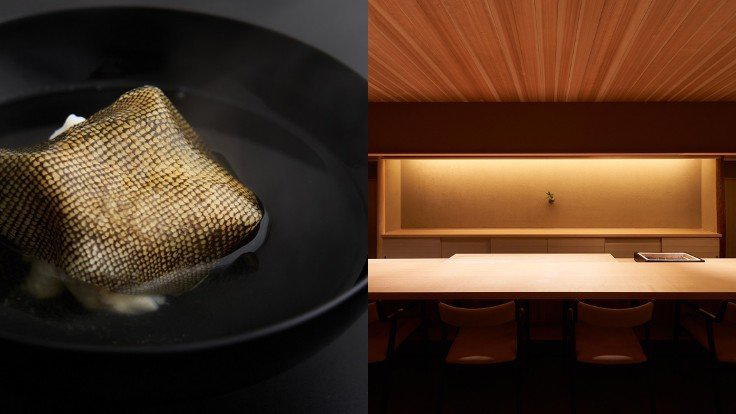
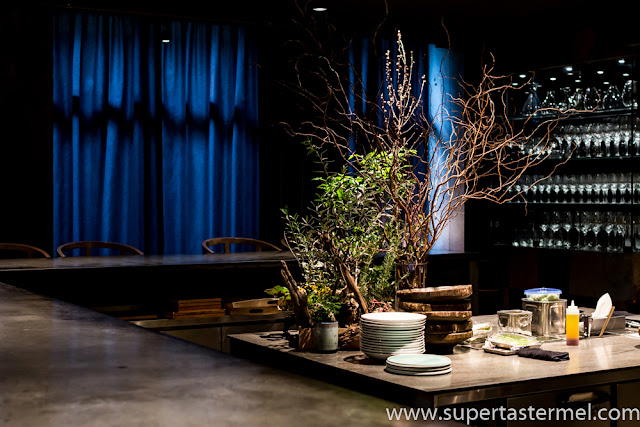
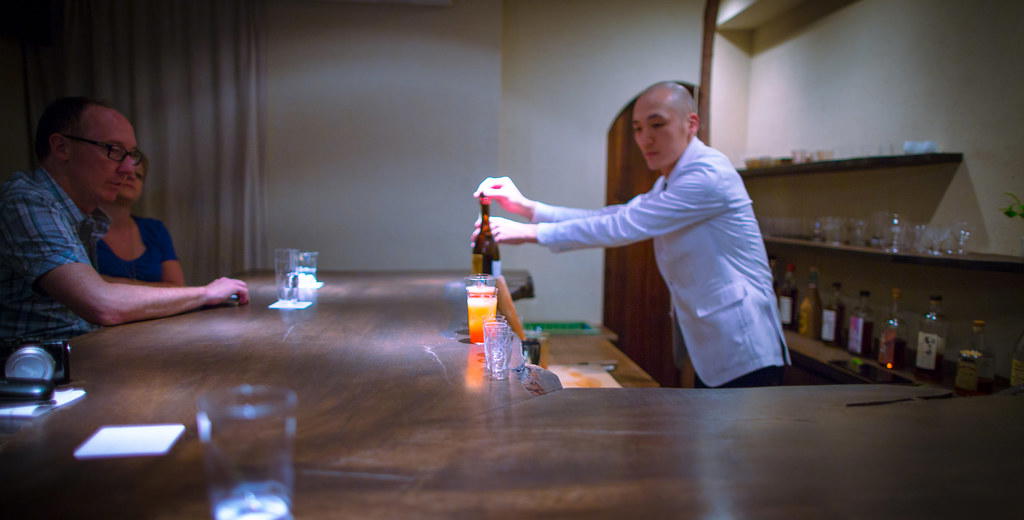
Intimate and refined counter setting with close-up view of the chef's meticulous preparation; minimalist and focused on the culinary experience.