
1 Michelin Star
Our verdict
Sushi Kawashima holds a Michelin star for 2024 and 2025, placing it among the few destination-grade counters operating outside Japan's major urban corridors. Located in Kashihara, on Nara's southern edge, it positions itself within a small but serious local fine-dining tier where omakase sushi meets the quieter rhythms of an ancient prefecture.

Pearl is the En Primeur Club membership app, where members save venues, book tables and use the concierge.
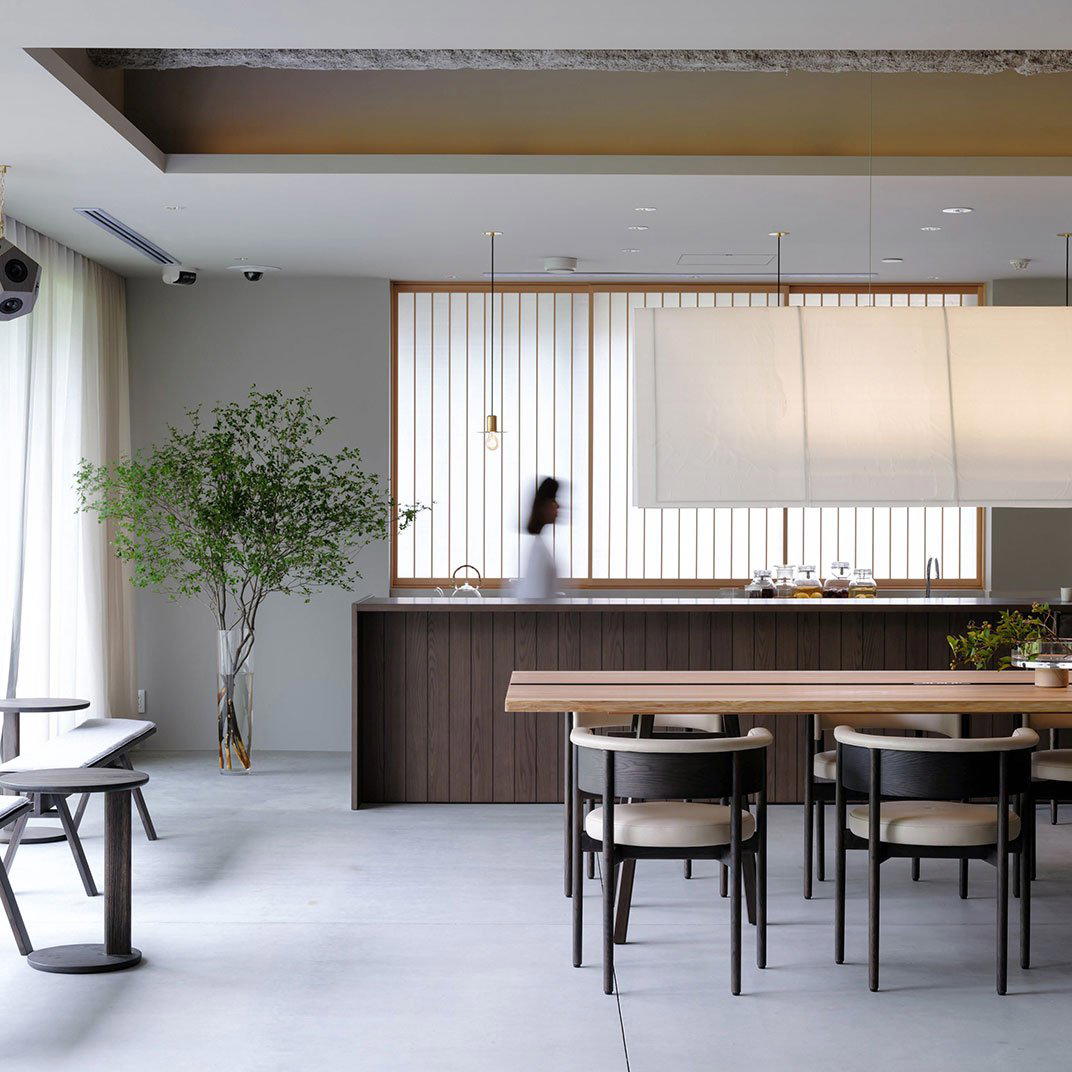
Sushi at the Edge of the Ancient Capital
Nara's reputation in food circles has long been secondary to its neighbours. Kyoto commands the kaiseki conversation; Osaka owns the street-food narrative. What Nara offers instead is a different kind of seriousness: fewer venues, less theatre, and a dining culture that rewards the traveller willing to move past the deer park. Within that context, Kashihara, the city on Nara's southern edge that houses some of the prefecture's oldest shrines, has quietly become a reference point for omakase dining at a level that would hold its own in any regional Japanese city. Sushi Kawashima sits in that tier.
The address, 291-1 Ishikawacho in Kashihara, places it away from the tourist circuits that concentrate around Nara Park. That physical remove is part of what defines its audience: guests here are making a specific decision to eat sushi at this level, in this place, rather than wandering in from a temple itinerary. For visitors arriving by rail, Kashihara is reachable from central Nara via the Kintetsu Kashihara line, a commute that frames the meal as a deliberate half-day excursion rather than a walk between sights.
Two Consecutive Michelin Stars in a Prefecture Without an Easy Shorthand
Michelin recognition in secondary Japanese cities means something different than it does in Tokyo or Osaka. In the capital, a single star lands a counter inside a deeply competitive grid of hundreds of starred venues. In Nara, where the Michelin Guide's footprint is thinner, a star signals that a venue has cleared a bar set against the national standard, not merely the local one. Sushi Kawashima has held one Michelin star in both 2024 and 2025, a consecutive retention that moves beyond debut recognition and signals consistent kitchen discipline. For comparison, akordu (Spanish, Innovative) and NARA NIKON (Japanese) represent Nara's broader fine-dining range at a comparable price tier, while sushi-specific peers Naramachi Sushi Hanako, Shikinosushi KROUTO, and Sushidokoro WASABI define the local omakase field Kawashima leads.
The sample size is small enough that the figure should be read as an early signal rather than a statistically settled consensus, but the consistency with Michelin retention is notable. These are not numbers that drift that direction by accident.
The Counter Dynamic: How the Room Works
Omakase sushi at the starred level in Japan operates through a specific choreography of collaboration that goes largely unseen. The itamae at the counter handles pacing, temperature, and the sequence of nigiri, but the overall experience depends on how front-of-house reads each guest's rhythm, how sake or tea pairing moves in time with the fish, and how the small details of service, towel temperature, the moment a plate is removed, the explanation of a provenance, accumulate into a coherent whole. That integration of counter, service, and floor is where starred sushi counters separate from technically competent but atmospherically flat alternatives.
At venues operating at the ¥¥¥ tier in regional Japan, the team dynamic often runs leaner than in metropolitan equivalents. There is less buffer staff, which means each interaction between the chef and a guest carries more weight. A counter chef who can read a table, adjust pacing, and explain sourcing in a way that feels like conversation rather than recitation is doing more than cooking. He is also serving as host, curator, and, where language permits, cultural interpreter.
For international visitors, the question of language access at small regional counters is worth addressing honestly. Kashihara is not a high-traffic destination for non-Japanese speakers, and counter dining at this level benefits from some advance preparation: knowing the format, understanding what omakase means in practice, and, where possible, flagging dietary constraints at the time of booking rather than at the counter. Booking itself is worth arranging well in advance; starred regional counters in Japan typically operate with limited seats and limited reservation windows that fill through a mix of regulars and word-of-mouth referrals.
Where Kawashima Sits in the Regional and National Sushi Conversation
Placing Sushi Kawashima within Japan's sushi geography requires some honest calibration. Tokyo's starred counter tier, represented by venues like Harutaka, operates inside a different competitive density. Osaka's scene, anchored by Michelin-recognised institutions, runs on a larger audience base. Kyoto's equivalent, with venues like Gion Sasaki in the kaiseki-adjacent space, draws heavily from international hotel tourists. Kawashima does not compete in any of those arenas. It is a regional counter, and that is not a diminishment.
The case for regional sushi at the starred level is a case about access and atmosphere. A counter in Kashihara operates without the three-month advance booking pressure common to Tokyo's top tier. The guest-to-chef ratio at smaller regional venues typically means more attentive service per seat. And the context, eating at this level in a city better known for eighth-century temples than restaurant reservations, carries a specific kind of satisfaction that the metropolitan equivalents cannot replicate. For visitors building an itinerary through the Kansai region, Kawashima represents a logical complement to HAJIME in Osaka or an alternative anchor for a day trip from Kyoto.
Beyond Japan's borders, the regional fine-dining model finds parallels in places like Sushi Shikon in Hong Kong and Shoukouwa in Singapore, both of which have built starred reputations in cities where Japanese sushi counters operate as transplanted specialists. Kawashima inverts that model: it is Japanese, operating in Japan, but in a city that lacks the infrastructure of dining tourism those international counters rely on. That self-sufficiency in a quieter market is part of what makes the sustained Michelin recognition meaningful.
For those building out their Kansai itinerary beyond the table, our full Nara restaurants guide maps the broader dining picture, while the hotels guide, bars guide, wineries guide, and experiences guide cover the full scope of the prefecture. Further afield in Japan, Goh in Fukuoka and 1000 in Yokohama and 6 in Okinawa offer comparative reference points for how Japan's regional fine-dining conversation is developing outside the two main urban poles.
Planning a Visit
Sushi Kawashima is located at 291-1 Ishikawacho, Kashihara, Nara 634-0045. Kashihara sits at the southern end of the Kintetsu Kashihara line from central Nara, making the venue accessible as a dedicated excursion rather than a between-sights stop. The ¥¥¥ price positioning places it in the same tier as Nara's other serious fine-dining addresses, which means budgeting for a full omakase experience rather than an à la carte meal. Hours and seat count are not published here, so direct confirmation before travelling is sensible given the venue's distance from the main tourist corridor.
Frequently asked questions
What kind of setting is Sushi Kawashima?
Is Sushi Kawashima okay with children?
What do regulars order at Sushi Kawashima?
Where It Fits
| Venue | Cuisine | Price | Awards | Notes |
|---|---|---|---|---|
| Sushi KawashimaThis venue (the venue you are viewing) | Nara-Style Omakase Sushi | $100–150 | 1 Michelin Star | Not listed |
| akordu | Modern Spanish with Nara Influences | $150–200 | 2 Michelin Stars · La Liste Top Restaurants | Spanish, Innovative |
| Wa Yamamura | Traditional Kaiseki | $100–150 | 1 Michelin Star | Kaiseki, Japanese |
| Araki | Seasonal Japanese Tempura and Kaiseki | $100–150 | Michelin Plate · Tabelog Bronze #23 | Not listed |
| Tama | French with Local Nara Ingredients | $50–100 | Michelin Plate | Not listed |
| NARA NIKON | Kaiseki | $150–200 | 2 Michelin Stars · La Liste Top Restaurants | Japanese |
Recognition history
Dated appearances from independent guides and award organizations, with the underlying list record or original source where available.
Michelin 1 Star
Michelin
Full recognition history (3 entries)
Michelin 1 Star
Michelin
Michelin 1 Star
Michelin
Continue exploring
More in Nara
Restaurants in Nara
All restaurants in Nara →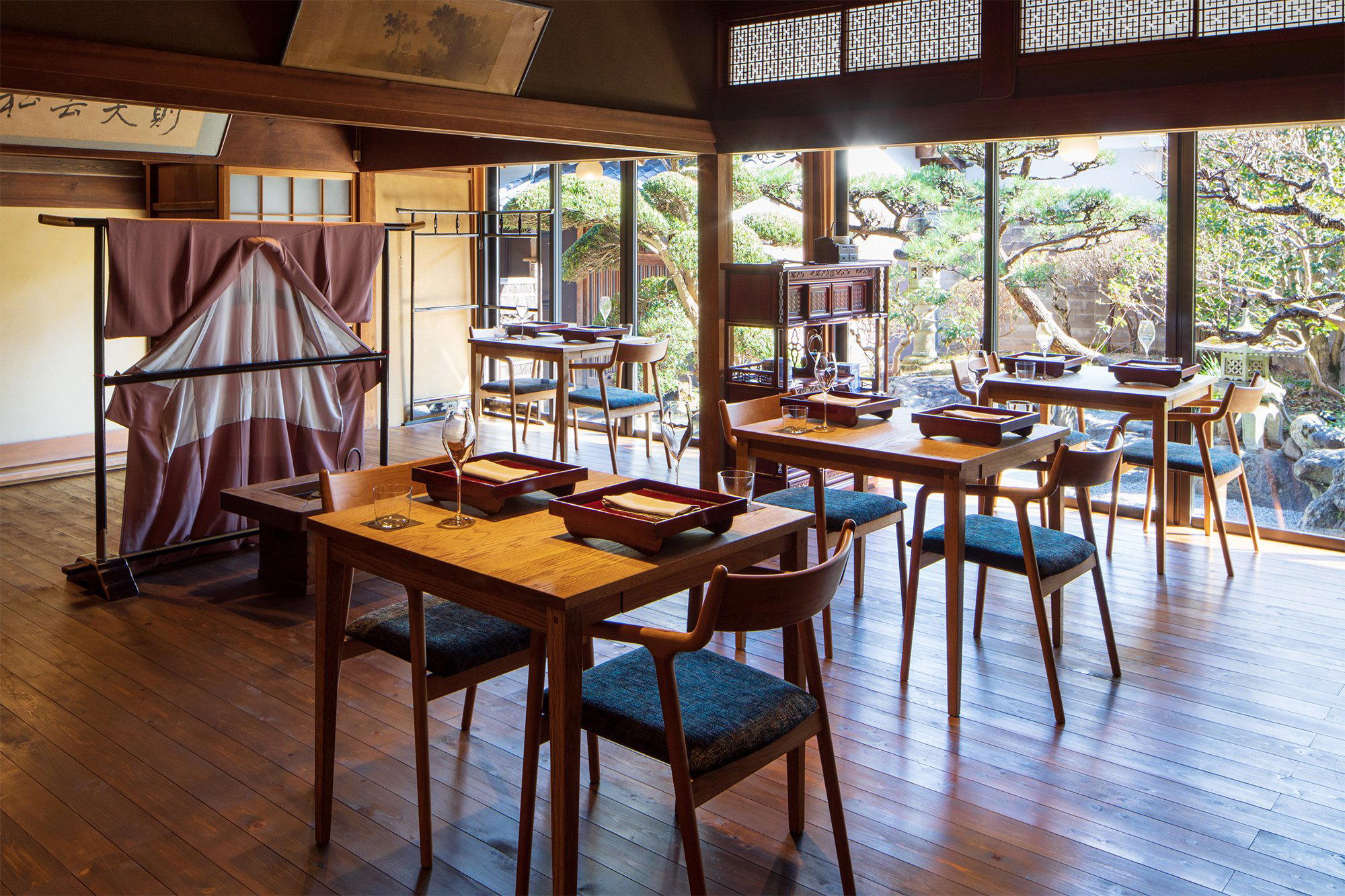
Bars in Nara
All bars in Nara →
Hotels in Nara
All hotels in Nara →


Wineries in Nara
Browse all →
Details
- Elegant
- Quiet
- Intimate
- Sophisticated
- Date Night
- Special Occasion
- Chefs Counter
- Sake Program
- Local Sourcing
- Omakase
- Counter Dining
Current opening hours
- Monday
- 6–11 PM
- Tuesday
- 6–11 PM
- Wednesday
- 6–11 PM
- Thursday
- 6–11 PM
- Friday
- 6–11 PM
- Saturday
- 5–11 PM
- Sunday
- 5–11 PM
Hours can change for holidays and private events. Hours as of .
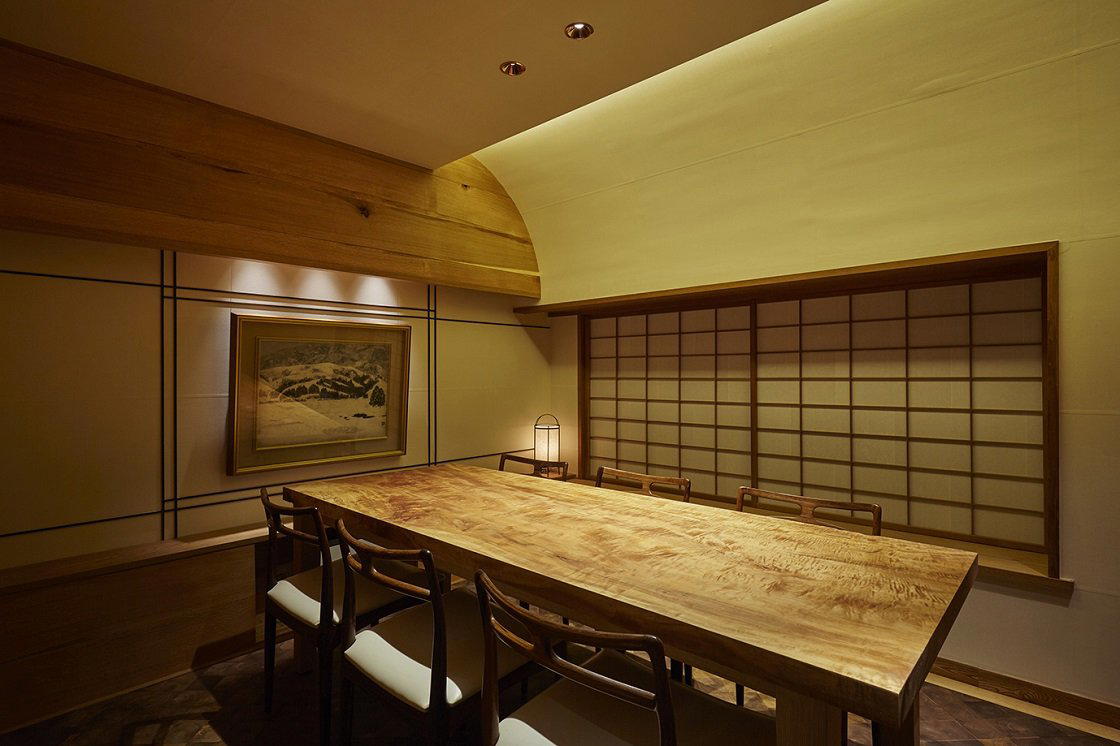
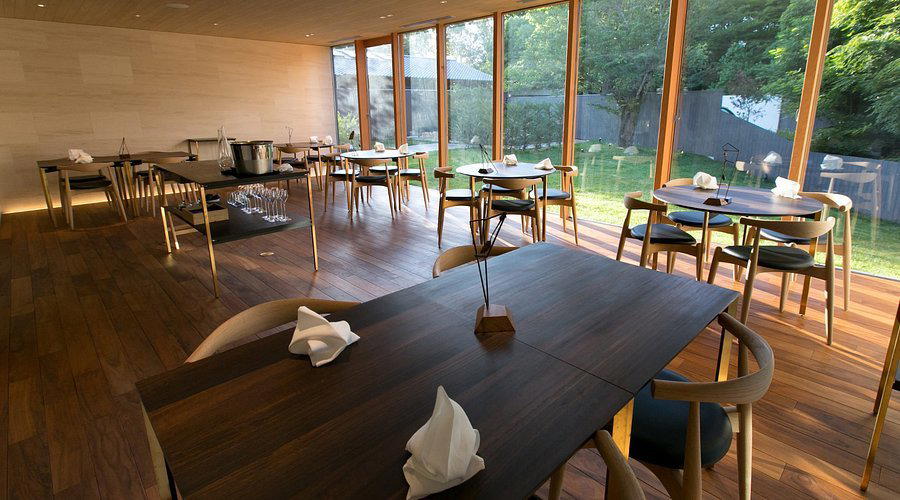
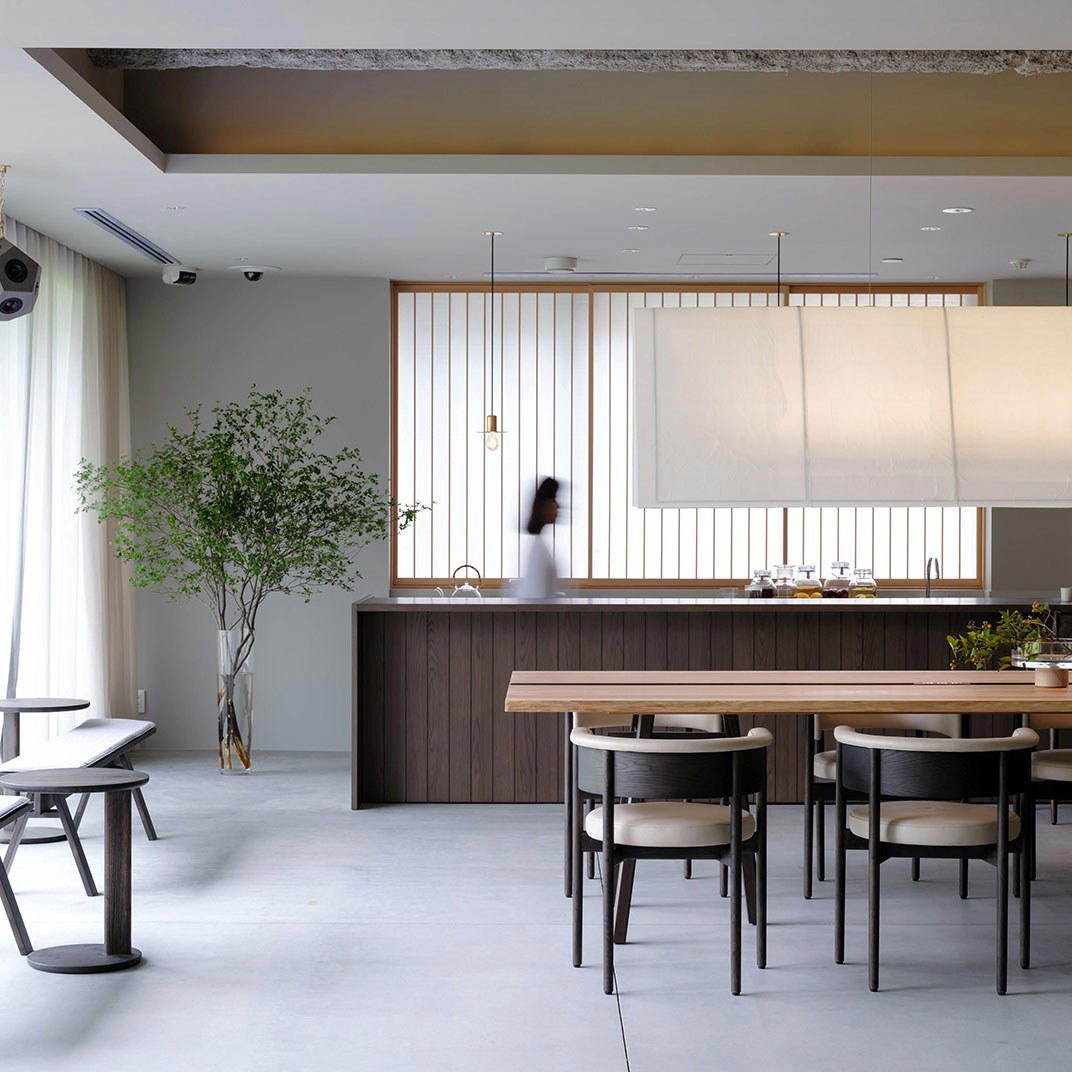
Welcoming, elegant, and quiet atmosphere with a refined, calm interior praised for its comfortable and sophisticated setting.