
Michelin Plate
Our verdict
Sushidokoro WASABI holds consecutive Michelin Plate recognition (2024 and 2025) in Nara, positioning it among the prefecture's small but serious sushi cohort. At ¥¥¥ price point, it sits in the same tier as Nara's kaiseki and innovative dining rooms, offering traditional sushi craft in a city better known for temples than counter dining. reliable execution rather than polarising ambition.

Pearl is the En Primeur Club membership app, where members save venues, book tables and use the concierge.
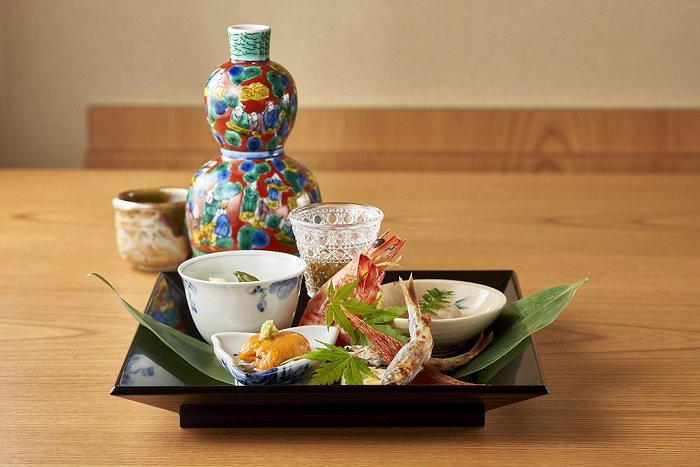
Sushi in a Temple City: What Nara's Counter Dining Actually Looks Like
Most visitors arrive in Nara with an itinerary built around Todai-ji and the deer park, not around reservation confirmations for an omakase counter. That ordering of priorities reflects something real about the city's identity: Nara is Japan's ancient capital before it is a dining destination, and its restaurant scene has developed in the shadow of Kyoto's more celebrated kaiseki tradition to the west. Which makes the presence of a Michelin Plate-recognised sushi counter at 39 Hayashikojicho all the more instructive. Sushidokoro WASABI isn't a concession to tourist appetite. It belongs to a quiet but deliberate sushi tradition that Nara has been building for years, operating at a ¥¥¥ price point that places it alongside the city's kaiseki rooms and innovative dining projects rather than its tourist-facing lunch spots.
The Intersection of Imported Method and Local Supply
The foundational tension in high-end Japanese sushi outside the major port cities is access: the leading fish markets are in Tokyo, Osaka, and Fukuoka, and the logistics of sourcing premium seafood to a landlocked prefecture like Nara add both cost and planning complexity. Counters that succeed in this context do so by working that constraint productively, sourcing fish with intention and pairing it against ingredients where Nara has genuine provenance depth. Yamato vegetables, the distinctive heritage cultivars grown in the Nara basin for centuries, represent exactly the kind of indigenous product that allows a technically rigorous sushi operation to do something that Tokyo counters simply cannot replicate in the same way. The technique is transmitted from coastal traditions; the supporting ingredients carry local specificity.
This is the dynamic worth understanding when you sit at a Nara sushi counter. The knife work, the rice temperature management, the rice-to-fish ratio discipline these come from a lineage that runs through the great Edo-mae counters. But the context around the nigiri, the garnishes, the palate-clearing elements, the overall meal arc, has more latitude in a city like Nara precisely because it sits outside the hierarchical expectations of the Tokyo sushi scene. Consecutive Michelin Plate recognition in 2024 and 2025 confirms that WASABI executes within the standard expected of the guide, without reaching for the starred tier that would invite direct comparison with Harutaka in Tokyo or the precision-driven counters of Ginza.
Where WASABI Sits in Nara's Dining Tier
Nara's serious dining options cluster around a small set of cuisines: kaiseki, which draws on the same Yamato seasonal tradition that informs much of the city's food culture; innovative or fusion formats, represented by operations like akordu (Spanish, Innovative); and sushi, where WASABI competes alongside Sushi Kawashima, Naramachi Sushi Hanako, and Shikinosushi KROUTO. All three of the latter operate at or near the ¥¥¥ bracket, confirming that Nara's sushi segment has consolidated around mid-to-upper pricing rather than splitting between value lunch counters and high-end dinner formats the way Tokyo's market has.
It suggests a room that satisfies its guests without generating the kind of social-media frenzy that inflates ratings at newer or more visually theatrical venues. For a sushi counter, where the experience is primarily tactile and gustatory rather than photogenic, that profile is appropriate. Compare it against the trajectory of internationally recognised sushi in the region: Sushi Shikon in Hong Kong and Shoukouwa in Singapore both demonstrate that Edo-mae sushi can travel to new cities and retain Michelin recognition, but they do so at price points and within competitive sets that differ substantially from what a Nara counter faces.
The Broader Kansai Context
Nara sits within easy reach of both Osaka and Kyoto, which shapes both its competitive position and its opportunity. Diners staying in Osaka or Kyoto regularly make day trips to Nara for the temples, and the smarter ones plan a meal around the visit rather than defaulting to tourist-district options. The city's serious restaurants benefit from this pattern because the incremental effort of making a reservation is low for a traveller already planning to be in the area. HAJIME in Osaka and Gion Sasaki in Kyoto represent the Michelin-starred ceiling of their respective cities; WASABI operates well below that ceiling but within a price tier that makes it accessible to the same travelling audience without requiring them to reconfigure their entire dining budget.
For the range of what the wider EP Club network covers in this part of Japan, NARA NIKON offers a different Japanese format at comparable pricing, while guides to Goh in Fukuoka and 1000 in Yokohama extend the regional picture for those building a longer Japan itinerary. Our full Nara restaurants guide maps the complete dining picture across formats and price tiers.
Planning a Visit
Sushidokoro WASABI is located at 39 Hayashikojicho in Nara's 630-8227 postal district, a central address that places it within the older residential and commercial quarters of the city rather than the main tourist circuit around Nara Park. At ¥¥¥ pricing, budget accordingly for an omakase-format dinner at a counter that takes its craft seriously; this is not a quick lunch stop. Given the small scale typical of serious sushi operations and the venue's Michelin Plate profile, booking ahead is advisable, particularly during spring and autumn when Nara's temple precincts draw significant visitor numbers and restaurant reservations across the city tighten. For context on where to stay nearby, our full Nara hotels guide covers the accommodation picture, and our guides to Nara bars, Nara wineries, and Nara experiences round out the broader visit.
FAQs
Would Sushidokoro WASABI be comfortable with kids?
At ¥¥¥ pricing in a city where sushi at this level is counter-service and pace-dependent, it is not designed for young children.
What kind of setting is Sushidokoro WASABI?
If you are visiting Nara and want a Michelin-recognised sushi counter at mid-to-upper price point rather than another kaiseki room, WASABI fits that brief; if the awards profile or ¥¥¥ spend is more than the visit warrants, the city has approachable sushi alternatives at lower price tiers.
What dish is Sushidokoro WASABI famous for?
At a Glance
| Venue | Cuisine | Price | Awards | Notes |
|---|---|---|---|---|
| Sushidokoro WASABIThis venue (the venue you are viewing) | Sushi | $500+ | Michelin Plate | Not listed |
| akordu | Modern Spanish with Nara Influences | $150–200 | 2 Michelin Stars · La Liste Top Restaurants | Spanish, Innovative |
| Wa Yamamura | Traditional Kaiseki | $100–150 | 1 Michelin Star | Kaiseki, Japanese |
| Araki | Seasonal Japanese Tempura and Kaiseki | $100–150 | Michelin Plate · Tabelog Bronze #23 | Sushi, Japanese |
| Tama | French with Local Nara Ingredients | $50–100 | Michelin Plate | Okinawan, French |
| NARA NIKON | Kaiseki | $150–200 | 2 Michelin Stars · La Liste Top Restaurants | Japanese |
Recognition history
Dated appearances from independent guides and award organizations, with the underlying list record or original source where available.
Michelin Plate
Michelin
Full recognition history (3 entries)
Michelin Plate
Michelin
Michelin Plate
Michelin
Continue exploring
More in Nara
Restaurants in Nara
All restaurants in Nara →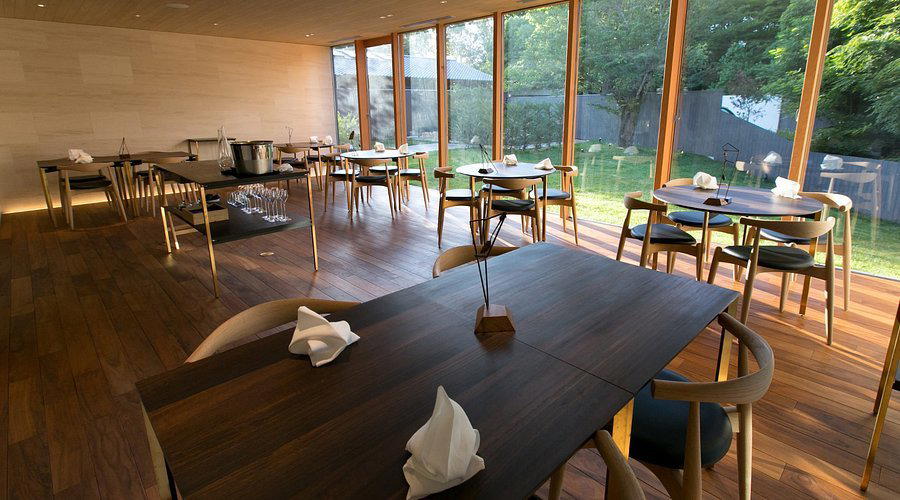


Bars in Nara
All bars in Nara →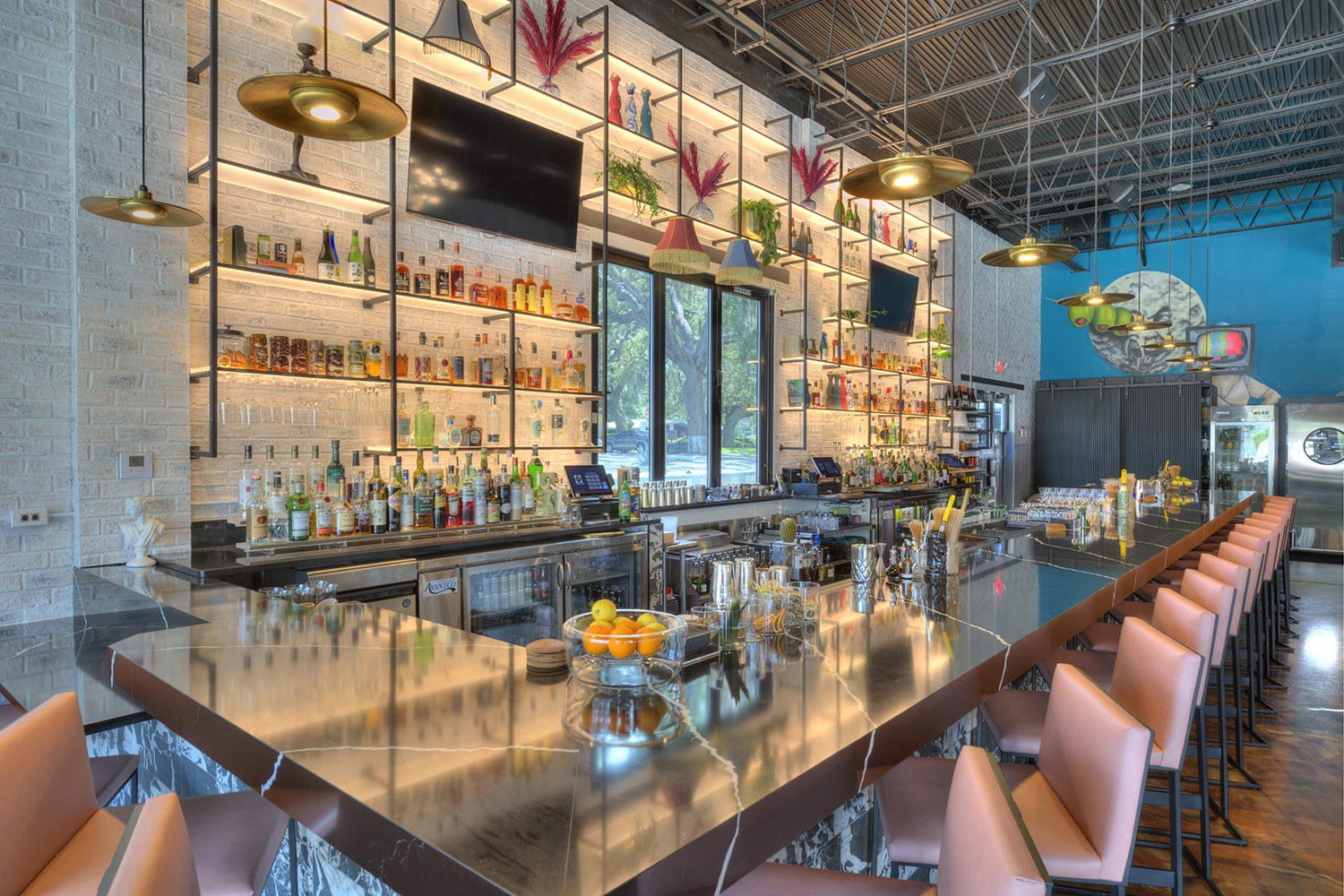
Hotels in Nara
All hotels in Nara →



Wineries in Nara
Browse all →
Details
- Quiet
- Intimate
- Solo
- Date Night
- Business Dinner
- Sake Program
- A La Carte
- Counter Dining
- Pescatarian Friendly
Current opening hours
- Monday
- 6–10 PM
- Tuesday
- 6–10 PM
- Wednesday
- Closed
- Thursday
- 6–10 PM
- Friday
- 6–10 PM
- Saturday
- 6–10 PM
- Sunday
- 6–10 PM
Hours can change for holidays and private events. Hours as of .
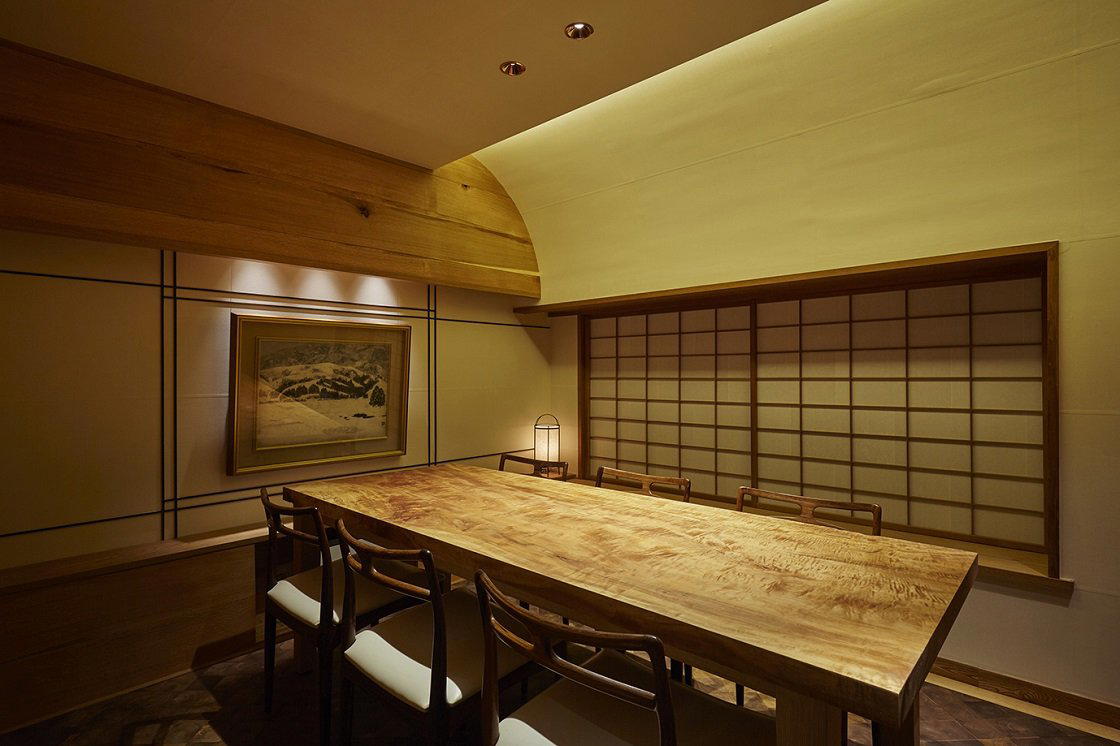
Calm and relaxing atmosphere with counter seating.