
Michelin Plate
Our verdict
Priced at the ¥¥¥ tier, it positions alongside Nara's most serious dining options without the floor pricing of Osaka or Kyoto's top omakase rooms.

Pearl is the En Primeur Club membership app, where members save venues, book tables and use the concierge.

Sushi at the Edge of the Old City
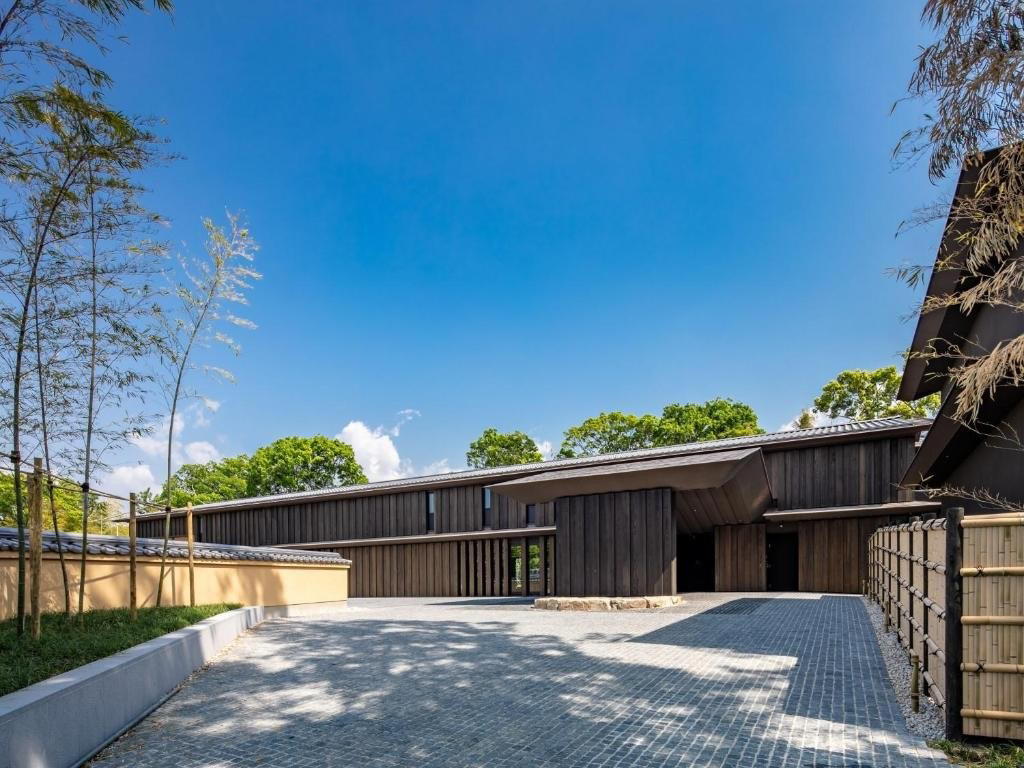
Nara's Omiyacho district sits a short walk from Kintetsu Nara Station, where the tourist infrastructure of the Higashimuki shopping arcade gives way to quieter residential blocks. It is in this in-between zone, neither deep within the heritage core nor fully removed from it, that Shikinosushi KROUTO occupies its ground-floor space in a modern low-rise building. The setting matters because it tells you something about how sushi is practised in a city that is not Osaka, not Kyoto, and not Tokyo: with less performance, fewer ceremony layers, and a directness that the neighbourhood itself reflects.
Cities with strong independent culinary identities tend to support sushi addresses that operate outside the pilgrimage model. Nara, with a resident population that treats its historic centre as an everyday backdrop rather than a destination, is exactly that kind of city. The sushi counter here is less about spectacle and more about repetition, return visits by locals who know what they want, at a price point that makes that repetition possible.
Where KROUTO Sits in Nara's Sushi Scene
The ¥¥¥ tier in Nara spans a meaningful range. At one end sit kaiseki-adjacent formats like Sushi Kawashima and Naramachi Sushi Hanako; at the other, neighbourhood counters that price for regulars rather than occasion diners. Shikinosushi KROUTO's Michelin Plate recognition in both 2024 and 2025 places it in a defined middle band: acknowledged by the guide as meeting a threshold of quality, but positioned below the starred tier that would pull in visitors from Osaka or Kyoto specifically for the meal.
That distinction has practical consequences. For context, most sushi counters at this price tier in regional Japanese cities generate far fewer reviews, which suggests KROUTO has built genuine local traction over time. Compare that to Sushidokoro WASABI
Nara's ¥¥¥ dining scene also includes non-sushi addresses worth knowing: akordu, a Spanish-innovative counter in the city, and NARA NIKON, which takes a more contemporary Japanese approach. KROUTO belongs to a different tradition entirely, one that prioritises fish over theatre and precision over provocation.
The Michelin Plate Signal and What It Implies
Michelin's Plate designation, awarded to KROUTO in consecutive years, functions differently from a star. It does not mark a restaurant as destination-worthy in the guide's own hierarchy, but it does confirm that inspectors found the cooking to clear a baseline of technical competence and ingredient quality. In a region where Michelin coverage extends through Osaka, Nara, and the Kinki area broadly, a Plate in Nara carries weight precisely because the competition pool is smaller than in the larger cities.
For comparison, the sushi counter format at this recognition level in major Japanese cities commands very different floor prices. Harutaka in Tokyo and operations like Sushi Shikon in Hong Kong or Shoukouwa in Singapore represent the starred end of the Japanese sushi export model, where omakase pricing begins well above where KROUTO operates. KROUTO's position, Michelin-noted but locally priced, is exactly the kind of opening that rewards visitors who know the guide's gradations, rather than those who search only for stars.
Nara as a Dining Base
The case for spending serious meal time in Nara, rather than treating it as a day trip from Osaka or Kyoto, has grown stronger as the city's restaurant community has deepened. Gion Sasaki in Kyoto and HAJIME in Osaka represent the kind of destination dining that pulls travellers across the Kinki region; Nara operates at a different register, where the ingredient quality is present but the room pressure is lower. That makes it a sensible city in which to eat sushi without the booking anxiety that defines counter dining in Tokyo or Kyoto's top tier.
Omiyacho's residential character reinforces this. The address, 6-chome, a block type associated with residential rather than commercial zoning, signals a counter that was not designed around tourist footfall. Getting there from central Nara is direct on foot from Kintetsu Nara Station, with the walk passing through the Higashimuki arcade before the streets quiet down. For those building an overnight itinerary, our full Nara hotels guide maps the accommodation options by proximity to the city's dining clusters.
Beyond sushi, Nara's broader food and drink picture is covered across our full Nara restaurants guide, our Nara bars guide, our Nara wineries guide, and our Nara experiences guide. Travellers spending two nights or more will find the city warrants that full coverage. For sushi specifically, the regional context extends further: Goh in Fukuoka, 1000 in Yokohama, and 6 in Okinawa represent how the format adapts across Japan's regional cities, each with a distinct local identity that mirrors what KROUTO is doing in Nara.
Planning Your Visit
Shikinosushi KROUTO is priced at the ¥¥¥ tier, which in Nara represents the upper-mid band, a step above the city's casual conveyor belt operations without reaching the floor pricing of starred omakase rooms in adjacent prefectures. For seasonal visits, autumn is the period when Nara's food culture tends to concentrate: the city sees less summer tourist pressure than Kyoto, and the produce calendar through October and November aligns well with fish-forward menus. Spring visits, timed around early April before the worst of the Nara Park crowds, also offer a compelling window. The address is in Omiyacho, 6-chome, Nara City, reachable on foot from Kintetsu Nara Station in under fifteen minutes.
Frequently asked questions
What kind of setting is Shikinosushi KROUTO?
KROUTO occupies a ground-floor unit in a residential-style building in Nara's Omiyacho neighbourhood, a few minutes beyond the main tourist corridors. The tone is local rather than destination-facing, closer in character to a neighbourhood counter than an occasion-dining room.
Is Shikinosushi KROUTO okay with children?
In general, sushi counters at the ¥¥¥ tier in Japanese regional cities tend to be quiet, seated environments where the pace of service follows the kitchen rather than the table. Families with older children comfortable in a structured setting are likely to find it manageable; very young children may find the format less suited to their needs.
at Shikinosushi KROUTO?
As a Michelin Plate-recognised sushi counter, the kitchen is likely to follow a fish-forward programme led by seasonal availability, standard for counters at this level in Japan's regional cities. The sushi tradition at this tier typically centres on nigiri prepared to order, with quality of rice technique and fish sourcing as the key differentiators.
Comparable Options
| Venue | Cuisine | Price | Awards | Notes |
|---|---|---|---|---|
| Shikinosushi KROUTOThis venue (the venue you are viewing) | Seasonal Sushi | Not listed | Michelin Plate | Not listed |
| akordu | Modern Spanish with Nara Influences | $150–200 | 2 Michelin Stars · La Liste Top Restaurants | Spanish, Innovative |
| Wa Yamamura | Traditional Kaiseki | $100–150 | 1 Michelin Star | Kaiseki, Japanese |
| Araki | Seasonal Japanese Tempura and Kaiseki | $100–150 | Michelin Plate · Tabelog Bronze #23 | Sushi, Japanese |
| Tama | French with Local Nara Ingredients | $50–100 | Michelin Plate | Okinawan, French |
| NARA NIKON | Kaiseki | $150–200 | 2 Michelin Stars · La Liste Top Restaurants | Japanese |
Recognition history
Dated appearances from independent guides and award organizations, with the underlying list record or original source where available.
Michelin Plate
Michelin
Full recognition history (3 entries)
Michelin Plate
Michelin
Michelin Plate
Michelin
Continue exploring
More in Nara
Restaurants in Nara
All restaurants in Nara →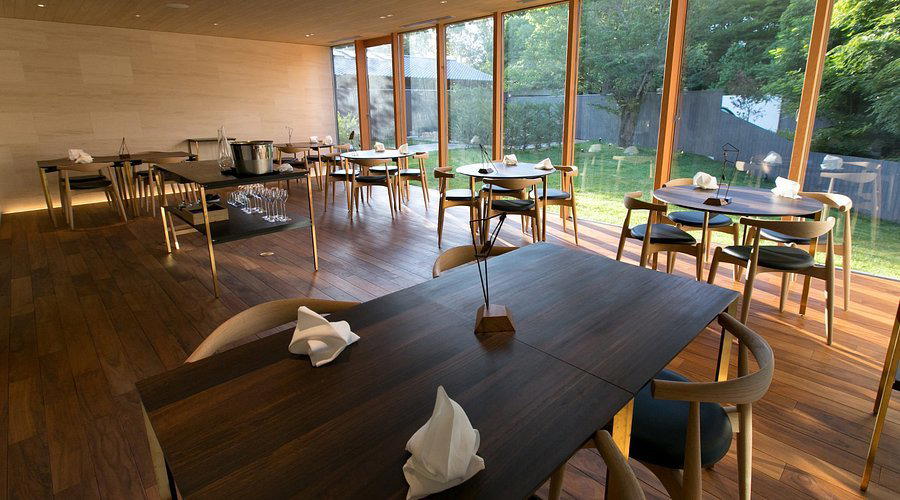
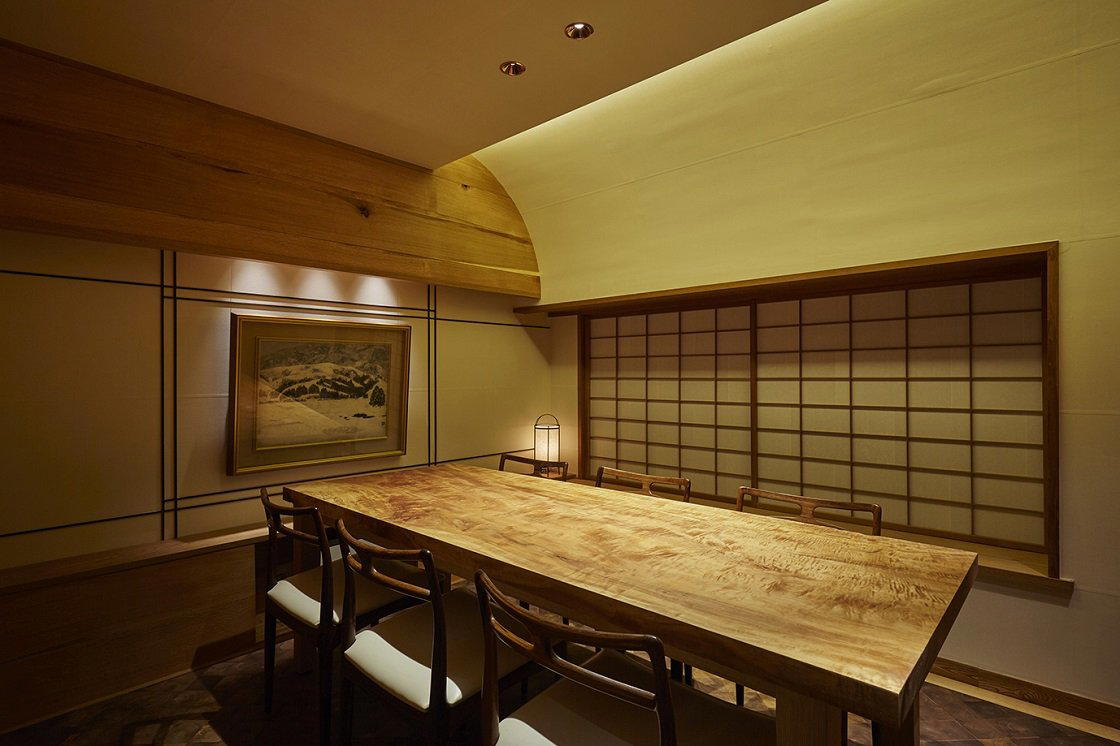



Bars in Nara
All bars in Nara →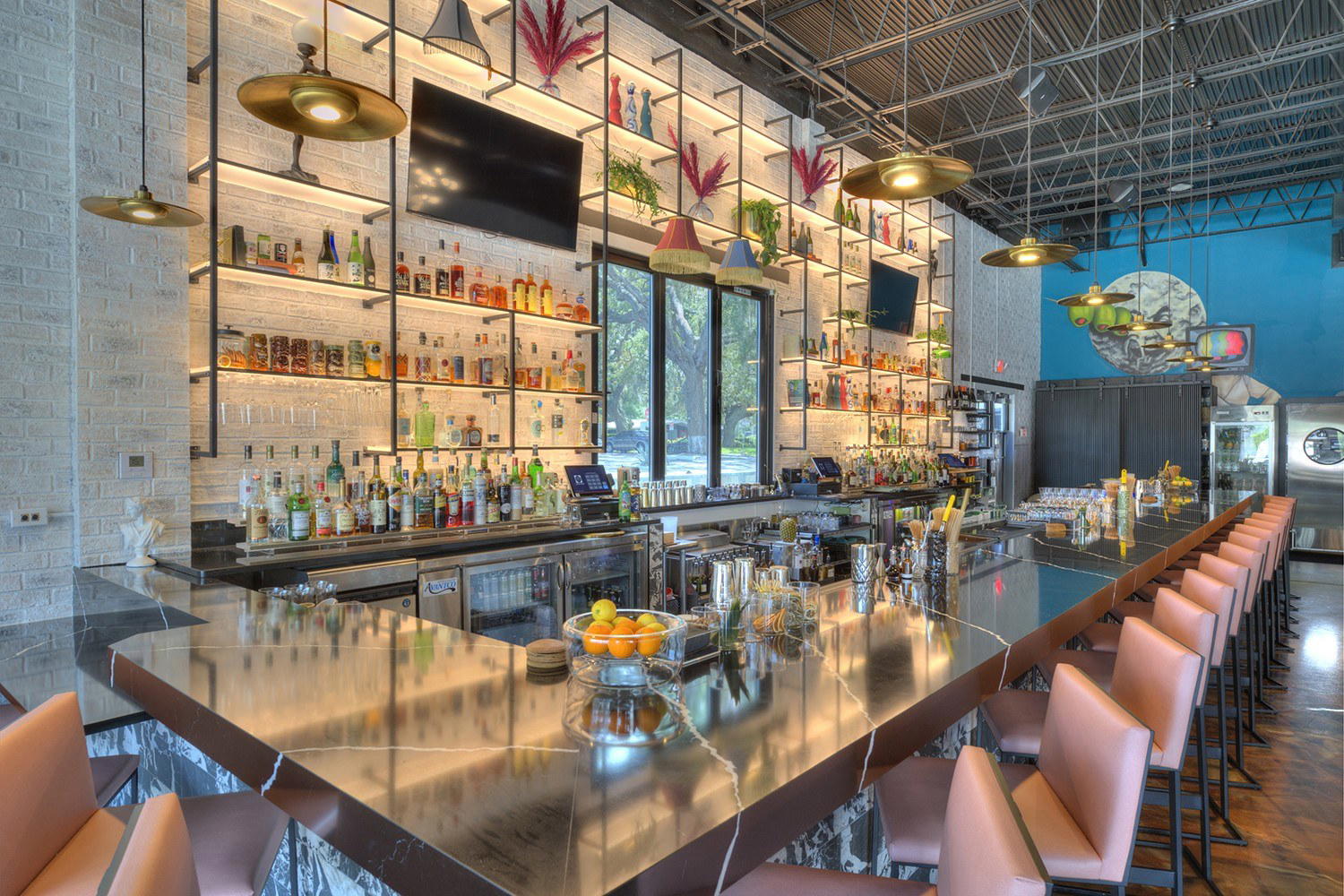
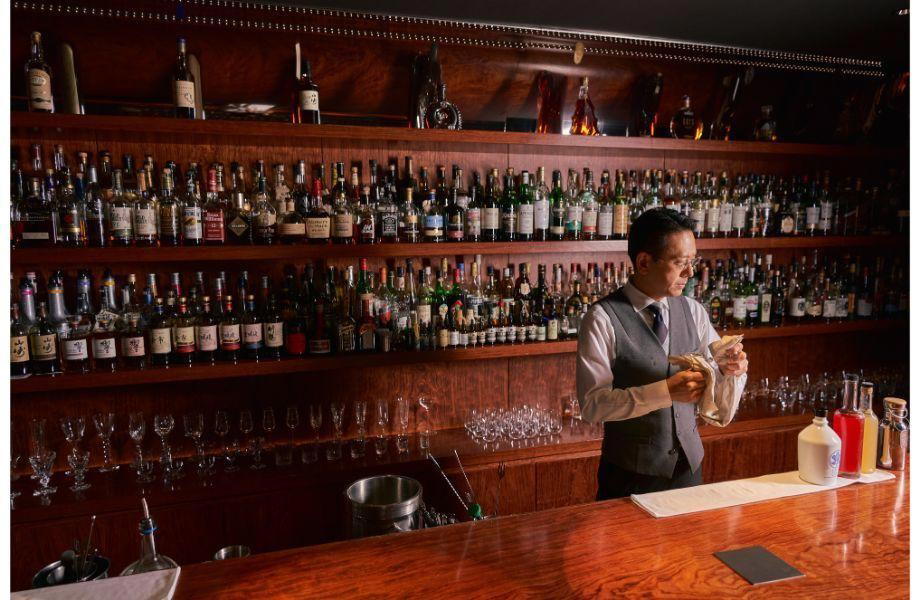
Hotels in Nara
All hotels in Nara →



Wineries in Nara
Browse all →
Details
- Cozy
- Intimate
- Elegant
- Date Night
- Special Occasion
- Chefs Counter
- Sake Program
- Sustainable Seafood
- Counter Dining
Current opening hours
- Monday
- 6–10:30 PM
- Tuesday
- 6–10:30 PM
- Wednesday
- 6–10:30 PM
- Thursday
- 6–10:30 PM
- Friday
- 6–10:30 PM
- Saturday
- 6–10:30 PM
- Sunday
- 6–10:30 PM
Hours can change for holidays and private events. Hours as of .
Cozy and authentic sushi atmosphere as described by diners.