
Michelin Selected
Selected by the Michelin Guide Hotels 2025, Ando Hotel Nara Wakakusayama sits at 728 Kawakamicho, positioned against the wooded slopes of Mount Wakakusa in one of Japan's oldest capitals. The property belongs to a tier of Nara accommodation defined by architectural restraint and proximity to the city's UNESCO-listed deer parks and temple precincts. For travelers who read Nara as a design destination as much as a heritage one, this is the address to consider.

Pearl is the En Primeur Club membership app, where members save venues, book tables and use the concierge.
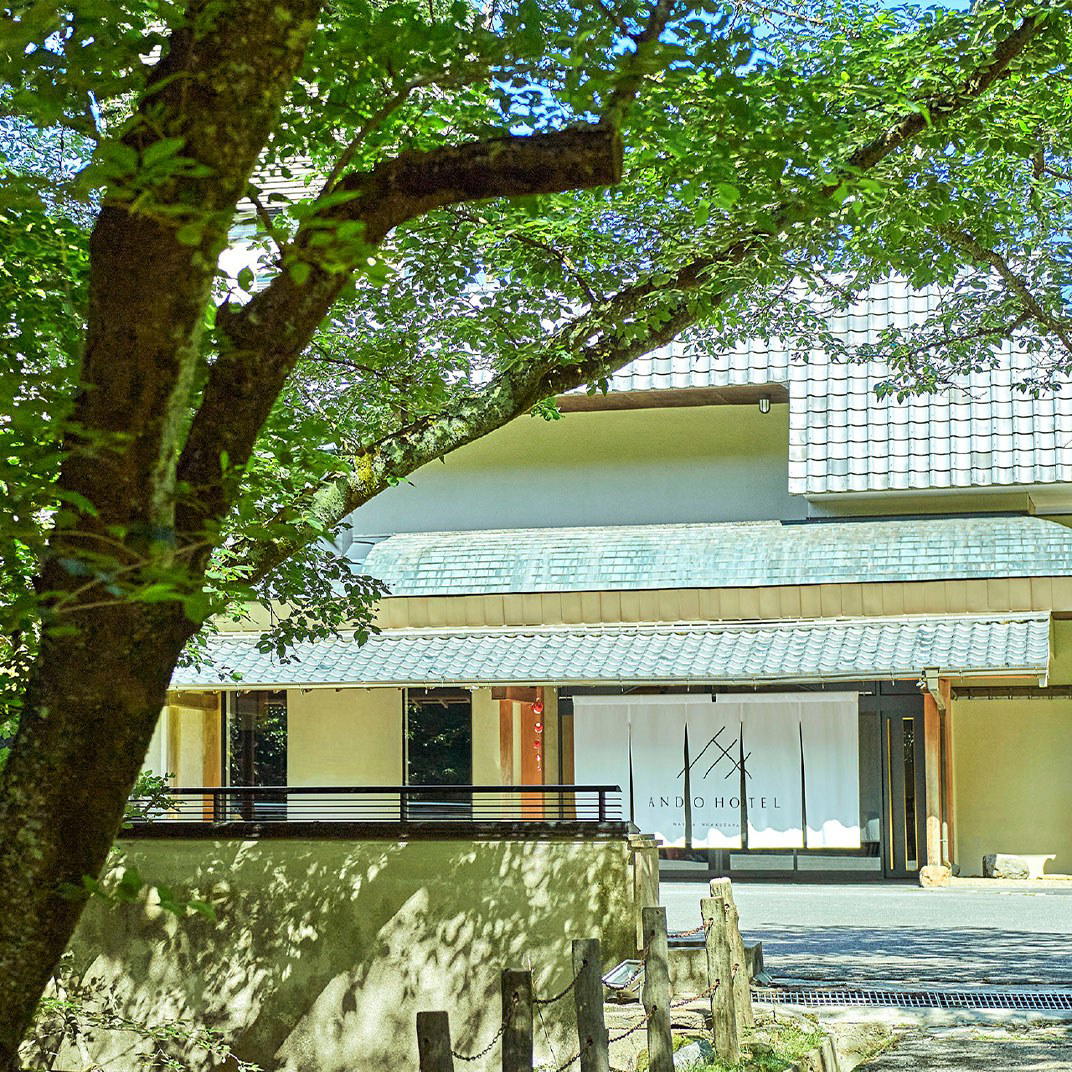
Architecture as Orientation: Arriving on Mount Wakakusa
The approach to Ando Hotel Nara Wakakusayama sets an immediate frame of reference. The address at 728 Kawakamicho places the property on the eastern edge of Nara city, where the urban grid dissolves into the forested lower slopes of Mount Wakakusa. Arriving here feels less like checking into a hotel and more like crossing a threshold between the city's layered heritage precincts and the quieter topography above them. The deer that wander Nara Park do not follow you up the hill, but the visual register of the mountain, soft, wooded, seasonally shifting, is constant. That physical orientation is not incidental. In a city where temple rooflines and ancient cedars compete for the skyline, a hotel positioned against the mountain has already made an architectural argument before a guest sets foot inside.
Japan's design-led hotel tier has expanded considerably over the past decade, with properties from Benesse House in Naoshima to Zaborin in Kutchan establishing that the country's most serious accommodation addresses treat the built environment as a primary offering rather than a backdrop. Ando Hotel Nara Wakakusayama fits within that lineage. The property's name carries a direct architectural signal: it references Tadao Ando, the Pritzker Prize-winning architect whose concrete-and-light language has defined a strand of Japanese modernism recognized internationally. Where other Nara hotels draw their identity from ryokan tradition or international brand infrastructure, this one anchors itself to a specific design philosophy rooted in materiality, geometry, and the manipulation of natural light.
The Ando Idiom in Practice
Tadao Ando's architectural vocabulary is among the most consistent and recognizable in contemporary practice. Exposed concrete surfaces, narrow apertures that frame rather than expose landscape, and a spatial choreography that slows movement and sharpens attention to light are the recurring instruments. In a Nara context, that restraint sits in productive tension with the city's own aesthetic history: the vermillion lacquerwork of Kasuga Taisha, the vast timber nave of Todai-ji, the accumulated ornament of centuries of patronage. An Ando interior offers a deliberate counter-proposition, one where absence and surface matter as much as decoration.
This positions Ando Hotel Nara Wakakusayama at a different coordinate than the other Michelin-selected properties in the city. Fufu Nara operates in a contemporary ryokan register, foregrounding onsen access and kaiseki dining formats. Shisui, a Luxury Collection Hotel, Nara draws on Marriott's international brand architecture. Noborioji Hotel Nara and Miroku Nara by THE SHARE HOTELS occupy a design-boutique middle tier. JW Marriott Hotel Nara and Villa Communico round out a market where architecture increasingly differentiates one address from another. The Ando Hotel is the property in that set that makes the sharpest claim on architectural identity as its primary distinction.
What Michelin Selection Means at This Level
The Michelin Selected designation, which the hotel carries in the 2025 guide, operates differently from the star and key awards at the top of the hierarchy. It functions as a quality floor rather than a ceiling: properties must meet a consistent standard of experience, but the selection does not rank against other Selected properties. In Nara's market, where the total number of Michelin-acknowledged hotels remains limited, inclusion in the 2025 list carries meaningful signal. It positions Ando Hotel Nara Wakakusayama within a verified tier of quality without overstating where it sits within that tier.
For the traveler calibrating a Japan itinerary across multiple Michelin-flagged properties, the comparison set extends well beyond Nara. HOTEL THE MITSUI KYOTO in Kyoto and Gora Kadan in Hakone represent different moments on the same quality register. Further afield, Amanemu in Mie and Nishimuraya Honkan in Kinosaki-cho each anchor a stay in a specific tradition of Japanese hospitality, while Fufu Nikko in Nikko and Fufu Kawaguchiko in Fujikawaguchiko extend the branded contemporary-ryokan model that Fufu Nara represents locally. Ando Hotel Nara Wakakusayama offers something distinct within that broader field: a stay organised around a single architect's vision in a city that is itself an argument for the long durability of considered design.
Nara's Accommodation Market in Context
Nara has historically operated as a day-trip destination from Kyoto or Osaka, with most visitors arriving for the deer park, Todai-ji, and Kasuga Taisha before returning on the same afternoon. The hotel market has responded slowly to the case for staying overnight, but recent years have seen a cluster of design-led and hospitality-focused openings push the city's accommodation quality upward. The Michelin Hotel Guide's inclusion of Nara properties in the 2025 edition reflects that shift. Guests who allocate an overnight or two benefit substantially: the temple precincts at dawn, before the tour groups arrive, and the mountain paths above Kawakamicho in the late afternoon light are experiences the day-tripper misses entirely.
The positioning of the Ando Hotel on the Kawakamicho slope gives it access to both registers. The central heritage sites remain reachable, while the property sits outside the density of the downtown hotel cluster. That spatial logic mirrors choices made at other Japanese mountain-adjacent properties like Asaba in Izu, Kamenoi Besso in Yufu, and Satoyama-Jujo in Niigata, where landscape proximity is built into the property's essential premise.
Planning a Stay
Nara is accessible from Kyoto in roughly 45 minutes by the Kintetsu Limited Express, and from Osaka in approximately the same window via direct Kintetsu service. The Ando Hotel's Kawakamicho address sits on the eastern approach to Mount Wakakusa, which puts it within walking distance of the key heritage sites but further from the station than the downtown cluster. Autumn, when Mount Wakakusa's grasses turn and the temperature drops into a comfortable range, is the period that leading serves the architectural experience: lower light angles, longer shadows, and the seasonal shift that changes how concrete and landscape read against each other. Spring cherry blossom season draws high volumes across Nara, so advance booking for that window is advisable. For guests building Japan itineraries that also include internationally recognized design addresses, Bvlgari Hotel Tokyo in Tokyo and Sekitei in Hatsukaichi-shi occupy adjacent tiers in a market that increasingly rewards architectural specificity. See the full Nara restaurants guide for dining context around the property.
At-a-Glance Comparison
Comparable venues nearby, for context on price, style, and recognition.
| Venue | Cuisine | Price | Awards | Notes |
|---|---|---|---|---|
| Ando Hotel Nara WakakusayamaThis venue (the venue you are viewing) | Japanese auberge with luxury renovations blending tradition and modernity | $200–300 | Michelin Selected | Not listed |
| Miroku Nara by THE SHARE HOTELS | Lifestyle hotel sharing local Nara culture and nature. | Not listed | Michelin Selected | Nara |
| ふふ奈良 | 隈研吾設計の数奇屋風スモールラグジュアリーリゾート | Not listed | 5-Star | 高畑町 |
| Hoshinoya Nara Prison | Luxury heritage hotel in a preserved former prison building | $750–1,000 | Not listed | Nara |
| Shisui, a Luxury Collection Hotel, Nara | Historic Japanese residence renovated into luxury hotel blending tradition and modernity | Not listed | 1 Michelin Key | Nara |
| Noborioji Hotel Nara | Intimate luxury boutique in historic Nara setting | $200–300 | Relais Chateaux Award | Nara |
Recognition history
Dated appearances from independent guides and award organizations, with the underlying list record or original source where available.
Michelin Selected
Michelin
Continue exploring
More in Nara
Hotels in Nara
All hotels in Nara →


Bars in Nara
All bars in Nara →

Restaurants in Nara
All restaurants in Nara →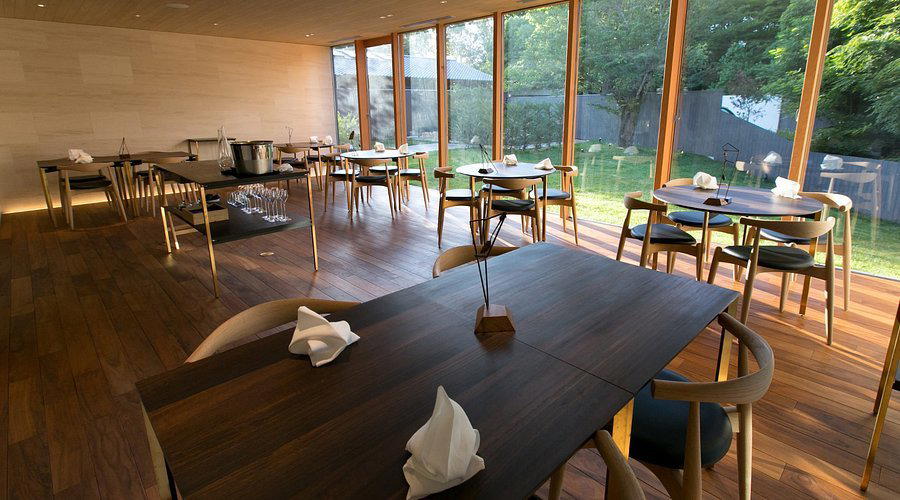

Wineries in Nara
Browse all →
Details
- Scenic
- Quiet
- Elegant
- Modern
- Romantic Getaway
- Weekend Escape
- Panoramic View
- Historic Building
- Terrace
- Wi Fi
- Pool
- Spa
- Restaurant
- Free Parking
- Concierge
- Elevator
- Mountain
- Elevator
- Wheelchair Accessible
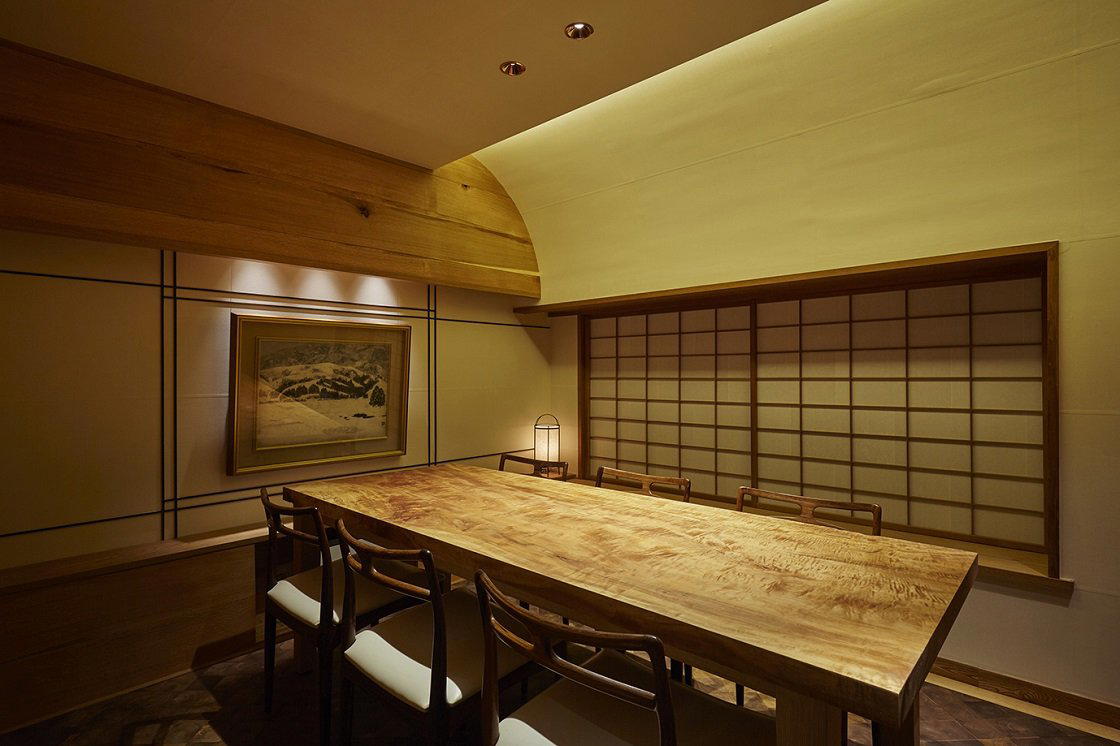
Calm and tranquil atmosphere with natural wood scents, fire pits, and serene forest surroundings enhanced by professional service.