
Sushi Kagura sits on the fourth floor of a Kagurazaka address, carrying a Michelin Plate in both 2024 and 2025. The kitchen follows a meal structure that moves from small appetisers into sushi, sequencing delicate flavours before richer ones, in a tradition rooted in the fundamentals of vinegared rice, wasabi, and fish. Its lineage traces to a house with one of the more cited moments in sushi folklore.
Pearl is the En Primeur Club membership app — saves, bookings, and concierge access live there. Same editors, same standards.
- Address
- Japan, 〒162-0825 Tokyo, Shinjuku City, Kagurazaka, 3 Chome−2−8 4階
- Phone
- +81 3-6228-1606
- Website
- kagurazaka-sushi-kagura.com
 Saves & bookings on Pearl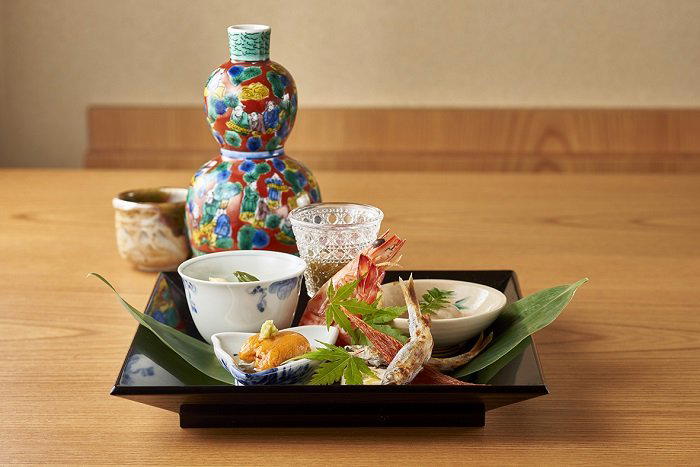
Kagurazaka and the Sushi Counter as Cultural Institution
Sushi Kagura is a Tokyo restaurant serving Health-Conscious Edomae Sushi in Kagurazaka, Shinjuku City, at about ¥200 per person. At the leading sit the allocation-driven omakase counters of Ginza and Azabu, where three-star reputations and decade-long waitlists set the price floor well above ¥50,000 per head. Below that, a broader mid-tier of Michelin Plate and Bib Gourmand houses operates across neighbourhood districts, often carrying lineage from those upper-bracket rooms while pricing for a more regular clientele. Kagurazaka, the former geisha quarter on the western edge of Shinjuku City, has always supported this second tier well: its narrow lanes and preserved machiya character attract a local crowd that eats seriously without requiring spectacle. Sushi Kagura, on the fourth floor of a building at 3 Chome-2-8, occupies exactly that position, with Michelin Plate recognition in 2024 and 2025.
A Lineage Rooted in a Famous Episode
The history of Japanese sushi culture is inseparable from the figures who shaped its codes of conduct, and some of those codes arrived through confrontation rather than consensus. The chef trained at a restaurant known for a famous episode involving Rosanjin and a direct retort from the owner. That moment has circulated in sushi literature as a rare instance of a restaurant asserting its own authority against a powerful guest, and it attached itself to the house's reputation for discipline and independence. Training in that environment, from dawn to dusk in the manner of traditional apprenticeship, means the formative years were spent internalising a system where the work came before the personality.
That kind of formation is not incidental to what appears on the plate. The philosophy that sushi reaches its complete expression through vinegared rice, wasabi, and a single topping, without supplemental technique or ornamentation, requires an unusually clear conviction to sustain commercially. Counters in the same Michelin Plate bracket as Sushi Kagura, including addresses across central Tokyo, frequently drift toward elaborated presentations or seasonal ingredient theatre as a way of distinguishing their offering. Kagura's documented commitment to basics places it alongside houses like Edomae Sushi Hanabusa, where the Edomae tradition of restraint and technique-forward craft is treated as the point rather than the starting position.
The Meal Structure: From Delicate to Deep
Omakase sequencing in Tokyo's serious sushi rooms follows a logic that most guests only partially grasp on a first visit. The movement from small appetisers, typically tsumami, into the sushi course is not decorative pacing: it calibrates the palate, moving from lighter preparations that register on the front of the tongue toward richer, fattier cuts that require a warmer, more open palate to read correctly. The restaurant structures its meal along exactly this axis, flowing from delicate to more substantial flavours in a sequence described as a deliberate progression rather than a selection of highlights.
This sequencing places Kagura in the classic Edomae model rather than the Kyoto-influenced kaiseki-sushi hybrid that has become more common among the city's newer openings. Counters like Harutaka and Sushi Kanesaka operate in higher price brackets, with Harutaka at ¥¥¥¥ and Kanesaka carrying its own lineage associations, but the underlying structural logic of a well-run omakase remains the same: the chef controls the arc and the guest follows it. At Kagura's ¥¥¥ price tier, that arc is more accessible than at Ginza's leading counters, but the structural intention is continuous with the tradition those rooms represent.
Michelin Recognition and What It Signals at This Level
A Michelin Plate, awarded in both 2024 and 2025, indicates a restaurant serving food of sufficient quality to be acknowledged by the guide without reaching the one-star threshold. In Tokyo, where the Michelin Guide operates at notable density, a Plate is not a consolation mark: the city's guide covers more starred restaurants than any other in the world, which means the competition for recognition at every tier is sharper than in most markets. Holding a Plate across consecutive years signals consistency rather than a single strong performance, and consistency in a cuisine as technically demanding as nigiri sushi, where temperature, rice seasoning, and compression pressure interact differently with every piece, is the harder credential to maintain.
For context, the sushi counter at Sukiyabashi Jiro Roppongiten and houses at the three-star level occupy a separate conversation, one defined by international reservation demand and price points that exclude most local regulars.
Kagurazaka as a Dining District
Choosing Kagurazaka for a serious sushi meal involves a tradeoff that many Tokyo visitors don't consider. The district sits outside the main tourist dining circuits of Ginza, Roppongi, and Shibuya, which means booking conditions tend to be less internationally competitive than equivalent-quality rooms in those areas. The neighbourhood's character, shaped by its Franco-Japanese identity and historic street grid, also supports a broader evening: French bistros, izakaya, and sake bars line the cobbled Hyogo-yokocho lane. For a traveller building a day around the meal rather than treating it as an isolated booking, Kagurazaka rewards that approach in ways that a Ginza counter rarely can.
Those looking to extend across Japan's dining cities can reference HAJIME in Osaka, Gion Sasaki in Kyoto, akordu in Nara, Goh in Fukuoka, 1000 in Yokohama, and 6 in Okinawa. For sushi specifically outside Japan, Sushi Shikon in Hong Kong and Shoukouwa in Singapore represent the export of Tokyo counter culture to other Asian markets. Other Tokyo addresses worth considering alongside Kagura include Hiroo Ishizaka for a different neighbourhood register.
EP Club maintains guides to the full range of Tokyo dining and hospitality: our full Tokyo restaurants guide, our full Tokyo hotels guide, our full Tokyo bars guide, our full Tokyo wineries guide, and our full Tokyo experiences guide.
Planning Your Visit
The restaurant is located at 3 Chome-2-8, Kagurazaka, Shinjuku City, Tokyo, on the fourth floor. The price range is ¥¥¥, positioning it below the ¥¥¥¥ tier occupied by rooms like Harutaka.
Quick reference: the restaurant, 4F, 3 Chome-2-8 Kagurazaka, Shinjuku City, Tokyo | ¥¥¥ | Michelin Plate 2024, 2025 | Google 4.9 (185 reviews).
Side-by-Side Snapshot
Comparable venues nearby, for context on price, style, and recognition.
| Venue | Cuisine | Price | Awards | Notes |
|---|---|---|---|---|
| Sushi KaguraThis venue — the venue you are viewing | Health-Conscious Edomae Sushi | $$$$ | Michelin Plate | Not listed |
| Ginza Adachi Naoto | Traditional Kaiseki Omakase | $$$$ | Michelin Plate | Chūō |
| Akebonobashi Kazu | Modern Kaiseki Omakase | $$$$ | Michelin Plate | Shinjuku |
| Jumbo Hanare | Premium Yakiniku | $$$$ | Not listed | Bunkyō |
| Hashiguchi | Edomae Sushi Omakase | $$$$ | Not listed | Minato |
| Tomura | Kyoto-style Kaiseki | $$$$ | Not listed | Minato |
Recognition history
Dated appearances from independent guides and award organizations, with the underlying list record or original source where available.
Michelin Plate
Michelin
Michelin Plate
Michelin
Michelin Plate
Michelin









At a Glance
- Intimate
- Elegant
- Cozy
- Sophisticated
- Date Night
- Special Occasion
- Business Dinner
- Solo
- Chefs Counter
- Sake Program
Current opening hours
- Monday
- 5–11 PM
- Tuesday
- 5–11 PM
- Wednesday
- 5–11 PM
- Thursday
- 5–11 PM
- Friday
- 5–11 PM
- Saturday
- 5–11 PM
- Sunday
- Closed
Hours can change for holidays and private events. Last verified .
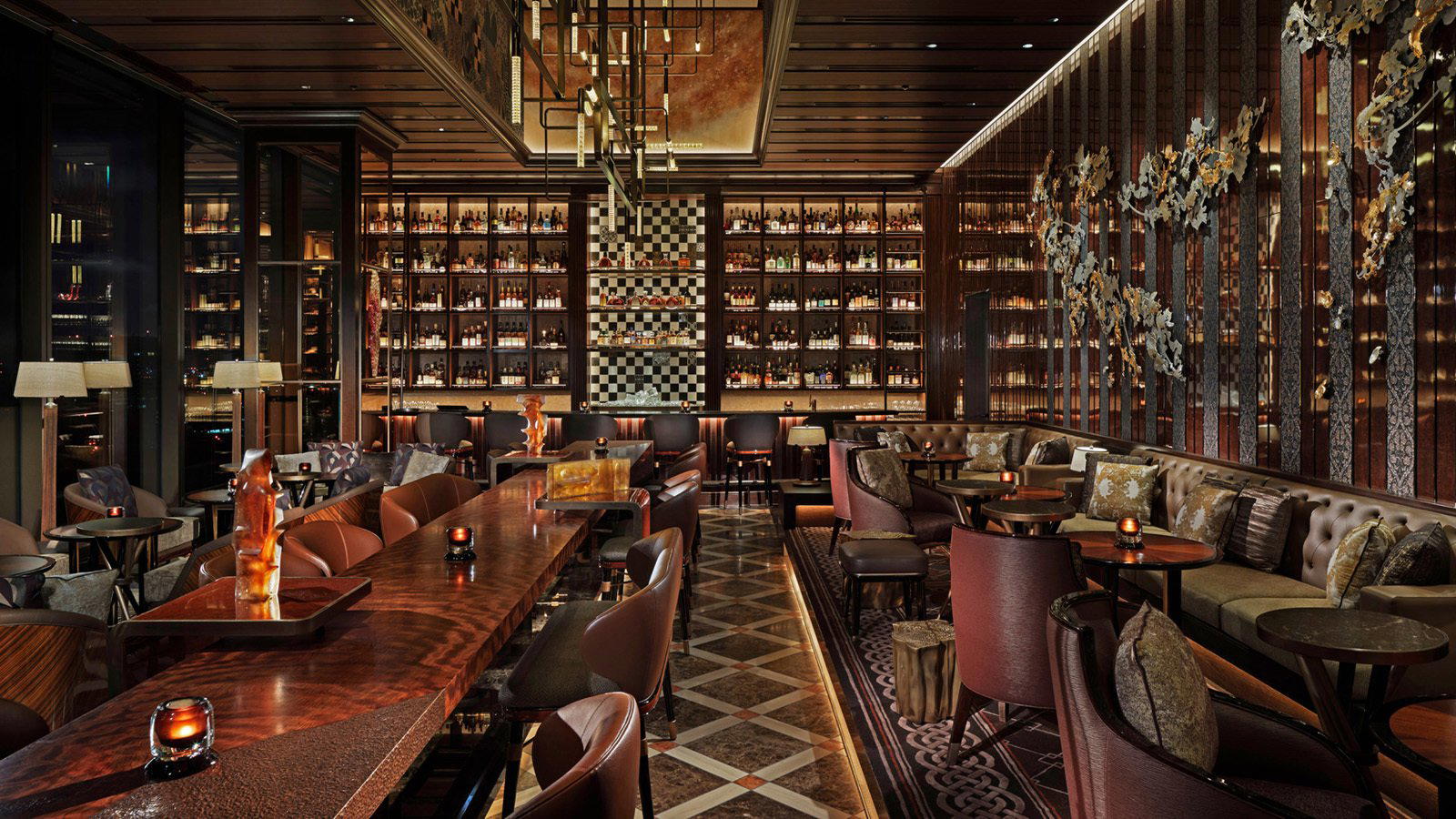
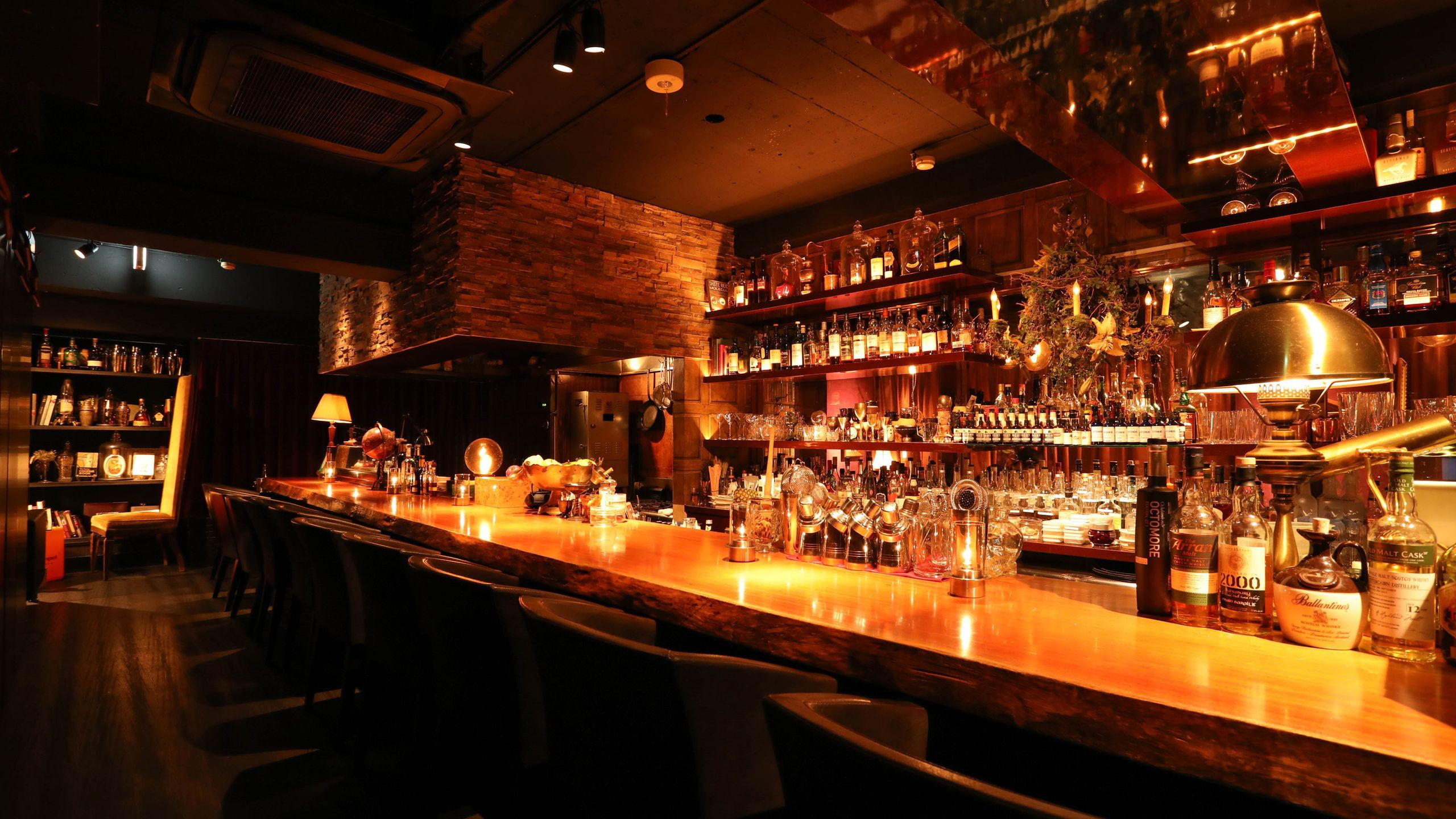
Cozy L-shaped counter with 7 seats in a quiet alley, offering a calm, leisurely, and intimate dining experience.