
A one-chef counter in Kyoto's Shimogyo Ward where Tokyo-trained technique meets seasonal Kansai fish. The solo kitchen format keeps the focus narrow: thick-cut nigiri shaped to foreground the fish, sushi rice made with red vinegar, and side dishes calibrated to sustain sake rather than dominate the meal. The name translates as 'taking full advantage of the moment', and the format holds to that premise.
Pearl is the En Primeur Club membership app — saves, bookings, and concierge access live there. Same editors, same standards.
- Address
- Japan, 〒600-8044 Kyoto, Shimogyo Ward, 御幸町通仏光寺下ル 橘町442
- Phone
- +81 50-1721-1060
- Website
- sushi-imagine.com
- Directions
- Get directions
 Saves & bookings on Pearl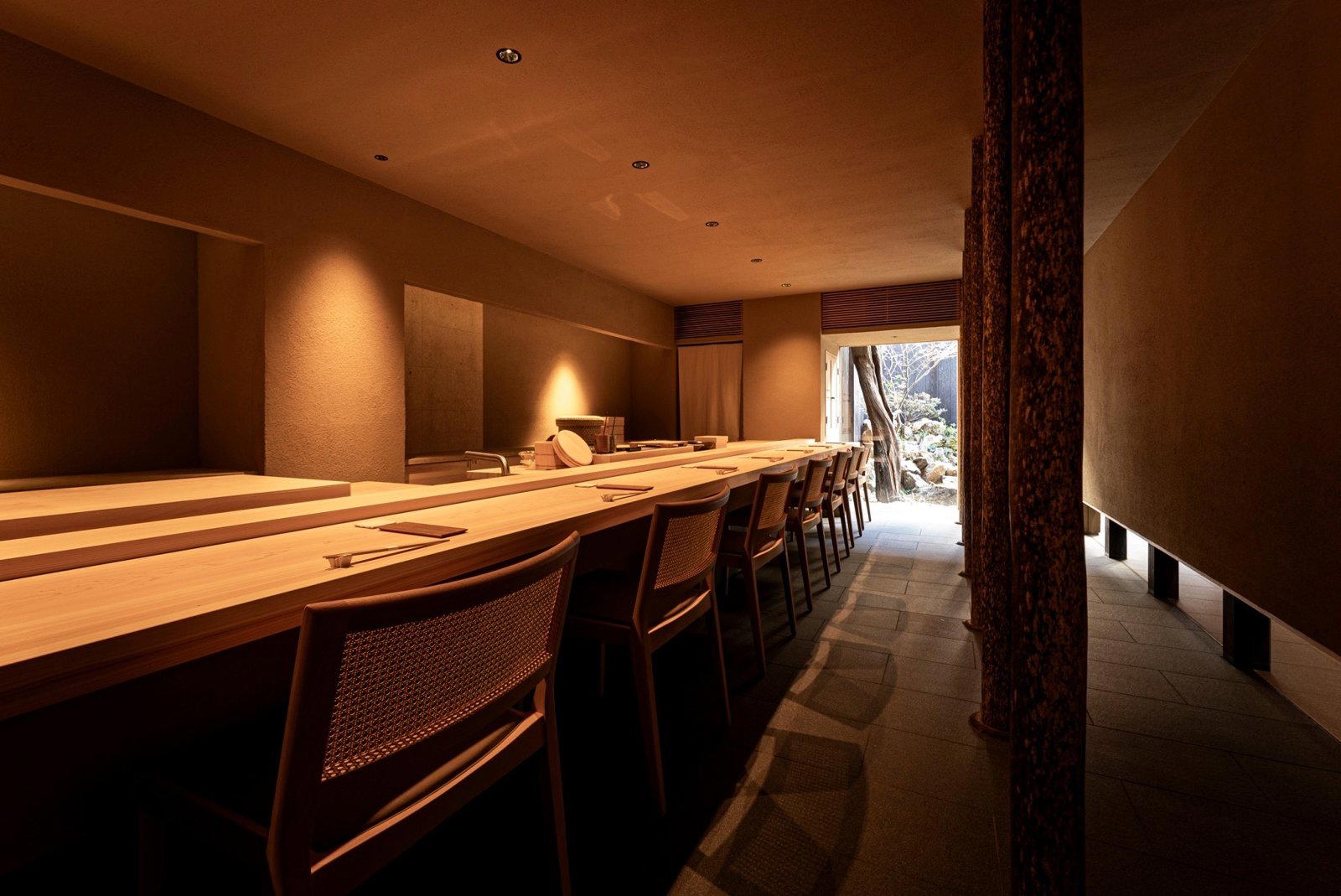
The Counter Format and What It Means for the Room
Kyoto's premium dining tier has long been defined by kaiseki, a format built on sequence, ceremony, and the choreography of multiple hands in the kitchen. sushi imagine is a Kyoto restaurant in Shimogyo Ward, an Edomae Sushi Omakase counter priced at about $140 per person. Venues such as Gion Sasaki, Hyotei, and Kikunoi Honten represent that tradition at its most refined, Sushi imagine occupies a different position entirely: a single chef, a counter, and a logic derived not from Kansai kaiseki lineage but from Tokyo's omakase culture.
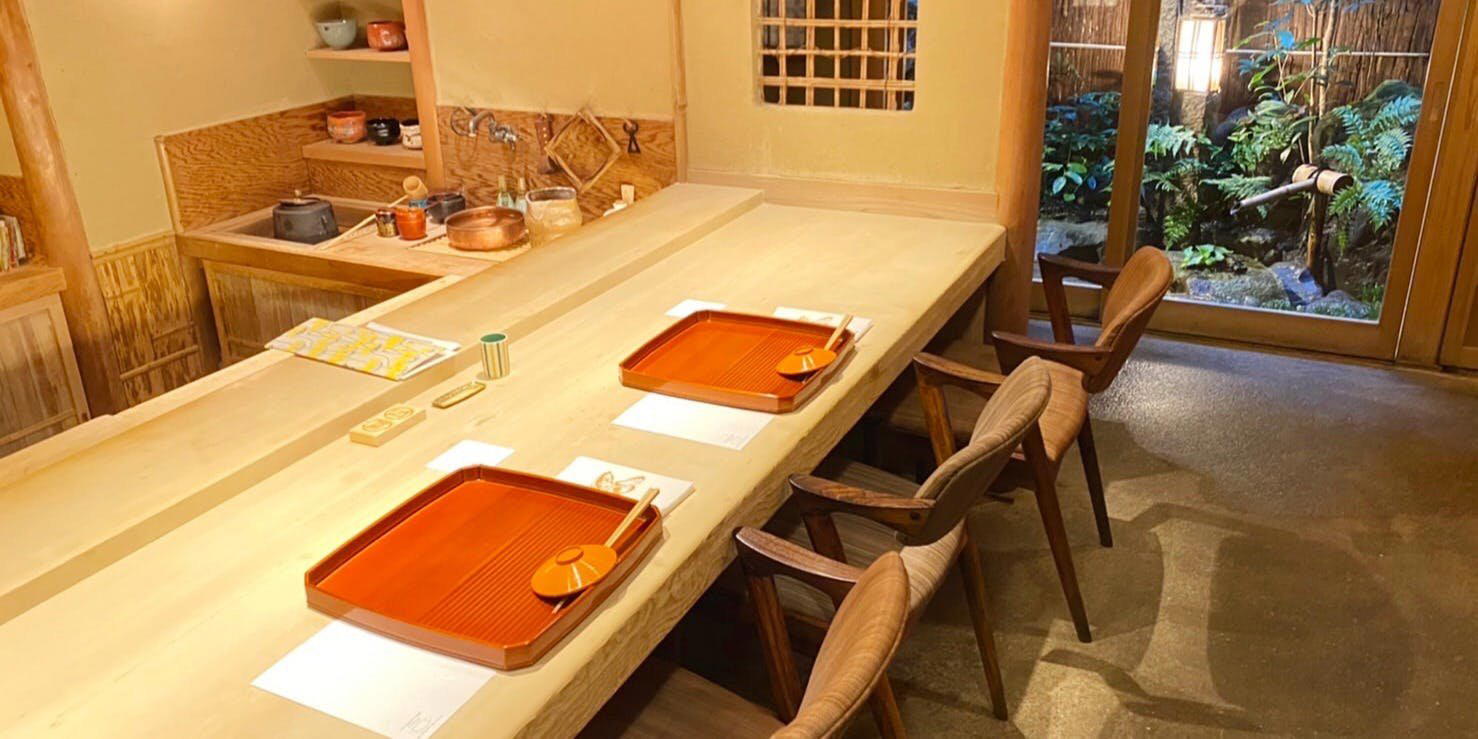
That distinction shapes the physical experience before a single piece of fish is placed on the pass. One-chef counters eliminate the background hum of a kitchen team and compress the room around a single performance. The spatial dynamic that results is closer to a private lesson than a restaurant meal: the gap between the person preparing and the person eating narrows until it is almost absent. In Shimogyo Ward, where the address sits on Gokomachi-dori near Bukkoji, the surrounding neighbourhood carries a quieter residential register than the tourist circuits further north, and the counter format fits that register without straining against it.
Tokyo Technique in a Kyoto Room
The use of red vinegar in sushi rice is a signal with specific geographic weight. In Tokyo, akazu (red vinegar made from sake lees) is the vinegar of choice at counters drawing on Edomae tradition, producing a rice with depth of colour and a fuller, more complex flavour profile than the white-vinegar rice that dominates outside the capital. Its presence here is a form of biographical shorthand: the chef trained in Tokyo, and the rice reflects that apprenticeship directly.
Edomae sushi in its modern form is a discipline of restraint. Nigiri are moulded with minimal pressure to keep the rice loose enough to dissolve on the tongue; the fish is cut thick, not to fill space but to place the main ingredient front and centre, as The quantity of rice per piece is kept low, a choice that prioritises the ratio of fish to rice and resists the impulse to pad the hand with carbohydrate. These are not decorative decisions. They reflect a technical position on how nigiri should be experienced, and they place sushi imagine within a specific sub-tradition of Tokyo-derived omakase practice that contrasts sharply with the lighter, more decorative presentations common in tourist-facing sushi restaurants across Kyoto.
For comparison within Kansai, HAJIME in Osaka pursues a different register of solo-chef intensity, operating at the intersection of French technique and Japanese ingredient philosophy. The discipline is related but the idiom is distinct. Sushi imagine stays inside a single tradition and goes deep rather than wide.
Seasonal Fish as the Organising Principle
The counter's menu is structured around fish in season. In Kyoto, this is not an abstract marketing claim: the city sits at the intersection of supply chains from the Sea of Japan to the north and the Pacific coast to the south, giving a counter sourcing seriously from both directions access to a range of fish that shifts meaningfully by month. Spring brings different material than autumn, and a counter this size, with no need to maintain consistency across a large brigade, can respond to supply with precision that larger kitchens cannot.
Side dishes are described as prepared with attention to modulations in flavour that keep sake flowing, a phrase worth reading carefully. The function of the supporting dishes is not to showcase range or to introduce cross-cuisine references. It is to sustain a drinking and eating rhythm in which the nigiri remain the focus and the sake is a continuous presence rather than a punctuation mark. That is a considered structural choice, and it aligns the restaurant with counters where the meal is conceived as a session rather than a sequence of courses with defined pauses.
The contrast with the kaiseki format is instructive. At establishments like Mizai or Isshisoden Nakamura, the seasonal philosophy is expressed through an elaborate choreography of small dishes, each occupying a fixed structural position in the progression. At a sushi counter of this kind, seasonality is expressed differently: through the fish itself, through the rice temperature, through the cut. The form is simpler; the stakes per piece are higher.
The Name as Programme
The name translates directly as 'taking full advantage of the moment', and it functions as a description of the format's logic as much as a philosophical statement. A one-chef counter with no parallel services and a menu built on seasonal fish has no mechanism for repetition in any meaningful sense. The meal that happens tonight is determined by what was available that morning and by the specific guests sitting at the counter. That contingency is the point, not a limitation to be managed. It is worth placing this against the backdrop of Kyoto's broader dining culture, where tradition and repetition are often valorised as markers of quality: the hundred-year-old recipe, the multi-generational technique, the dish that has not changed since the Meiji era. The restaurant's premise inverts that logic deliberately.
Placing This Counter in the Wider Kansai and National Picture
Within Japan's premium sushi tier, the one-chef counter format has developed a clear identity and a specific peer group. In Tokyo, counters such as Harutaka represent the kind of technically disciplined, low-capacity omakase experience that restaurant situates itself alongside. In Kyoto specifically, the format is less common than kaiseki, which means the counter occupies a niche with less local competition but also with guests who may be arriving primarily for kaiseki and encountering serious sushi almost incidentally.
For travellers spending time elsewhere in the region, the broader dining picture includes akordu in Nara and Goh in Fukuoka, each representing different expressions of single-minded, chef-led dining in the Kansai and Kyushu regions. Beyond Japan, the solo-counter discipline finds a different but structurally comparable parallel in the chef-driven tasting format at Atomix in New York City or the seafood rigour of Le Bernardin, though the idioms diverge considerably. Across Japan's smaller cities, the pattern of intense single-chef restaurants extends to venues like 1000 in Yokohama and 6 in Okinawa, confirming that the format is a national tendency rather than a Tokyo-specific phenomenon.
Planning a Visit
The restaurant is located in Shimogyo Ward at 橘町442, on Gokomachi-dori below Bukkoji. The neighbourhood sits south of Shijo and is walkable from the central Karasuma-Oike corridor, though it carries a quieter character than the main tourist streets. Given the one-chef format and counter seating, advance reservation is strongly advisable; this category of restaurant in Kyoto typically books out days or weeks ahead depending on season. Spring and autumn, when seasonal fish supply is at its most varied, represent particularly sought-after periods.
A Credentials Check
Comparable venues nearby, for context on price, style, and recognition.
| Venue | Cuisine | Price | Awards | Notes |
|---|---|---|---|---|
| sushi imagineThis venue — the venue you are viewing | Edomae Sushi Omakase | $$$ | Michelin Plate | Not listed |
| Pontocho Sushi Ishiya | Traditional Japanese Omakase Sushi | $$$ | Michelin Plate | Nakagyō |
| wabiya | Modern Kyoto Yakitori | $$$$ | Michelin Plate | Shimogyō |
| Rakuhoku Nakayama | Tempura Kaiseki Omakase | $$$ | Michelin Plate | Kita |
| Takocho | Traditional Kyoto Oden | $$$ | Michelin Plate | Higashiyama |
| Chihana | Traditional Kyoto Kaiseki | $$$$ | Not listed | Higashiyama |
Recognition history
Dated appearances from independent guides and award organizations, with the underlying list record or original source where available.
Michelin Plate
Michelin
Continue exploring
More in Kyoto
Restaurants in Kyoto
Browse all →
Bars in Kyoto
Browse all →
Hotels in Kyoto
Browse all →
Wineries in Kyoto
Browse all →
At a Glance
- Intimate
- Elegant
- Minimalist
- Date Night
- Special Occasion
- Chefs Counter
- Historic Building
- Sake Program
Current opening hours
- Monday
- Closed
- Tuesday
- 6–11 PM
- Wednesday
- 6–11 PM
- Thursday
- 6–11 PM
- Friday
- 6–11 PM
- Saturday
- 6–11 PM
- Sunday
- 6–11 PM
Hours can change for holidays and private events. Last verified .
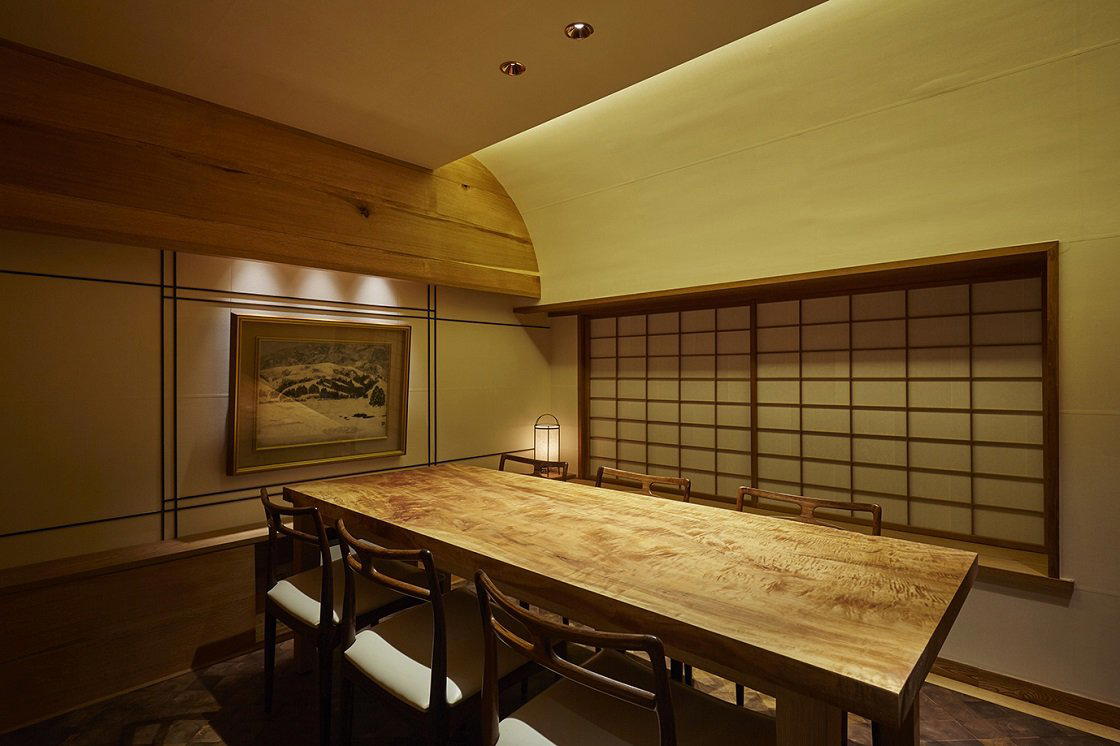
Quiet, intimate counter seating with minimalist decor in a historic setting, focused on the sushi preparation.