
Michelin Plate
Our verdict
In Kyoto's quieter northern reaches, Rakuhoku Nakayama brings an omakase format rooted in Okazaki ryotei discipline to a neighbourhood far removed from the tourist circuit. The kitchen's tempura, fried in cottonseed oil for a notably clean finish, anchors a menu that moves through appetiser platters, wanmono, and simmered vegetables. The house rice, grown by the proprietress's family on hill terraces, frames the entire operation as one built around direct sourcing.

Pearl is the En Primeur Club membership app, where members save venues, book tables and use the concierge.
The menu
What to order
- Cottonseed oil tempura
- Hill-grown mixed rice
North of the Centre, South of Pretension
Kita Ward sits at a remove from the kaiseki corridors of Higashiyama and Gion, where restaurants like Gion Sasaki and Hyotei draw visitors who have pre-planned months ahead. The northern residential belt around Kamigamo operates on a different register: quieter streets, fewer foreign visitors, and a clientele that skews local. It is precisely this kind of neighbourhood where the more grounded expressions of Kyoto cooking tend to take hold, away from the ceremonial weight that Gion's dining scene carries. Rakuhoku Nakayama occupies a ground-floor space in this district, and the atmosphere on approach is domestic rather than theatrical, the kind of setting that signals the meal ahead will be about the food, not the room.
What the Kitchen Is Built On
The foundation here is Okazaki ryotei training. Okazaki, a district on Kyoto's eastern side known for its concentration of traditional inns and refined dining rooms, has historically been one of the formative environments for cooks who carry forward the washoku canon. That background shows in the structure of the menu: appetiser platters that demonstrate range and seasonal attunement, wanmono (clear soup courses that require precise dashi work), and simmered vegetable preparations that reveal how the kitchen treats ingredients that are easy to overlook. These are the courses where technique is hardest to disguise. Compared to the more architecturally elaborate kaiseki at places like Kikunoi Honten or Mizai, Rakuhoku Nakayama works in a register that is quieter and more ingredient-forward. The omakase format is retained, but the emphasis sits on the sourcing and cooking of individual elements rather than the orchestration of a grand sequence.
The Sourcing Argument, Made in Rice
Few signals communicate a kitchen's relationship with its ingredients as directly as its rice. At Rakuhoku Nakayama, the mixed rice course uses hill-grown rice cultivated by the proprietress's family. A photograph of those terraces hangs in the interior, not as decoration in the decorative sense, but as a plain statement of provenance. The rice arrives at the table carrying a chain of custody that runs from a specific hillside to a specific family to a specific pot. That kind of direct agricultural connection is relatively uncommon even in Japan's farm-to-table movement, which tends to operate through regional distributors rather than household cultivation.
This matters beyond sentiment. Hill-grown rice in Japan generally refers to upland or terraced paddy cultivation, which produces grains with different starch characteristics and a more complex flavour profile than lowland commercial varieties. The textural qualities of that rice affect how it absorbs other ingredients in a mixed preparation. Choosing family-grown stock over a premium but commercially sourced alternative reflects a set of priorities that run through the rest of the menu's construction. It is the kind of decision that separates kitchens genuinely invested in sourcing from those that deploy provenance language as marketing. Restaurants such as Isshisoden Nakamura operate within similarly careful ingredient philosophies, though their format and scale differ considerably.
Tempura Fried in Cottonseed Oil
Japan's tempura tradition has historically been split between sesame oil preparations, common in the Tokyo and Edo style, and lighter vegetable oil approaches that allow the ingredient rather than the frying medium to dominate. Cottonseed oil sits in the latter category: it has a high smoke point, a neutral flavour, and produces a batter that reads as clean and dry rather than rich. This is not a neutral choice; it signals a preference for restraint and ingredient transparency that aligns with the broader Kyoto cooking sensibility.
At Rakuhoku Nakayama, the tempura is noted as a point of particular distinction, which places it in an interesting position within the Kyoto dining map. Kyoto is not historically a tempura city in the way that Tokyo is, where counters like those that trained Harutaka's lineage have defined the genre for generations. A kitchen drawing on ryotei kaiseki training but making tempura its signature demonstrates a willingness to work across genre boundaries while maintaining the discipline of the Kyoto kitchen. The lightness of the cottonseed oil fry is a deliberate technical position, not a neutral default.
Lunch as a Different Entry Point
At lunchtime, the restaurant offers bento presented in double-tiered carrying boxes accompanied by tempura. The lacquer box format has deep roots in Japanese food culture and carries its own etiquette, but at a practical level it also signals an accessible price point relative to the omakase evening format. Kyoto's lunch culture among its specialist restaurants is worth understanding: several of the city's serious kitchens offer structured midday formats that allow access to the cooking at a different scale. The bento here extends the kitchen's tempura expertise into a format that travels well and sits within a different hospitality register than the full omakase sequence. For visitors with constrained schedules or those who prefer a shorter midday meal, it represents a sensible alternative to an evening booking at any number of the city's more elaborate rooms covered in our full Kyoto restaurants guide.
Where This Sits in the Kyoto Picture
Kyoto's restaurant ecosystem stratifies fairly cleanly. At one end, the multi-Michelin kaiseki establishments in Gion and along the Kamogawa carry international recognition and corresponding price levels. Below that, a middle tier of specialist rooms operates with serious technique but without the awards infrastructure. Rakuhoku Nakayama functions in that second tier, where the cooking is shaped by genuine training and sourcing investment rather than by the requirements of a tasting-menu format built for international diners. It is worth framing this against the broader Kansai picture: HAJIME in Osaka and akordu in Nara illustrate how differently ambition can be expressed across the region. Rakuhoku Nakayama is not in competition with those rooms; it is pursuing something quieter and more locally embedded.
The northern Kyoto setting reinforces this. Visitors staying in the central Nakagyō or Shimogyo areas will need to travel to reach Kamigamo, and that distance functions as a kind of self-selection mechanism. The diners who make the trip tend to know what they are coming for. For a different set of options closer to the centre, our Kyoto bars guide, hotels guide, and experiences guide cover the full breadth of the city. Those interested in benchmarking Kyoto's wine culture against its food scene can find context in our Kyoto wineries guide. For comparative reference outside Japan, the sourcing-led approach at Rakuhoku Nakayama finds distant parallels in how Le Bernardin in New York City and Atomix handle ingredient provenance, though the formats and cultural contexts differ entirely. Regional Japan comparisons can be drawn with kitchens in Fukuoka, Yokohama, and Okinawa, each of which reflects a distinct regional sourcing logic.
Planning Your Visit
Rakuhoku Nakayama is located at 77 Kamigamo Sakuraicho, Kita Ward, Kyoto, in the ground floor of the ノースウエーブ北山 building. The lunch bento format provides the most accessible entry point. Booking details, current hours, and pricing are best confirmed directly given the absence of published online booking information.
Quick reference: Omakase Japanese with tempura specialisation, Kita Ward, Kyoto. Lunch bento available. Family-grown hill rice used for mixed rice course. Tempura fried in cottonseed oil.
Frequently asked questions
What should I eat at Rakuhoku Nakayama?
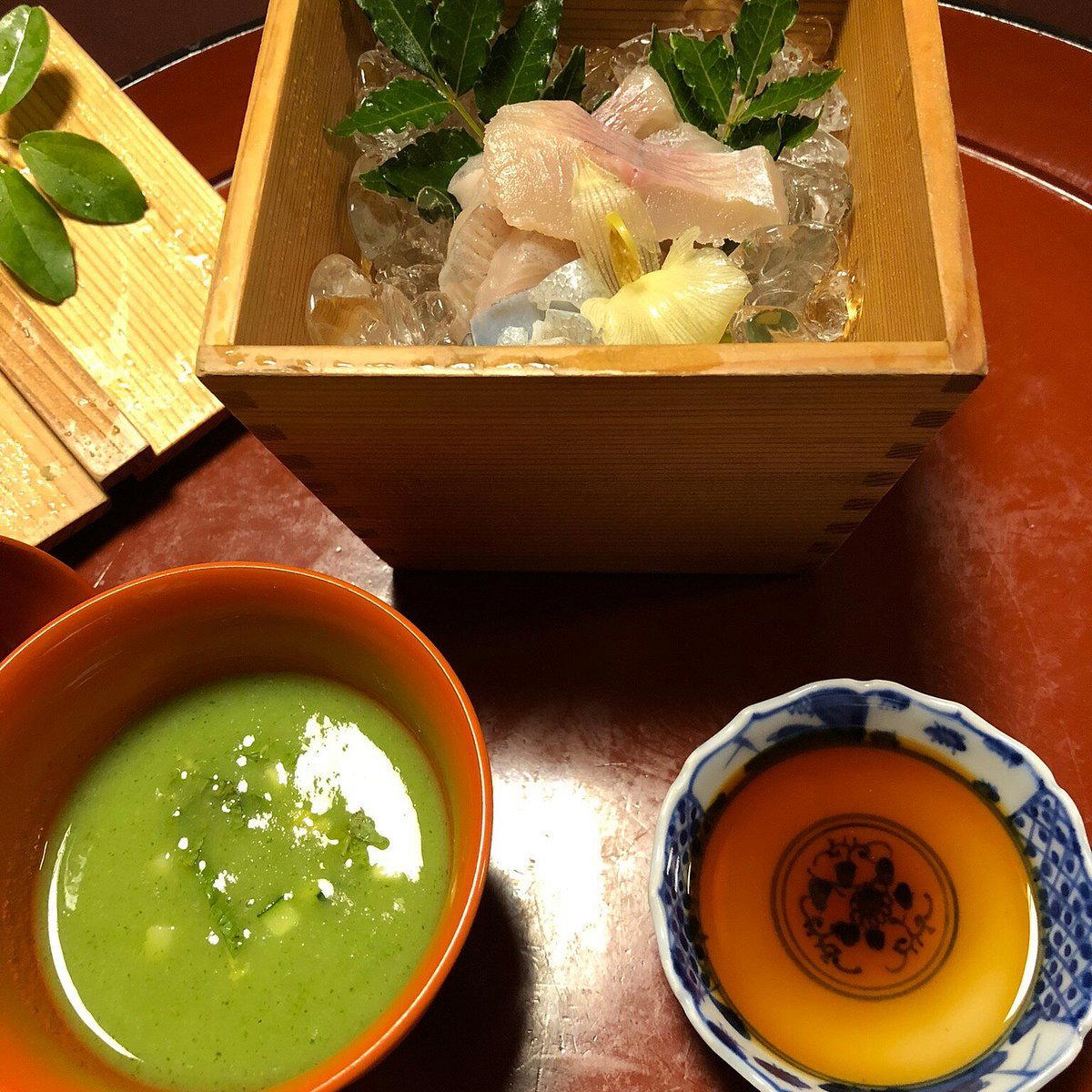
The tempura is the dish most consistently noted as the kitchen's point of distinction, fried in cottonseed oil for a clean, ingredient-forward result. The mixed rice course, made with hill-grown rice from the proprietress's family, is the other course worth paying attention to. The omakase format means the menu is set, but at lunch the bento box accompanied by tempura offers the same technique in a more contained format.
What kind of setting is Rakuhoku Nakayama?
The restaurant occupies a ground-floor space in Kyoto's Kita Ward, well north of the Gion and Higashiyama districts where most of the city's celebrated kaiseki rooms are concentrated. The setting is residential and low-key relative to the more formal kaiseki environments found at, say, the ¥¥¥¥-tier rooms reviewed elsewhere in our Kyoto coverage. This is not a room built for ceremony; the atmosphere is quieter and more neighbourhood-facing, which suits the kitchen's sourcing-led approach.
Is Rakuhoku Nakayama suitable for children?
An omakase format in a small, quiet room generally favours adult diners, and that applies here. The meal structure, multi-course and sequenced, requires patience that younger children may find difficult to sustain. At lunch, the bento format is less formal and may offer a more manageable experience. Kyoto dining at this level is broadly adult-oriented, and families with children would be better served by consulting the wider range of options in our full Kyoto restaurants guide before committing to an omakase booking.
In Context: Similar Options
Comparable venues nearby, for context on price, style, and recognition.
| Venue | Cuisine | Price | Awards | Notes |
|---|---|---|---|---|
| Rakuhoku NakayamaThis venue (the venue you are viewing) | Tempura Kaiseki Omakase | $150–200 | Michelin Plate | Not listed |
| Manjuji Hakuran | Nagasaki-Inspired Kyoto Kaiseki | $100–150 | 1 Michelin Star | Shimogyō |
| Shokudou Ogawa | Modern Japanese Izakaya | $50–100 | Tabelog Silver #96 | Shimogyō |
| Pontocho Sushi Ishiya | Traditional Japanese Omakase Sushi | $50–100 | Michelin Plate | Nakagyō |
| Niomon MUI | Kappo Japanese | $100–150 | Michelin Plate | Sakyō |
| Ryoriya EN | Traditional Kyoto Kaiseki | $150–200 | Michelin Plate | Shimogyō |
Recognition history
Dated appearances from independent guides and award organizations, with the underlying list record or original source where available.
Michelin Plate
Michelin
Continue exploring
More in Kyoto
Restaurants in Kyoto
All restaurants in Kyoto →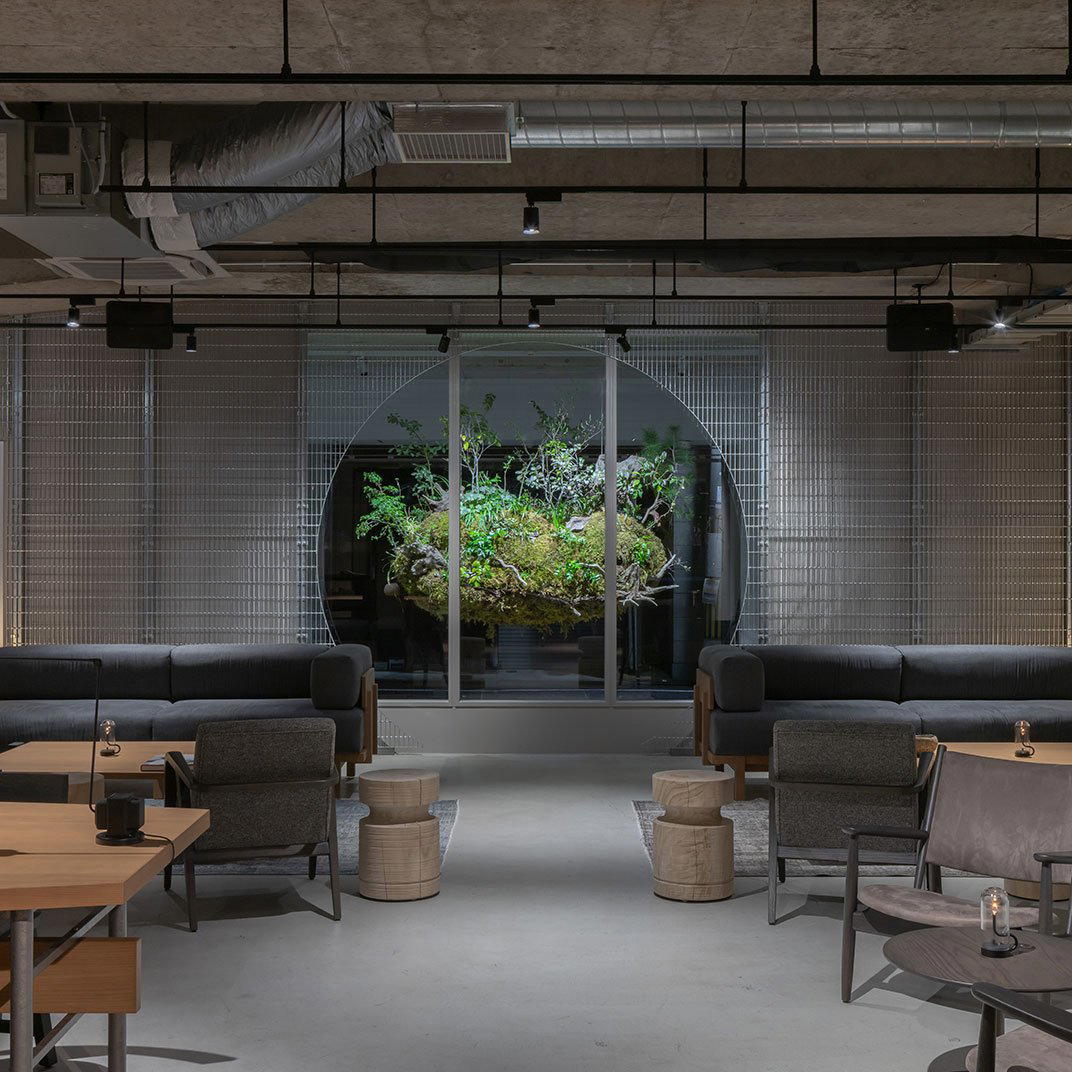
Bars in Kyoto
All bars in Kyoto →
Hotels in Kyoto
All hotels in Kyoto →
Wineries in Kyoto
Browse all →
Details
- Quiet
- Elegant
- Minimalist
- Intimate
- Special Occasion
- Business Dinner
- Sake Program
- Local Sourcing
- Omakase
- Tasting Menu
Current opening hours
- Monday
- 11:30 AM–2 PM, 6–9 PM
- Tuesday
- 11:30 AM–2 PM, 6–9 PM
- Wednesday
- Closed
- Thursday
- 11:30 AM–2 PM, 6–9 PM
- Friday
- 11:30 AM–2 PM, 6–9 PM
- Saturday
- 11:30 AM–2 PM, 6–9 PM
- Sunday
- Closed
Hours can change for holidays and private events. Hours as of .
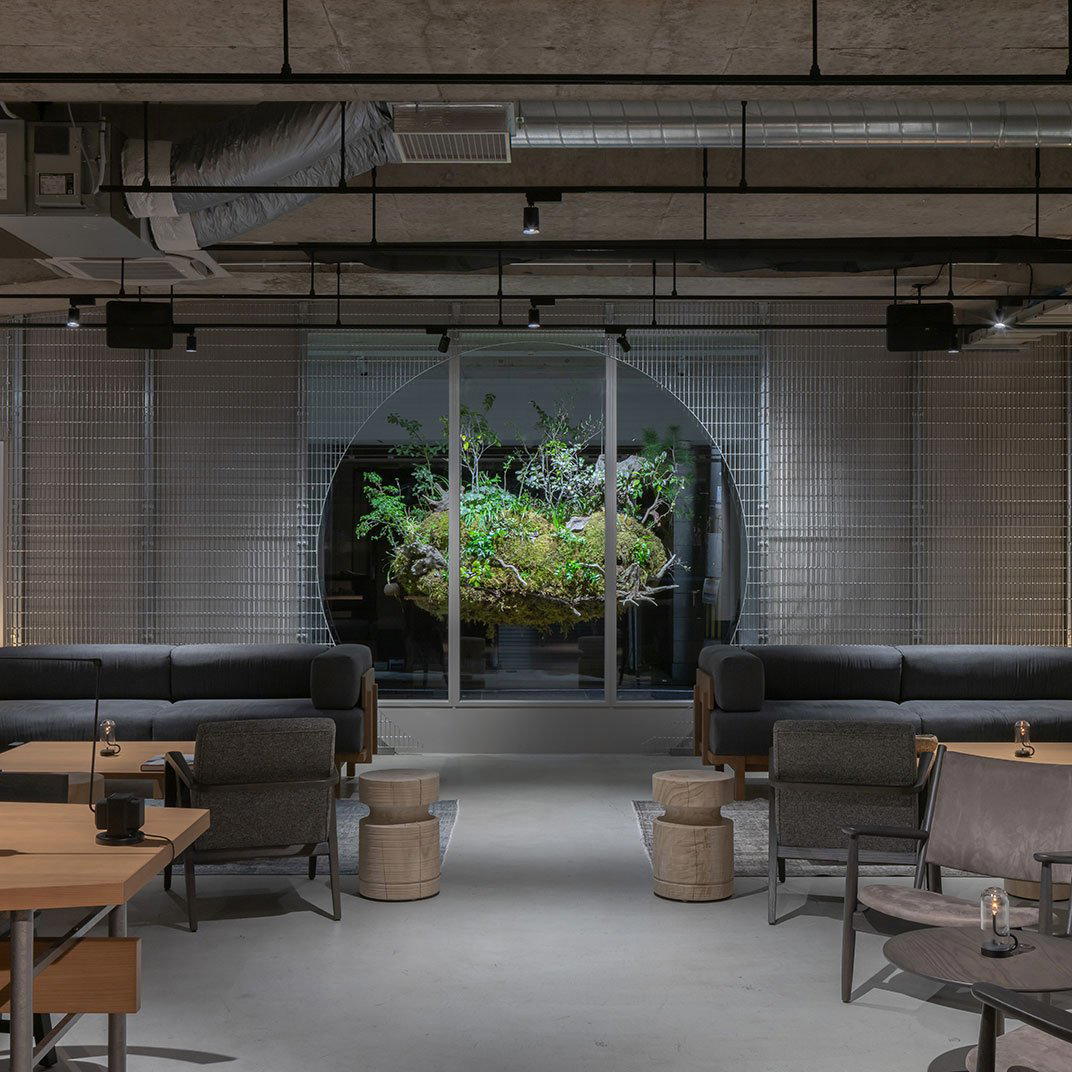
Minimalist dining room with practical seating focused on the food, featuring a photograph of family rice terraces; quiet and deliberate atmosphere emphasizing precise technique and seasonal ingredients.