
Tabelog 100 #28
Our verdict
Positioned in Kanazawa's Higashiyama district, the historic geisha quarter that frames the Asano River's east bank, 兼六 楼 occupies a traditional machiya townhouse setting where the architecture does much of the editorial work. The space sits within one of Japan's most intact Edo-period streetscapes, placing it in a category of dining environments where the physical container carries as much weight as the food inside.

Pearl is the En Primeur Club membership app, where members save venues, book tables and use the concierge.
Where the Building Is the First Course
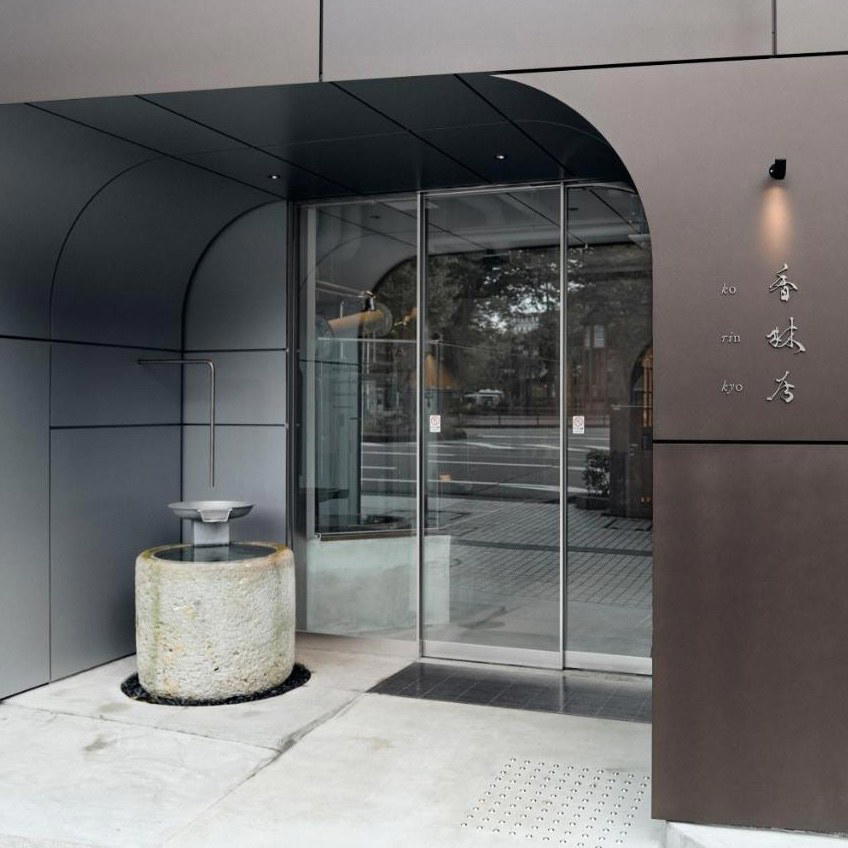
Higashiyama, Kanazawa's eastern geisha district, is one of the few urban environments in Japan where a 19th-century streetscape has survived largely intact. The whitewashed lattice facades, the narrow lanes running parallel to the Asano River, the occasional sound of shamisen practice drifting from an upper floor, these are not curated tourist effects but the residual textures of a neighborhood that has simply continued functioning. It is inside this district, at the address in 1-chome Higashiyama, that 兼六 楼 operates. Before any dish arrives, the physical setting is already making an argument about what kind of dining experience this is meant to be.
That argument, that architecture and cuisine are in conversation rather than in hierarchy, defines a specific tier of Japanese dining that has no real equivalent in Western restaurant culture. In cities like Kyoto, comparable establishments such as Gion Sasaki in Kyoto occupy machiya or okiya structures where the spatial experience is inseparable from the meal. Kanazawa, which escaped WWII bombing and retained much of its built heritage, offers a denser concentration of such settings than almost any other Japanese city outside Kyoto itself.
The Spatial Logic of a Machiya Counter
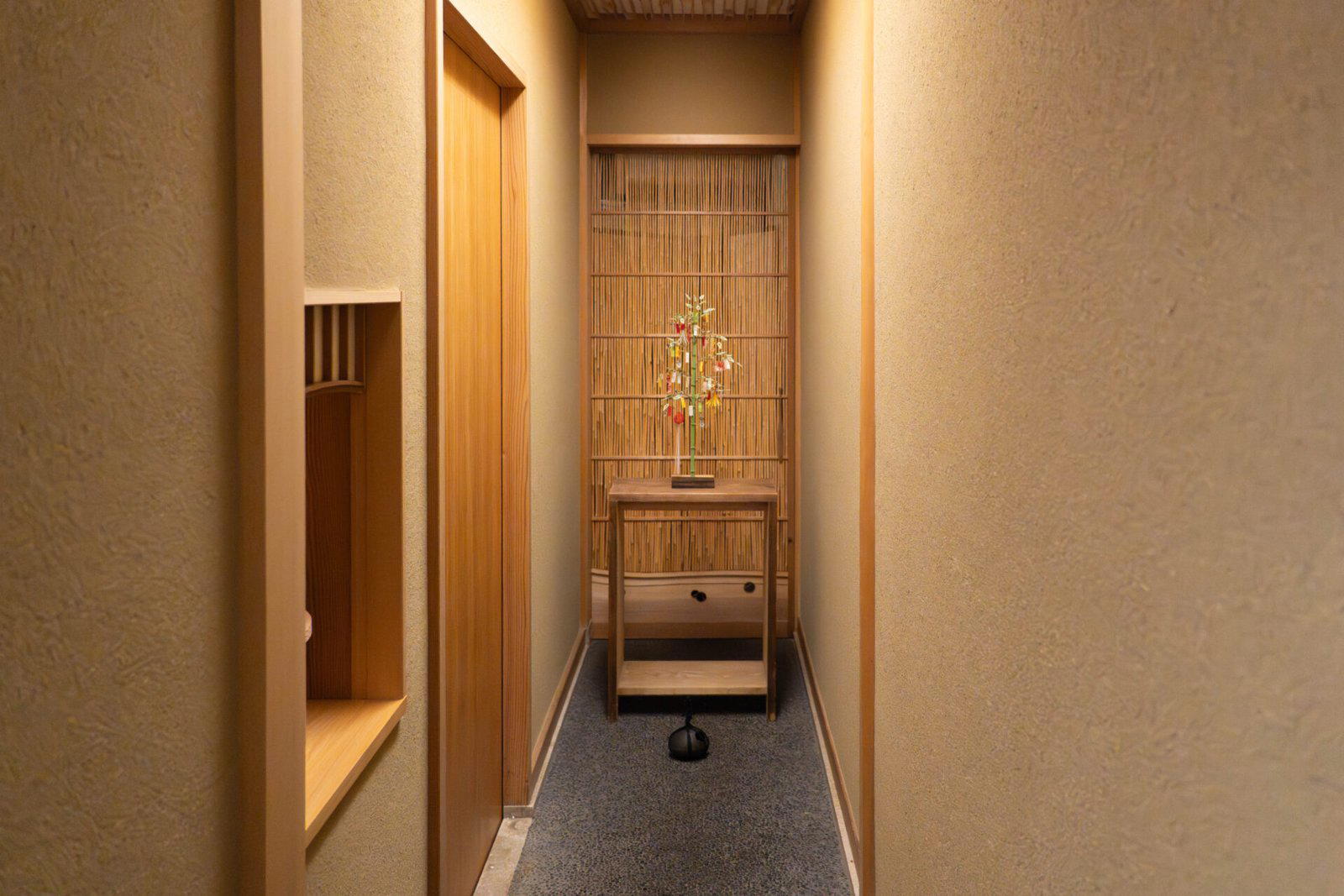
Traditional machiya townhouses were designed around a specific spatial grammar: a narrow street frontage opening into a series of rooms that deepen toward a rear garden, with a central courtyard or engawa veranda mediating between interior and exterior. When these structures are adapted for restaurant use, that grammar shapes how guests move, where they sit, and what they see. The compression of the front room and the sudden release into a garden view is not an accident of renovation, it is a deliberate sequence that older Japanese hospitality architecture builds in by default.
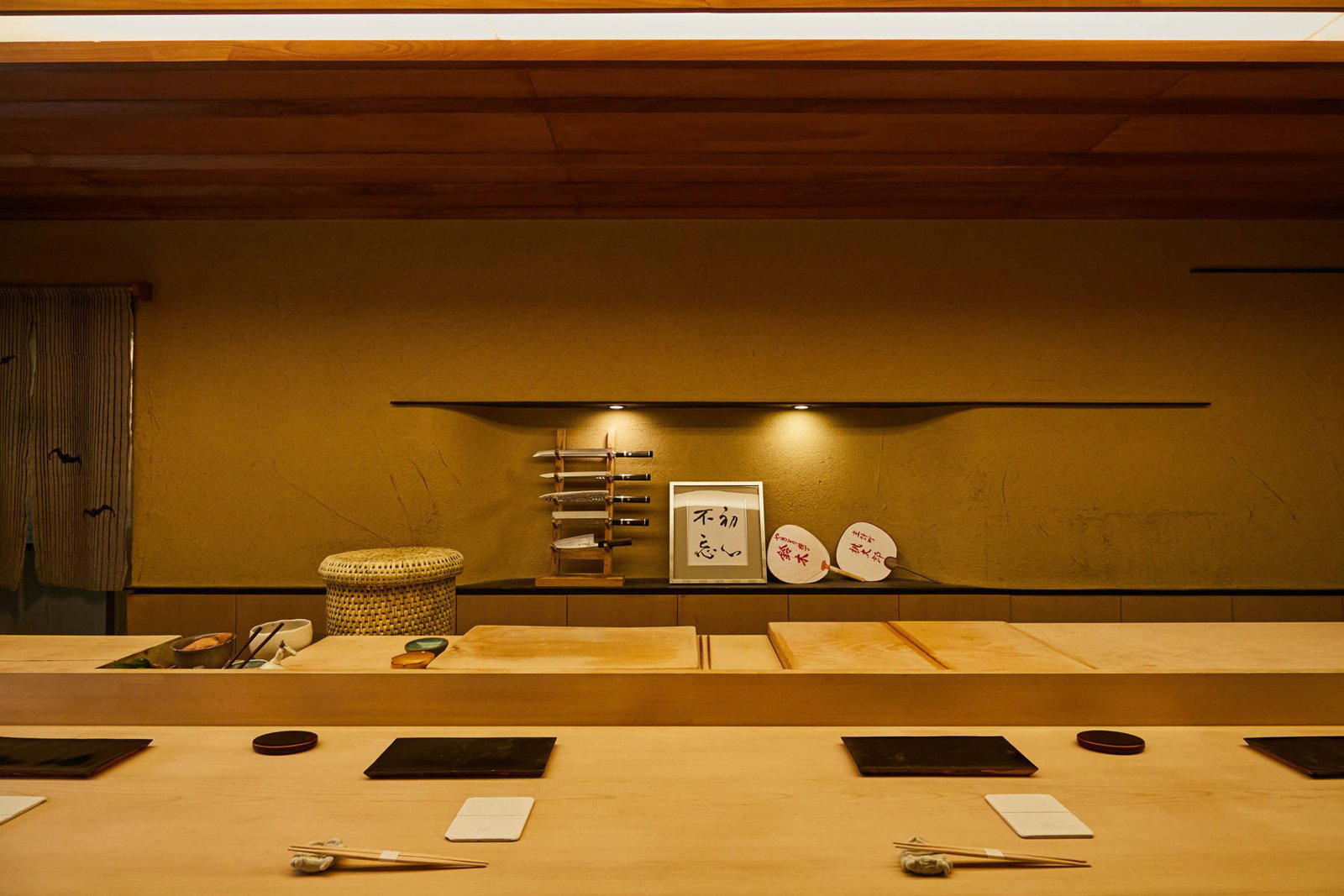
This spatial logic places 兼六 楼 in a different competitive conversation than Kanazawa's more contemporary dining addresses. Where a venue like Budoonomori Les Tonnelles reads through a French-inflected design register, and where the counter format at kaiseki peers such as Kataori and Zeniya prioritizes chef-to-guest sightlines, a Higashiyama machiya setting foregrounds the room itself as a primary design element. The seating arrangement, whatever its specific form here, is necessarily shaped by structural columns, shoji screens, and the proportions of rooms that were never originally designed for commercial dining.
Across Japan's broader dining scene, this pattern recurs at venues operating in heritage architecture. Goh in Fukuoka and akordu in Nara each demonstrate how a building's age and material character can function as a trust signal in their own right, communicating craft, rootedness, and a particular seriousness about place that newer constructions have to earn through other means.
Higashiyama's Position in Kanazawa's Dining Map
Kanazawa's restaurant geography distributes across several distinct zones. The Katamachi and Korinbo areas concentrate the city's more accessible mid-range and casual dining, including institutions like Go! Go! Curry, which trades on Kanazawa's claim as the origin point of a specific curry style. Omicho Market and its periphery pull seafood-focused venues. Higashiyama and its sister geisha district, Kazuemachi, form a separate tier: smaller, more atmospheric, more dependent on reservation and prior knowledge.
Within Higashiyama specifically, the dining and craft options cluster tightly along the main lane. Amanatto Kawamura operates nearby, representing the district's capacity for artisan confectionery alongside its dining functions. Hakuichi brings gold-leaf craft to the area's retail layer. This mix of food, craft, and heritage tourism creates a visitor profile for Higashiyama that skews toward the intentional traveler rather than the casual foot-traffic diner, a useful filter for understanding who 兼六 楼's natural audience is likely to be.
For visitors building a broader Kanazawa itinerary, the full Kanazawa restaurants guide maps the city's dining across neighborhoods and cuisine types, giving useful reference points for calibrating where a Higashiyama reservation fits within a multi-day program.
Reading the Venue Against Its Japanese Peers
The name 兼六 楼 carries an explicit geographical reference: 兼六 (Kenroku) is the first element of Kenrokujen, Kanazawa's celebrated landscape garden and the city's most recognized cultural landmark. The suffix 楼 (rō) historically denotes a tower or multi-story structure, and in traditional usage often appeared in the names of high-status teahouses and entertainment venues. That naming construction places this address in a lineage of premium hospitality venues that defined their identity through proximity to, or association with, the city's cultural center of gravity.
Peer comparisons are instructive here. Harutaka in Tokyo and HAJIME in Osaka each operate within their city's high-end dining tier but draw their positioning from chef credentials and Michelin recognition rather than from a heritage building. Le Bernardin in New York City and Lazy Bear in San Francisco represent the Western equivalent of venues where the room design and spatial philosophy carry as much weight as the menu. In each case, the physical container is part of what the guest is paying for, and price positioning reflects that.
Regionally, affetto akita in Akita, Aji Arai in Oita, Akakichi in Imabari, and Ajidocoro in Yubari District each occupy smaller-city dining markets where heritage and locality are primary differentiators. The pattern that connects them, premium positioning in non-metropolitan contexts, reliance on regional identity rather than international recognition, applies equally to 兼六 楼's Kanazawa situation. Abon in Ashiya provides another reference point for how smaller Japanese cities sustain high-end dining formats outside the major urban clusters.
Planning a Visit
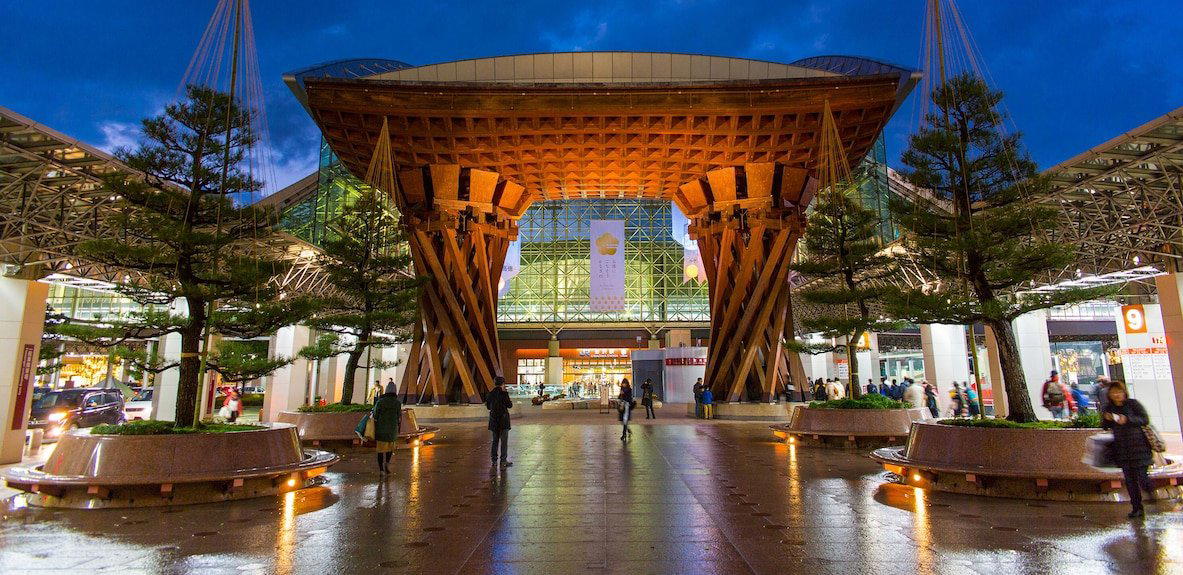
Higashiyama is accessible on foot from Kanazawa Station in approximately 25 to 30 minutes, or by taxi in under ten minutes. The district's peak visitor hours run from mid-morning through early evening, when day-trippers from the Shinkansen corridor move through. An evening reservation, once the tour groups have cleared, gives a substantially different experience of the neighborhood's atmosphere, with the machiya facades lit in the kind of oblique light that makes the lacquerwork and lattice details legible in a way daytime foot traffic doesn't allow.
Venues of this type in Japan frequently manage reservations through intermediaries, and advance planning of at least several weeks is standard for any Higashiyama dining address at the premium tier. Dokkan operates in a comparable Kanazawa register and its booking patterns offer a reference point for the level of advance planning this district generally requires.
Frequently asked questions
How do I find 蕎味 櫂?
蕎味 櫂 is located at Japan, 〒920-0831 Ishikawa, Kanazawa, Higashiyama, 1 Chome−23−10 櫂, Kanazawa.
What do regulars order at 兼六楼?
The venue's address in Higashiyama, Kanazawa, one of Japan's most intact 19th-century geisha districts, places it squarely in the city's traditional dining corridor. Regulars tend to follow the kitchen's lead rather than ordering à la carte, consistent with how machiya-format counters across Kanazawa operate.
What's the best way to book 蕎味 櫂?
Reservations are recommended for 蕎味 櫂 in Kanazawa. Confirm current policy via the venue's official channels.
What's the standout thing about 蕎味 櫂?
蕎味 櫂 is best approached by focusing on the core concept and signature offerings.
Can 蕎味 櫂 adjust for dietary needs?
Dietary accommodations can vary. Flag restrictions in advance via the venue's official channels.
The Minimal Set
Comparable venues nearby, for context on price, style, and recognition.
| Venue | Cuisine | Price | Awards | Notes |
|---|---|---|---|---|
| 蕎味 櫂This venue (the venue you are viewing) | Kappo-Style Kaiseki | $200–300 | Tabelog 100 #28 | Not listed |
| 木佐貫 | Kanazawa Kaiseki Omakase | $200–300 | Tabelog Silver #57 | Tokiwamachi, Kanazawa Kaiseki Omakase |
| さかい | Japanese Kaiseki | $50–100 | Not listed | Kiguramachi, Kaiseki Japanese Cuisine |
| Kisanuki | Kanazawa Kaiseki Omakase | $200–300 | Tabelog Silver #57 | Kanazawa, Kanazawa Kaiseki Omakase |
| Medicinal Food Café Cien Gallery | Medicinal Japanese Café | Not listed | Not listed | Not listed |
| うなぎ四代目菊川 | Not listed | Not listed | Not listed | Kanazawa Station, Kansai-style Whole Eel (Unagi) |
Recognition history
Dated appearances from independent guides and award organizations, with the underlying list record or original source where available.
Tabelog 100 #28 · No. 28
Tabelog · Tabelog 100 - Japanese cuisine - WEST - 2025
Continue exploring
More in Kanazawa
Restaurants in Kanazawa
All restaurants in Kanazawa →
Hotels in Kanazawa
All hotels in Kanazawa →
Wineries in Kanazawa
Browse all →
Details
- Elegant
- Intimate
- Sophisticated
- Special Occasion
- Date Night
- Chefs Counter
- Open Kitchen
- Sake Program
- Local Sourcing
- Counter Dining
- Set Menu
- Sake
- Vegetarian Friendly
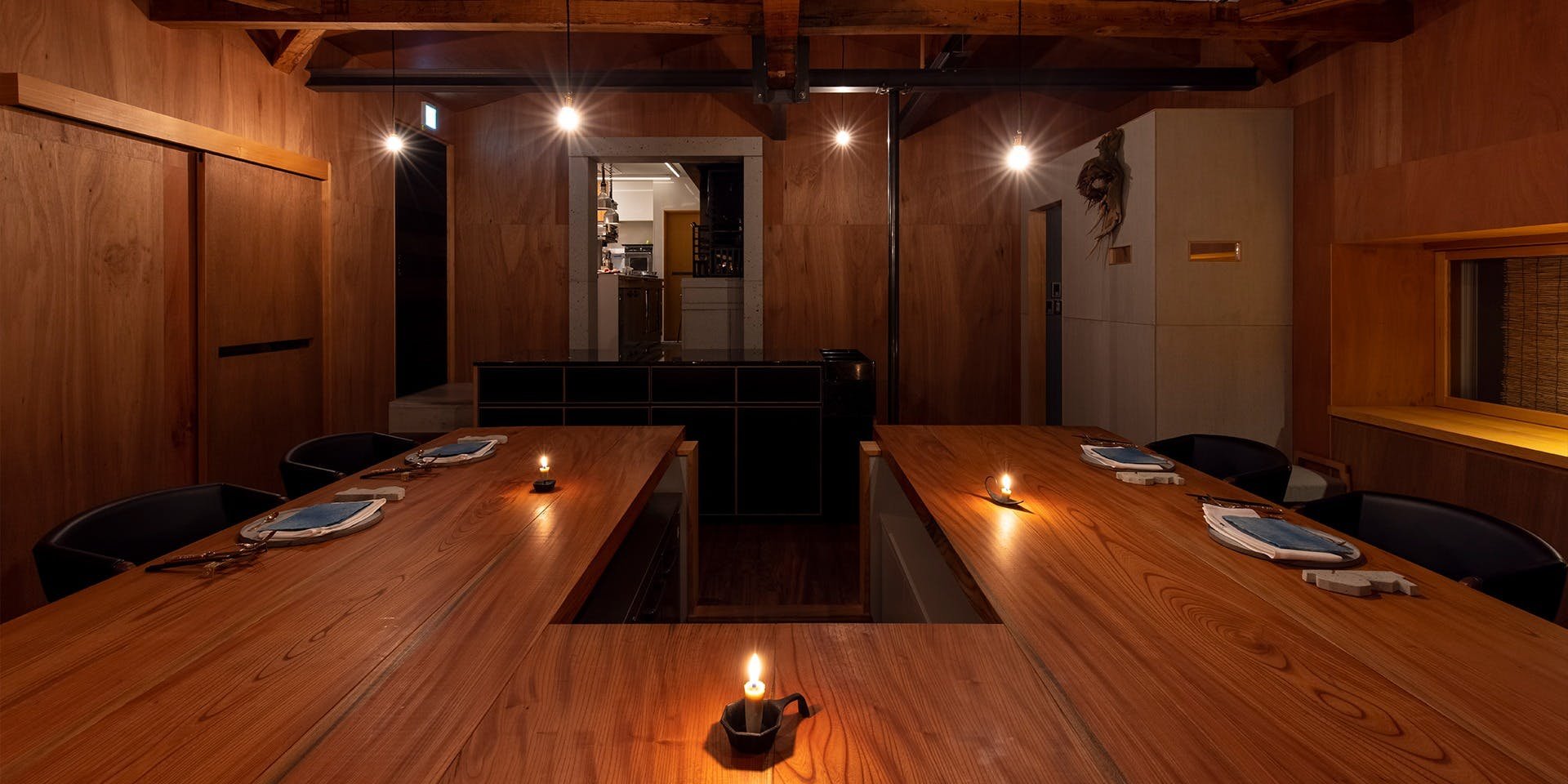
Dimly lit with minimalist Japanese decor, creating a serene and refined atmosphere focused on the culinary artistry.