
1 Michelin Star
Our verdict
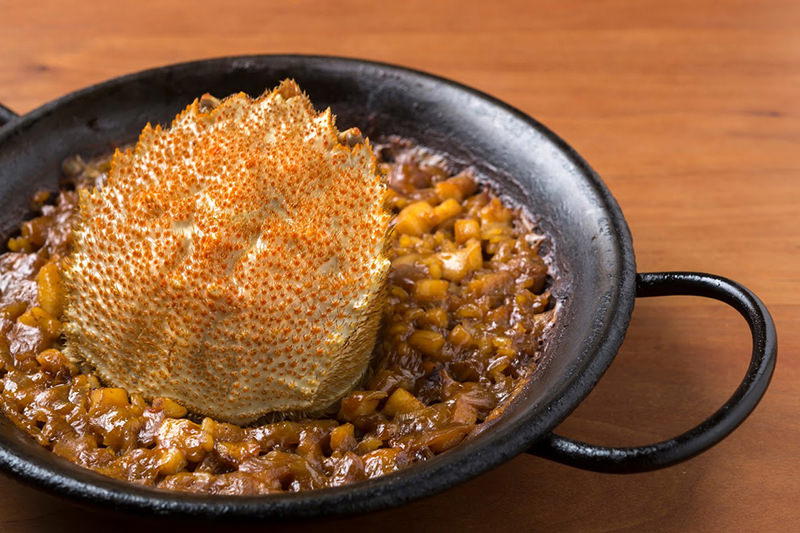
In Akasaka's mid-tier kappo tier, Sumibikappo SHIROSAKA operates where bincho charcoal discipline meets the cross-continental training of its owner-chef. The menu moves through sea urchin and caviar pairings, hassun platters that fold in spring rolls and roasted pork, and grilled eel and wagyu suffused with white charcoal smoke.

Pearl is the En Primeur Club membership app, where members save venues, book tables and use the concierge.
The menu
What to order
- Tuna tartare with uni and caviar
- Charcoal-grilled seafood
- Wagyu
Where Bincho Smoke Meets a Broader Education
Tokyo's kappo format occupies a distinct space in the city's dining hierarchy. Unlike the fixed ritual of kaiseki or the single-product focus of omakase sushi, kappo allows a chef to cut, grill, and compose across the full breadth of Japanese culinary vocabulary, and increasingly, well beyond it. The category has absorbed a generation of chefs who trained internationally before returning to work within Japanese structure, and that cross-pollination now defines some of the most interesting mid-range counters in the city. Sumibikappo SHIROSAKA, in Akasaka's 6-chome, belongs to that cohort.
The owner-chef behind SHIROSAKA spent time cooking in Sydney and New York before bringing those instincts back to Tokyo. The practical outcome is a menu that sits inside kappo's seasonal, ingredient-forward logic while drawing on the kind of freedom that only comes from working in kitchens where Japanese convention was never the default. For context, Akasaka sits squarely in the mid-city dining corridor that connects the governmental density of Kasumigaseki to the entertainment energy of Roppongi, making it a neighbourhood where business-occasion dining and serious food curiosity coexist without friction. For a broader map of where this restaurant sits within Tokyo's dining scene, see our full Tokyo restaurants guide.
The Technique at the Centre: Bincho Charcoal
The defining element of the kitchen at SHIROSAKA is bincho charcoal, the white oak charcoal that burns hotter, cleaner, and longer than conventional charcoal. Across Japan, bincho is the preferred fuel for yakitori specialists, unagi houses, and high-end robata counters, valued specifically because it imparts aroma without the acrid interference of lower-grade charcoal. At SHIROSAKA, it becomes the common thread linking a menu that spans both delicate seafood and richer land proteins. Seafood is broiled over it; grills of eel and wagyu acquire that characteristic faint smokiness that you can smell before the plate arrives. The chef applies low-heat cooking to seasonal ingredients, a method that preserves texture while allowing the charcoal's fragrance to register without overpowering.
This precision with fire sits in deliberate contrast to the globally informed elements elsewhere on the menu. Grilling with bincho is one of the oldest culinary techniques in Japanese professional cooking; pairing that grill work with ingredients and plating instincts shaped by stints in Sydney and New York is the specific proposition SHIROSAKA makes. Kitchens like Azabu Kadowaki and Kagurazaka Ishikawa represent the more formally traditional end of Tokyo's Japanese fine dining; SHIROSAKA operates closer to the permissive, internationally inflected middle, where technique is borrowed freely and seasonal Japanese ingredients absorb the result.
Reading the Menu: Where the Combinations Show Their Work
The menu at SHIROSAKA is seasonal and composed, with courses that move through the familiar kappo arc while inserting points of deliberate surprise. The cold tuna and sea urchin preparation, served with gelatinised dashi and caviar, is the clearest example of how imported fine-dining thinking lands inside a Japanese framework. Gelatinised dashi as a component is a modernist technique applied to one of Japanese cooking's most foundational stocks; the caviar layer positions the dish in conversation with European luxury ingredient logic rather than strictly domestic tradition. The result is a course that reads as Japanese in its restraint and its primary ingredients, and international in its construction.
The hassun, the second course in traditional kaiseki sequencing, designed to evoke the season through a variety of small compositions, takes even greater liberties. Spring rolls and roasted pork fillet appear alongside more conventional choices, a combination that signals the chef's willingness to treat the hassun's formal function (seasonal variety, visual composition, flavour range) as the brief, while selecting ingredients without rigid geographic loyalty. For comparison, the hassun at more orthodox Tokyo kappo counters such as Myojaku or Ginza Fukuju would typically stay closer to Japanese product conventions. At SHIROSAKA, that orthodoxy is negotiable. The meal closes with either handmade soba or rice cooked in clay pots, available on request, a traditional closing gesture that anchors the experience back in Japanese ritual after courses that have ranged considerably further.
Positioning Within Tokyo's Mid-Tier Kappo Set
At the ¥¥¥ price tier, SHIROSAKA sits below the ¥¥¥¥ upper bracket occupied by counters like Kagurazaka Ishikawa or the kaiseki-adjacent formalism of Jingumae Higuchi. That tier difference matters in Tokyo, where the gap between ¥¥¥ and ¥¥¥¥ often reflects not just price but the degree of ceremony, the depth of the seasonal sourcing network, and the formality of service choreography.
The internationally trained chef-owner category is not unusual in Tokyo's current dining scene. What distinguishes SHIROSAKA is the specific combination of instruments: bincho charcoal as both a technical and aromatic anchor, a menu that uses Japanese seasonal logic as its architecture while fitting globally sourced influence into that structure, and a setting in Akasaka that keeps the venue accessible to the business and international dining audience that neighbourhood attracts. For comparison across Japan, kitchens working similar intersections of foreign training and Japanese product include HAJIME in Osaka, Gion Sasaki in Kyoto, and akordu in Nara, each working that intersection from a different angle and at a different price point.
Planning Your Visit
Sumibikappo SHIROSAKA is located at 6 Chome-3-9 Akasaka, Minato City, Tokyo 107-0052. Reservations: Budget: ¥¥¥ tier, positioning it as an accessible option relative to Tokyo's top-tier kappo and kaiseki counters. Timing: as a seasonal kappo kitchen, the menu shifts with the calendar, so the composition of the hassun and the main courses will differ across visits. Handmade soba and clay-pot rice are available on request at the close of the meal, worth noting when you book rather than waiting to ask at the table.
For further Tokyo planning, the EP Club editorial team maintains guides across all categories: our full Tokyo hotels guide, our full Tokyo bars guide, our full Tokyo experiences guide, and our full Tokyo wineries guide. For other Japanese destinations that share the cross-cultural cooking logic, see Goh in Fukuoka, 1000 in Yokohama, 6 in Okinawa, Isshisoden Nakamura in Kyoto, and Kashiwaya Osaka Senriyama in Osaka.
Frequently asked questions
Is Sumibikappo SHIROSAKA child-friendly?
At the ¥¥¥ tier in a formal Tokyo kappo setting, this is not a venue designed around children.
What should I expect atmosphere-wise at Sumibikappo SHIROSAKA?
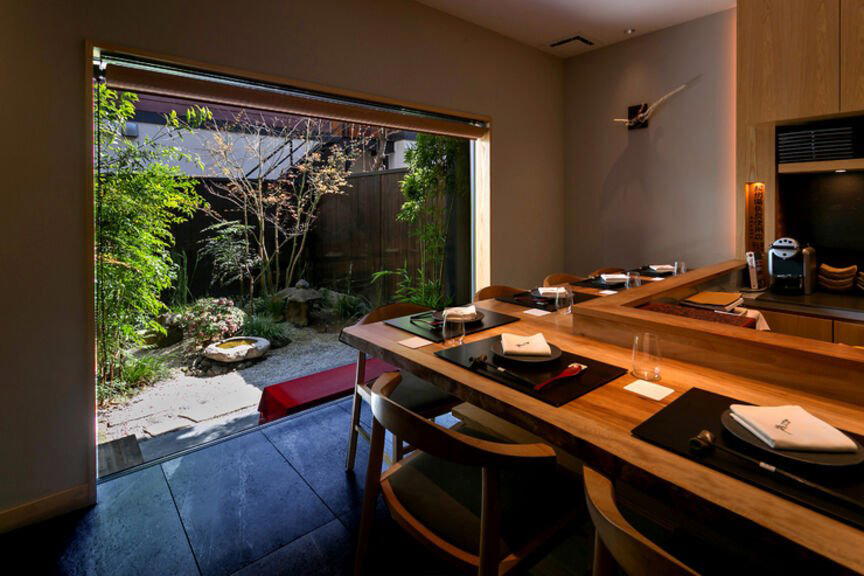
If you are familiar with Tokyo's mid-tier kappo counters, expect a kitchen-facing or semi-open format where the chef's work is visible and the pace is set by the courses rather than the guest. Given the ¥¥¥ price tier and Akasaka's business-district character, the room will lean toward understated professionalism rather than theatrical or casual energy. The bincho charcoal element adds a sensory register, faint smoke aroma in the air, that distinguishes it from purely cold-counter formats.
What do regulars order at Sumibikappo SHIROSAKA?
Order the cold tuna and sea urchin with gelatinised dashi and caviar, it is the dish that most clearly demonstrates what the kitchen is doing technically. If the hassun includes spring rolls or roasted pork, those combinations show the chef's approach to the format rather than default seasonal selections. Request the clay-pot rice or handmade soba at the close of the meal when you book, as they are available on request rather than automatically included.
At a Glance
| Venue | Cuisine | Price | Awards | Notes |
|---|---|---|---|---|
| Sumibikappo SHIROSAKAThis venue (the venue you are viewing) | Sumibi Kappo | $150–200 | 1 Michelin Star | Not listed |
| Harutaka | Edo-Style Omakase Sushi | $200–300 | 3 Michelin Stars · World's 50 Best #76 | Sushi |
| RyuGin | Modern Kaiseki | $500+ | 3 Michelin Stars · World's 50 Best #41 | Kaiseki, Japanese |
| L'Effervescence | Modern French with Japanese Influences | $200–300 | 3 Michelin Stars · World's 50 Best #69 | French |
| HOMMAGE | Modern French with Japanese Influences | $150–200 | 2 Michelin Stars · World's 50 Best #78 | Innovtive French, French |
| MAZ | Innovative Peruvian-Japanese Fusion | $150–200 | 2 Michelin Stars · World's 50 Best #28 | Innovative |
Recognition history
Dated appearances from independent guides and award organizations, with the underlying list record or original source where available.
Michelin 1 Star
Michelin
Full recognition history (2 entries)
Michelin 1 Star
Michelin
Continue exploring
More in Tokyo
Restaurants in Tokyo
All restaurants in Tokyo →

Bars in Tokyo
All bars in Tokyo →



Details
- Intimate
- Elegant
- Romantic
- Cozy
- Sophisticated
- Date Night
- Special Occasion
- Chefs Counter
- Open Kitchen
- Private Dining
- Sake Program
- Omakase
- Counter Dining
- Sake Program
Current opening hours
- Monday
- 6–11 PM
- Tuesday
- 6–11 PM
- Wednesday
- 6–11 PM
- Thursday
- 6–11 PM
- Friday
- 6–11 PM
- Saturday
- 6–11 PM
- Sunday
- Closed
Hours can change for holidays and private events. Hours as of .
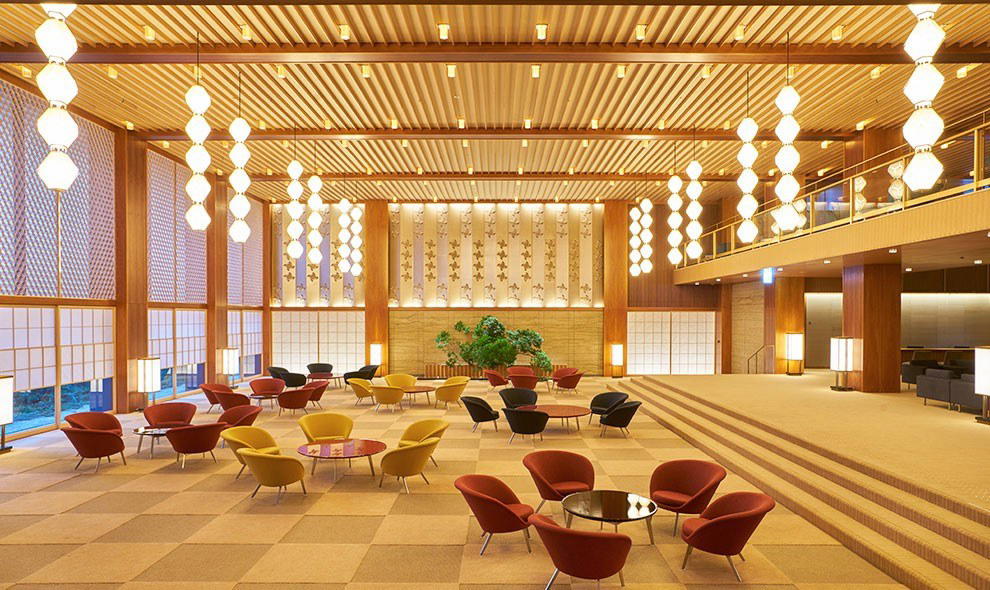
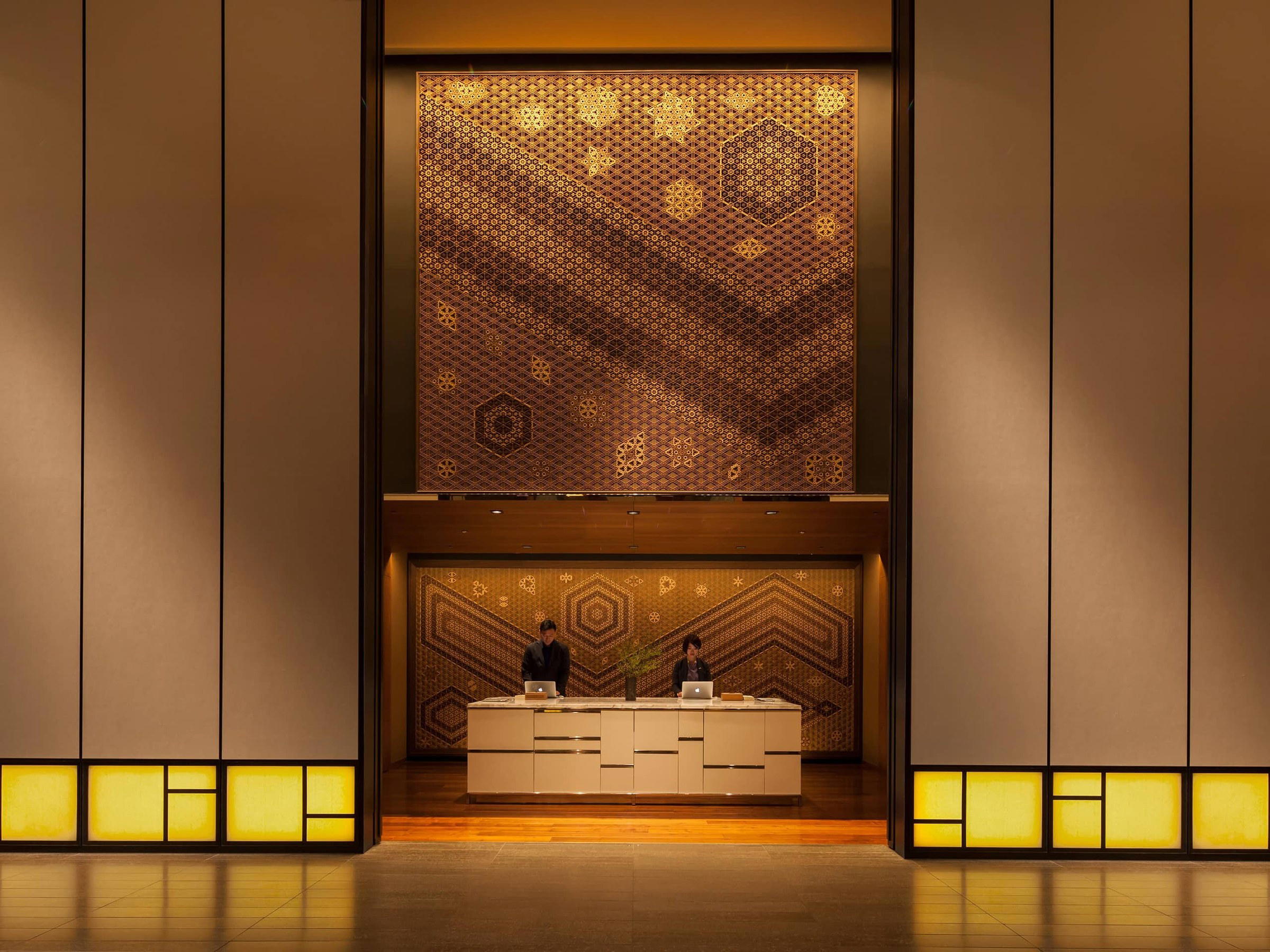
Warm wooden Japanese interior with relaxed, intimate atmosphere and attentive service.