1 Michelin Star
Our verdict
A Michelin-starred counter in Kamimeguro where tempura and kaiseki traditions meet in a format the chef calls 'Ten-Masa Kaiseki.' Each piece of tempura is fried and served individually, interspersed with appetizers, soup, and sashimi, while haiku written by the chef appear on the menu itself.

Pearl is the En Primeur Club membership app, where members save venues, book tables and use the concierge.
The Haiku on the Menu Is Not an Affectation
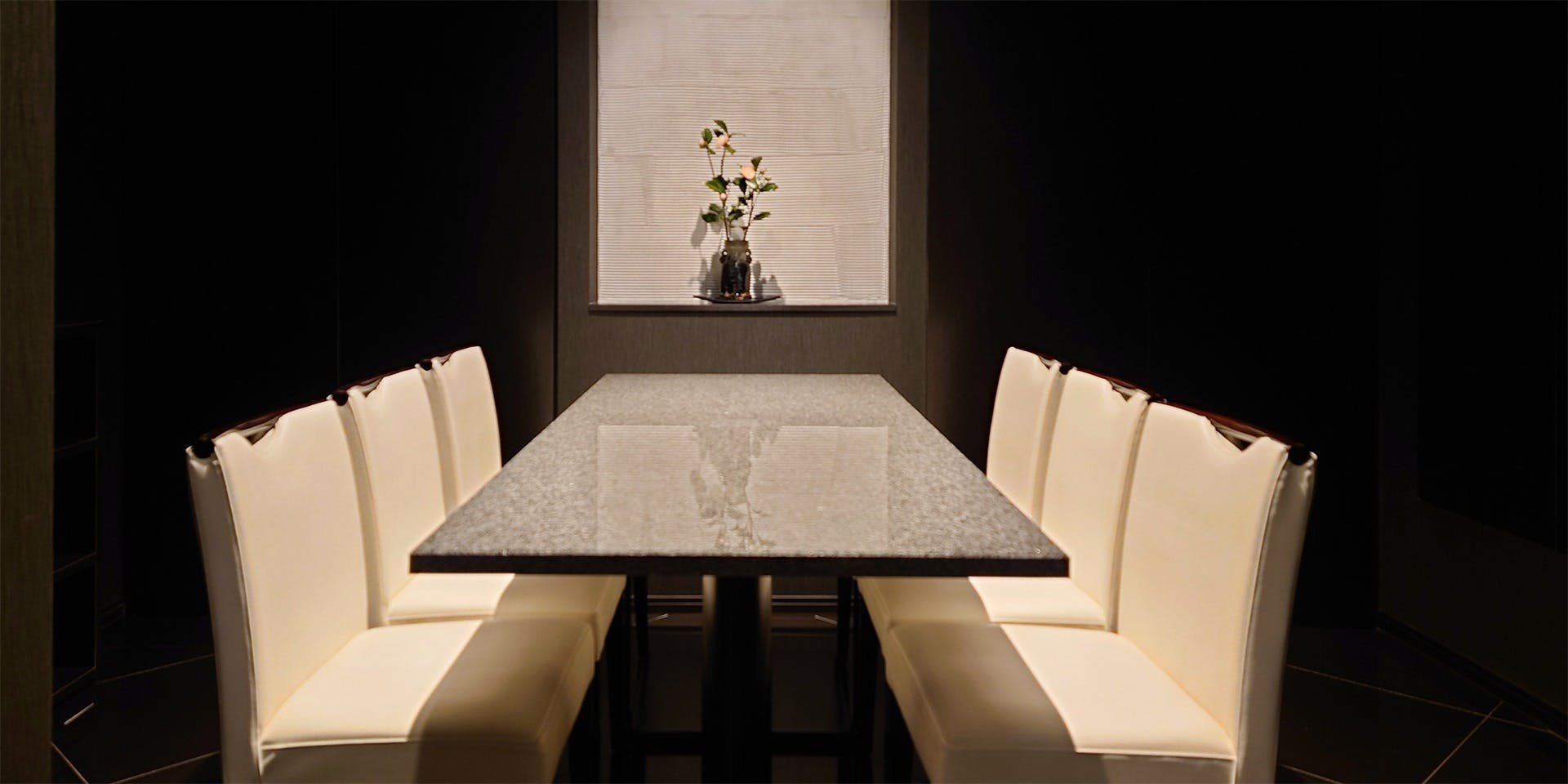
Most tempura counters in Tokyo operate on a single disciplinary axis: fry technique, oil temperature, batter weight, the sequence from light vegetables to heavier seafood. What distinguishes TEN-MASA in Kamimeguro is the decision to abandon that single axis entirely. The menu here does not read as a tempura progression. It reads as a kaiseki meal in which tempura plays a central, recurring role, appetizers, soup, sashimi, and individually fried pieces arriving in a sequence the chef has named 'Ten-Masa Kaiseki.' The haiku printed on that menu, composed by the chef himself, signal the same sensibility: this is a kitchen thinking in seasons and poems, not just frying temperatures.
That framing matters when you are deciding whether to book. Tokyo's tempura counter tier ranges from neighbourhood lunch spots to three-Michelin-star institutions like Kondo in Ginza. TEN-MASA's 2024 Michelin one-star recognition places it in a mid-to-upper bracket that rewards specialist interest. If you are looking for the stripped-down purity of a traditional ten-course tempura progression, this counter will read as something more complicated. If you are curious about how a kitchen trained in tempura technique extends its vocabulary into kaiseki's broader seasonal register, it reads as a genuinely considered program.
A Format Built on Two Traditions
The kaiseki tradition in Japanese dining is fundamentally about sequence, restraint, and seasonal fidelity. Courses arrive in a prescribed order, sakizuke, hassun, mukozuke, and so on, each one calibrated to a specific moment in the meal's arc. Tempura, by contrast, is built around immediacy: the piece must travel from oil to chopstick in seconds, which makes it structurally at odds with the measured pacing of kaiseki. The culinary challenge TEN-MASA has set itself is exactly that tension: how do you hold the structural logic of kaiseki while incorporating a cooking method that demands instant consumption?
The answer, based on the documented format, is that tempura is served one piece at a time, embedded within a sequence that includes cold preparations, broth, and raw fish. This is not tempura as a standalone course inside a kaiseki meal. It is tempura as a recurring thread, appearing at intervals, serving the same rhythmic function that a yakimono or agemono course would in a conventional kaiseki progression. That approach connects TEN-MASA to a broader movement in Tokyo dining, where single-technique specialists have been systematically expanding their reference frames. Compare the kaiseki depth at counters like Kagurazaka Ishikawa or Azabu Kadowaki, and you begin to see how TEN-MASA is attempting to occupy a position that neither pure tempura nor pure kaiseki counters hold.
Kamimeguro as a Dining Address
Restaurant's location in Kamimeguro, in Meguro City's B1 level of a building called Cube-M, is worth noting for anyone mapping the geography of Tokyo's serious dining scene. Meguro is not Ginza or Minami-Aoyama, where dense concentrations of high-end counters create a kind of critical mass. It is a residential neighbourhood with a quieter register, where restaurants tend to attract regulars rather than passing foot traffic. That geography is part of the planning calculation: you are coming here with intention, not stumbling in. The address, 3 Chome-16-13 Kamimeguro, places it within reach of Nakameguro station, which sits on both the Tokyu Toyoko and Tokyo Metro Hibiya lines, giving access from central Tokyo in under twenty minutes from most interchange points.
For Tokyo dining more broadly, our full Tokyo restaurants guide maps the city's counter culture across cuisine types, and the Tokyo hotels guide covers accommodation options by neighbourhood. If you are planning around the dining itinerary, Meguro's residential character means nearby hotel options are limited; most visitors staying in Shibuya, Ebisu, or Daikanyama will find the transfer simple.
Planning the Booking
High-volume counters in Ginza or Shinjuku accumulate hundreds of Google entries; a count of 74 at this tier typically indicates a deliberately small operation, a clientele that does not broadcast widely, or both. That has a direct implication for booking: scarcity at this type of counter is real, not manufactured.
Platforms such as Tableall, Omakase, or Pocket Concierge list some counters of this type and provide English-language interfaces. For a counter earning its first star in the 2024 guide cycle, lead time of six to eight weeks is a reasonable working assumption, though that window may compress further during peak travel periods. Tokyo's cherry blossom season in late March through early April, and the autumn foliage window in November, represent the two periods of highest inbound dining demand, booking during those periods requires earlier planning.
For comparable kaiseki-oriented experiences with clearer online booking access, Myojaku and Ginza Fukuju offer points of reference in Tokyo's broader kaiseki tier. Those counters also provide useful context for what seasonal kaiseki sequencing looks like when it is not hybridized with tempura. Outside Tokyo, Gion Sasaki in Kyoto and Isshisoden Nakamura in Kyoto represent the kaiseki tradition in its most geographically rooted form, while Kashiwaya Osaka Senriyama and HAJIME in Osaka show how Osaka's kitchen culture treats the same seasonal imperative differently.
Where TEN-MASA Sits in Tokyo's Counter Ecosystem
Tokyo's Michelin one-star tier in Japanese cuisine is broad and internally diverse. It includes sushi counters, ramen specialists, yakitori operations, and, at TEN-MASA, a hybrid format that resists easy categorization. The price range at ¥¥¥ positions it below the ¥¥¥¥ ceiling occupied by venues like RyuGin or Harutaka, making it accessible relative to peers in terms of spend, if not in terms of booking availability. That pricing relative to a 2024 star suggests the counter has not yet repriced to match its new recognition, which is relevant information for anyone weighing spend across a multi-day Tokyo itinerary.
The depth available in Tokyo extends well beyond kaiseki and tempura. For reference points across other formats, Jingumae Higuchi operates in the kaiseki register with a different neighbourhood character, and the EP Club Tokyo bars guide, Tokyo wineries guide, and Tokyo experiences guide cover the city's wider range. For those extending itineraries beyond Tokyo, akordu in Nara, Goh in Fukuoka, 1000 in Yokohama, and 6 in Okinawa represent the range of serious dining formats available across the country.
Frequently asked questions
Has TEN-MASA won any awards?
TEN-MASA has received recognition including: The chef’s parents ran a tempura shop, so he followed in their culinary footsteps. After learning the techniques from his father, he enhanced his wares with elements from other Japanese traditions to evoke colours and seasons that tempura c….
What's the price range at TEN-MASA?
Pricing at TEN-MASA is listed as ¥¥¥.
What dish is TEN-MASA famous for?
TEN-MASA is known for its 'Ten-Masa Kaiseki' format, in which individually fried tempura pieces are served alongside kaiseki-style courses, appetizers, soups, and sashimi, in a structured seasonal sequence. The chef's family background in tempura, combined with techniques drawn from broader Japanese culinary traditions, defines this hybrid approach. No single signature dish dominates; the format itself is the statement, with each piece of tempura served one at a time as part of a composed arc. The restaurant holds a Michelin one star as of 2024.
What should I expect cuisine-wise at TEN-MASA?
Comparable Spots
A compact comparison to help you place this venue among nearby peers.
| Venue | Cuisine | Price | Awards | Notes |
|---|---|---|---|---|
| TEN-MASAThis venue (the venue you are viewing) | Tempura Kaiseki | $150–200 | 1 Michelin Star | Not listed |
| Harutaka | Edo-Style Omakase Sushi | $200–300 | 3 Michelin Stars · World's 50 Best #76 | Sushi |
| RyuGin | Modern Kaiseki | $500+ | 3 Michelin Stars · World's 50 Best #41 | Kaiseki, Japanese |
| L'Effervescence | Modern French with Japanese Influences | $200–300 | 3 Michelin Stars · World's 50 Best #69 | French |
| HOMMAGE | Modern French with Japanese Influences | $150–200 | 2 Michelin Stars · World's 50 Best #78 | Innovtive French, French |
| MAZ | Innovative Peruvian-Japanese Fusion | $150–200 | 2 Michelin Stars · World's 50 Best #28 | Innovative |
Recognition history
Dated appearances from independent guides and award organizations, with the underlying list record or original source where available.
Michelin 1 Star
Michelin
Full recognition history (2 entries)
Michelin 1 Star
Michelin