sugsudoga

Sugsudoga sits in Seoul's Seongbuk District, a neighbourhood that trades the Gangnam circuit's polish for quieter, more deliberately local dining. With sparse public data on format and menu, it occupies the kind of low-profile position common to neighbourhood-rooted Korean restaurants that depend on word of mouth rather than reservation platforms. Visitors should confirm details directly before making the trip.
Pearl is the En Primeur Club membership app — saves, bookings, and concierge access live there. Same editors, same standards.
- Address
- 28 Dongsomun-ro 17-gil, Dongsomun-dong 6(yuk)-ga, Seongbuk District, Seoul, South Korea
- Phone
- +821082312627
- Website
- catchtable.net
- Directions
- Get directions
 Saves & bookings on Pearl
Seongbuk and the Quieter Side of Seoul Dining
Seoul's dining conversation defaults to Gangnam, Cheongdam, and the dense cluster of Michelin-tracked restaurants that have made the city a reference point for contemporary Korean cooking. Venues like Mingles, Jungsik, and Soigné operate in that high-visibility tier, where press coverage and awards cycles reinforce each other. But Seoul has always had a second dining register: neighbourhood restaurants in residential districts that accumulate loyal regulars without ever appearing in a guide. Seongbuk, the district where sugsudoga is found at 28 Dongsomun-ro 17-gil, belongs to that register. The area sits north of the city centre, flanked by the Bugaksan and Naksan ridge lines, and its dining character has historically been shaped by proximity to universities, older residential blocks, and a pace of life that sits apart from the commercial urgency further south.
What Low-Profile Positioning Actually Signals
Korean dining has split into two increasingly distinct modes. On one side, the fine-dining tier — venues like Kwonsooksoo and alla prima — competes on tasting-menu architecture, imported technique, and a booking logic that mirrors Tokyo or Copenhagen. On the other, a set of smaller, less mediated restaurants continues to operate outside that system entirely: no online booking infrastructure, minimal social presence, and a format calibrated to repeat local customers rather than destination visitors. Sugsudoga's public footprint, no listed phone, no website, no documented awards or price tier, places it closer to the second mode. That positioning is not a gap in the record; it is itself a signal about what kind of restaurant this likely is.
In the Korean context, this kind of low-mediation restaurant often carries its own form of credibility. The absence of the infrastructure that defines contemporary fine dining can indicate a deliberate orientation toward neighbourhood function: regular customers who return weekly rather than annually, a menu shaped by what is seasonal and locally sourced rather than by what photographs well or fits a tasting format. Whether sugsudoga operates on that logic requires direct confirmation, but the structural conditions of Seongbuk dining make it a plausible frame.
Sustainability and the Ethics of Neighbourhood Cooking
The conversation around sustainability in Korean restaurants has concentrated on the fine-dining tier, where sourcing credentials have become part of the competitive grammar. Venues in the ₩₩₩₩ bracket, the price range occupied by places like Jungsik or Mingles, increasingly use regional producer relationships as both an ethical commitment and a marketing signal. But neighbourhood restaurants have practised a quieter version of the same logic for decades, often without naming it. Proximity-based sourcing, market-driven menus that reduce waste by design, and small-scale operations with lower energy footprints are structural features of the kind of restaurant sugsudoga appears to be, even if none of those claims can be verified from available public data.
Across South Korea, the contrast between this kind of cooking and the industrialised food supply is visible at every price point. In Jeju, places like Badang Lounge and Black Pork BBQ in Seogwipo connect directly to island-specific ingredients. In Gyeongju, Gyeongju Wonjo Kongguk and Hwangnam Bread and Busan Steamed Bun sustain single-product specialisation that eliminates the waste inherent in broader menus. In Busan, Mori and Dining Room each represent a different approach to localised cooking. The thread connecting them is not a sustainability branding exercise but an operational reality: smaller restaurants with defined focus generate less waste, source more specifically, and often maintain closer relationships with suppliers than large-scale venues. Sugsudoga's position in a residential Seoul neighbourhood places it inside that broader pattern, even if its specific practices remain undocumented here.
How Seongbuk Fits the Wider Seoul Map
For visitors constructing a Seoul itinerary, Seongbuk occupies a useful counterpoint position. The district is accessible by metro, Dongsomun station on Line 2 places the neighbourhood within the city's transit grid, and the area around Dongsomun-dong offers a different texture from the high-turnover dining corridors of Itaewon or Sinsa. Restaurants here tend to open for lunch and dinner without the extended late-night hours common further south, and the format is typically more casual. That means the planning logic differs from booking a counter at a Michelin-listed venue: arrival without a reservation may be feasible, but confirming hours and format in advance is advisable given the absence of any listed contact details in public records.
For those building a fuller Seoul programme, the contrast between sugsudoga's neighbourhood context and venues operating at the fine-dining register is worth holding in mind. Alla prima and Soigné represent the innovative end of the contemporary Korean spectrum; sugsudoga represents something different in kind, not just in price. Our full Seoul restaurants guide maps both registers across the city's districts.
Beyond Seoul, South Korea's regional dining circuit offers its own contrasts. 88돼지 in Jeju, Gobojeong Galbi in Suwon, Doosoogobang, and Hinode in Seogwipo each point to the depth of Korean regional cooking beyond the capital's dining conversation. For those interested in how Korean cooking reads in an international context, Atomix in New York and Le Bernardin offer reference points on how technique and sourcing logic translate across different dining cultures.
Planning a Visit
Sugsudoga's address, 28 Dongsomun-ro 17-gil, Dongsomun-dong, Seongbuk District, is the most concrete piece of navigational data available. No phone number, website, or booking platform is documented in public records at this time, which means direct in-person enquiry or local-language search tools are the most reliable routes to confirming hours, format, and availability. Given the limited information in the public record, visitors should treat this as a neighbourhood discovery rather than a bookable destination dining experience, and build in flexibility accordingly.
How sugsudoga Seoul compares with similar nearby venues.
| Venue | Cuisine | Price |
|---|---|---|
| Sooksoodoga | Barbecue | ₩₩ |
| Buchon Yukhoe | Yukhoe | ₩ |
Recognition history
Dated appearances from independent guides and award organizations, with the underlying list record or original source where available.
Michelin Plate
Michelin
Michelin Plate
Michelin
Michelin Plate
Michelin
Continue exploring
More in Seoul
Restaurants in Seoul
Browse all →
At a Glance
- Elegant
- Cozy
- Sophisticated
- Date Night
- Special Occasion
- Open Kitchen
Current opening hours
- Monday
- Closed
- Tuesday
- 12–3 PM, 5–10 PM
- Wednesday
- 12–3 PM, 5–10 PM
- Thursday
- 12–3 PM, 5–10 PM
- Friday
- 12–3 PM, 5–10 PM
- Saturday
- 12–3 PM, 5–10 PM
- Sunday
- Closed
Hours can change for holidays and private events. Last verified .
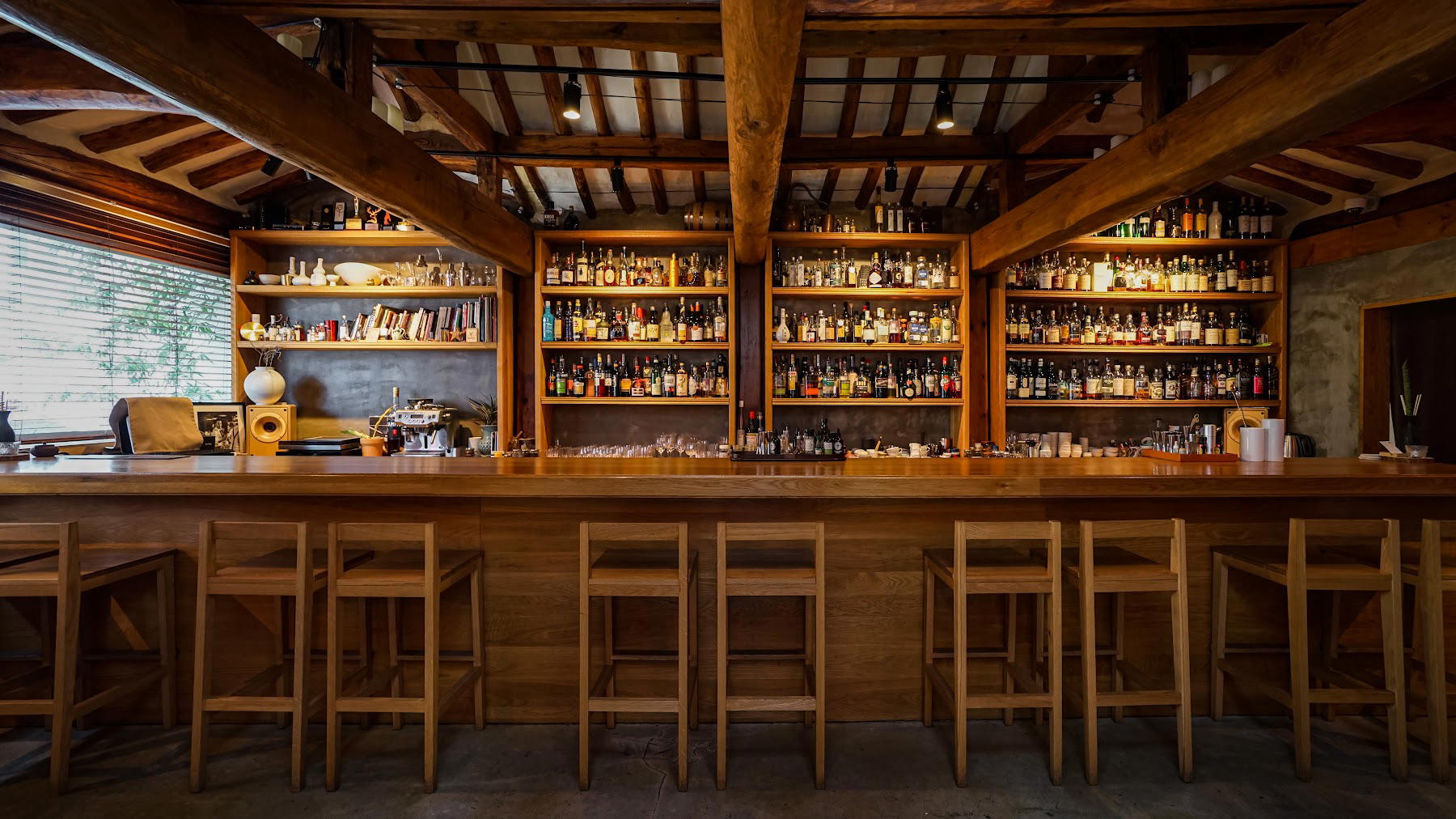
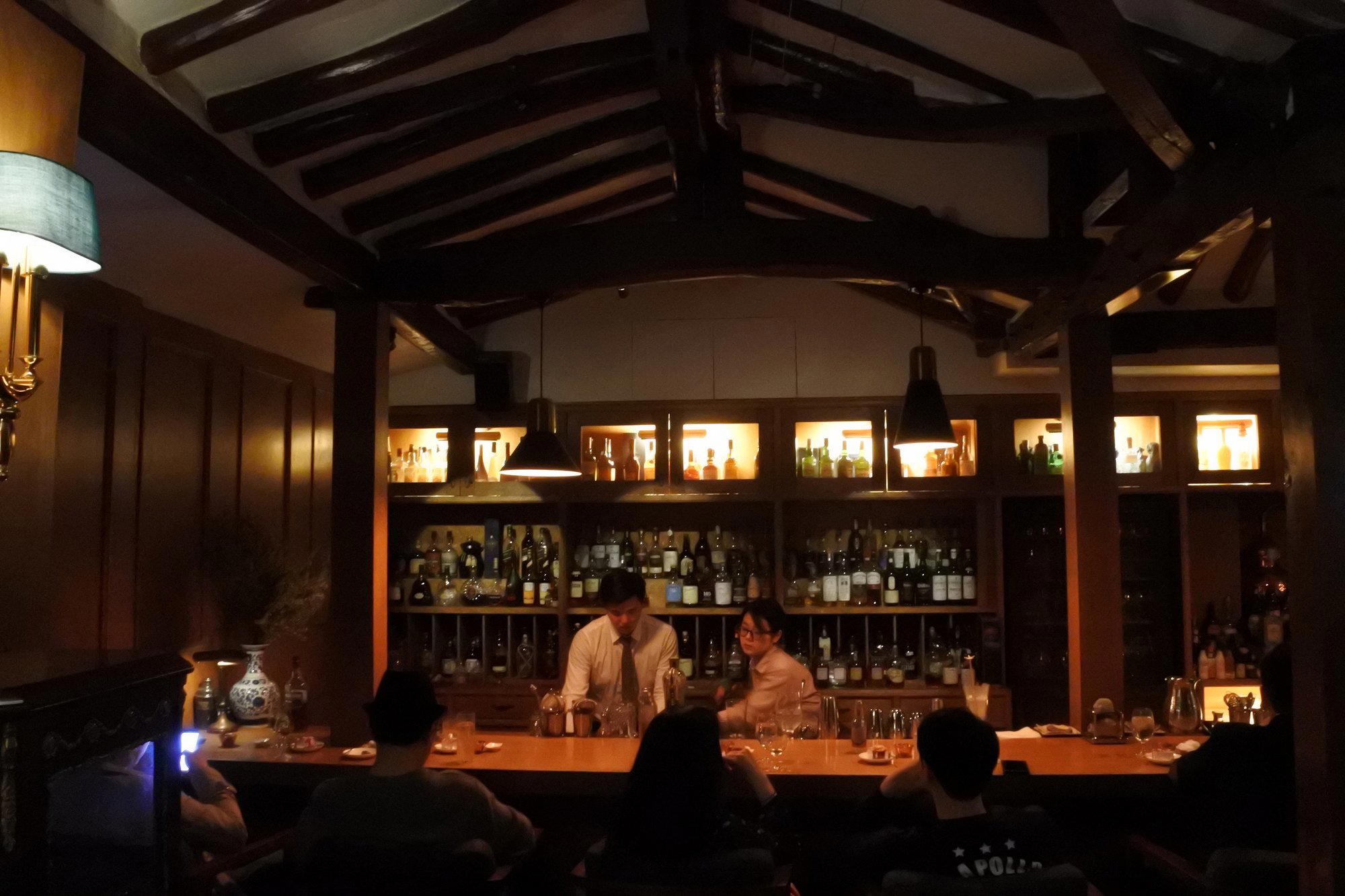
Warm, welcoming, and elegant with a focus on authentic Korean culinary heritage.
Know Before You Go
- Getting there
- 28 Dongsomun-ro 17-gil, Dongsomun-dong 6(yuk)-ga, Seongbuk District, Seoul, South Korea