MOYEON Korean Beef Dining
MOYEON Korean Beef Dining on Tojeong-ro in Mapo-gu serves Yukhoe, Grilled Sirloin, and Tenderloin in an upscale casual, conversational setting for lunch or dinner.
Pearl is the En Primeur Club membership app — saves, bookings, and concierge access live there. Same editors, same standards.
- Address
- 318 Tojeong-ro, Mapo-gu, Seoul, South Korea
- Phone
- +8227040770
- Website
- m.place.naver.com
- Directions
- Get directions
 Saves & bookings on Pearl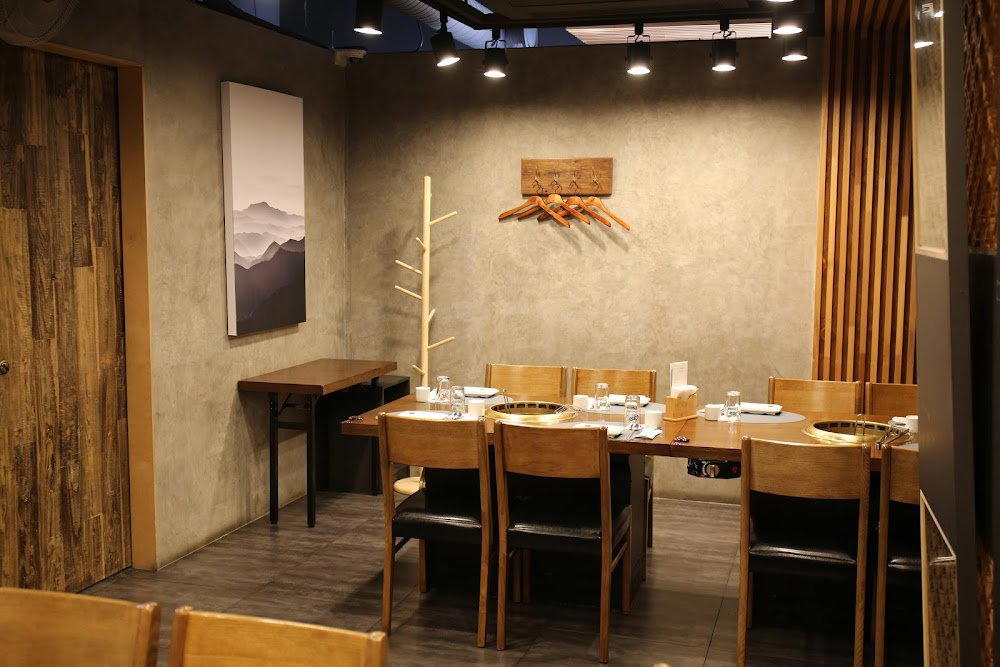
Mapo-gu and the Architecture of Korean Beef Dining
Mapo-gu sits west of the Han River's northern bank, a district that has shifted over the past decade from a commuter neighbourhood into one of Seoul's more considered dining corridors. The restaurants that have taken root here tend toward purpose-built formats rather than the dense, competitive clustering of Gangnam or Insadong. MOYEON Korean Beef Dining, at 318 Tojeong-ro, occupies that west-bank register: a dining room where the experience of premium Korean beef is the organising principle, and where the meal is structured as a sequence rather than a spread.
Premium beef dining in Seoul has evolved well beyond the tableside grill. At the higher end of the category, venues now distinguish themselves through sourcing specificity, cut progression, and the sequencing of textures across a meal. This positions them closer to the tasting-menu model practiced at Mingles and Jungsik than to the casual ssam-and-soju format that still defines most Korean barbecue. MOYEON sits inside that premium-sequential tier, where the question is not simply what is on the grill but in what order cuts arrive, how fat rendering and marbling levels shift through the meal, and what supporting dishes frame each stage.
The Tasting Progression: How a Korean Beef Meal is Built
The logic of a structured Korean beef meal mirrors, in some respects, the progression of a European tasting menu. Lighter, leaner cuts typically open the sequence — providing a clean reference point for the animal's base flavour before marbling and fat content increase through the main courses. At serious hanwoo-focused venues, this means distinguishing between cuts like chadolbaegi (thinly sliced brisket) and the richer, more intramuscular texture of ribeye or sirloin grades before arriving at the premium cuts that anchor the experience.
The supporting dishes in this format are not incidental. In Korean beef dining, banchan and broth courses function as palate resets between fatty cuts, a structural role that separates thoughtfully sequenced beef dining from the free-for-all of a standard barbecue table. Doenjang jjigae or clear bone broths often appear at the close of such meals, serving a digestive function that is both traditional and architecturally sound within the progression. Venues across Seoul's competitive fine-dining scene, from Kwonsooksoo to Soigné, have adopted this logic of sequencing as a way to distinguish themselves from lower-priced alternatives.
At MOYEON, this progression shapes how the meal is experienced across the table. The Tojeong-ro address places the restaurant in a quieter stretch of Mapo-gu, away from the noise that surrounds the major Han River crossings, which means the pacing of a meal here can unfold without the ambient pressure of high-turnover tables nearby.
Hanwoo in the Seoul Premium Tier
Hanwoo cattle, Korea's indigenous breed, carry protected geographic status and occupy the upper bracket of the domestic beef market by considerable distance. The premium hanwoo segment in Seoul now operates as a distinct competitive set, pricing against other quality-focused beef specialists rather than against general Korean barbecue. Comparable venues in terms of format and sourcing ambition include Gobojeong Galbi in Suwon and, at a different price register, Doosoogobang. Beyond Seoul, the standard shifts: Mori in Busan and the Dining Room in Busan operate in their own regional hierarchies, as do the grilled pork specialists of Jeju — 88돼지 and Black Pork BBQ in Seogwipo, where the protein and tradition differ significantly.
The broader Korean fine-dining scene has attracted international attention at venues like Atomix in New York City, which exports the hanwoo-influenced, hyper-seasonal Korean tasting format to an American audience. The culinary intelligence behind that format originates in Seoul's own high-end restaurants, making the city's premium beef specialists a reference point for how Korean produce can anchor serious dining.
For comparison in the fine-dining register, venues like alla prima and Soigné take an innovative approach to Korean ingredients within a tasting-menu structure. MOYEON's focus remains on beef as the central subject, a narrower and more specific editorial statement than those cross-genre formats.
Mapo-gu as a Dining Destination
The district around Tojeong-ro has a practical character that sets it apart from Seoul's more theatrically curated neighbourhoods. Mapo-gu's dining scene developed around resident demand rather than tourist traffic, which has the effect of keeping service focused and room design functional. The premium Korean beef venues that operate in this part of the city tend toward an atmosphere that is considered without being performative: solid materials, efficient ventilation for table-side grilling, and a pace that reflects local dining habits rather than international showcase expectations.
For visitors arriving from central Seoul, Mapo-gu is accessible via the line 5 and 6 subway connections, with Mapo or Gongdeok stations serving as the most practical entry points into the neighbourhood. The area sits roughly ten minutes by taxi from Hongdae and fifteen from central Myeongdong, making it a workable dinner destination without requiring significant cross-city travel. Reservations at premium beef specialists in this district, as across Seoul's fine-dining tier, are advisable well in advance, particularly for weekends and the month of Chuseok, when domestic dining demand intensifies sharply.
For those building a broader Seoul dining itinerary, our full Seoul restaurants guide maps the city's dining character across neighbourhoods and formats, from Michelin-recognised Korean tasting menus to the neighbourhood specialists that rarely appear in international coverage. Further afield, Hwangnam Bread and Busan Steamed Bun in Gyeongju and Gyeongju Wonjo Kongguk offer a contrasting register, traditional, deeply local, and operating at a different price point entirely. Badang Lounge in Jeju and Hinode in Seogwipo round out the regional picture for those extending a Korea trip beyond the capital. Internationally, the standards set by restaurants like Le Bernardin in New York City offer a useful comparison point for the kind of single-ingredient focus and tasting-progression discipline that Seoul's leading beef specialists apply to hanwoo.
How MOYEON Korean Beef Dining Seoul compares with similar nearby venues.
| Venue | Cuisine | Price |
|---|---|---|
| Mapo Ok | Seolleongtang | ₩ |
| Lee Buk Bang | Korean | ₩₩ |
| Sobajuu | Japanese | ₩₩ |
| Yukjeon Hoekwan | Bulgogi | ₩₩ |
Continue exploring
More in Seoul
Restaurants in Seoul
Browse all →
At a Glance
- Elegant
- Sophisticated
- Intimate
- Family
- Group Dining
- Special Occasion
- Private Dining
Current opening hours
- Monday
- Closed
- Tuesday
- 11:30 AM–3 PM, 5–9:50 PM
- Wednesday
- 11:30 AM–3 PM, 5–9:50 PM
- Thursday
- 11:30 AM–3 PM, 5–9:50 PM
- Friday
- 11:30 AM–3 PM, 5–9:50 PM
- Saturday
- 11:30 AM–3 PM, 5–9:30 PM
- Sunday
- Closed
Hours can change for holidays and private events. Last verified .
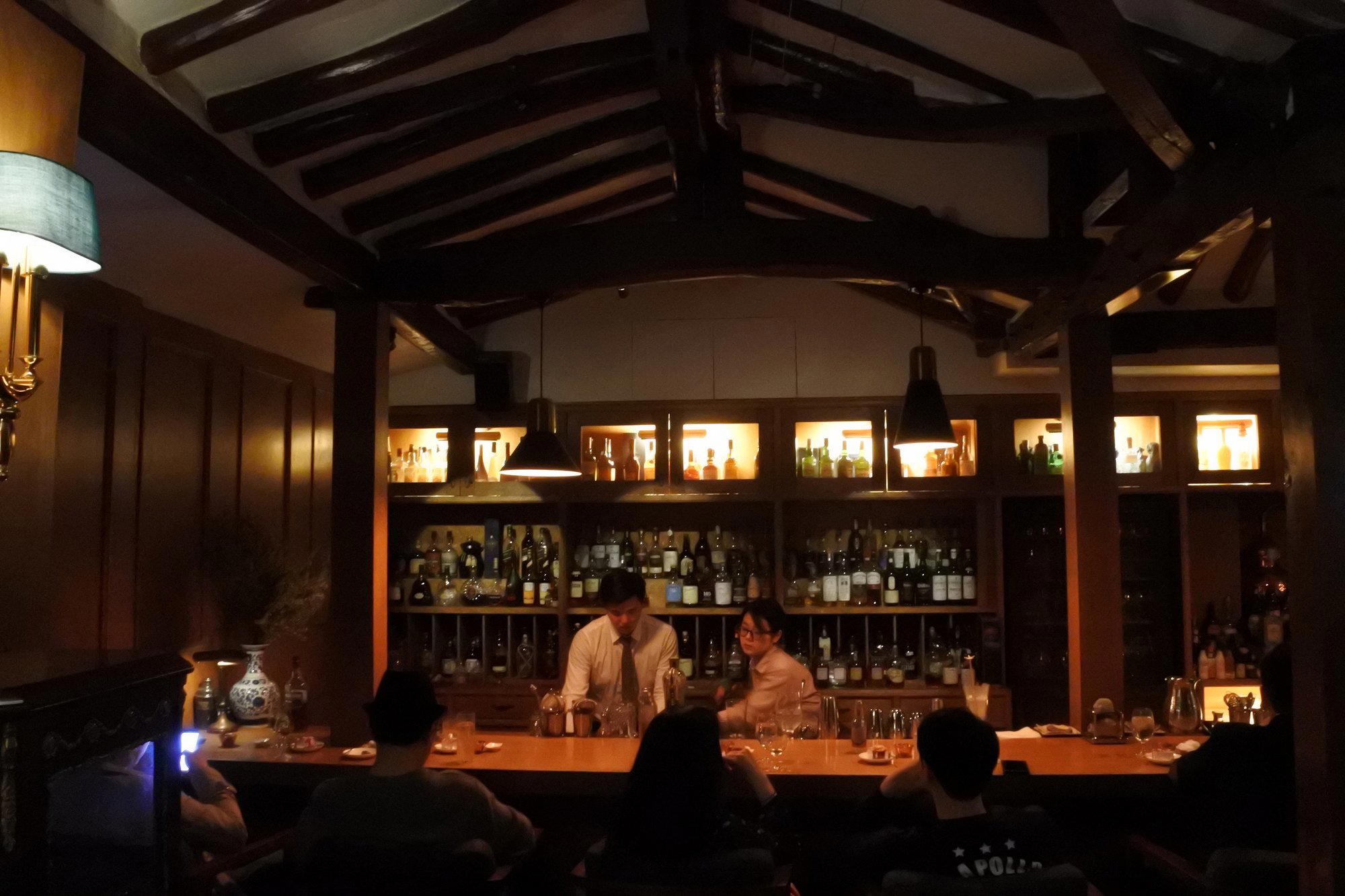
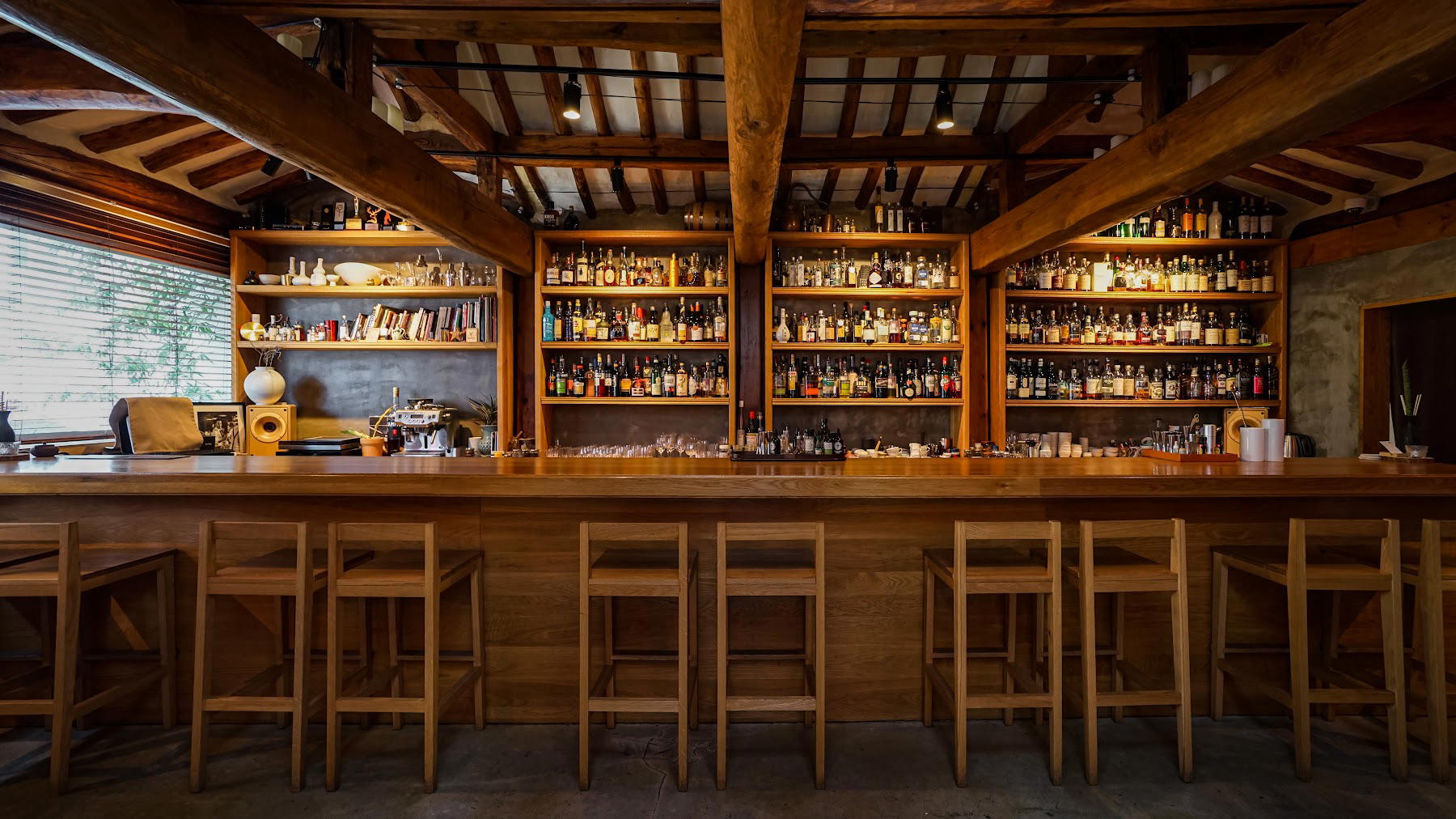
Elegant interiors with private room style for an intimate dining atmosphere.
Know Before You Go
- Getting there
- 318 Tojeong-ro, Mapo-gu, Seoul, South Korea