118-5 Banpo-dong
Located in Seoul's Seocho District, 118-5 Banpo-dong sits within a neighbourhood where Korean dining traditions meet considered modern approaches to sourcing and technique. The address places it among a tier of Seoul restaurants that prioritise provenance and seasonal produce over spectacle. For visitors building a serious Seoul itinerary, it belongs on the same shortlist as the city's more decorated addresses.
Pearl is the En Primeur Club membership app — saves, bookings, and concierge access live there. Same editors, same standards.
- Address
- 118-5 Banpo-dong, Seocho District, Seoul, South Korea
- Directions
- Get directions
 Saves & bookings on Pearl
Seocho District and the Quiet End of Seoul's Dining Map
The Seocho District occupies a particular position in Seoul's dining geography. South of the Han River, it operates at a remove from the concentrated restaurant corridors of Gangnam proper, which tends to produce a more considered, less trend-chasing dining culture. Banpo-dong, within Seocho, has accumulated a roster of addresses that reward repeat visits rather than Instagram tourism. The neighbourhood's residential character means that restaurants here tend to rely on a local clientele with specific expectations around ingredient quality and seasonal consistency, pressures that sharpen menus in ways that tourist-facing districts rarely demand.
118-5 Banpo-dong sits inside this context. The address itself, a specific lot number on a Banpo-dong side street, signals the kind of place that Seoul's more attentive diners locate through word of mouth rather than algorithm. In a city where the gap between a Michelin-decorated address and an overlooked neighbourhood room can be surprisingly narrow, Seocho's quieter streets have a history of closing that gap.
The Sourcing Framework That Defines This Corner of Korean Dining
Korean cuisine's relationship with ingredient provenance is among the most geographically precise of any major culinary tradition. Regional distinctions are not marketing copy: the salinity of kimchi varies measurably between Jeolla and Seoul styles, the breed and feed of Korean black pork from Jeju produces a different fat structure than mainland alternatives, and the seasonal window for certain banchan components is narrow enough that menus built around them change on a week-by-week basis rather than a seasonal one. Restaurants in the Seocho tier have historically anchored themselves to this logic, sourcing proteins, fermented staples, and produce from named suppliers and specific growing regions rather than wholesale markets.
This is what separates the Banpo-dong dining tier from the higher-volume Korean restaurant model that dominates more commercial Seoul neighbourhoods. The question worth asking of any address in this bracket is not whether the food is Korean in style, but whether the ingredients carry the provenance specificity that the tradition demands. At this level of the city's dining map, that specificity is a baseline expectation rather than a point of differentiation. For comparison, Seoul restaurants working this same sourcing logic at the decorated end of the spectrum include Mingles, which has built its reputation around Korean fermentation traditions applied to contemporary formats, and Kwonsooksoo, where heirloom Korean ingredients anchor a more classical structure.
Where 118-5 Banpo-dong Sits in Seoul's Broader Restaurant Tier
Seoul's restaurant market has stratified sharply over the past decade. At the upper end, Michelin-recognised addresses like Jungsik and innovative houses like Soigné and alla prima compete on a framework borrowed partly from the international fine dining circuit, with structured tasting menus, wine programmes, and booking windows that extend months ahead. Below that tier, but operating with comparable seriousness around sourcing and technique, sit neighbourhood-anchored rooms like those found in Banpo-dong.
The comparison set for an address at 118-5 Banpo-dong is not the Michelin counter or the trend-driven Itaewon natural wine bar. It is closer to the category occupied by Seoul's Korean-focused rooms where the format is less theatrical but the ingredient discipline is equally serious. Places like Kwonsooksoo and Onjium represent the most formally documented end of this spectrum; 118-5 Banpo-dong operates in the same intellectual neighbourhood without necessarily carrying the same public profile. That is not a criticism. In Seoul's dining culture, low public profile and serious local following frequently correlate.
For a wider picture of how this address fits into South Korea's broader regional dining scene, the contrast with addresses like Mori in Busan or the Jeju black pork tradition represented by 88돼지 in Jeju and Black Pork BBQ in Seogwipo is instructive. Seoul's Seocho tier occupies a different register: more urban, more refined in format, but drawing on the same national ingredient network that makes Korean regional dining one of the most geographically coherent food cultures in Asia.
Planning a Visit: What to Know Before You Go
Seocho District is accessible via Seoul Metro Line 3 and Line 9, with Express Bus Terminal station serving as the main interchange point for the Banpo area. Visitors building a multi-day Seoul itinerary around serious dining should treat Seocho as a half-day or evening destination rather than a quick stop, given its distance from the denser tourist corridors of central Seoul. The neighbourhood rewards the kind of unhurried approach that lets you eat at the restaurant's pace rather than to a schedule. For those building a full Seoul restaurant itinerary, our complete Seoul restaurants guide maps the city's dining districts and tier breakdowns in detail.
This is, in itself, a signal about the address: rooms that operate primarily on local reputation and repeat custom do not always maintain the kind of digital presence that makes booking from abroad direct. Visitors accustomed to the frictionless reservation systems of Seoul's more internationally oriented restaurants should adjust expectations accordingly. The comparison with how diners book at destinations like Atomix in New York or Le Bernardin makes the point clearly: this is a different operating model, built around a different relationship with its clientele.
Beyond Seocho, diners extending their trip across South Korea will find the regional dining circuit rewards serious planning. Notable addresses include Gobojeong Galbi in Suwon, Doosoogobang in the same city, and further afield, Hwangnam Bread and Busan Steamed Bun in Gyeongju, Gyeongju Wonjo Kongguk, Dining Room in Busan, Hinode in Seogwipo, and Badang Lounge in Jeju.
How 118-5 Banpo-dong Seoul compares with similar nearby venues.
| Venue | Cuisine | Price |
|---|---|---|
| Haenam Cheonilgwan | Korean | ₩₩₩ |
Continue exploring
More in Seoul
Restaurants in Seoul
Browse all →
At a Glance
- Lively
- Energetic
- Group Dining
- Family
- Casual Hangout
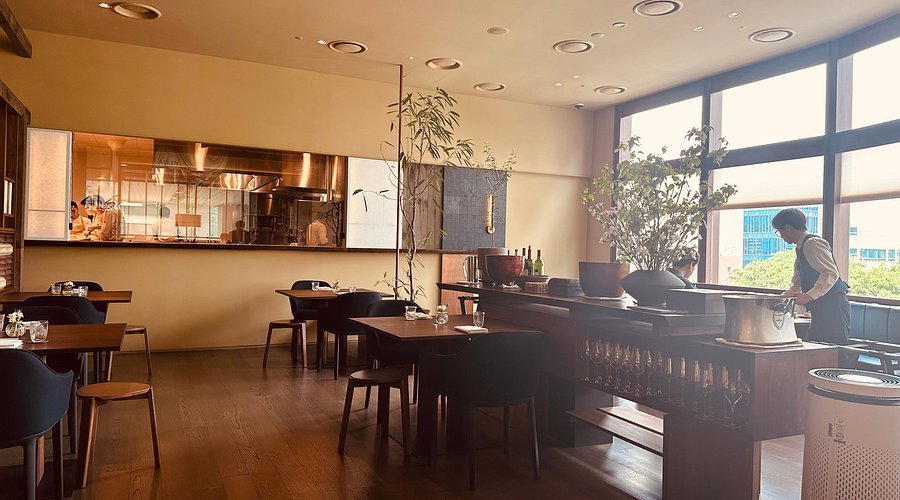
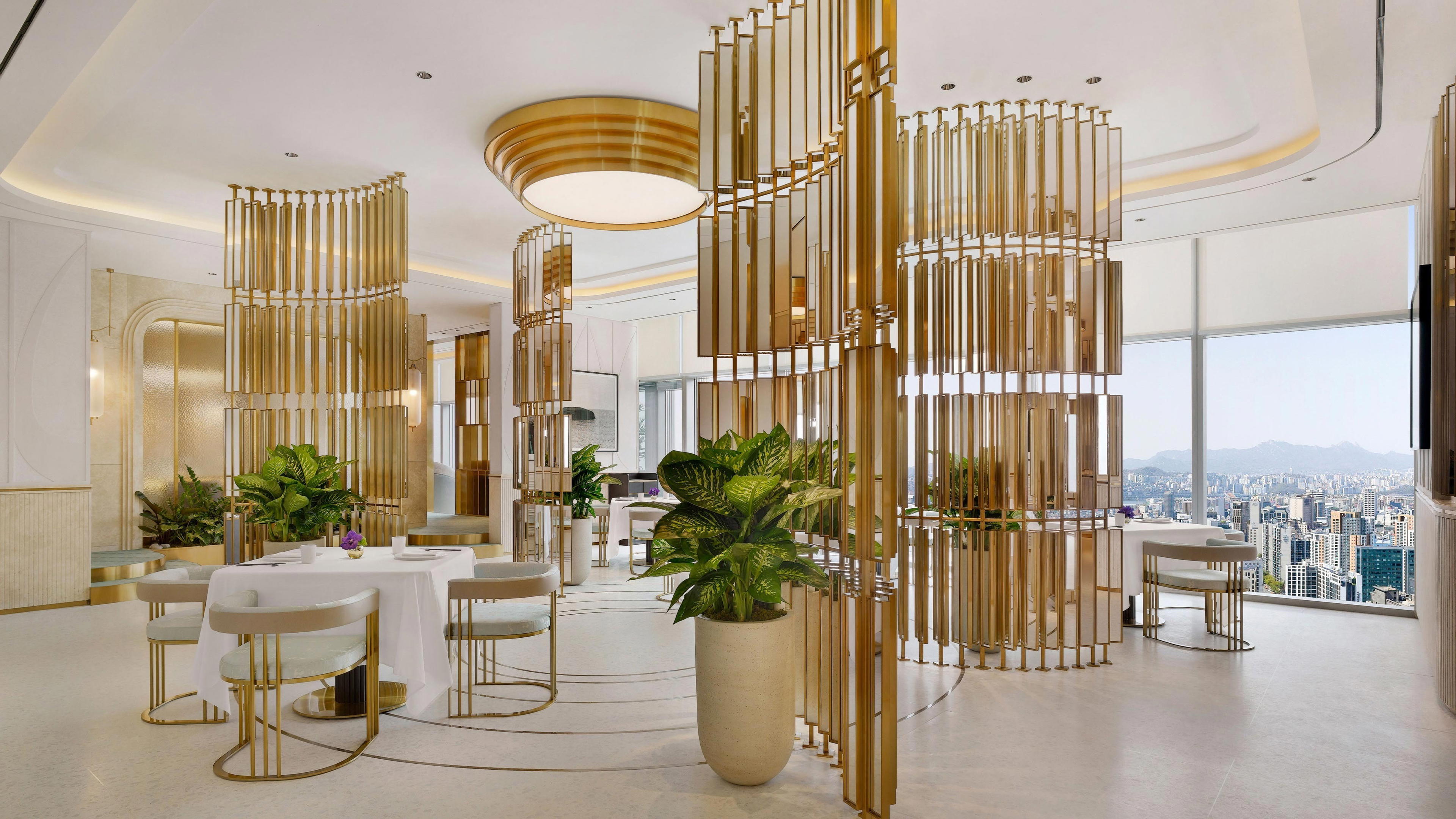
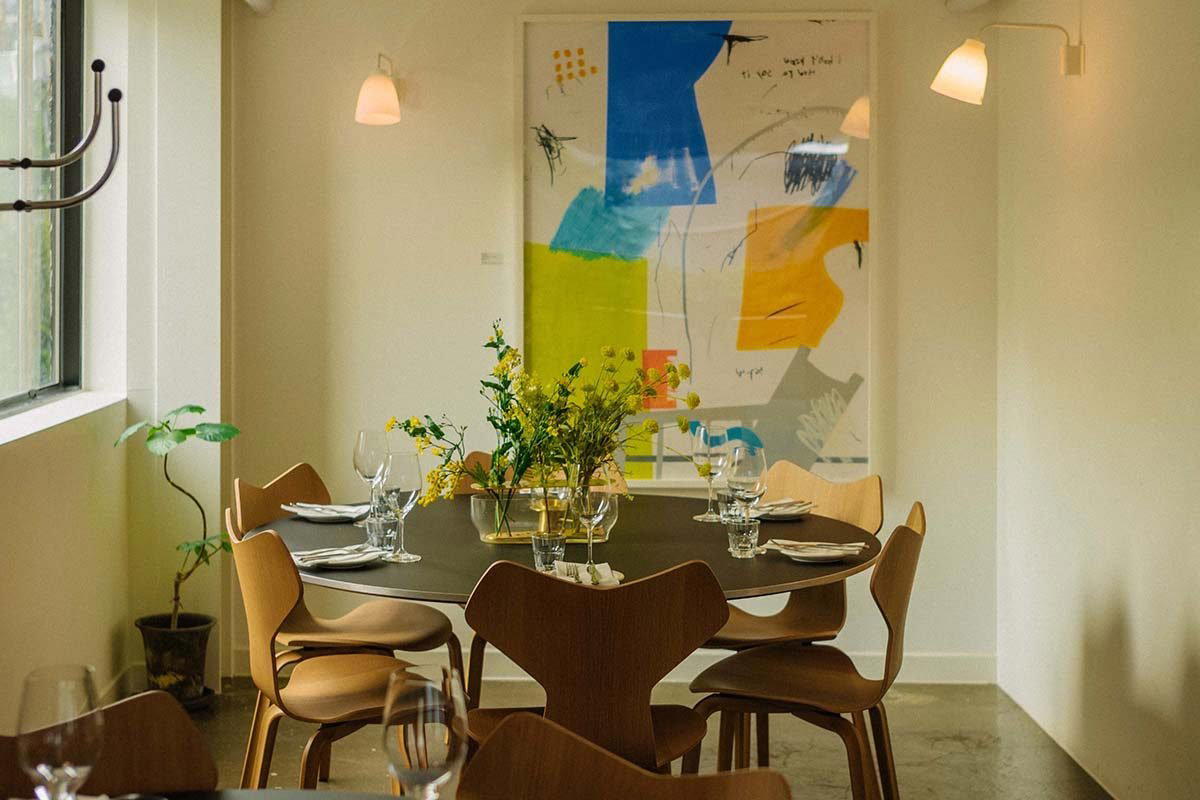
Casual, family-oriented buffet setting popular with South Korean families; unpretentious atmosphere focused on food variety rather than ambiance.
Know Before You Go
- Getting there
- 118-5 Banpo-dong, Seocho District, Seoul, South Korea