우텐더 (Wootender) (우텐더)
Wootender (우텐더) operates from Apgujeong-dong in Gangnam, one of Seoul's most concentrated zones for serious drinking and dining. The venue sits within a neighbourhood where bar programming has grown considerably more technical over the past decade, placing it in a competitive set defined by craft and intention rather than volume. Specific menu and operational details are limited in public records — advance contact is advised.
Pearl is the En Primeur Club membership app — saves, bookings, and concierge access live there. Same editors, same standards.
- Address
- 강남구 압구정로42길 25-10 (서울점), 압구정동, 강남구, 서울특별시, 06017
- Directions
- Get directions
 Saves & bookings on Pearl
Apgujeong After Dark: The Bar Scene That Grew Up
Gangnam's Apgujeong-dong has spent the better part of a decade shedding its reputation as a district defined by cosmetic clinics and high-end retail. What has taken shape alongside those familiar pillars is a drinking culture with considerably more technical ambition — one where the question of what's in the glass has become as considered as which label is on it. Wootender (우텐더), located on Apgujeong-ro 42-gil, sits inside that shift. The address alone places it in a neighbourhood where craft bar programming has moved from novelty to expectation.
Seoul's cocktail scene has undergone a structural change over the past several years. The city's most serious bar operators have moved away from the international-template approach — the speakeasy door, the theatrical smoke, the menu built around global trend imports, and toward programs that treat Korean ingredients, fermentation traditions, and seasonal produce as primary material rather than garnish. Wootender occupies a street and district where that evolution is most visible, and where the audience has developed the vocabulary to recognise the difference.
The Apgujeong Address and What It Signals
In Seoul's bar geography, Apgujeong-dong and the adjacent Cheongdam corridor function differently from Itaewon or Euljiro, where much of the city's more experimental drinking culture has historically concentrated. Apgujeong attracts a crowd with specific expectations: the environment tends toward the polished rather than the rough-edged, and operators in the district calibrate accordingly. This is not a neighbourhood where deliberately lo-fi or industrial aesthetics carry the room. What works here is control, over atmosphere, pacing, and presentation.
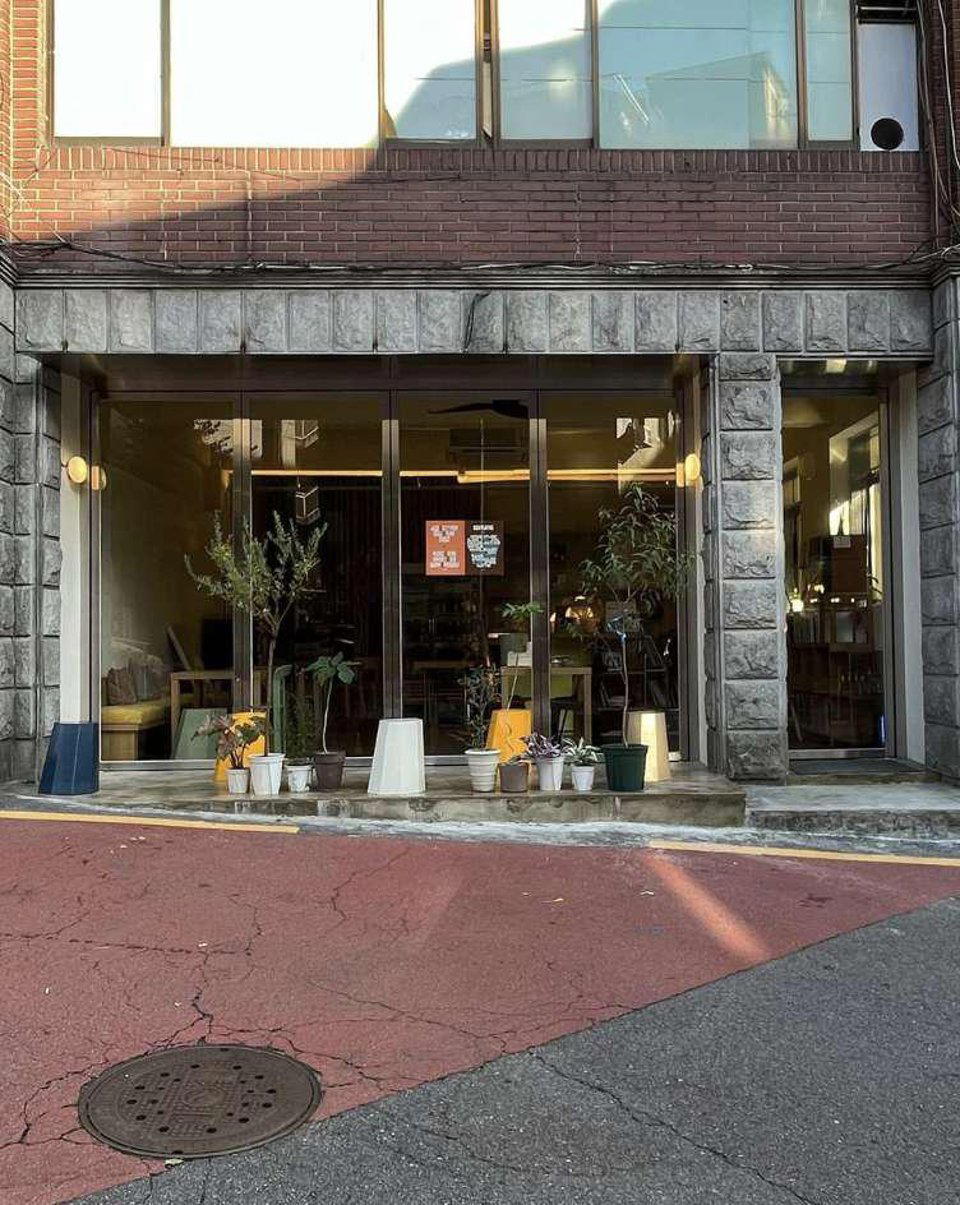
Wootender's position on a quieter side street off the main Apgujeong artery is consistent with how several of Seoul's more considered bar and dining concepts have chosen their real estate: close enough to the foot traffic and spending power of the main corridor, set back far enough to filter the audience. For venues where the experience depends on a certain quietude and attentiveness, the side-street address is a deliberate signal rather than a constraint. Similar positioning logic applies across Seoul's serious hospitality tier, from the dining rooms around Cheongdam to the bar counters that have emerged in the quieter pockets of Hannam-dong.
Seoul's Broader Bar and Hospitality Context
To understand where Wootender sits, it helps to map the larger terrain. Seoul's premium restaurant and bar scene has developed a dual structure: on one side, internationally recognised fine-dining operations like Mingles, Jungsik, Kwonsooksoo, and Soigné that have drawn Michelin recognition and international press; on the other, a growing tier of specialist venues, bars, natural wine rooms, omakase counters, that operate with high craft credentials but lower public profiles outside the city. Alla Prima represents another node in that innovative mid-tier, where format discipline matters as much as formal recognition.
Korean venues in this second tier often compete on the precision of their concept rather than on headline awards. The comparison set for a venue like Wootender isn't necessarily the Michelin-starred dining rooms, it's the other Apgujeong and Cheongdam operators whose programs are built around specific expertise, whether in spirits sourcing, cocktail technique, or the particular atmosphere their room is designed to produce. Venues like Zero Complex and 7th Door represent the kind of Korean-contemporary hybrid thinking that has become a credible category of its own in Seoul's premium hospitality circuit.
Sensory Register: What the District Produces
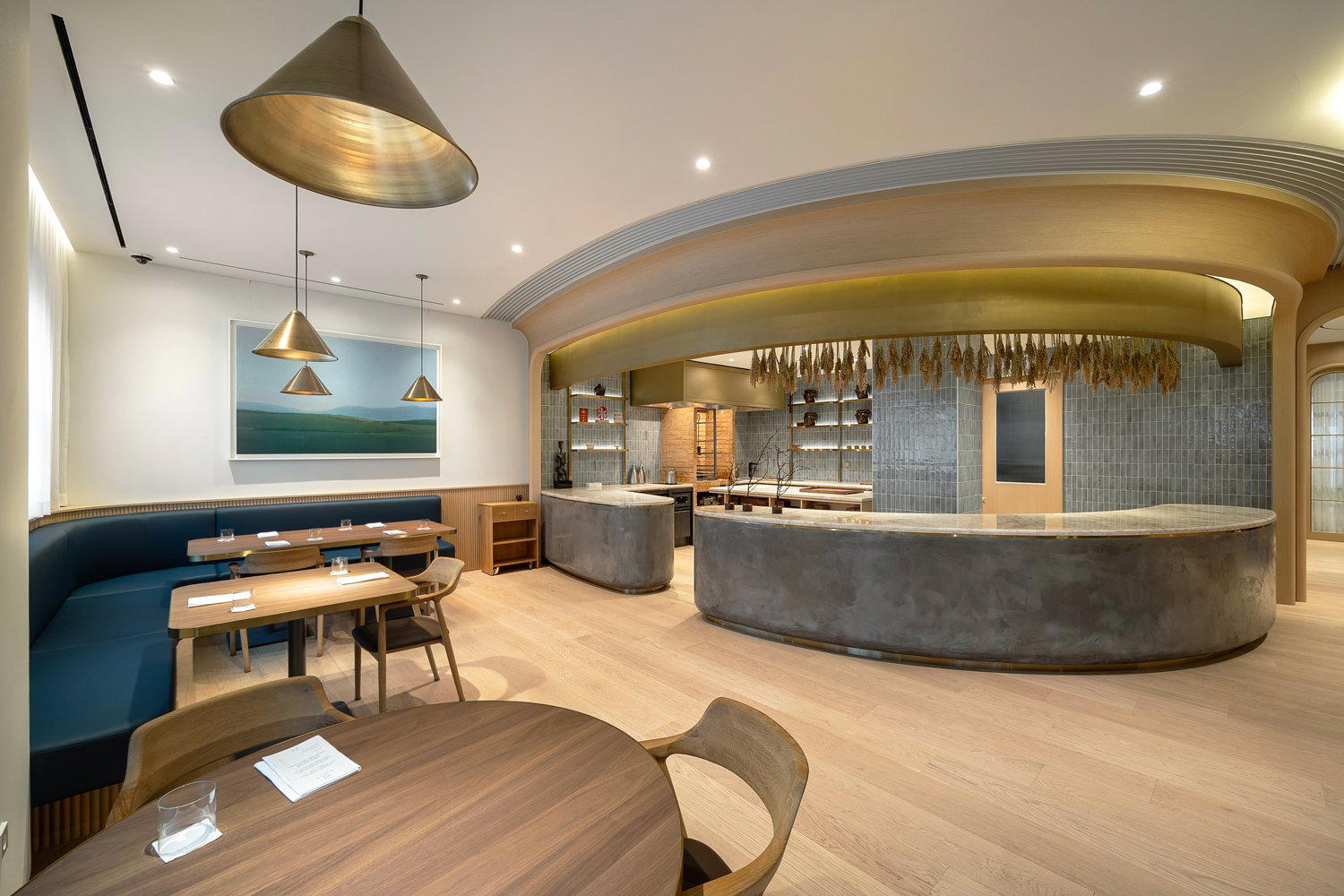
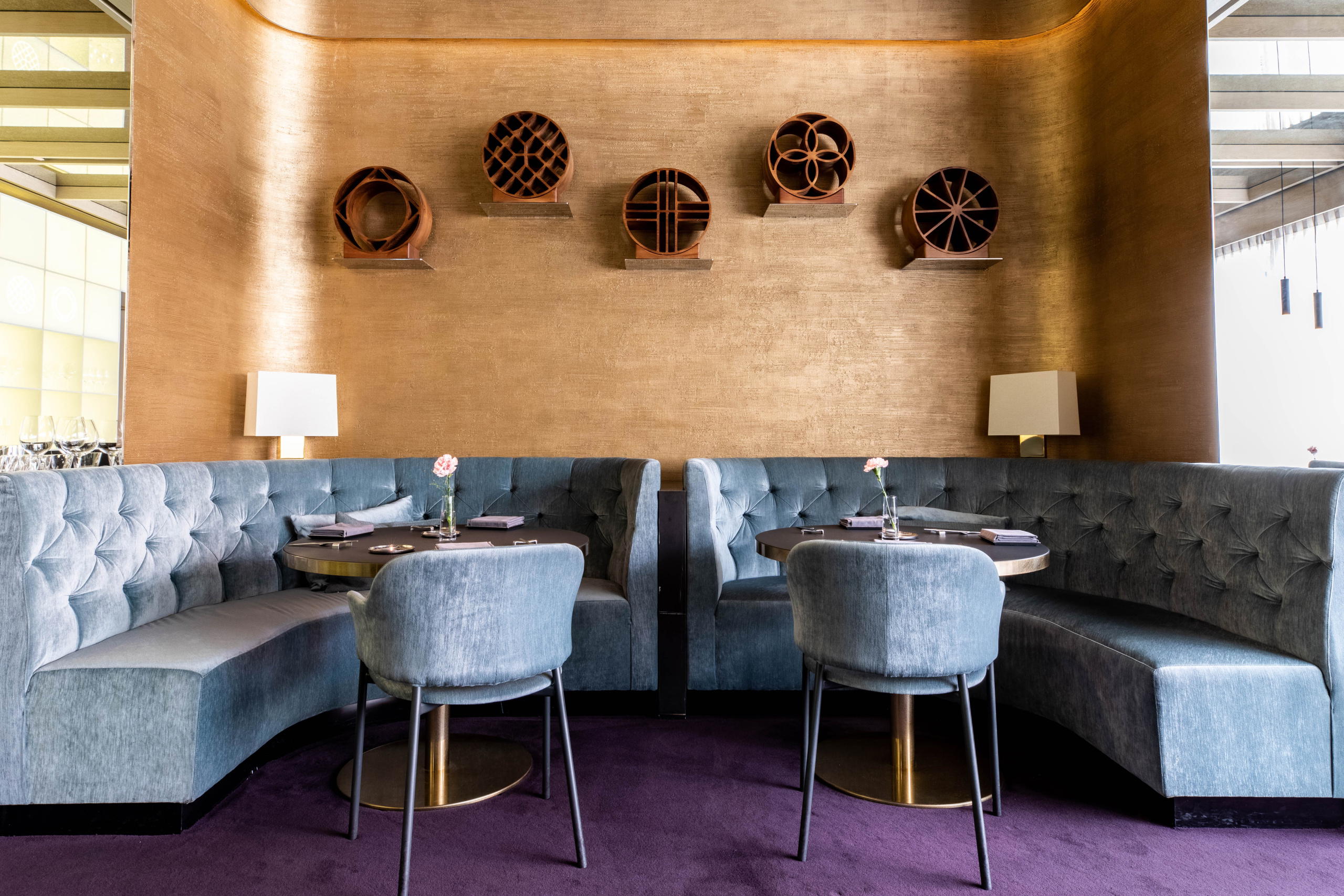
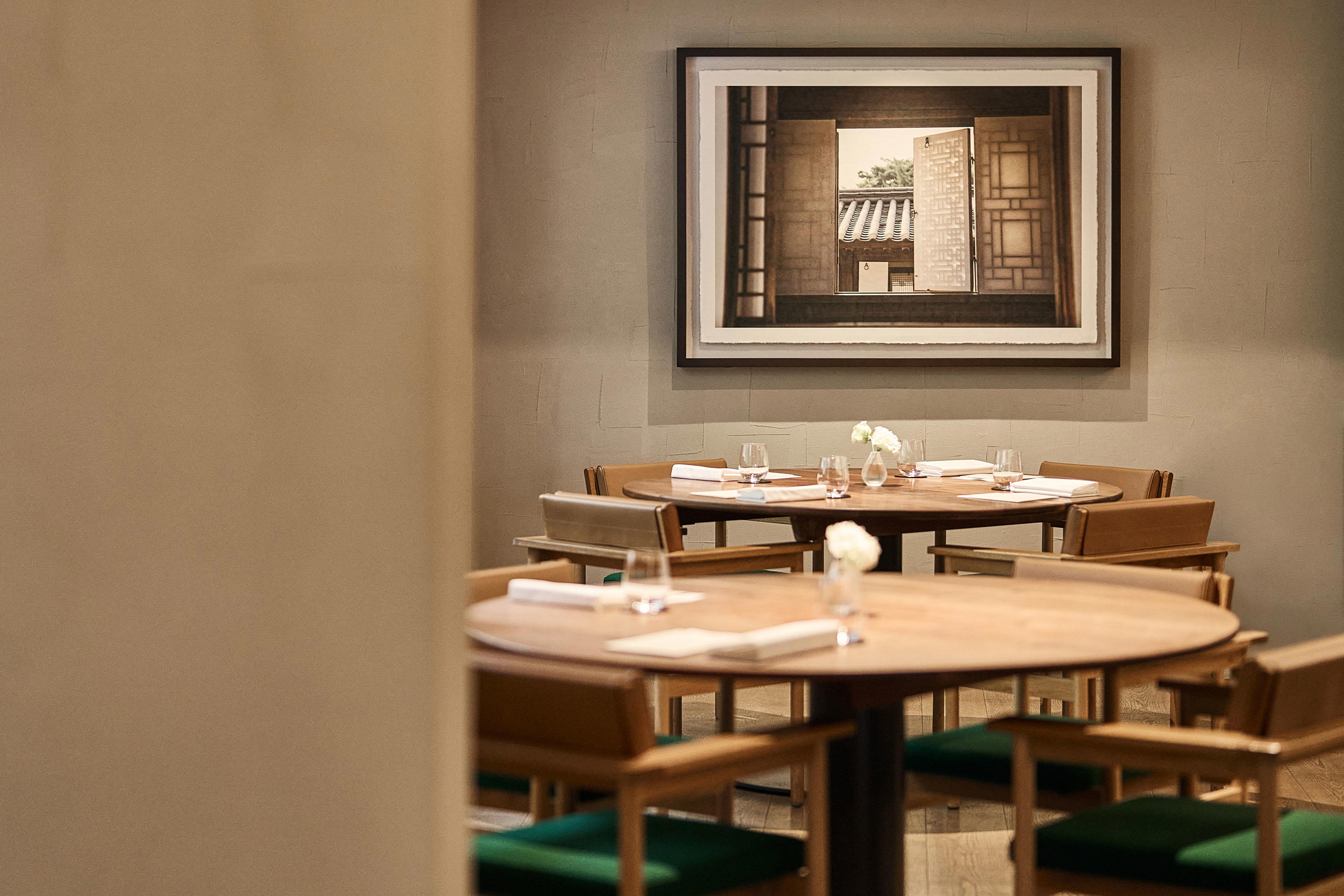
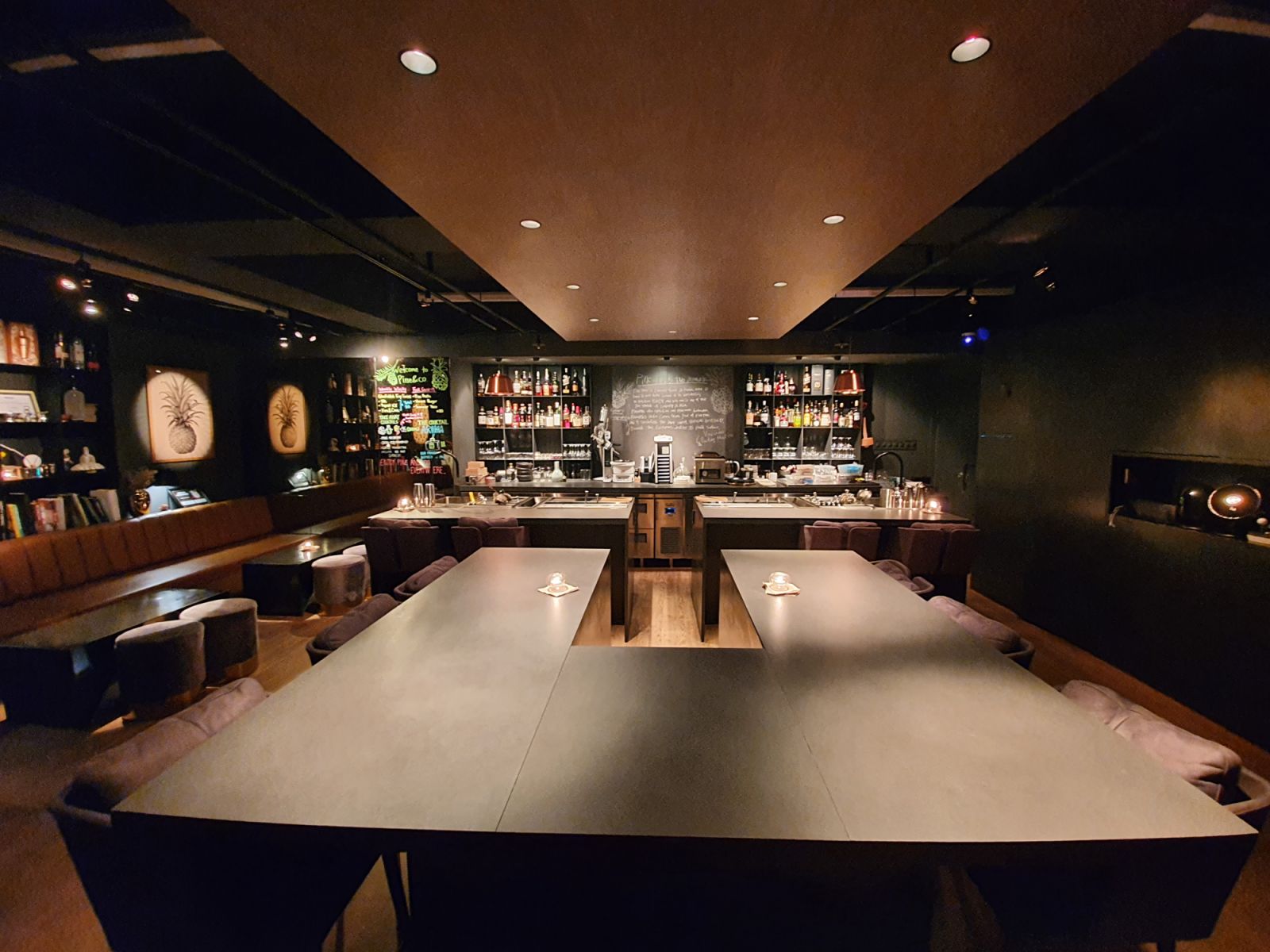
In any Apgujeong bar operating at a serious level, the sensory experience is as much architectural as it is flavour-driven. The district's venues tend toward materials that absorb rather than amplify, wood, concrete, leather, and lighting that narrows the visual field to the counter or the table in front of you. Sound levels in the better rooms here sit low enough that conversation doesn't require effort. These are not incidental choices; they are what separates a bar built for the experience of drinking from one built for the experience of being seen drinking.
Korean bar culture in this register has increasingly drawn on the country's fermentation heritage, makgeolli, soju derivations, traditional grain distillates, as foundation material for contemporary programs, rather than treating Western spirits as the default and Korean ingredients as the occasional flourish. The results, when executed well, produce drinks that read as coherent rather than hybrid, grounded in a flavour logic that makes sense on its own terms.
Korea Beyond Seoul: The Wider Circuit
For visitors building a broader Korea itinerary around serious eating and drinking, Seoul is the obvious anchor but not the only point of interest. Mori in Busan and the Dining Room in Busan represent the kind of considered hospitality that the country's second city has developed alongside its food-market reputation. Jeju has its own distinct circuit, from the focused BBQ culture at 88돼지 and Black Pork BBQ in Seogwipo to the more atmospheric Badang Lounge. Historic cities like Gyeongju reward slower investigation, with places like Hwangnam Bread and Gyeongju Wonjo Kongguk anchoring a food culture built on centuries of regional specificity. Suwon adds further depth through venues like Gobojeong Galbi and Doosoogobang, both oriented around the galbi tradition for which the city is known. Hinode (히노데) in Seogwipo rounds out the island's more refined end. See our full Seoul restaurants guide for a broader map of the capital's dining and drinking scene.
For international comparison, the trajectory Seoul's bar scene is following has some parallels with New York's movement from novelty-led programs toward sustained technical identity. Atomix in New York and Le Bernardin represent how a city's hospitality identity consolidates around discipline over time, a pattern Seoul is actively building toward on its own terms.
Know Before You Go
- Address: 압구정로42길 25-10, 압구정동, 강남구, Seoul 06017
- Neighbourhood: Apgujeong-dong, Gangnam
- Phone: Not publicly listed, check current sources before visiting
- Booking: Details not in public record; advance enquiry is strongly advised given the neighbourhood's demand levels
- Dress code: Not formally stated; Apgujeong norms skew toward smart-casual at minimum
Cost Snapshot
A compact comparison to help you place this venue among nearby peers.
| Venue | Cuisine | Price | Awards |
|---|---|---|---|
| 우텐더 (Wootender) (우텐더)This venue — the venue you are viewing | Not listed | Not listed | Not listed |
| 7th Door | Korean, Contemporary | ₩₩₩₩ | Michelin 1 Star |
| Eatanic Garden | Contemporary | ₩₩₩₩ | Michelin 1 Star |
| Onjium | Korean | ₩₩₩₩ | Michelin 1 Star |
| L'Amitié | French | ₩₩₩ | Michelin 1 Star |
| Zero Complex | Korean-French, Innovative | ₩₩₩₩ | Michelin 1 Star |
At a Glance
- Elegant
- Cozy
- Modern
- Intimate
- Sophisticated
- Date Night
- Special Occasion
- Business Dinner
- Private Dining
- Corkage Allowed
Current opening hours
- Monday
- 11:30 AM–10:30 PM
- Tuesday
- 11:30 AM–10:30 PM
- Wednesday
- 11:30 AM–10:30 PM
- Thursday
- 11:30 AM–10:30 PM
- Friday
- 11:30 AM–10:30 PM
- Saturday
- 11:30 AM–10:30 PM
- Sunday
- 11:30 AM–10:30 PM
Hours can change for holidays and private events. Last verified .
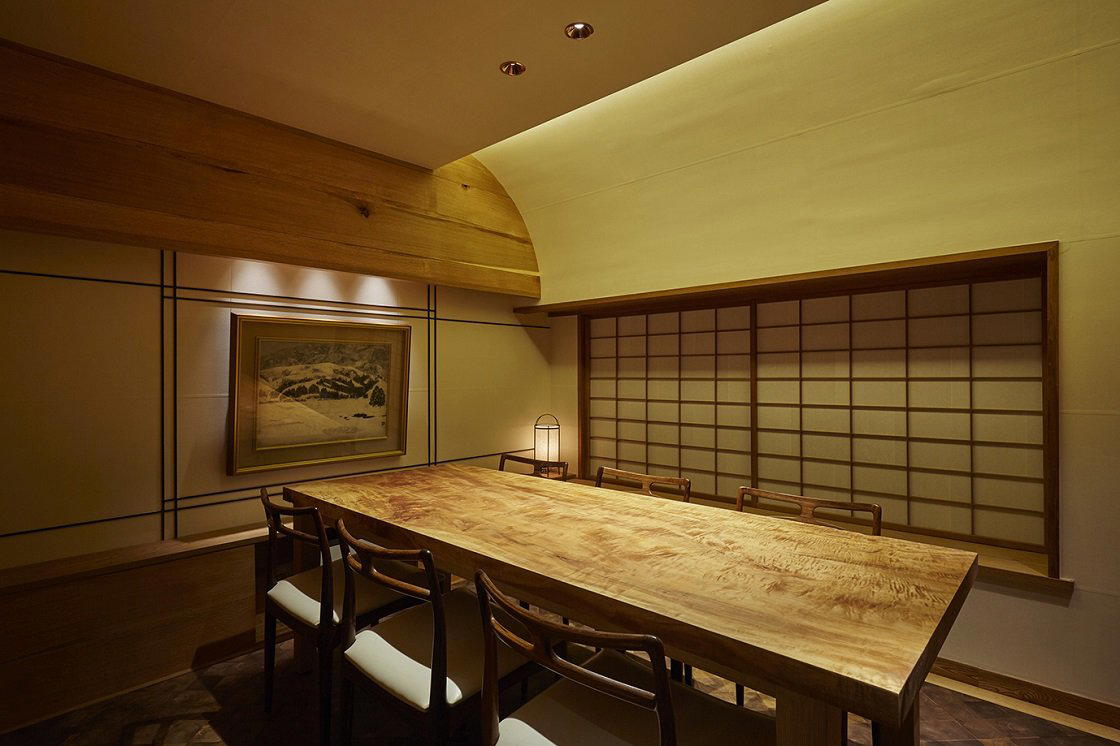
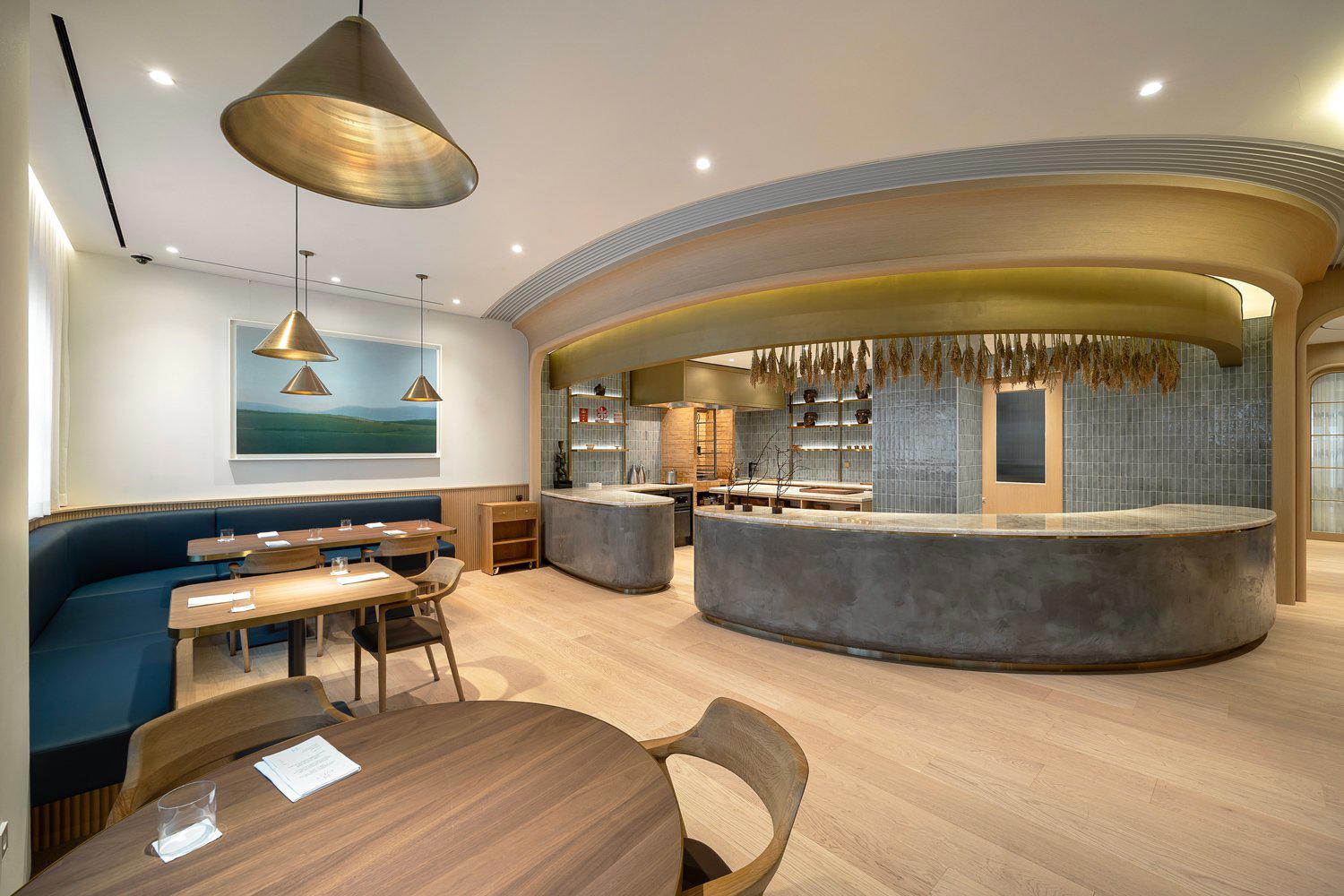
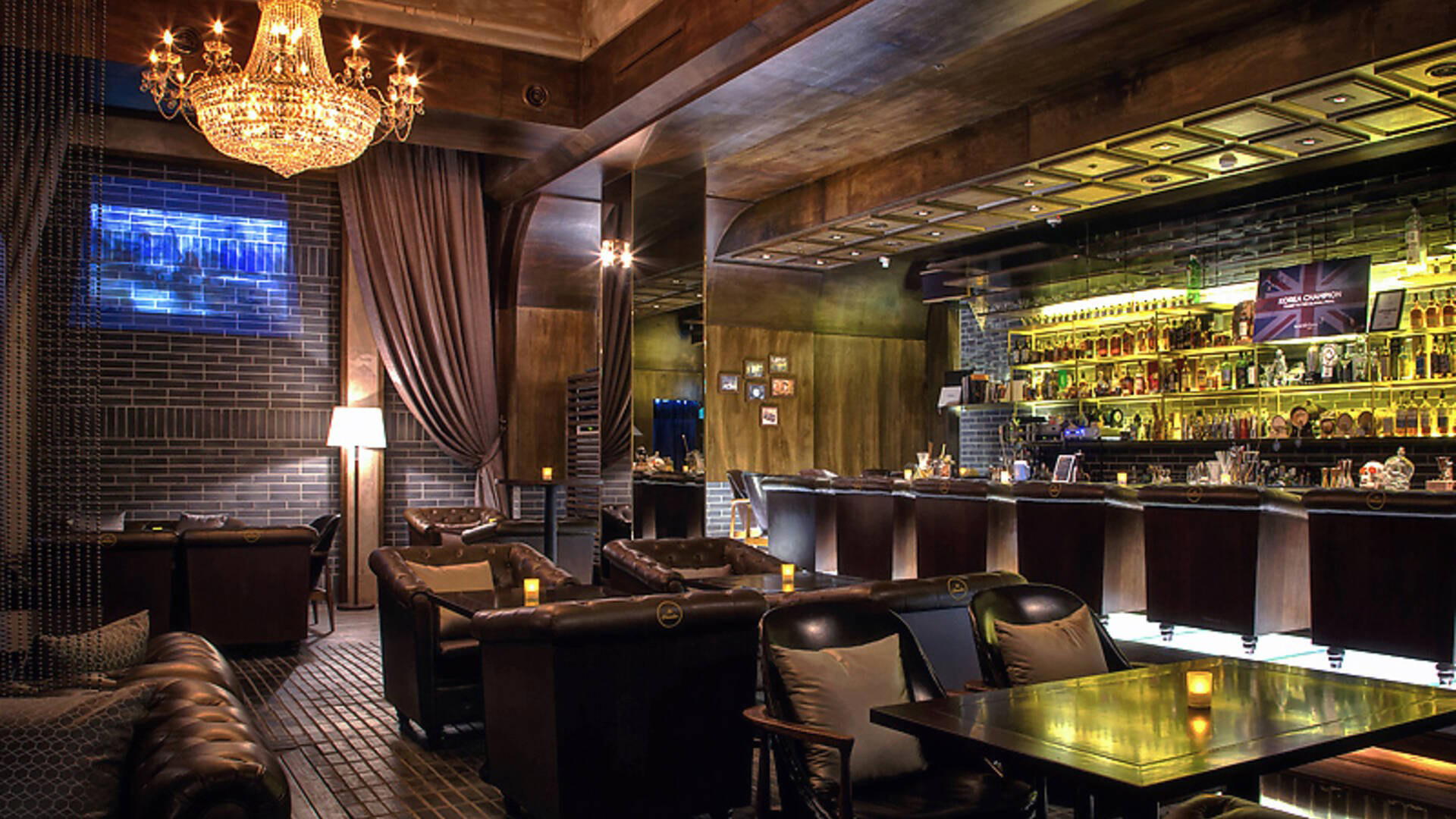
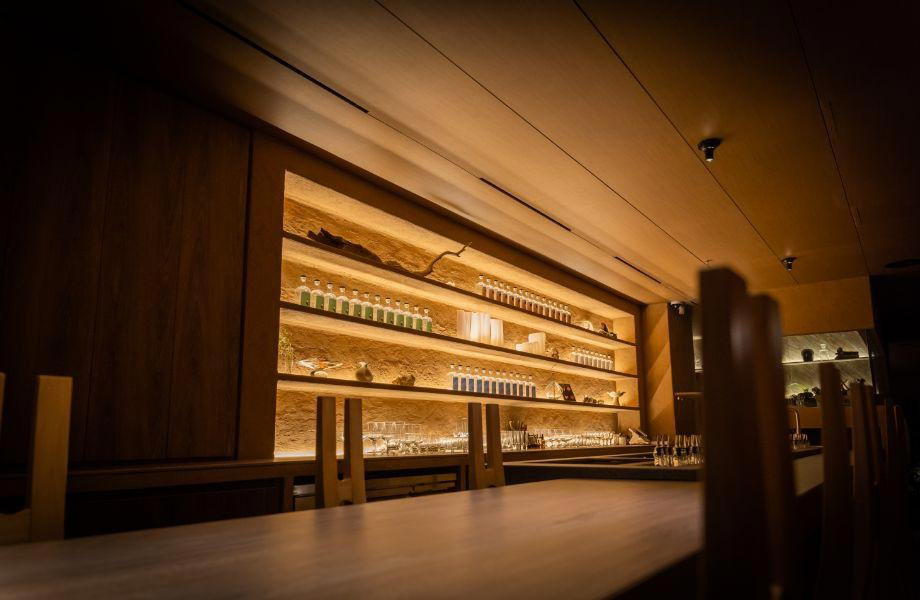
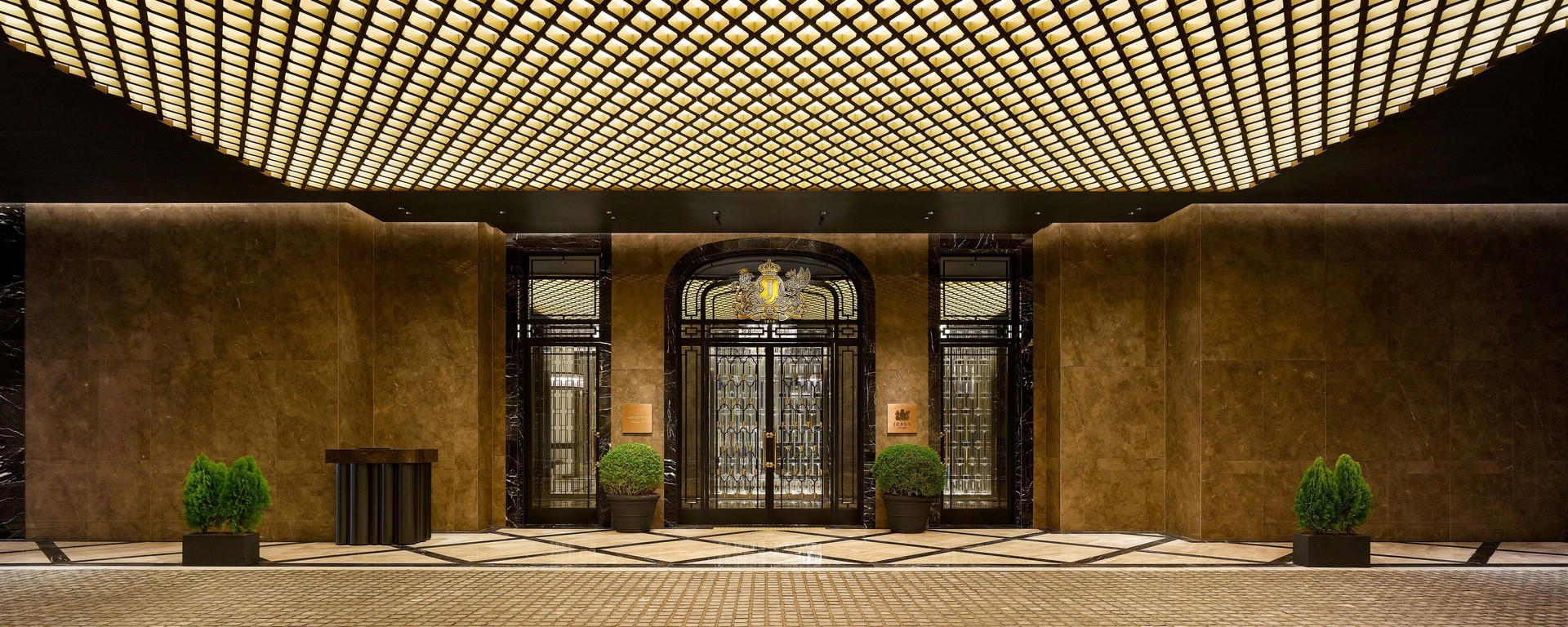
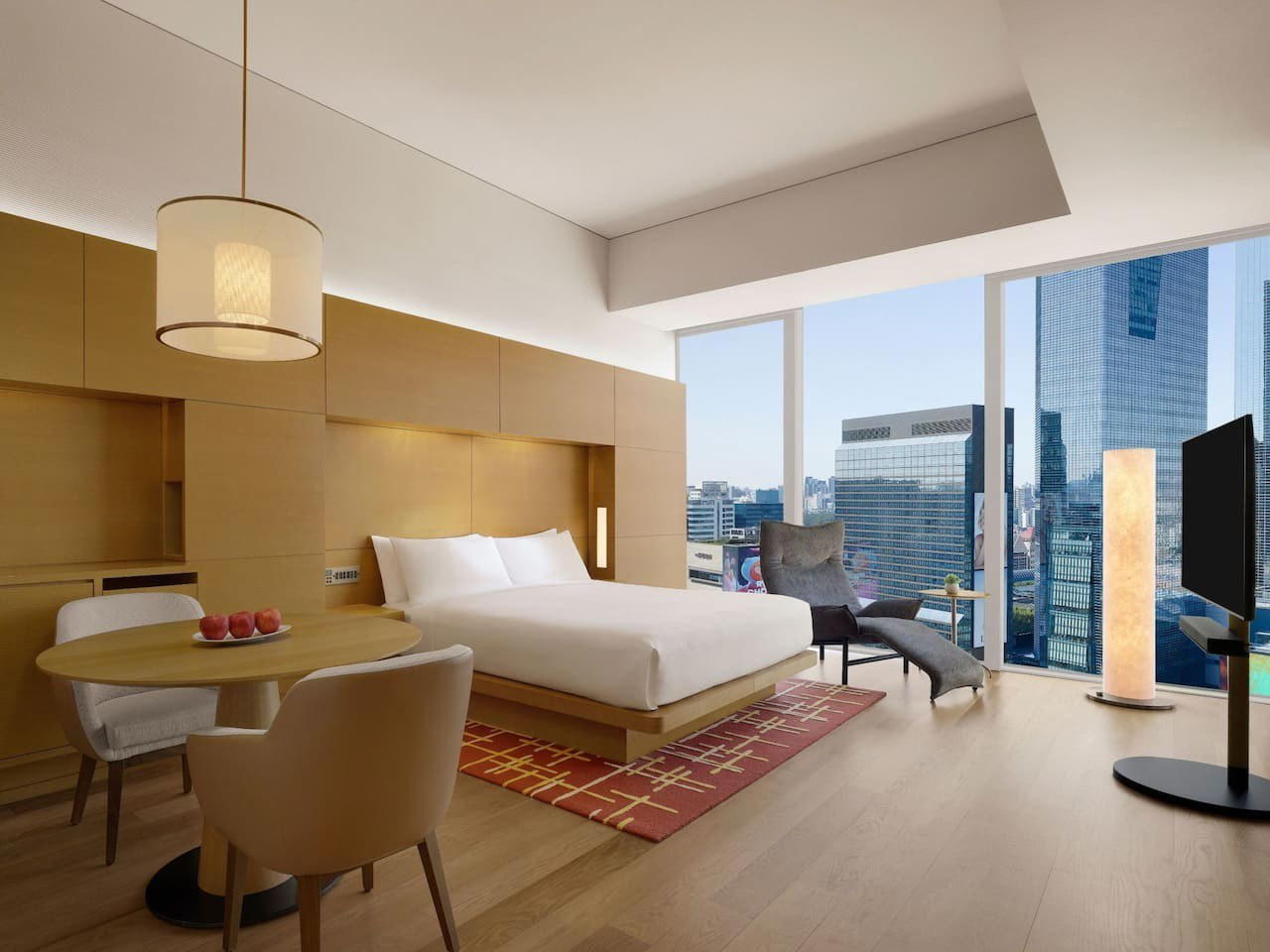
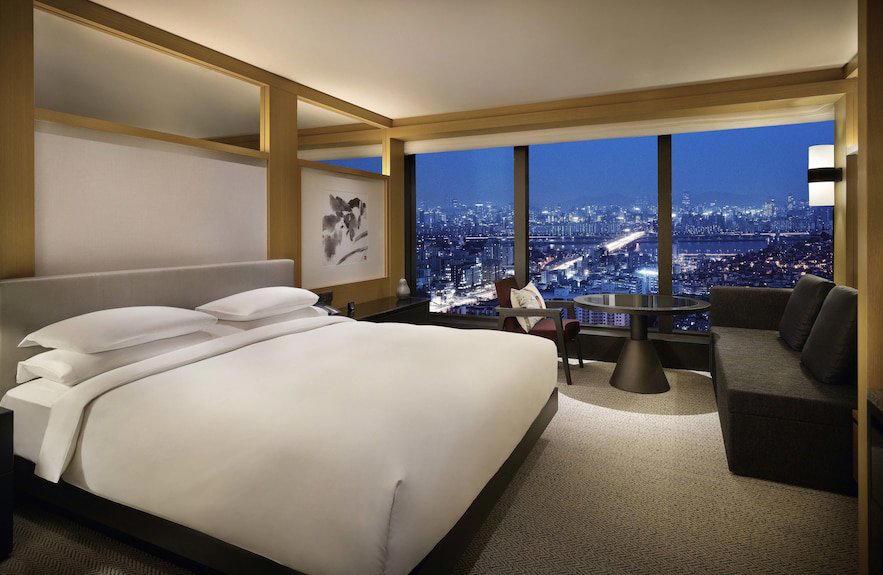
Warm wood materials with subtle, cozy lighting creating an intimate and elegant atmosphere.
Know Before You Go
- Getting there
- 강남구 압구정로42길 25-10 (서울점), 압구정동, 강남구, 서울특별시, 06017