
Michelin Plate
Our verdict
A Michelin Plate–recognised French restaurant in Setagaya's Daita neighbourhood, Songbook sits at the accessible end of Tokyo's French dining spectrum, a price point that separates it from the city's ¥¥¥¥ tasting-menu circuit while maintaining the kitchen discipline that earns annual Michelin recognition. It represents the neighbourhood French tradition that Tokyo does quietly well.

Pearl is the En Primeur Club membership app, where members save venues, book tables and use the concierge.
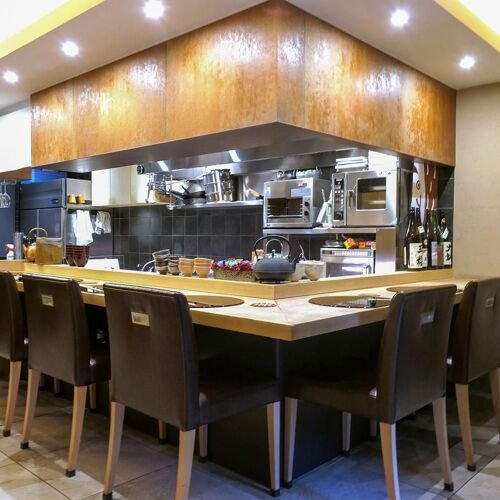
French Cooking in Tokyo's Residential Tier
Tokyo's French restaurant scene operates across a wide price and ambition range. At one end sit the destination tasting-menu houses L'Effervescence, Sézanne, ESqUISSE, Florilège, and the grand-tradition anchor of Château Restaurant Joël Robuchon, where multi-course formats, deep wine lists, and ¥¥¥¥ pricing define the experience. At the other end sits a quieter, less-discussed category: the neighbourhood French restaurant, operating at ¥¥ pricing, often in residential wards far from Ginza or Omotesando, where the cooking is disciplined enough to earn Michelin recognition but the room and the clientele belong firmly to the local community.
Songbook occupies that second tier. Located in Daita, a residential sub-district of Setagaya City, one of Tokyo's less tourist-trafficked wards, it holds a Michelin Plate for both 2024 and 2025. That consecutive recognition matters. The Michelin Plate is not a starred ranking, but it signals that inspectors found the cooking worth noting across two successive editions, which at ¥¥ pricing places Songbook in a small cohort of restaurants delivering value-indexed French cooking that the guide considers worth tracking.
The Brasserie Tradition and Its Tokyo Adaptation
The grand brasserie tradition in France is built on accessibility without compromise: serious technique applied to approachable formats, a room that works at lunch as well as dinner, and a price point that returns guests weekly rather than annually. That model transplants well to Tokyo, where neighbourhood French restaurants have long served a similar institutional function in the local dining culture. The city's relationship with French cuisine goes back decades, arguably deeper than any other non-European food culture, and the residential French bistro and brasserie-adjacent format is one expression of how thoroughly that influence embedded itself outside the fine-dining circuit.
What distinguishes the Tokyo neighbourhood French restaurant from its European counterpart is the kitchen's tendency toward precision that would be considered above its station elsewhere. The Michelin Plate recognition at Songbook is, in that context, less surprising than it might appear for a ¥¥ address. Tokyo's food culture holds kitchens to a consistency standard that applies regardless of price tier, and a restaurant earning consecutive Michelin notation in a mid-range format is doing something that the inspectors found repeatable and reliable, which, for a brasserie-tradition operation, is the point.
Daita and the Setagaya Dining Character
Setagaya is Tokyo's most populous ward, and its dining scene reflects that: largely local, varied in price and format, and largely absent from international radar. Daita sits within Setagaya's inner edge, close to Shimokitazawa, a neighbourhood known for its independent cultural venues and a dining culture that favours character over spectacle. French restaurants in this part of the city tend to serve the neighbourhood's residents rather than destination diners, which shapes everything from room size to menu ambition to the pacing of service.
That context matters for how Songbook fits into Tokyo's broader French restaurant map. The ¥¥¥¥ French houses of central Tokyo, see our full Tokyo restaurants guide for the wider picture, occupy a different city entirely in terms of audience and expectation. Songbook is not in conversation with that tier. It is in conversation with the neighbourhood itself, and its Michelin Plate standing suggests it is winning that conversation consistently.
For visitors who want to see how French cooking functions outside Tokyo's prestige addresses, the Shimokitazawa-Daita corridor offers a more honest cross-section than Minami-Aoyama. The areas also reward the kind of wandering between a meal and a drink or a cultural venue that makes an evening feel less constructed, a benefit of the neighbourhood's density of independent bars, for which our full Tokyo bars guide provides useful orientation.
It reflects a consistent guest experience rather than the polarising reactions that sometimes accompany more ambitious, high-risk tasting menus. At this price tier, that consistency is built on reliability, reliable sourcing, reliable technique, reliable service cadence, rather than on novelty or spectacle. That is the brasserie ethos applied to a Tokyo residential context.
Compared to other French restaurants in Japan at different price and ambition levels, HAJIME in Osaka at the starred end, or the French-influenced precision cooking found at places like akordu in Nara, Songbook operates without the weight of multi-course progression or destination expectations. It serves food that is recognisably French in technique and register, at a price that makes it a regular rather than an event. Within Japan's French restaurant ecosystem, that role has genuine value and a defined audience.
For those building a broader Japan itinerary around serious eating, Songbook represents the mid-tier anchor that balances higher-spend meals elsewhere. Pairing it with the kaiseki and Japanese traditions in other cities, Gion Sasaki in Kyoto, Goh in Fukuoka, or 1000 in Yokohama, creates a more complete picture of Japanese fine and neighbourhood dining than a Tokyo-only, prestige-only itinerary would. Further afield, 6 in Okinawa represents a very different register again. For those tracking the French fine-dining tradition internationally, Hotel de Ville Crissier in Switzerland and Les Amis in Singapore provide useful reference points for how the French tradition travels at its most formal end.
Planning Your Visit
Songbook is located at 5 Chome-10-7 101 Nakahara-sou, Daita, Setagaya City, Tokyo. The nearest access point is the Shimokitazawa station area, served by the Odakyu and Keio Inokashira lines. Budget: ¥¥ pricing places this firmly in the accessible tier, expect to spend considerably less per head than at Tokyo's starred French addresses. Reservations: Dress: Awards: Michelin Plate 2024 and 2025. Guest rating:
For broader Tokyo planning, see our guides to Tokyo hotels, Tokyo wineries, and Tokyo experiences to build out the full visit.
Frequently asked questions
What's the signature dish at Songbook?
Given its French cuisine positioning at ¥¥ pricing in a residential Tokyo neighbourhood, the menu is likely to reflect brasserie-tradition cooking, technique-led, seasonal, and accessible in format, rather than a single marquee dish. For current menu details, contacting the restaurant directly is the most reliable approach.
At a Glance
| Venue | Cuisine | Price | Awards | Notes |
|---|---|---|---|---|
| songbookThis venue (the venue you are viewing) | Wood-fired Italian-Asian Fusion Pizza | $50–100 | Michelin Plate | Not listed |
| Harutaka | Edo-Style Omakase Sushi | $200–300 | 3 Michelin Stars · World's 50 Best #76 | Sushi |
| RyuGin | Modern Kaiseki | $500+ | 3 Michelin Stars · World's 50 Best #41 | Kaiseki, Japanese |
| L'Effervescence | Modern French with Japanese Influences | $200–300 | 3 Michelin Stars · World's 50 Best #69 | French |
| HOMMAGE | Modern French with Japanese Influences | $150–200 | 2 Michelin Stars · World's 50 Best #78 | Innovtive French, French |
| MAZ | Innovative Peruvian-Japanese Fusion | $150–200 | 2 Michelin Stars · World's 50 Best #28 | Innovative |
Recognition history
Dated appearances from independent guides and award organizations, with the underlying list record or original source where available.
Michelin Plate
Michelin
Full recognition history (2 entries)
Michelin Plate
Michelin
Continue exploring
More in Tokyo
Restaurants in Tokyo
All restaurants in Tokyo →



Bars in Tokyo
All bars in Tokyo →






Details
- Cozy
- Modern
- Intimate
- Trendy
- Date Night
- Casual Hangout
- Open Kitchen
- Natural Wine
- Sake Program
- Local Sourcing
- A La Carte
- Counter Dining
- Natural Wine
Current opening hours
- Monday
- 12–2:30 PM, 5–10 PM
- Tuesday
- 12–2:30 PM, 5–10 PM
- Wednesday
- Closed
- Thursday
- 12–2:30 PM, 5–10 PM
- Friday
- 12–2:30 PM, 5–10 PM
- Saturday
- 12–2:30 PM, 5–10 PM
- Sunday
- 12–2:30 PM, 5–10 PM
Hours can change for holidays and private events. Hours as of .
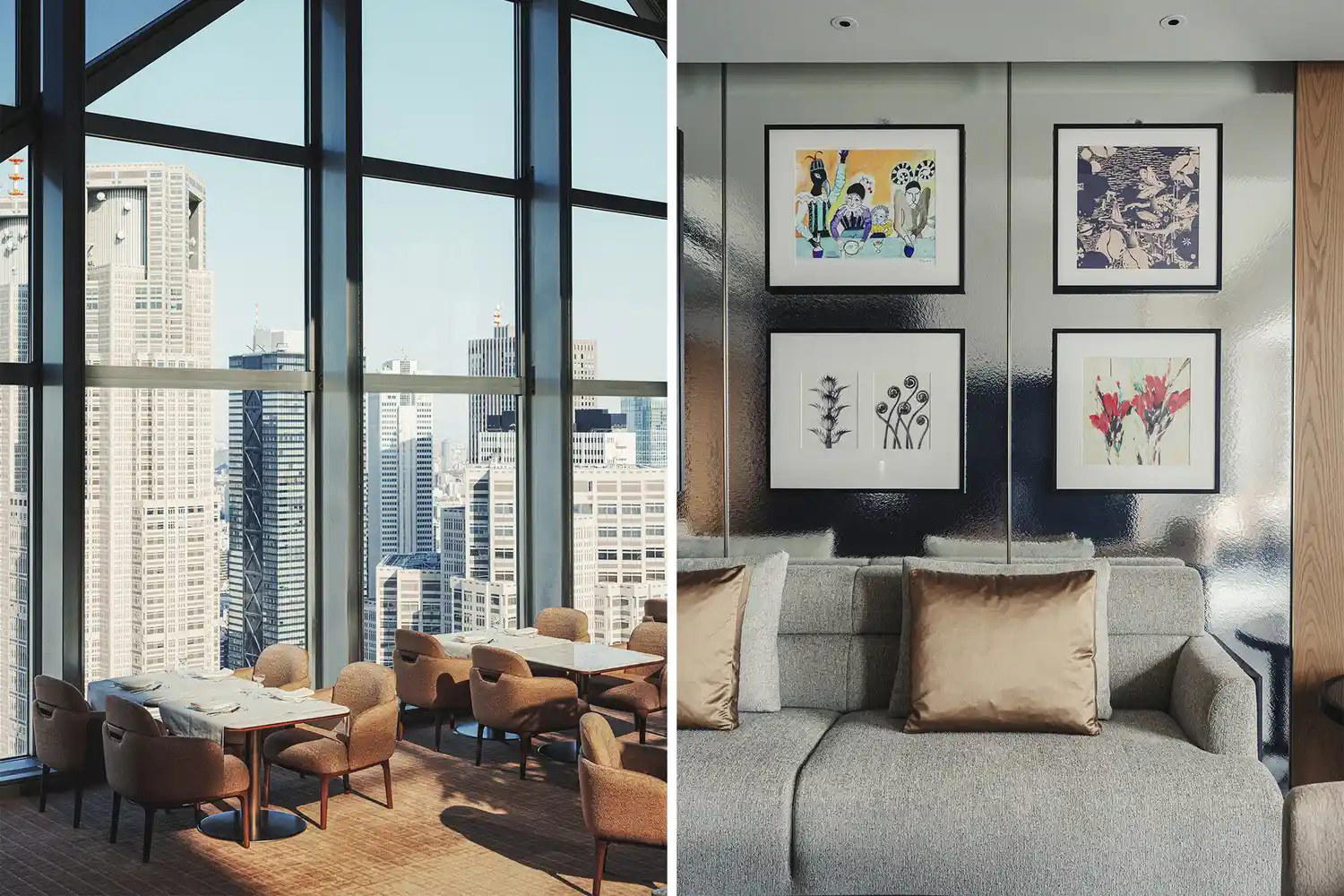
Chic interior with flickering wood-fired flames, comfortable sound space enjoyable for all ages, enhanced by chef-selected Western music from vinyl records.