
MUDAN JIANG belongs to Tokyo’s small-format Chinese-izakaya tier, where regulars look for sharp cooking, flexible drinking, and a room built for repeat use rather than ceremony. Its 2026 Tabelog Chinese TOKYO 100 selection, 20-seat scale, counter seating, and fish-focused cooking place it in a more personal bracket than larger banquet-style Chinese dining in the city.
Pearl is the En Primeur Club membership app — saves, bookings, and concierge access live there. Same editors, same standards.
- Address
- Japan, 〒104-0042 Tokyo, Chuo City, Irifune, 1 Chome−5−1 水車
- Phone
- +81 3-6280-3575
- Website
- facebook.com
 Saves & bookings on Pearl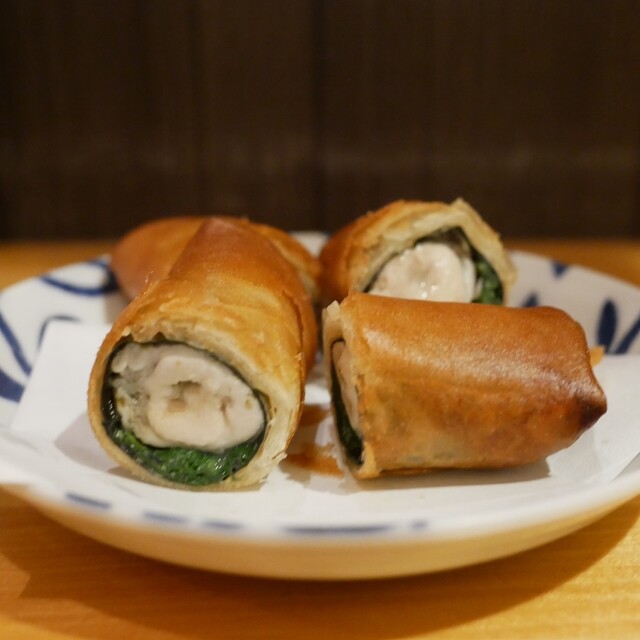
In Irifune, the approach is working-Tokyo understatement rather than Ginza theatre: narrow streets, office blocks, and the practical glow of restaurants after dark. That setting matters. Tokyo Chinese dining often splits between polished hotel rooms, specialist regional counters, and neighborhood drinking houses where the food carries more ambition than the room announces. MUDAN JIANG sits in the last camp, a compact Chinese-and-izakaya hybrid: come for dishes that carry wine, shochu, or cocktails, stay because the format does not require a formal tasting-menu evening.
The 2026 Tabelog Chinese TOKYO 100 selection gives the restaurant a useful credential, but scale is the sharper signal. Twenty seats, including counter seating, change the rhythm of a Chinese meal. Instead of banquet-style large-table cadence, the room encourages smaller decisions, repeat visits, and incremental familiarity. Tokyo excels at serious cooking in rooms that behave like neighborhood restaurants. For travelers comparing citywide options, Our full Tokyo restaurants guide helps separate formal destination dining from tighter, more local formats.
Chinese cooking filtered through Tokyo's drinking-house discipline
The Chinese-and-izakaya listing is not incidental. In Tokyo, that combination usually means ordering in waves rather than surrendering to a fixed procession. Regulars value not only a headline plate, but a kitchen that moves between appetite, alcohol, and pace without turning dinner into a production. The fish emphasis sharpens the identity, moving it away from heavier images of Chinese dining and closer to the city’s modern, ingredient-attentive drinking culture.
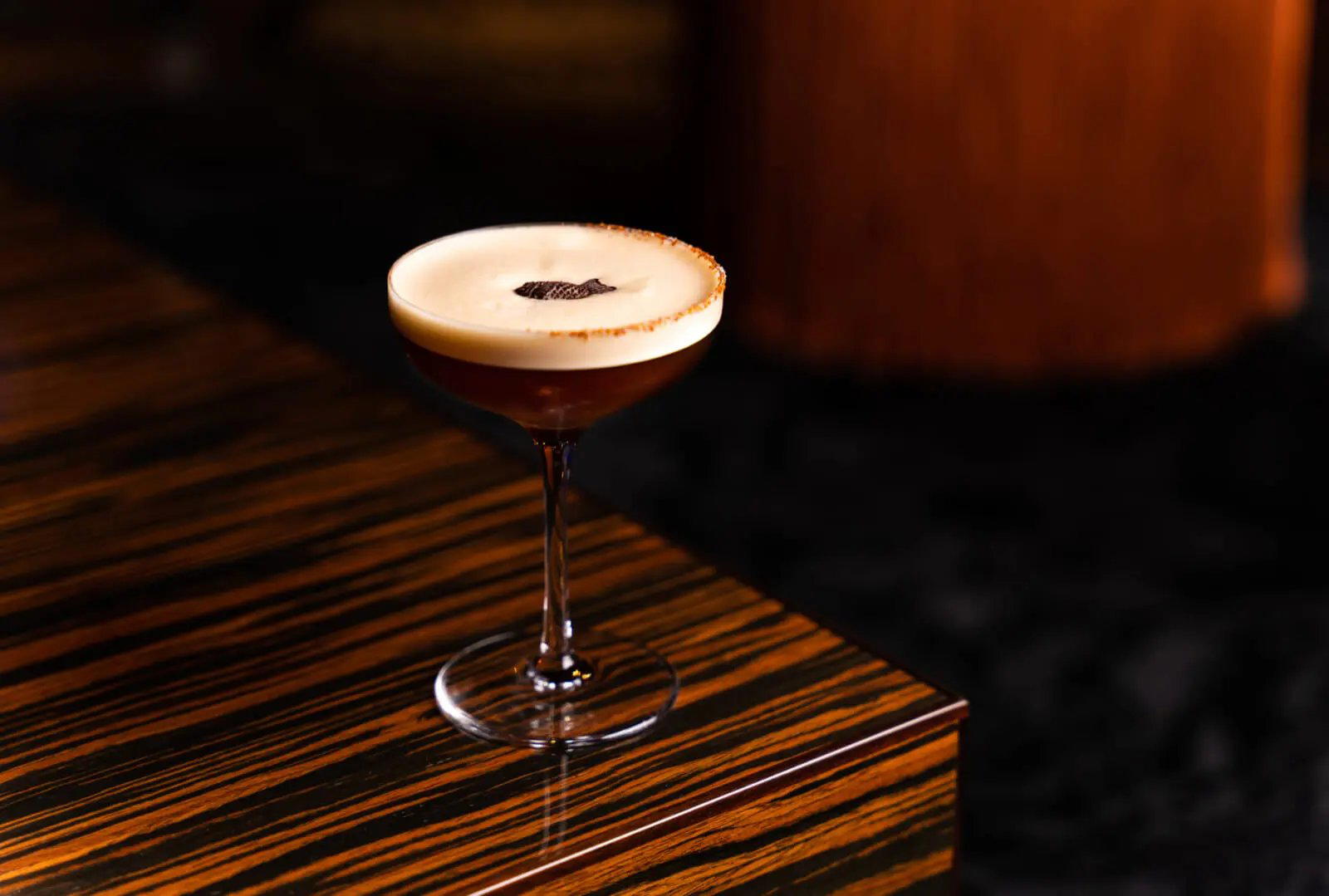
That is why the drink profile matters. Shochu, wine, and cocktails suggest a room built for mixed drinking habits, not one prescribed pairing route. Wine interest, especially, has become a Tokyo signal for Chinese restaurants competing with contemporary bistros and counter restaurants as much as older banquet rooms. The comparison is not sushi counters such as Sushi Miyuki or Sushi Hashimoto, where the format is narrow and ritualized, but Tokyo venues where returning guests recalibrate each meal. Kaiseki rooms such as Ajihiro ask for different attention; Chinese-izakaya rooms reward tactical ordering and letting the table build gradually.
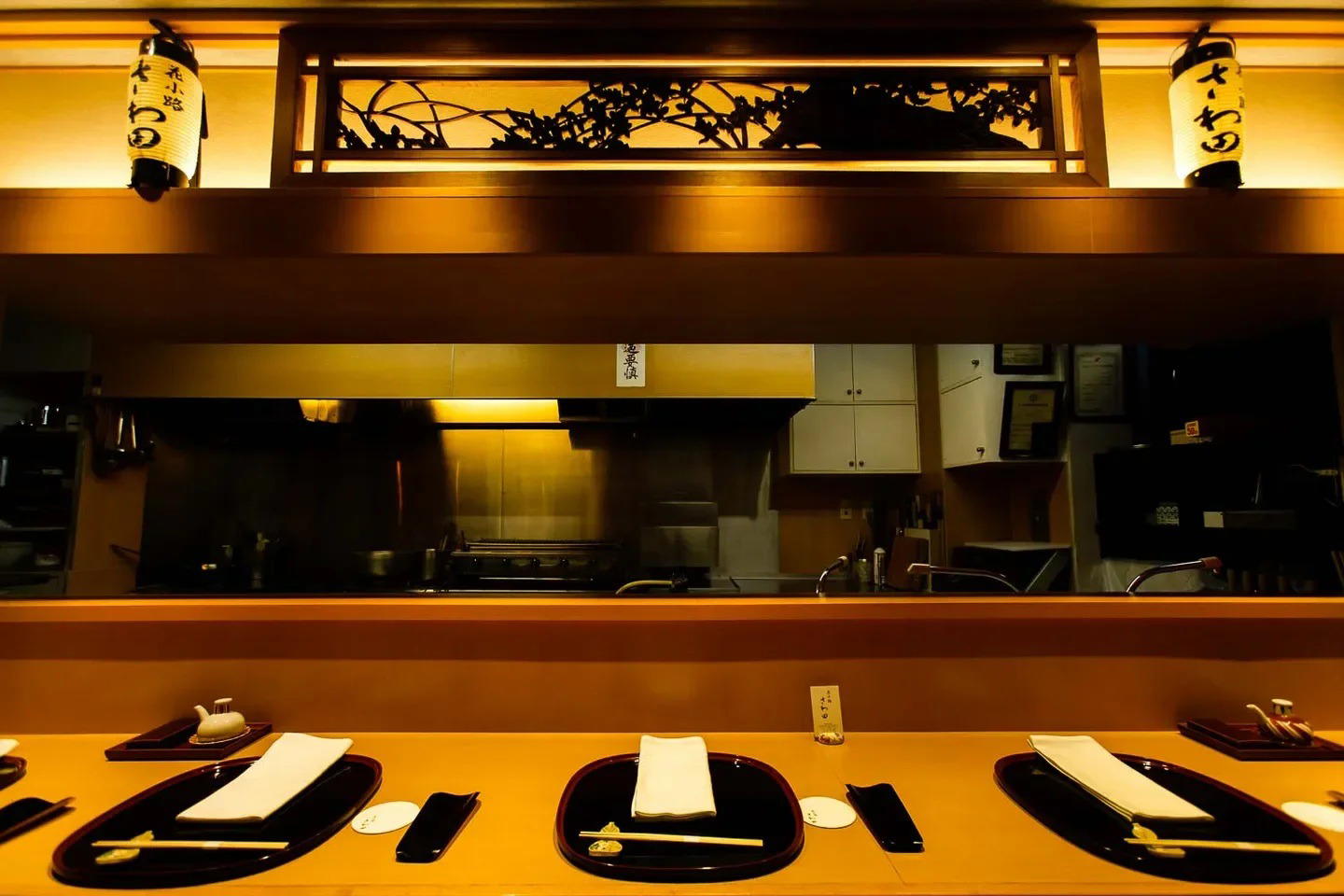
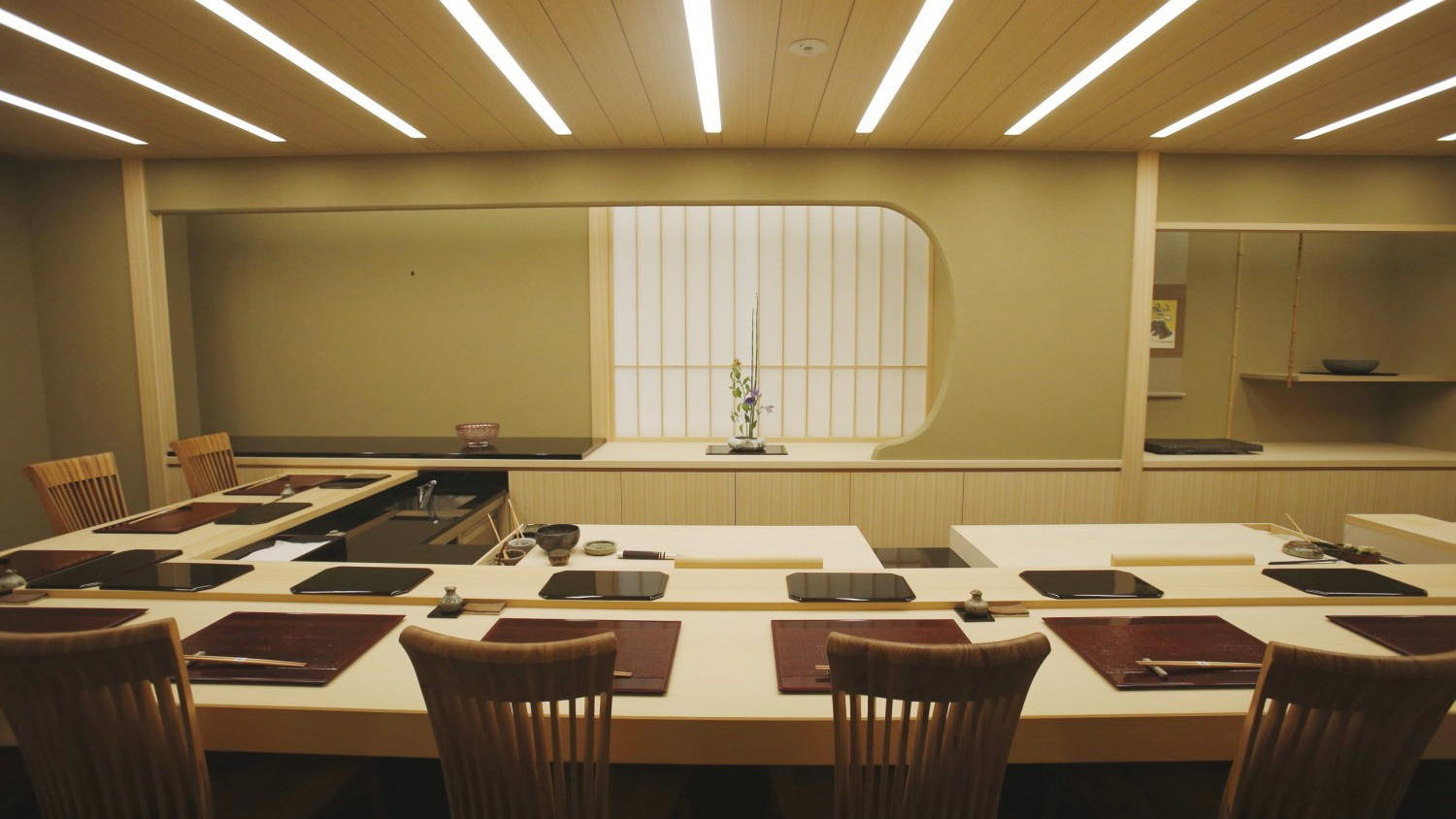
Regulars understand restaurants like this through patterns rather than scripts. The counter works for smaller parties, table seats suit compact groups, and no private rooms keep the energy public. The social code differs from grand Chinese dining: less ceremony, more repetition. The kitchen earns loyalty through ordinary-night consistency, not only special-occasion polish. A Tabelog score of 3.69, paired with inclusion in the 2026 Chinese TOKYO 100, places the restaurant in a competitive Tokyo field where local diners judge value as closely as prestige.
The regulars' advantage is knowing how to pace the table
The ideal way to read this room is through repeat habits. Regulars do not need a grand menu narrative. They use the room in stages: a first drink, shared dishes that do not slow conversation, then a second round guided by appetite rather than obligation. That structure belongs to Tokyo’s broader izakaya intelligence, even when the cooking vocabulary is Chinese. It suits dates, small groups, and diners who prefer movement over a long, hushed sequence.
For visitors, the mistake is treating every award-listed Tokyo restaurant as a formal target. This belongs to a more fluid category, where the reward is less ceremony than a room calibrated for return use. Its earlier move from Kayabacho and name change matter too: the identity reads as a continuation of local clientele rather than a spectacle-driven launch. In a city where serious counters often price themselves into rare-occasion territory, this format stays closer to the neighborhood while retaining enough recognition to justify planning ahead.
Tokyo’s mid-priced dining tier is crowded, and comparisons clarify. Kagaribi and Sakadachi occupy lower-budget territory, useful when the brief is casual and cost-led. Sushi Miyuki and Sushi Hashimoto bring sushi-specific spending and reservation expectations. MUDAN JIANG sits in the middle in spirit: a recognized Chinese room with izakaya flexibility, not a luxury counter and not a throwaway stop between drinks. That is why loyal clientele matter. Regulars preserve the restaurant’s grammar, ordering with confidence that the evening can stretch without becoming stiff.
Where it fits into a Tokyo itinerary
Irifune and Hatchobori suit diners who want central Tokyo without the performance pressure of more photographed dining districts. The area is close enough to business Tokyo for after-work traffic, but quieter at night than Ginza or Shinjuku. The restaurant fits a food-first but informal night, and pairs well with a broader Tokyo itinerary that separates dining, hotels, bars, and cultural planning rather than treating everything as one neighborhood checklist.
Travelers mapping the city can use Our full Tokyo hotels guide, Our full Tokyo bars guide, Our full Tokyo wineries guide, and Our full Tokyo experiences guide alongside restaurant planning. For alternate dining moods, the spread runs from. 鮪と炭火焼き うお炭 秋葉原店 and 12/10 Shinjuku ten to 124. KAGURAZAKA (Yakitori), 2D Cafe, and 3 Chome no Curry Ya San. The contrast defines the appeal here: not trend décor, not single-dish specialization, but a small recognized Chinese room built for repeatable evenings.
For readers looking beyond Tokyo, the same calibration applies nationally and internationally: compare the local specificity of -Grilled beef Sukiyaki- KAMAKURA TANUKIAN 鎌倉 たぬき庵 in Kamakura,.cafe in Osaka,.know in Kumamoto, (Shoku) Vietnam in Kawasaki, [Curry Senmon Ten] Maruyama Kyoju. in Sapporo, [ki:] in Kyoto, Jōdo Saké Bar in Los Angeles, and Onigiri Time in Pasadena. The question is not which venue wins a universal ranking, but whether the format matches the night. Here, the answer is strongest for diners wanting Chinese cooking with Tokyo drinking-house pacing, a compact room, and enough recognition to show locals have already done the sorting.
At-a-Glance Comparison
Comparable venues to calibrate price, style, and recognition.
| Venue | Cuisine | Price | Awards | Notes |
|---|---|---|---|---|
| MUDAN JIANGThis venue — the venue you are viewing | Chinese Izakaya | $$ | , | |
| 陳麻婆豆腐 麺飯館 | Authentic Sichuan Mapo Tofu and Noodles | $$ | , | Shinjuku |
| Gyōzanomise Okei | Traditional Gyoza Dumplings | $$ | , | Iidabashi |
| chuukaryouri tokutake | Modern Chinese & Ramen | $$ | , | Sumida |
| 和田倉 | Chinese | $$ | , | Chiyoda |
| Asia Kappou Rengetsu | Gyoza-focused Japanese-Chinese dumpling house | $$ | , | Minato |





At a Glance
- Cozy
- Hidden Gem
- After Work
- Casual Hangout
- Solo
- Standalone
- Beer Program
A small, counter-focused Chinese izakaya with a relaxed, cozy feel; guests describe it as a place where one chef handles both the kitchen and front-of-house, creating an intimate, low-key atmosphere suited to quiet drinks and food rather than a loud group gathering.