



Opened in November 2019 in Shirokanedai, ShinoiS applies Japanese ingredient discipline to a Chinese prix fixe format, earning a Michelin star, consecutive Tabelog Bronze Awards through 2026, and a position in Tabelog's Chinese Tokyo Top 100. Chef Hiroyuki Saito's 11-seat counter runs a regional Chinese repertoire refined through time in Hong Kong and Shanghai, with dinner averaging JPY 60,000 to 79,999 per person.
Pearl is the En Primeur Club membership app — saves, bookings, and concierge access live there. Same editors, same standards.
- Address
- Japan, 〒108-0071 Tokyo, Minato City, Shirokanedai, 4 Chome−2−7 bld桜なみき2階
- Website
- shinois.com
- Directions
- Get directions
 Saves & bookings on Pearl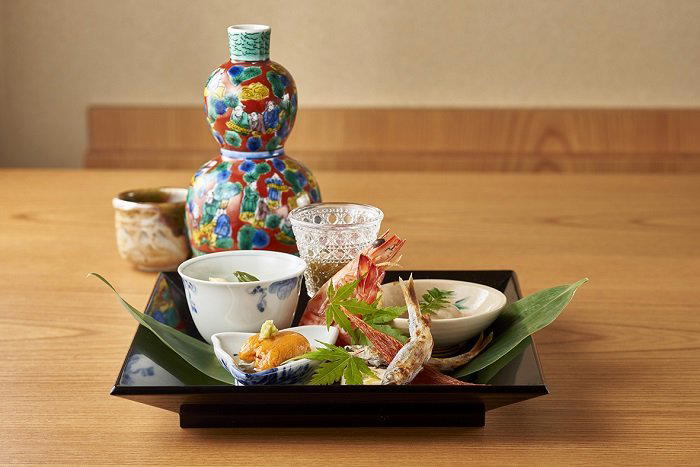
Chinese Cuisine at the Counter: The Shirokanedai Experiment
Tokyo's premium Chinese dining scene has spent the past decade sorting itself into distinct tiers. At one end sit large-format Cantonese banquet rooms where ceremony and scale define the offer. At the other, a smaller cohort of counter-format restaurants has emerged, applying the omakase logic of Japanese fine dining, small capacity, chef-led pacing, seasonal ingredient rotation, to Chinese culinary traditions. This second group is where ShinoiS, a Michelin-starred Chinese restaurant in Tokyo's Shirokanedai, has staked its position. Alongside venues like Chugoku Hanten Fureika, Chugoku Hanten Kohakukyu (Amber Palace), and Ippei Hanten, ShinoiS represents the sharper, more intimate end of Tokyo's Chinese fine dining spectrum.
What the Award Record Actually Says
The credentials here are worth reading carefully, because they span multiple independent assessment systems. ShinoiS has held the Tabelog Award Bronze consecutively from 2022 through 2026. It has been selected for the Tabelog Chinese Tokyo Top 100 in 2021, 2023, and 2024. Its Tabelog score sits at 4.24, with the listed average dinner price at JPY 50,000 to 59,999 and reviewer-reported spend running somewhat higher, at JPY 60,000 to 79,999.
Beyond Tabelog, the restaurant holds a Michelin star (2024) and a Black Pearl 1 Diamond (2025), the latter being the Michelin Group's guide to Greater China dining, a recognition that explicitly positions ShinoiS within a Chinese-cuisine comparable set rather than Tokyo's broader fine dining pool. Opinionated About Dining ranked it #252 among Japan's leading restaurants in 2024 and #273 in 2025. The cross-category comparison is telling: ShinoiS prices and performs against venues like Koshikiryori Koki and itsuka, not merely within the Chinese cuisine subset.
The Format and the Philosophy Behind It
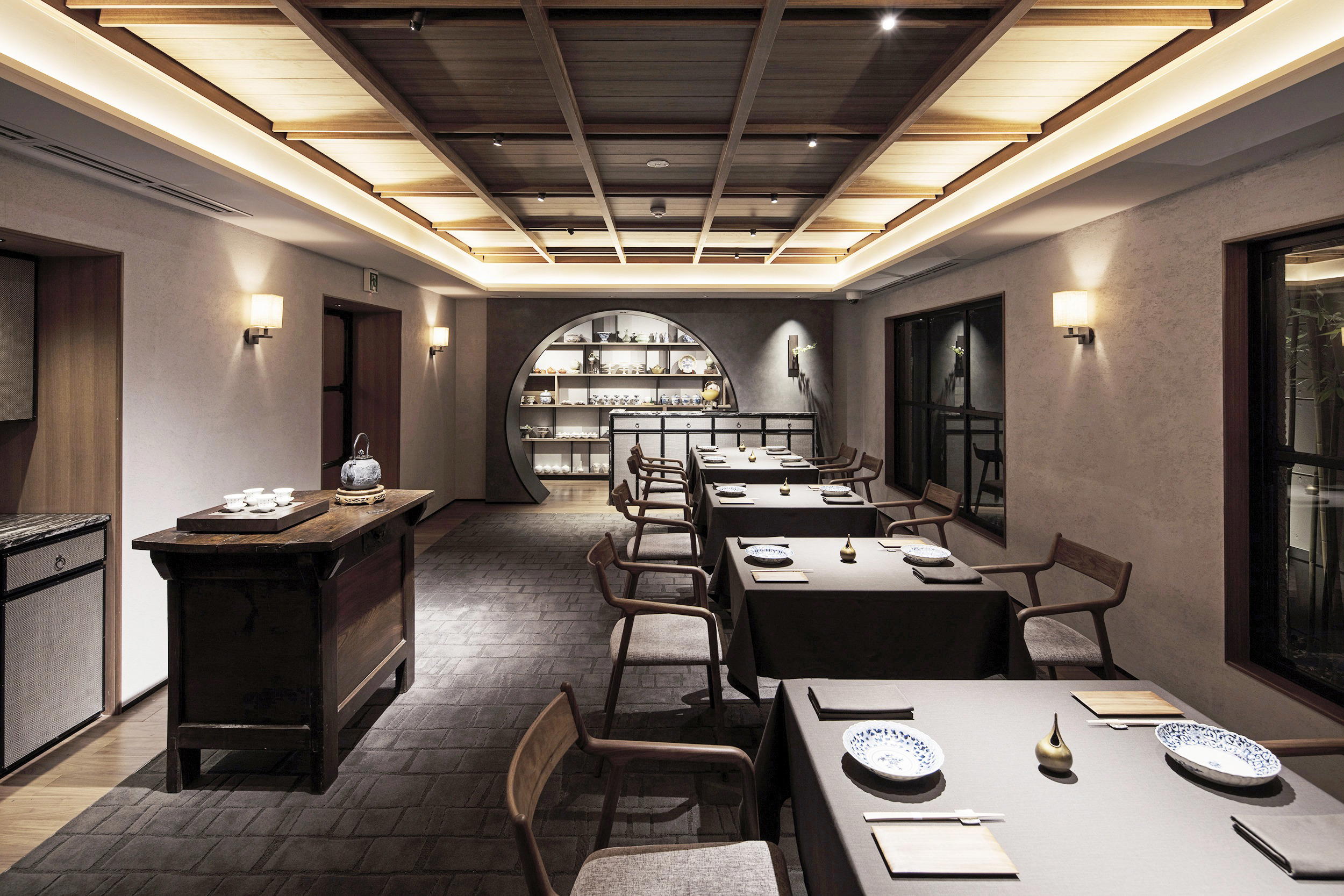
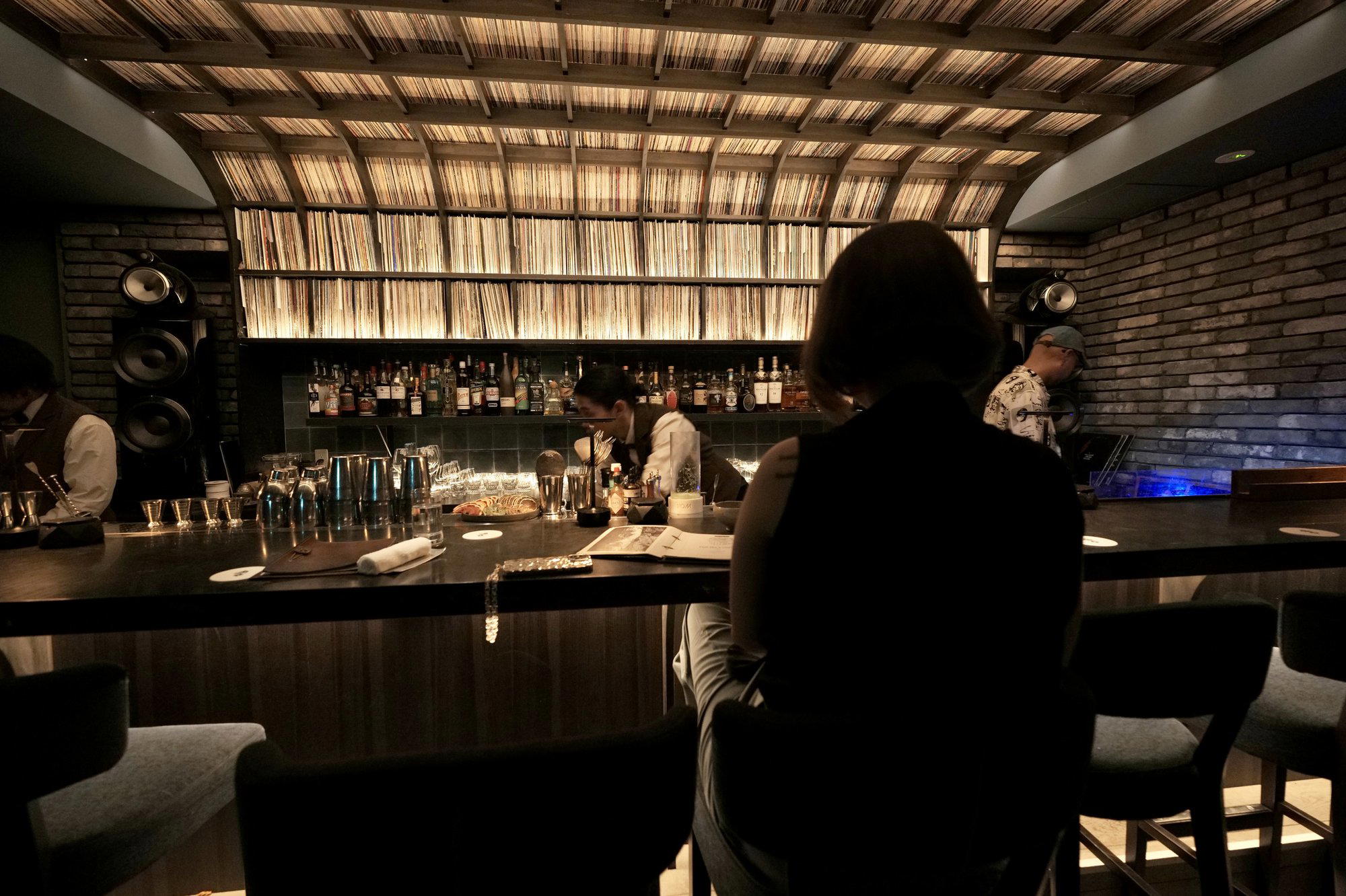
The restaurant operates on an omakase booking model. The room holds eleven seats total: a counter accommodating up to seven and a private room for two to four. This configuration is deliberate. Small-counter Chinese dining in Tokyo is still a minority format, most of the city's Chinese restaurants, even at the premium end, operate with larger rooms and more conventional tableside service. The counter here enables chef-to-guest dialogue that is standard in sushi and kaiseki contexts but rarer in Chinese fine dining.
Chef Hiroyuki Saito's approach draws on time spent in Hong Kong and Shanghai, but the programme has moved beyond strict Cantonese focus toward a cross-regional Chinese repertoire, Sichuan, Shanghainese, and northern Chinese techniques appear alongside Cantonese foundations. The prix fixe format structures this as a progression rather than a selection, placing regional variation in sequence. The kitchen's stated conviction is that seasoning should reveal rather than transform: dried abalone simmered in water alone is cited as the clearest expression of this, a technique that strips back intervention to let the ingredient's own character carry the dish. That kind of restraint is philosophically closer to Japanese kaiseki thinking than to the bold flavour profiles associated with much Chinese restaurant cooking internationally, and it explains why the venue reads comfortably to a Tokyo audience trained on omakase formats. After dinner, Chef Saito serves Chinese tea personally, a gesture that functions as both hospitality and a natural extension of the ingredient-first ethos into the closing ritual of the meal.
Shirokanedai as Context
Shirokanedai is not a dining district in the way that Ginza or Roppongi are, it is a residential neighbourhood in Minato ward, quieter and less trafficked, with a density of embassies, old-money apartments, and low-key independent restaurants that tend to cultivate loyal, local clienteles rather than tourist footfall. Locating a counter Chinese restaurant here rather than in Ginza signals something about the intended audience: the restaurant is designed for guests who know to look for it, not for those browsing a restaurant strip. Shirokanedai Station on the Namboku and Mita lines sits 253 metres from the door.
This neighbourhood positioning connects to a broader pattern visible in Tokyo's most awarded smaller restaurants: the deliberate retreat from high-visibility commercial addresses toward residential or transitional neighbourhoods where rents permit smaller formats and a calmer operating rhythm.
ShinoiS in the Wider Japanese and Global Picture
Placing ShinoiS in the national Japanese ranking alongside restaurants like HAJIME in Osaka, Gion Sasaki in Kyoto, akordu in Nara, Goh in Fukuoka, 1000 in Yokohama, and 6 in Okinawa is instructive. These are restaurants where Japanese culinary discipline, precision, seasonality, restraint, product sourcing, has been applied to formats drawn from other culinary traditions. ShinoiS fits that model precisely: the format is Chinese, the operational logic is Japanese.
Internationally, the closest comparable model appears in restaurants like Restaurant Tim Raue in Berlin and Mister Jiu's in San Francisco, where Chinese culinary traditions are reframed through a host culture's fine dining grammar. In Tokyo's case, the reframing comes through omakase structure and Japanese ingredient sourcing rather than through a Western fine dining lens, a meaningfully different translation.
Planning Your Visit
Reservations: Through the OMAKASE platform; booking well in advance is advisable given the 11-seat capacity. Budget: Listed at JPY 50,000 to 59,999 per person for dinner; reviewer-reported spend averages JPY 60,000 to 79,999. Lunch is not currently offered. Hours: Monday through Sunday, 17:00 to 20:30; closed days are not fixed, so confirmation with the restaurant before visiting is recommended. Address: 2F, 4-2-7 Shirokanedai, Minato-ku, Tokyo (bld 桜なみき 2F). Getting there: Shirokanedai Station (Namboku/Mita lines), approximately 253 metres. No parking available on site. Payment: Credit cards accepted; electronic money and QR code payments are not accepted. Private dining: Private rooms available for 2 or 4 guests; full private use of the venue is also available. Smoking: Non-smoking throughout.
Compact Comparison
Comparable venues nearby, for context on price, style, and recognition.
| Venue | Cuisine | Price | Notes |
|---|---|---|---|
| ShinoiSThis venue — the venue you are viewing | Minato, Chinese Cuisine | $$$$ | Not listed |
| Sushi Yuki | Shibuya, Edomae Sushi | $$$$ | Not listed |
| LATURE | Not listed | $$$$ | Shibuya, Modern French Game Meat Fine Dining |
| CYCLE by Mauro Colagreco | Not listed | $$$$ | Chiyoda, Modern French Biodynamic Tasting Menu |
| KIBUN | Minato, Modern Japanese-French Fusion | $$$$ | Not listed |
| Miyasaka | Minato, Kyoto-Style Kaiseki Omakase | $$$$ | Not listed |
Recognition history
Dated appearances from independent guides and award organizations, with the underlying list record or original source where available.
Black Pearl 1 Diamond
Black Pearl
Michelin 1 Star
Michelin
Tabelog 100 #97 · No. 97
Tabelog · Tabelog 100 - Chinese cuisine - TOKYO - 2026
Tabelog Bronze #404
Tabelog
Black Pearl 1 Diamond
Black Pearl
Opinionated About Dining Top Restaurants in Japan Ranked #273
Opinionated About Dining
Tabelog Bronze
Tabelog
Michelin 1 Star
Michelin
Opinionated About Dining Top Restaurants in Japan Ranked #252
Opinionated About Dining
Opinionated About Dining Top Restaurants in Japan Highly Recommended
Opinionated About Dining









At a Glance
- Intimate
- Sophisticated
- Elegant
- Quiet
- Modern
- Special Occasion
- Date Night
- Business Dinner
- Celebration
- Solo
- Chefs Counter
- Private Dining
- Standalone
Current opening hours
- Monday
- 5–8:30 PM
- Tuesday
- 5–8:30 PM
- Wednesday
- 5–8:30 PM
- Thursday
- 5–8:30 PM
- Friday
- 5–8:30 PM
- Saturday
- 5–8:30 PM
- Sunday
- 5–8:30 PM
Hours can change for holidays and private events. Last verified .
Small, refined, and hushed, with counter seating and a semi-private room; reservation rules emphasize quiet behavior and consideration for other guests.