


Opened in Hiroo in March 2024, Sushi Yuki holds a Tabelog Award 2026 Bronze, a 4.30 Tabelog score, and consecutive selection in the Tabelog Sushi Tokyo 100 for 2025. The nine-seat hinoki counter operates by reservation only, with dinner averaging JPY 30,000 to 39,999. Chef Yuki Hayashinouchi carries lineage from the long-established Tokiwa Sushi in Kannai.
Pearl is the En Primeur Club membership app — saves, bookings, and concierge access live there. Same editors, same standards.
- Address
- 5 Chome-17-4 Hiroo, Shibuya, Tokyo 150-0012, Japan
- Phone
- +81 3-6277-0468
- Website
- omakase.in
- Directions
- Get directions
 Saves & bookings on Pearl
Sushi Yuki Tokyo: Hiroo Counter Dining with Tabelog Award Recognition
A New Counter in an Old Tradition
Sushi Yuki is a one-star Edomae Sushi restaurant in Hiroo, Tokyo, where the chef works within arm's reach and the evening moves at the pace he sets. What the scene does produce, occasionally, is a first-generation restaurant that enters the Tabelog rankings almost immediately after opening. Sushi Yuki opened on 9 March 2024 in Hiroo, Shibuya, and by 2025 had been selected for the Tabelog Sushi Tokyo 100 and collected a Tabelog Award 2026 Bronze with a score of 4.30. That speed of recognition is a useful signal about where the counter sits in Tokyo's competitive sushi tier.
The Hiroo address matters. The neighbourhood sits at the southern edge of Shibuya, dense with embassies and long-established independent restaurants that serve a local crowd rather than a tourist circuit. Sushi counters here tend to attract a different clientele from the Ginza bracket: regulars who walk or take the Hibiya Line rather than guests building itineraries around prestige postcodes. Sushi Yuki, at 278 metres from Hiroo station, belongs to that residential-adjacent tradition, even as its awards profile places it in direct comparison with counters further east.
The Counter as the Format
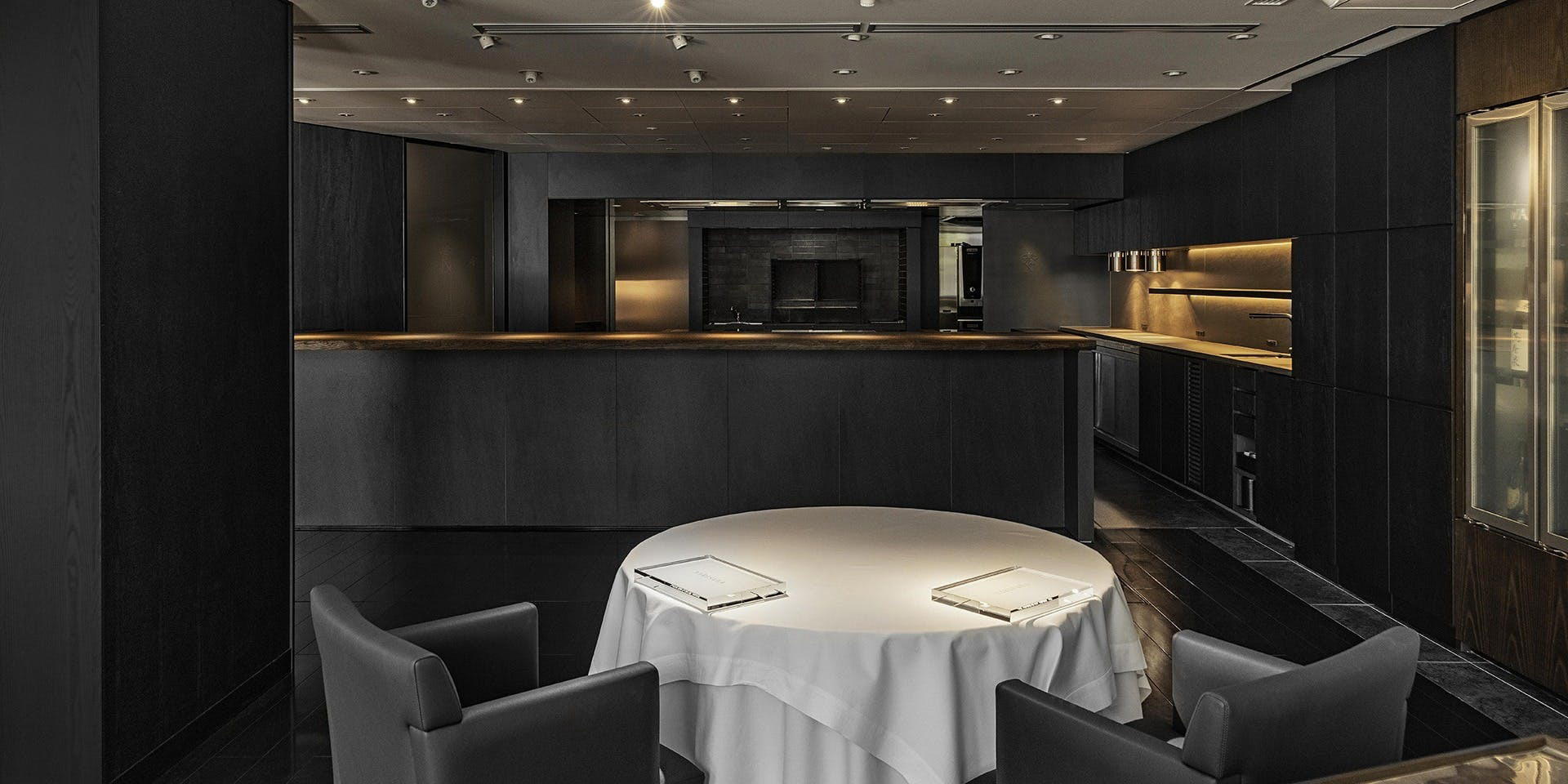
At nine seats, the room is in the compact bracket that defines omakase in Tokyo. The physical format is not incidental: counter seating of this scale removes the distance between preparation and consumption. The chef's movements, the knife work, the temperature management of the rice, the sequencing of courses, all of it is visible from every position. In a room this size, there is no background service station, no pass-through kitchen. The counter is the kitchen, and that proximity is the entire logic of the format.
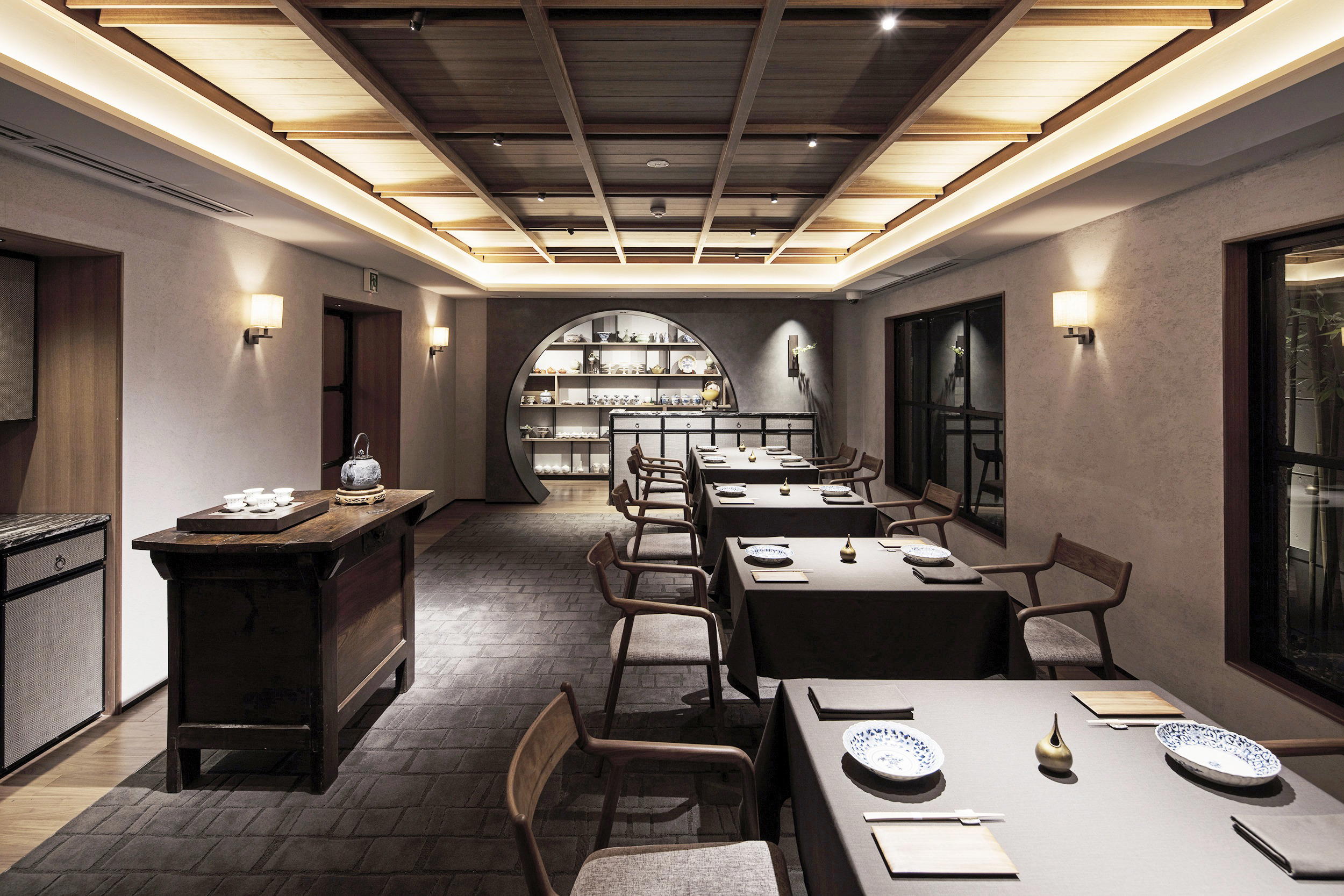
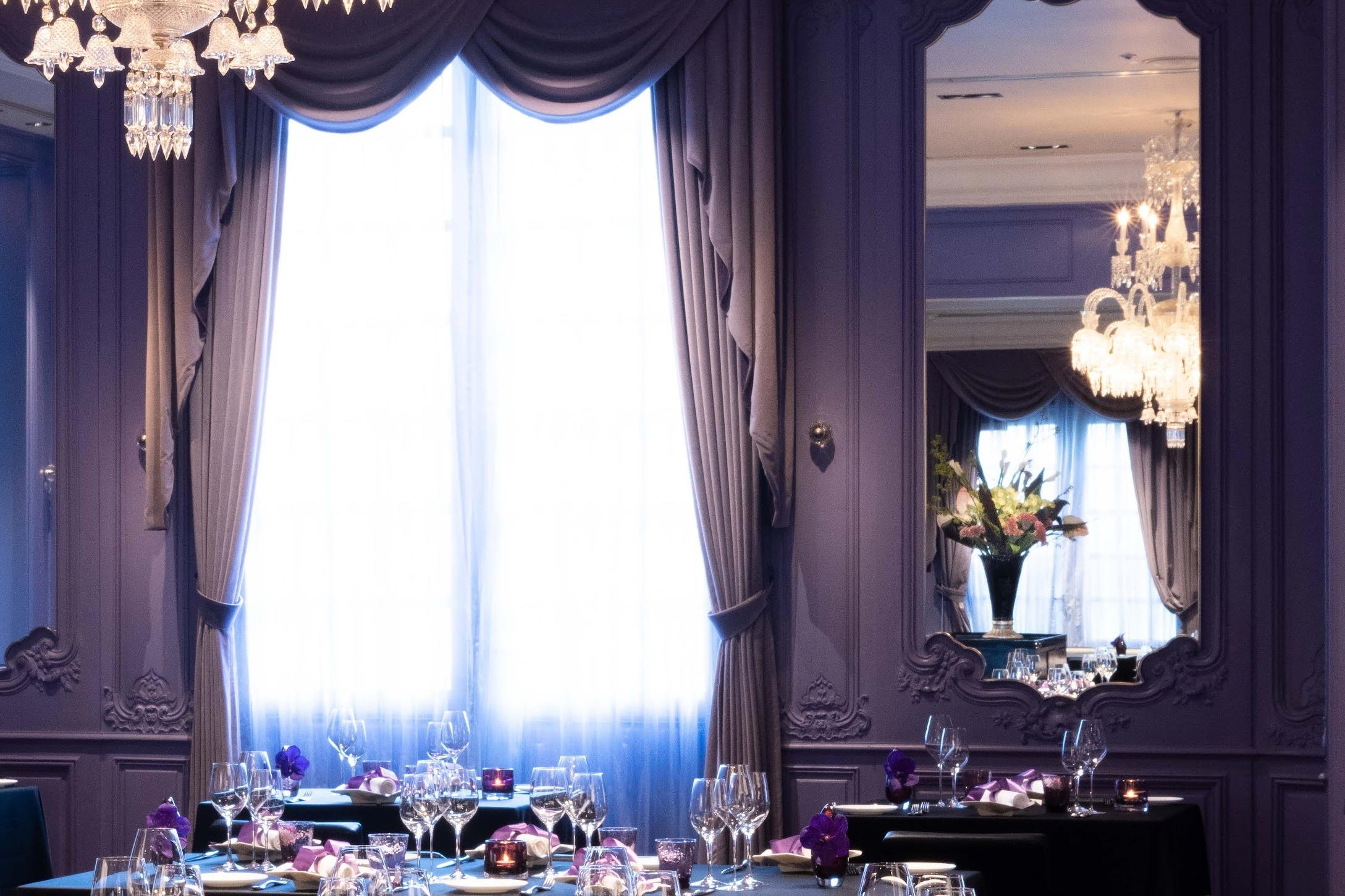
Sushi Yuki's counter is hinoki cypress, a material choice that carries its own signal in this context. Hinoki is the traditional surface for high-end edomae preparation, it is absorbent enough to be kept spotless, aromatic without being intrusive, and carries an aesthetic association with precision craft that lacquer or stone does not. The white interior amplifies the functional clarity of the space. Private rooms are available for parties who prefer separation from the main counter, and the venue is available for full private hire, which places it in the bracket of counters used for corporate and event dining as well as individual reservations.
The broader Tokyo counter tradition that restaurant enters is one where established houses like Sushi Kanesaka and Harutaka have set a high baseline, and where Sukiyabashi Jiro Roppongiten and Edomae Sushi Hanabusa represent different points on the formality spectrum. A new counter earns its position within that set by the quality of its recognition, not by longevity.
Rice, Temperature, and the Mechanics of Nigiri
Among the technical points that Tabelog reviewers and the venue's own documentation emphasise, the rice preparation is distinctive as the defining axis of the chef's approach. The sushi rice is cooked in a hagama, a wide-brimmed iron pot that distributes heat differently from a standard rice cooker and produces a particular texture in the finished grain. It is then mixed with rice vinegar to produce what the chef describes as pure white sushi rice. The sourness, in his framing, is not a condiment function but a structural one: it gives the flavour presence and helps each piece hold its position on the palate long enough to be tasted alongside the topping rather than after it.
Temperature management is handled topping by topping, rather than through a single service temperature for all nigiri. This is the technical variable that separates counter precision from volume operation. In a nine-seat room, it is achievable in a way that it is not at scale. The lineage here traces through the third-generation Tokiwa Sushi in Kannai, Yokohama, a long-established house that brings a different geographic provenance to a Tokyo counter, and one that suggests a formation outside the Ginza-Tsukiji axis that dominates most premium Tokyo sushi pedigrees.
The nigiri form described in reviewer documentation is streamlined, a shape that reflects training discipline rather than decorative intent. In edomae sushi, the compression of the rice, the ratio of topping to rice, and the structural coherence of the piece as it moves from counter to hand to mouth are the markers that experienced diners use to assess the chef's formation. The Michelin star confirms the guide's inspectors found the execution at the level warranting inclusion.
What the Awards Signal
Tabelog's award structure is worth contextualising for readers unfamiliar with it. The platform aggregates Japanese consumer reviews at a scale that makes its scores meaningful as statistical signals rather than single-critic verdicts. A score of 4.30 places the restaurant in a range where most of its neighbours are established houses with multi-year review histories. The Tabelog Sushi Tokyo 100, which selects the leading sushi restaurants across the city, is a competitive list that includes Michelin-starred counters alongside unstarred venues that the local dining community ranks highly on execution alone.
The Michelin recognition and the Opinionated About Dining ranking at position 574 among all restaurants in Japan in 2025 provide additional triangulation. OAD rankings aggregate the opinions of frequent international diners and tend to lag slightly behind local consensus, so a position in the top 600 nationally in the year after opening reflects rapid uptake among the travelling dining community as well as the local Hiroo base.
For comparison within the broader Japan dining circuit, the level of recognition the restaurant has assembled in its first year sits in the same bracket as similarly sized counters in other cities. Sushi Shikon in Hong Kong and Shoukouwa in Singapore represent what edomae-tradition counters outside Japan look like at the summit of their respective city hierarchies. Within Japan's own dining scene, the range runs from Kyoto kaiseki in the tradition represented by Gion Sasaki to regional creative cooking at Goh in Fukuoka and HAJIME in Osaka, but the Tokyo sushi counter format occupies its own distinct category at the premium end.
Drinks and the Scope of the Evening
The drinks list at the restaurant covers sake (nihonshu) and wine, a pairing approach that reflects the direction most serious Tokyo sushi counters have taken as international clientele has grown. Sake remains the primary pairing logic for edomae sushi, where the rice base and vinegar seasoning of nigiri align more naturally with the umami profile of junmai and ginjo styles than with most wine categories. Wine's inclusion signals awareness of a guest mix that extends beyond the domestic market. The combination of private room availability and credit card acceptance across major card networks (Visa, Mastercard, JCB, Amex, Diners) indicates a counter that has been structured with international bookings in mind from its opening.
Planning a Visit
The restaurant operates by reservation only, with online bookings handled through OMAKASE. The address is 5 Chome-17-4 Hiroo, Shibuya, Tokyo, a ground-floor space 278 metres from Hiroo station on the Tokyo Metro Hibiya Line. Service runs daily, 17:00 to 22:00, though hours and closed days are subject to change and should be confirmed directly before visiting. Dinner pricing runs JPY 30,000 to 39,999 on the stated menu, with actual spend based on reviews averaging JPY 40,000 to 49,999. Lunch service is priced at JPY 15,000 to 19,999, with review-based averages at JPY 20,000 to 29,999. The nine-seat counter accommodates small parties; private room availability makes it suitable for groups who require separation.
Quick reference: Reservation only via OMAKASE | 9 seats | Dinner JPY 30,000 to 39,999 | Lunch JPY 15,000 to 19,999 | 278m from Hiroo station | Daily 17:00 to 22:00 (confirm before visiting) | Credit cards accepted
What Do People Recommend at Sushi Yuki?
What do people recommend at Sushi Yuki?
Reviewer attention consistently returns to the nigiri form and the rice preparation. The hagama-cooked shari, seasoned to provide structural sourness rather than background acidity, and the temperature calibration applied topping by topping, are the elements that appear most frequently in Tabelog reviews as differentiators. The chef's lineage through Tokiwa Sushi in Kannai provides a formation outside the standard Tokyo pedigree lines, which gives the counter a distinct technical profile. The hinoki cypress counter and white interior create a setting where the mechanics of preparation are the focal point rather than decoration or ceremony. For context on the cuisine style, the counter's consecutive Michelin Plate recognition (2024 and 2025), Tabelog Award 2026 Bronze, and inclusion in the Tabelog Sushi Tokyo 100 for 2025 collectively indicate a level of execution that experienced Tokyo diners are returning to and recommending.
Cuisine Lens
Comparable venues nearby, for context on price, style, and recognition.
| Venue | Cuisine | Price | Awards | Notes |
|---|---|---|---|---|
| Sushi YukiThis venue — the venue you are viewing | Edomae Sushi | $$$$ | Michelin 1 Star | Not listed |
| Mutsukari | Modern Japanese Kaiseki with Vegetable Focus | $$$$ | Michelin 1 Star | Chūō |
| Ginza Kitagawa 銀座 きた川 | Modern Kaiseki with Tempura | $$$$ | Michelin 1 Star | Chūō |
| Akasaka Shimabukuro | Refined Kaiseki | $$$$ | Michelin 1 Star | Minato |
| Akanezaka Onuma | Traditional Seasonal Kaiseki | $$$$ | Michelin 1 Star | Minato |
| Kaiseki Komuro | Traditional Cha-Kaiseki | $$$$ | Michelin 1 Star | Shinjuku |
Recognition history
Dated appearances from independent guides and award organizations, with the underlying list record or original source where available.
Michelin 1 Star
Michelin
Opinionated About Dining Top Restaurants in Japan Recommended
Opinionated About Dining
Tabelog Bronze #532
Tabelog
Michelin Plate
Michelin
Opinionated About Dining Top Restaurants in Japan Ranked #574
Opinionated About Dining
Tabelog 100 #23 · No. 23
Tabelog · Tabelog 100 - Sushi - TOKYO - 2025
Michelin Plate
Michelin









At a Glance
- Intimate
- Elegant
- Quiet
- Sophisticated
- Minimalist
- Special Occasion
- Date Night
- Solo
- Chefs Counter
- Sake Program
- Sustainable Seafood
Serene and warm with minimalist elegant interior, calm authoritative service, and immersive counter dining atmosphere.