




1 Michelin Star · Star Wine List · We're Smart World 3 Radishes
Our verdict
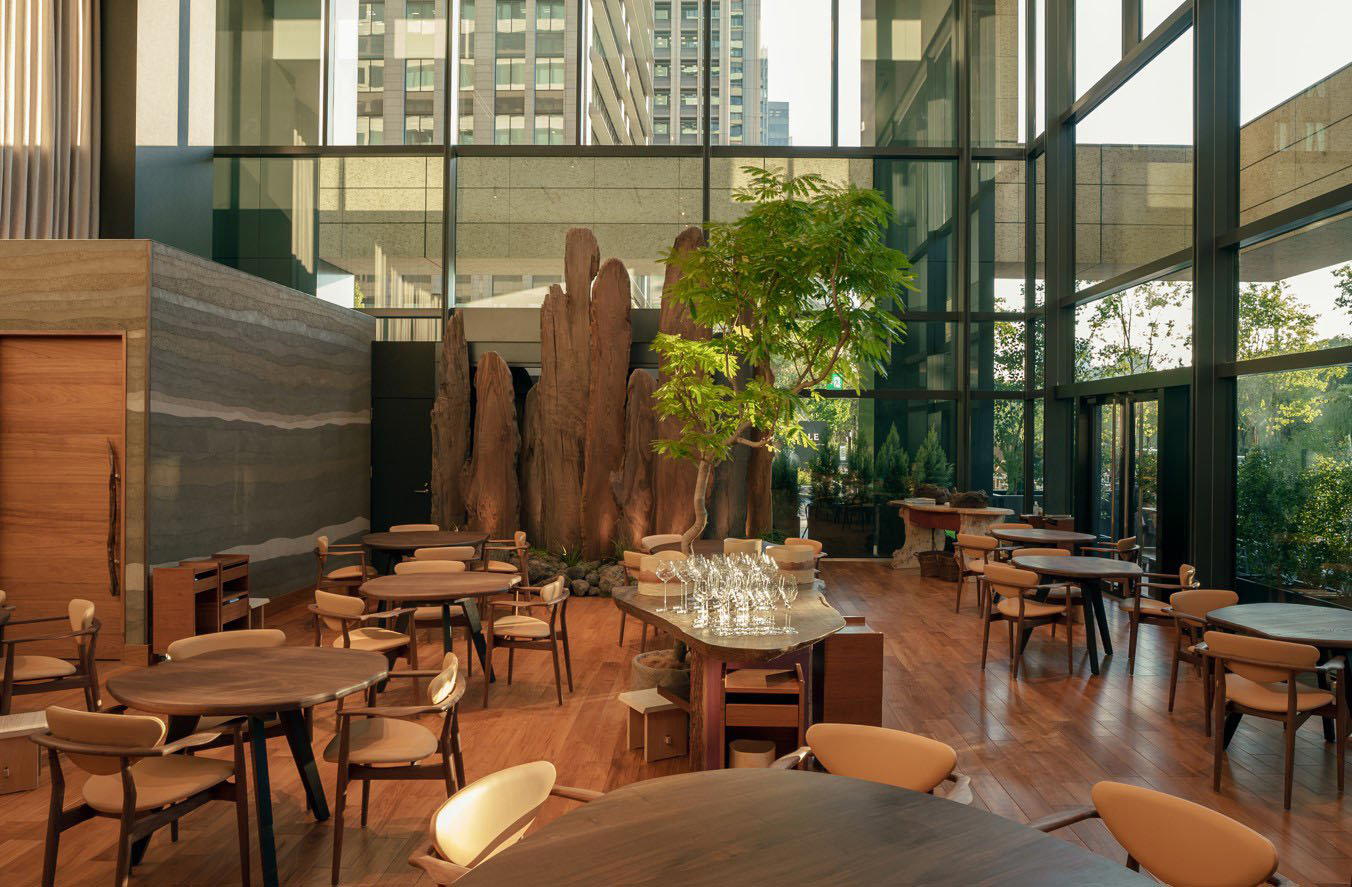
CYCLE by Mauro Colagreco brings the circular gastronomy philosophy of Mirazur, the Michelin-starred restaurant on the French Riviera, to the Otemachi business district of Tokyo. Prix fixe menus are organised around four natural themes: roots, leaves, flowers, and fruits. Japanese chef Yuhei Miyamoto, who trained at Mirazur, leads the kitchen, and the wine program has ranked among Japan's top lists on Star Wine List for two consecutive years.

Pearl is the En Primeur Club membership app, where members save venues, book tables and use the concierge.
The menu
What to order
- Kyoto carrots with turmeric and clementine
- Tiger prawn tartlet with pomelo and canola flowers
- Venison grilled over wood fire with rose-scented sauce
- Beetroot with caviar and cream
A Menu Built Around Nature's Four Categories
Tokyo's top tier of modern French dining has developed along two distinct lines. One group takes classical French technique and applies it to Japanese ingredients without rethinking the menu's underlying logic. The other rethinks the menu structure itself, using Japanese produce as the primary material and philosophy as the organising principle. CYCLE by Mauro Colagreco sits firmly in the second group, and that structural distinction matters more than any single dish.
The menu is divided into four themes, roots, leaves, flowers, and fruits, drawn from the natural cycle that governs what grows, when, and in what sequence. This is not a seasonal menu in the conventional restaurant sense, where a winter truffle course replaces a summer tomato course. The four categories operate as a permanent taxonomy, and the kitchen moves through them as an expression of continuity rather than a response to the calendar alone. What changes is the specific ingredient within each category; the architecture stays fixed. It is a menu that teaches you how to read it before you eat a single course, which is a rarer quality than it sounds in Tokyo's high-density fine dining scene.
That structure originates at Mirazur in southern France, where the concept of circular gastronomy was developed, an approach that prioritises zero waste, local sourcing, and a philosophy of giving back to the environment as much as the kitchen takes from it. The same commitments translate to the Tokyo operation: local ingredients take precedence, and pure plant menus are available but should be flagged at the time of booking rather than assumed. The Argentinian dimension of Colagreco's background also surfaces in the menu, with asado-influenced preparations and tapas-style elements that read as neither forced fusion nor decorative gesture, but as a third culinary register alongside the French and Japanese ones.
Otemachi as a Dining Address
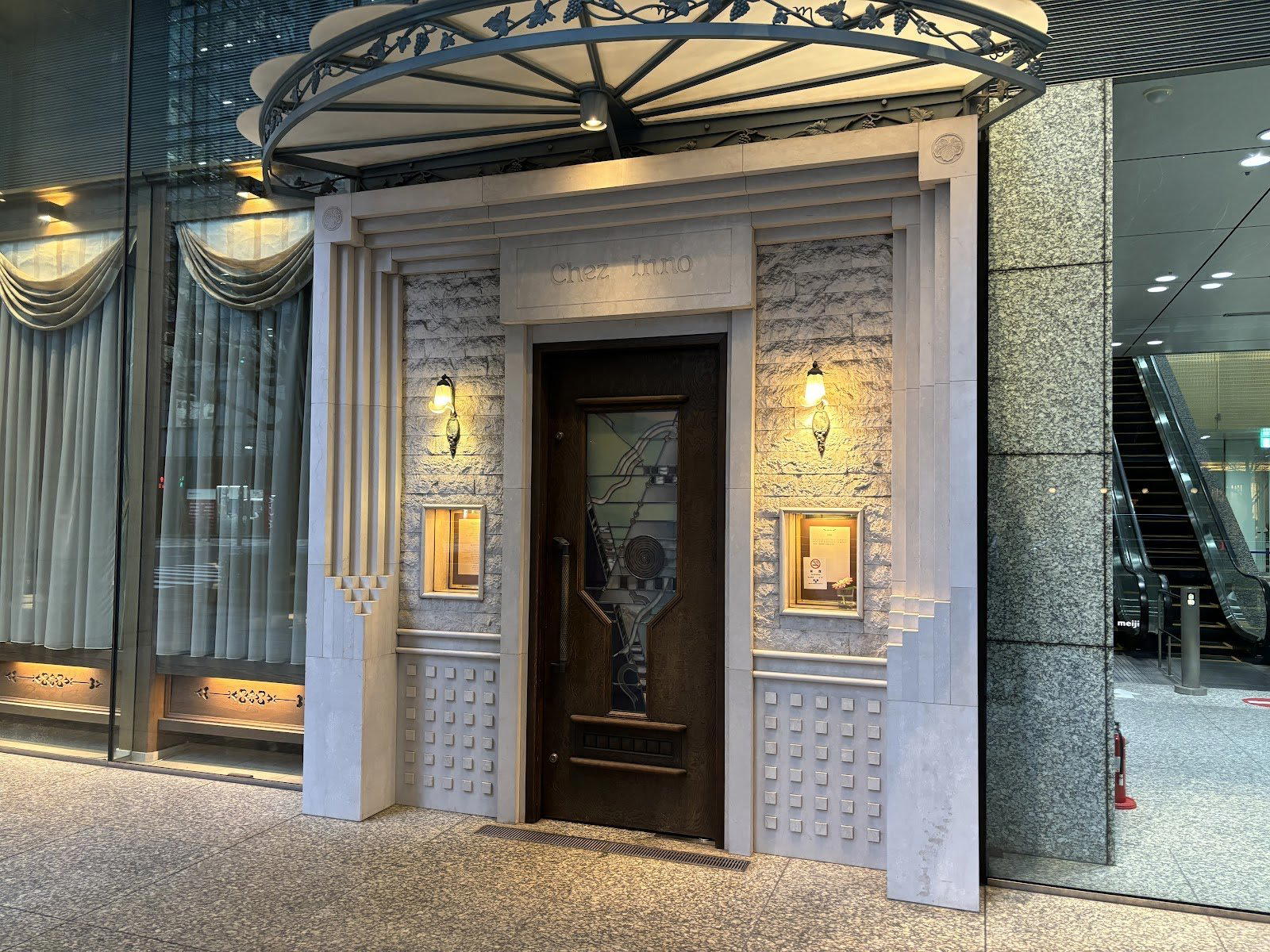
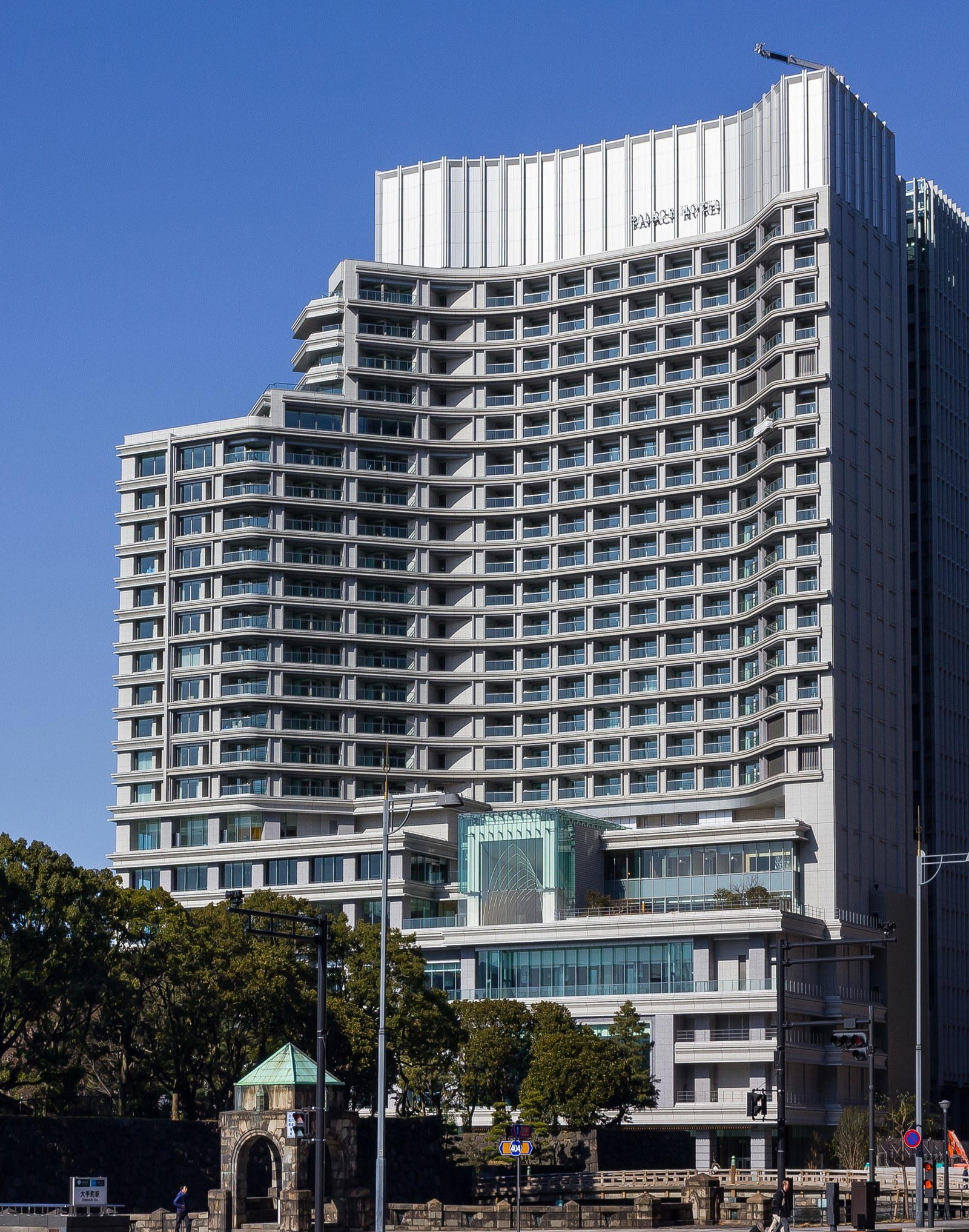
The Otemachi One tower in Chiyoda City is not the neighbourhood most associated with Tokyo's French fine dining tier. That designation tends to fall on Minami-Aoyama, Nishi-Azabu, or the hotel restaurants of the city's central luxury belt. CYCLE occupies the ground floor of a corporate office development, a format that has become more common across Tokyo's newer mixed-use projects, where premium restaurants function as anchor tenants rather than standalone addresses.
The location positions CYCLE within a different flow of guests than the Aoyama circuit. It draws from the financial and government districts that surround Otemachi, alongside destination diners who travel specifically for the format. For comparison, the modern French restaurants most closely aligned with CYCLE's price tier and philosophy, including L'Effervescence, Sézanne, and ESqUISSE, are concentrated further south and west.
The Kitchen and the Wine Program
Within Tokyo's modern French tier, the relationship between a headline chef based overseas and a resident Japanese chef working on a daily basis is an increasingly common model. The quality of that relationship, and the clarity of the creative mandate, determines whether the restaurant functions as an outpost or as a coherent project in its own right. At CYCLE, the resident chef is Yuhei Miyamoto, who trained at Mirazur in France and accumulated experience at a restaurant awarded five radishes by the We're Smart Green Guide, the Belgian ranking system that rates restaurants on the quality and creativity of their vegetable-forward cooking. That training connects Miyamoto directly to the sourcing and structural logic the menu requires, rather than simply to French technique in a general sense.
The wine program has drawn sustained attention from Star Wine List, which ranked CYCLE among Japan's leading three lists in both 2024 and 2025, reaching the number one position in both years. In a city where wine programs at French restaurants of this tier are often technically accomplished but formulaic, heavy with Burgundy and Bordeaux, thin on narrative, that recognition suggests a list with genuine editorial character. At the ¥¥¥¥ price point, the wine pairing is an integral part of the experience rather than an optional addition, and the list's consistent ranking gives that assumption some grounding.
Peers in the Tokyo modern French category with strong wine programs include Florilège, which has built a reputation for producer-focused pairings, and the more classically anchored Château Restaurant Joël Robuchon, whose cellar operates at a different scale entirely. CYCLE's list sits at a different point on that spectrum, shaped by the same sourcing philosophy that governs the food: local priority, authenticity, and a preference for producers whose methods align with the restaurant's broader position on environmental continuity.
Where CYCLE Sits in Tokyo's French Dining Scene
Tokyo holds more Michelin stars per capita than any other city, and its French restaurant tier is correspondingly dense. A single Michelin star at the ¥¥¥¥ price point places CYCLE in a bracket that includes some of the most technically demanding cooking in the city, but also in one of the most competitive for differentiation. The restaurants that hold attention over time in this category tend to have a clear identity that extends beyond technique, a philosophy, a sourcing story, a structural conceit that gives the menu coherence across seasons and years.
CYCLE's four-category architecture provides exactly that. It is not the only Tokyo French restaurant drawing on ecological philosophy, L'Effervescence under Shinobu Namae has operated on similar principles for over a decade, but the menu structure at CYCLE makes the philosophy visible and legible at every course, rather than inferring it from sourcing notes or a printed statement of intent. The Opinionated About Dining ranking, which placed CYCLE at number 280 among Japan's leading restaurants in 2025, reflects assessment across a panel of experienced diners rather than a single critical perspective, providing a broader triangulation of its standing within the national field.
For diners building a Japan itinerary around high-end French cooking, the Tokyo options extend beyond the capital. HAJIME in Osaka operates at a comparable level of ambition with its own distinct identity, while akordu in Nara applies European technique to local ingredients in a different regional register. Within Tokyo itself, the full picture of what the city offers across cuisines, bars, hotels, and experiences is covered in our full Tokyo restaurants guide. Additional planning resources include our Tokyo hotels guide, our Tokyo bars guide, our Tokyo wineries guide, and our Tokyo experiences guide.
For those extending their itinerary to other Japanese cities, Gion Sasaki in Kyoto, Goh in Fukuoka, 1000 in Yokohama, and 6 in Okinawa each represent distinct regional approaches to high-end dining. And for context on how the circular gastronomy format compares to French fine dining in other international markets, Hotel de Ville Crissier in Crissier and Les Amis in Singapore offer useful points of reference.
Know Before You Go
- Address: Otemachi One 1F, 1-2-1 Otemachi, Chiyoda City, Tokyo 100-0004
- Price range: ¥¥¥¥ (prix fixe format)
- Cuisine: Modern French with Japanese ingredients and Argentine influences
- Menu format: Prix fixe, organised around four themes: roots, leaves, flowers, and fruits
- Awards: Michelin 1 Star (2024); Star Wine List #1 in Japan (2024 and 2025); Opinionated About Dining Leading Restaurants in Japan #280 (2025)
- Wine program: Ranked among Japan's leading three by Star Wine List for two consecutive years
- Dietary note: Pure plant menus are available; request at time of booking
- Getting there: Otemachi Station is directly connected to the Otemachi One complex via underground passages; accessible from multiple metro lines
Frequently asked questions
What do people recommend at CYCLE by Mauro Colagreco?
The menu structure itself is what draws the most consistent attention. CYCLE organises its French-rooted prix fixe around four natural categories, roots, leaves, flowers, and fruits, drawn from the circular gastronomy philosophy developed at Mirazur. Guests frequently note the wine pairing as a particular strength; the list has ranked number one in Japan on Star Wine List in both 2024 and 2025. Those with plant-based dietary preferences should flag a pure plant menu at booking, as it is available but not the default format. The Argentinian-influenced elements, asado preparations, tapas-style courses, tend to register as a distinctive counterpoint to the Japanese ingredient base and French technique that otherwise defines the menu's register. Chef Yuhei Miyamoto's training at Mirazur underpins the kitchen's coherence with the Colagreco framework, and the restaurant's Michelin star and OAD ranking confirm its position within Tokyo's top tier of modern French cooking.
Recognition Snapshot
| Venue | Cuisine | Price | Awards | Notes |
|---|---|---|---|---|
| CYCLE by Mauro ColagrecoThis venue (the venue you are viewing) | Modern French Biodynamic Tasting Menu | $150–200 | 1 Michelin Star · Star Wine List | Not listed |
| Harutaka | Edo-Style Omakase Sushi | $200–300 | 3 Michelin Stars · World's 50 Best #76 | Sushi |
| RyuGin | Modern Kaiseki | $500+ | 3 Michelin Stars · World's 50 Best #41 | Kaiseki, Japanese |
| L'Effervescence | Modern French with Japanese Influences | $200–300 | 3 Michelin Stars · World's 50 Best #69 | French |
| HOMMAGE | Modern French with Japanese Influences | $150–200 | 2 Michelin Stars · World's 50 Best #78 | Innovtive French, French |
| MAZ | Innovative Peruvian-Japanese Fusion | $150–200 | 2 Michelin Stars · World's 50 Best #28 | Innovative |
Recognition history
Dated appearances from independent guides and award organizations, with the underlying list record or original source where available.
Michelin 1 Star
Michelin
Star Wine List
Star Wine List
Opinionated About Dining Top Restaurants in Japan Recommended
Opinionated About Dining
Tabelog 100 #33 · No. 33
Tabelog · Tabelog 100 - French - TOKYO - 2025
The Best Chef One Knife
The Best Chef
Full recognition history (10 entries)
Opinionated About Dining Top Restaurants in Japan Ranked #280
Opinionated About Dining
Star Wine List
Star Wine List
We're Smart World 3 Radishes
We're Smart World
Michelin 1 Star
Michelin
Star Wine List
Star Wine List