
Mikazuki Do places Tokyo bread culture in a compact Sangenjaya setting, where takeaway service, low-spend pricing, and Tabelog Bread TOKYO 100 recognition make the case without restaurant theatrics. The address near Sangen Jaya Station suits travelers reading Tokyo through its everyday food infrastructure rather than only its reservation counters.
Pearl is the En Primeur Club membership app — saves, bookings, and concierge access live there. Same editors, same standards.
- Address
- 東京都世田谷区太子堂4-26-7
- Phone
- +81364534447
- Website
- mikaduki-do.com
 Saves & bookings on Pearl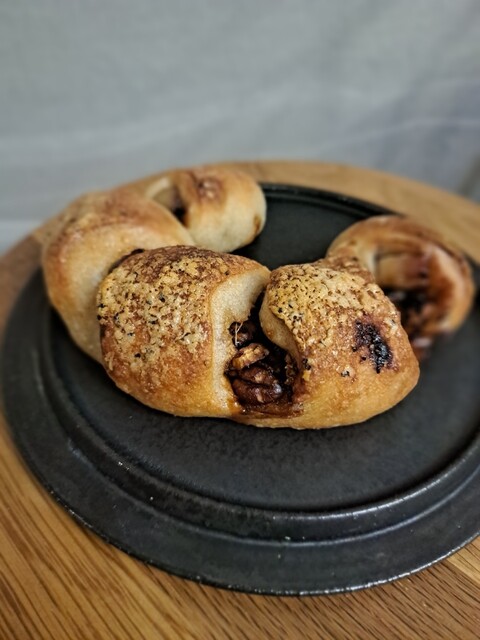
Taishido’s side streets change the tempo quickly: the main Sangenjaya flow gives way to smaller shopfronts, apartment blocks, bicycles, and bakeries built for a neighborhood rhythm rather than a destination queue. In that setting, bread reads differently from a hotel breakfast basket or a department-store gift box. It is an everyday purchase, but in Tokyo the everyday can be judged with the same intensity as sushi, soba, or coffee.
Mikazuki Do belongs to that category of small-format Tokyo food address where the physical container matters. The service model is take-out, the private-room logic of restaurant dining is absent, and the appeal sits in the short exchange between counter, shelf, payment, and street. For travelers used to Tokyo’s tasting-menu mythology, this is a useful correction: the city’s food culture is also carried by compact rooms selling focused goods at modest prices.
Sangenjaya bread culture, seen at street scale
Tokyo’s bread scene has long absorbed French technique, Japanese milk-bread softness, convenience-store pragmatism, and a local appetite for limited-run bakery shopping. The serious addresses are not always in luxury districts. Sangenjaya and nearby Setagaya neighborhoods support small independent food shops because they combine residential density with station-led foot traffic. That creates a different kind of credibility from the Ginza counter or Aoyama dining room: repeat custom, fast evaluation, and little tolerance for decorative excess.
The selection for Tabelog Bread TOKYO 100 in 2022 gives the bakery a clear external marker inside that field. Tabelog’s bread category is useful because it separates bakeries from the broader restaurant conversation and places them among shops competing on daily craft, pricing, and consistency. A score of 3.73 sits in the kind of range that matters on Tabelog, where incremental differences are watched closely by local diners.
The price band, JPY 1,000 to JPY 1,999, also signals the format. This is not a long lunch decision; it is a small stop that can sit between coffee, train travel, and a later dinner reservation. Within the Sangenjaya comparison set, Nicolas and CAFE Mame-Hico Sangenjaya honten occupy the same published spend band, while Imagawayaki Kashiwaya drops below it and shiva curry wara moves higher for dinner. Those contrasts help define the neighborhood: small places, narrow specialisms, and a dining map that rewards short, targeted stops rather than one grand booking.
A compact room changes the way the meal works
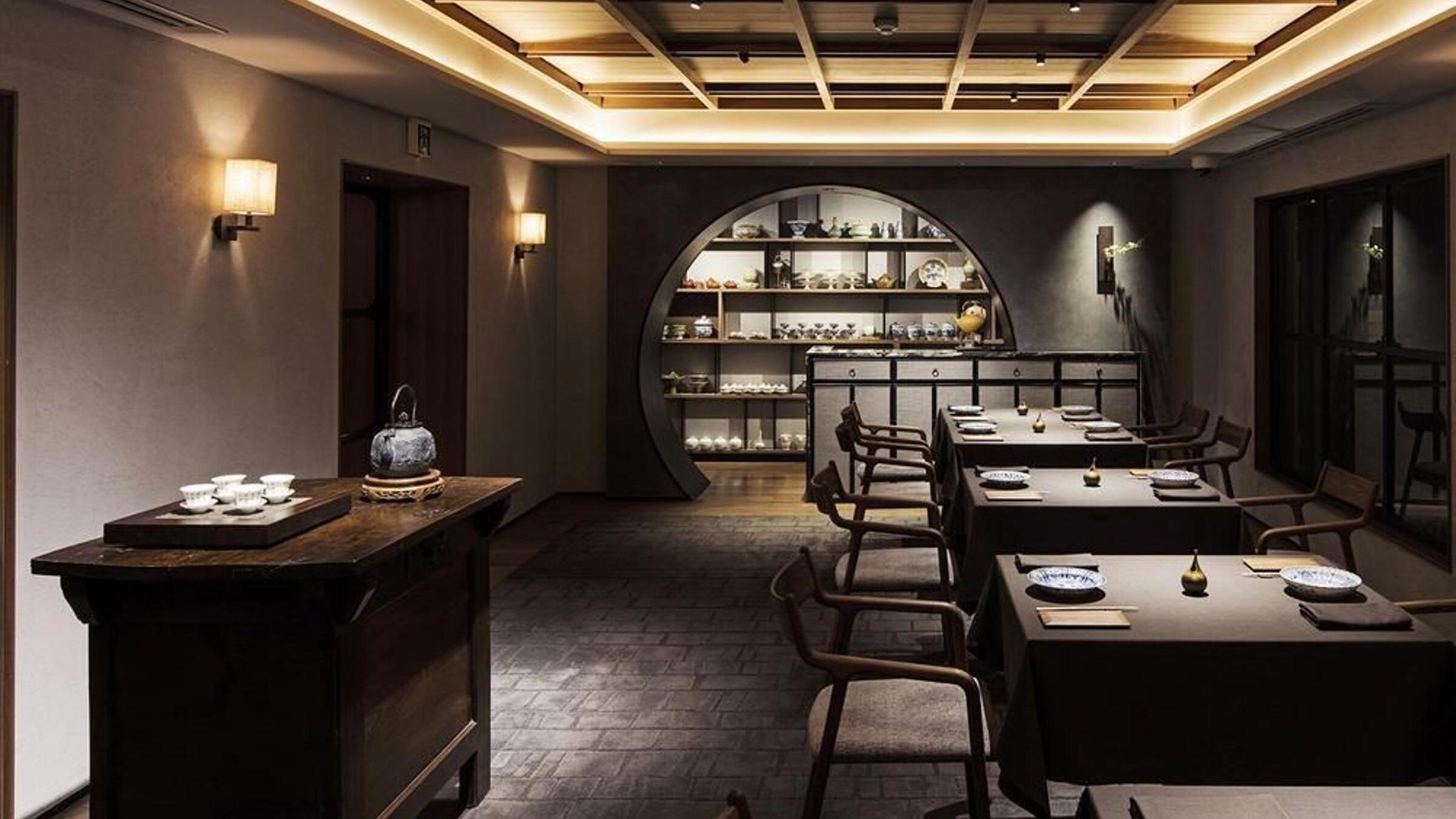
Design, in this context, is less about spectacle than friction. A take-out bakery has to make decisions quickly legible: what is on display, how payment moves, where customers wait, and how the shop handles peak pressure. Tokyo excels at this small-space discipline. The room can be modest and still operate with exacting order, because the city has trained diners to read counters, trays, and queues as part of the meal.
That matters for visitors. A bakery stop in Sangenjaya does not demand the social codes of kaiseki or the pacing of omakase. It asks for timing and a willingness to treat a brief purchase as part of the city’s food grammar. The absence of parking reinforces the local logic. This is station-and-foot-traffic dining, not a suburban errand. Sangen Jaya Station anchors the visit, and the short approach through Taishido is part of why the address makes sense: the neighborhood supplies the context that a more polished dining district would flatten.
The practical reading is simple. Use the bakery as a daytime food stop, not as a substitute for a seated restaurant. Pair it with the neighborhood rather than forcing it into a long cross-city itinerary. Tokyo rewards that kind of planning: one focused bakery, one coffee address, one later counter meal. For broader restaurant mapping, compare the city’s range through Our full Tokyo restaurants guide, then set bakery visits against sharply different formats such as 124. KAGURAZAKA (Yakitori), 12/10 Shinjuku ten, . 鮪と炭火焼き うお炭 秋葉原店, 2D Cafe, and 3 Chome no Curry Ya San.
How to place it in a Tokyo itinerary
The strongest argument for this kind of stop is proportion. Tokyo travelers often overbuild itineraries around prestige meals and then miss the smaller systems that feed the city every day. Bread shops, kissaten, curry counters, onigiri specialists, and station-adjacent sweets vendors are not side notes; they explain how Tokyo eats between appointments. Mikazuki Do fits that reading because its value is not tied to ceremony. The award recognition, take-out format, and low spend make it a precise, compact addition to a Setagaya day.
It is also a reminder that Tokyo food planning should not sit in one category. Hotels shape the morning, bars shape the late evening, and experiences can explain the cultural context around the meal. Cross-reference Our full Tokyo hotels guide, Our full Tokyo bars guide, Our full Tokyo wineries guide, and Our full Tokyo experiences guide before treating any single restaurant list as a complete plan.
For readers comparing Japanese casual formats beyond Tokyo, the same principle applies: pay attention to the physical setup and the transaction style as much as the cuisine label. A counter, cafe, curry shop, sake bar, or takeaway window changes the tempo of the day. Useful contrasts include -Grilled beef Sukiyaki- KAMAKURA TANUKIAN 鎌倉 たぬき庵 in Kamakura.cafe in Osaka.know in Kumamoto, (Shoku) Vietnam in Kawasaki, [Curry Senmon Ten] Maruyama Kyoju. in Sapporo, [ki:] in Kyoto, Jōdo Saké Bar in Los Angeles, and Onigiri Time in Pasadena.
The editorial verdict is restrained but clear: this is a smart Sangenjaya stop for travelers who want Tokyo’s food culture at neighborhood scale. The case rests on category recognition, compact take-out design, and a price band that leaves room for the rest of the day.
Cuisine Context
Comparable venues by category and price.
| Venue | Cuisine | Price | Notes |
|---|---|---|---|
| Mikazuki DoThis venue — the venue you are viewing | Traditional Japanese Izakaya | $$ | Not listed |
| Yukinoshita Pancake | Japanese Thick Pancakes & Shaved Ice | $$ | Ginza |
| Honmoku Tei. | Japanese Yakiniku | $$ | Ōta |
| Niwa Tori | Yakitori & Chicken Izakaya | $$ | Shinagawa |
| Swastika | Japanese Cafeteria / Yoshoku / Curry | $$ | Shinagawa |
| Gekko | Traditional Japanese Izakaya & Bar | $$ | Shinjuku |
Recognition history
Dated appearances from independent guides and award organizations, with the underlying list record or original source where available.
Tabelog 100 #50 · No. 50
Tabelog · Tabelog 100 - Bread - TOKYO - 2022














At a Glance
- Cozy
- Intimate
- Classic
- After Work
- Casual Hangout
- Solo
- Date Night
- Chefs Counter
- Standalone
- Sake Program
- Beer Program
A compact, cozy neighborhood izakaya with counter seating and a few tables, warm lighting, and a relaxed, conversation-friendly atmosphere centered around drinking and small plates rather than large group dining.