Michelin Bib Gourmand
Our verdict
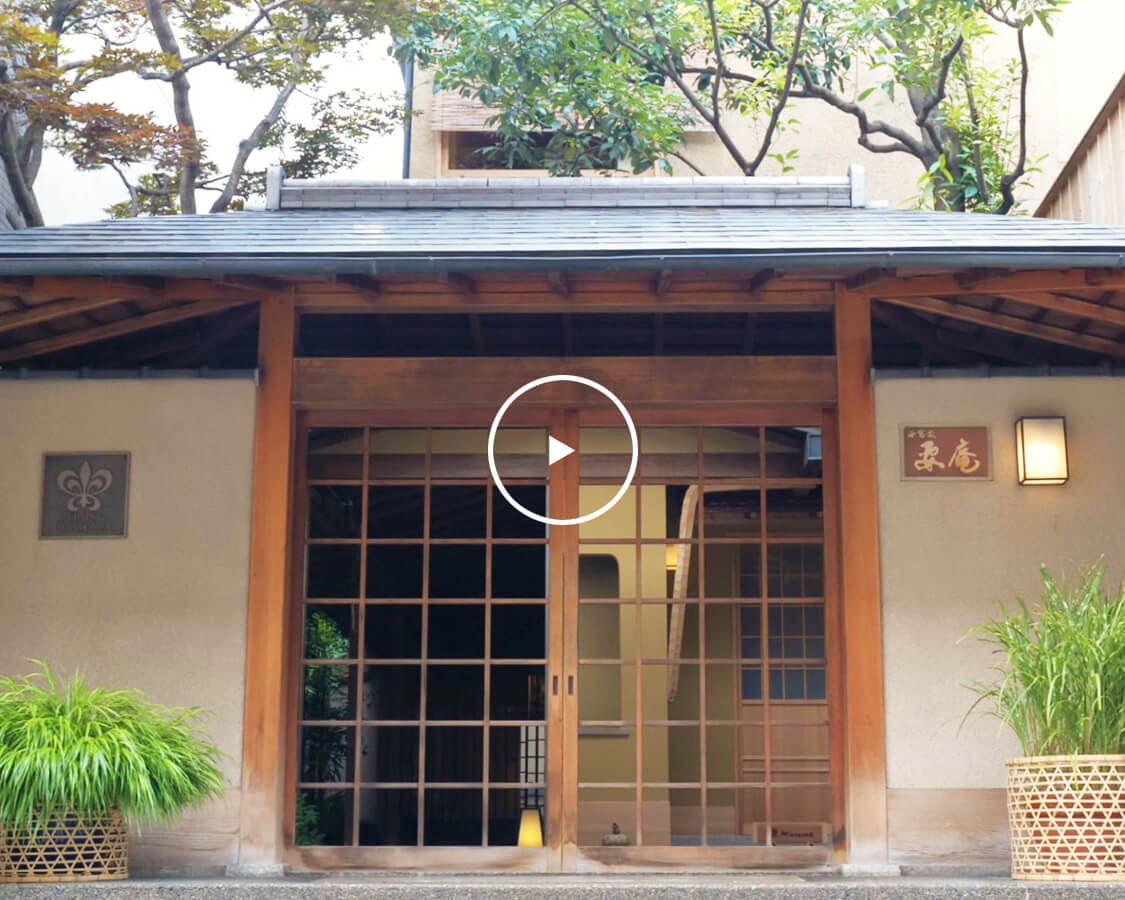
Sushizen occupies a different tier from Kyoto's high-spend kaiseki circuit, holding a Michelin Bib Gourmand for two consecutive years and an Opinionated About Dining ranking among Japan's top restaurants. The kitchen runs as a two-generation family operation in Nakagyo Ward, with chirashizushi, oshizushi of pike conger and conger eel, and futomaki representing a style of Kyoto sushi that prioritises technique and local seafood tradition over theatre.

Pearl is the En Primeur Club membership app, where members save venues, book tables and use the concierge.
The menu
What to order
- Chirashizushi
- Conger eel chirashi
- Oshizushi
Kyoto Sushi at a Different Price Point
Kyoto's dining reputation is built largely on kaiseki, the multi-course seasonal format that dominates tables at venues like KASHIWAI and delivers substantial per-head bills at Kikunoi Sushi Ao. Sushi occupies a smaller, more varied corner of the city's food culture, ranging from high-spend omakase counters to neighbourhood restaurants that have maintained the same formats for decades. That combination signals something specific about where this restaurant sits in the city's sushi hierarchy.
The Format: Kyoto-Style Sushi, Not Edo-Style
The distinction matters more than it might seem. Edo-mae sushi, the Tokyo tradition refined into the omakase counter format now exported globally through venues like Harutaka in Tokyo, centres on nigiri and chef-to-diner rhythm. Kyoto's sushi tradition is older, and different in its priorities. Oshizushi, pressed sushi in which fish and rice are layered into a mould and cut into portions, has roots in the city's landlocked geography and the preservation techniques that geography demanded. Pike conger, known as hamo in Japanese, is the emblematic Kyoto fish: it navigates the journey from the sea alive and was historically one of the few fish that could reach inland markets in viable condition during summer. Conger eel serves a related role.
Sushizen works with both, presenting oshizushi of pike conger and conger eel alongside chirashizushi, the scattered-style presentation in which seafood is arranged over vinegared rice, and futomaki rolls filled with dried gourd strips and parsley. These are not experimental combinations. They are the standard forms of a specific regional tradition, executed here with the consistency that comes from two generations of family operation. The approach places Sushizen in a comparable bracket to other Nakagyo neighbourhood restaurants like Izugen and Izuu, both of which have built sustained reputations on traditional Kyoto formats rather than contemporary reinvention.
Sourcing and Technique in the Kyoto Context
The editorial framing in Sushizen's Michelin and Opinionated About Dining records draws attention to two technical details that say something about how the kitchen thinks. First, sushi pieces are brushed with sweet eel sauce and covered in thin strips of omelette. The note that this arrangement is both visually considered and functional, preventing fish from drying, is the kind of detail that reflects a sourcing and preservation logic rather than a purely aesthetic one. In a city where premium fish historically arrived from the Sea of Japan via the Saba Kaido mackerel road or from Osaka's markets, the habit of protecting fish quality through preparation technique has deep roots.
Second, futomaki here uses dried gourd strips and parsley as standard fillings. These are not seasonal specials or menu rotations. The Michelin record uses the phrase "the good things never change" to describe the kitchen's consistency, which in the context of a Bib Gourmand assessment signals that the inspectors are rewarding a maintained standard rather than novelty. For comparison, the sushi formats at export-oriented venues like Sushi Shikon in Hong Kong or Shoukouwa in Singapore operate from a fundamentally different premise, adapting Edo-mae precision for international markets and pricing accordingly. Sushizen is the inverse: a restaurant for its own city and its own tradition.
The Family Kitchen
The Michelin record identifies the kitchen as a two-generation operation: chef Toshikatsu Aoki and his son, framed explicitly as protecting the restaurant's reputation for future generations rather than repositioning it. In practical terms, this means the dishes have been refined over years of repetition rather than periodically overhauled. The chirashizushi described in inspection notes is presented heaped with seafood, a presentation that the OAD ranking system, placing Sushizen at number 577 among Japan's leading restaurants in 2025, evidently regards as a benchmark of its type rather than a compromise of it.
For a broader sense of how Kyoto's restaurant scene organises itself, from this price tier up through mid-range neighbourhood dining and into high-spend kaiseki, our full Kyoto restaurants guide maps the full range. For visitors combining dining with other experiences, our full Kyoto experiences guide and our full Kyoto hotels guide cover the wider picture.
Nakagyo Ward and the Neighbourhood Context
Sushizen is located at 41-2 Koromonotanacho in Nakagyo Ward, a central district that sits between the commercial density of Shijo and the older streetscapes of Kawaramachi and Teramachi. Nakagyo is not a tourist dining enclave in the way that parts of Gion or Arashiyama have become. The ward hosts a mix of long-standing neighbourhood restaurants, craft businesses, and local institutions, and a Bib Gourmand at this price point in this location serves a different function than equivalent recognition in a high-visibility tourist corridor. It is more likely to draw visitors who have done advance research and local regulars than walk-in foot traffic. Sushi Rakumi represents a different register of Kyoto sushi in the same city, for those wanting to map the range.
For broader Japan restaurant context, HAJIME in Osaka, akordu in Nara, Goh in Fukuoka, 1000 in Yokohama, and 6 in Okinawa each represent distinct regional dining traditions across the country. For drinking and nightlife context in Kyoto itself, our full Kyoto bars guide covers the current scene, and our full Kyoto wineries guide addresses regional wine.
Planning Your Visit
Hours: Monday, Thursday, Friday, Saturday, and Sunday: 11:30 am to 2 pm and 5:30 to 9 pm. Closed: Tuesday and Wednesday. Budget: The price range sits at the lowest tier of the scale, making this one of the more accessible Michelin-recognised sushi addresses in Kyoto. Booking:Getting there: Nakagyo Ward is accessible from central Kyoto by subway or on foot from the Shijo and Karasuma corridors. Also nearby: For Kyoto dining at different price points and formats, Izugen and Izuu both represent the city's traditional food culture in Nakagyo and adjacent areas.
Frequently asked questions
Would Sushizen be comfortable with kids?
The Bib Gourmand designation and accessible price point (¥ range) suggest a neighbourhood restaurant without the formality of high-end omakase counters, which generally makes for an easier environment with children. The lunch service on Monday, Thursday, Friday, Saturday, and Sunday may suit families better than the evening sitting. That said, sushi-focused dining rooms in Kyoto typically expect a degree of quiet, so younger children who need to move around frequently may find the format constraining.
What kind of setting is Sushizen?
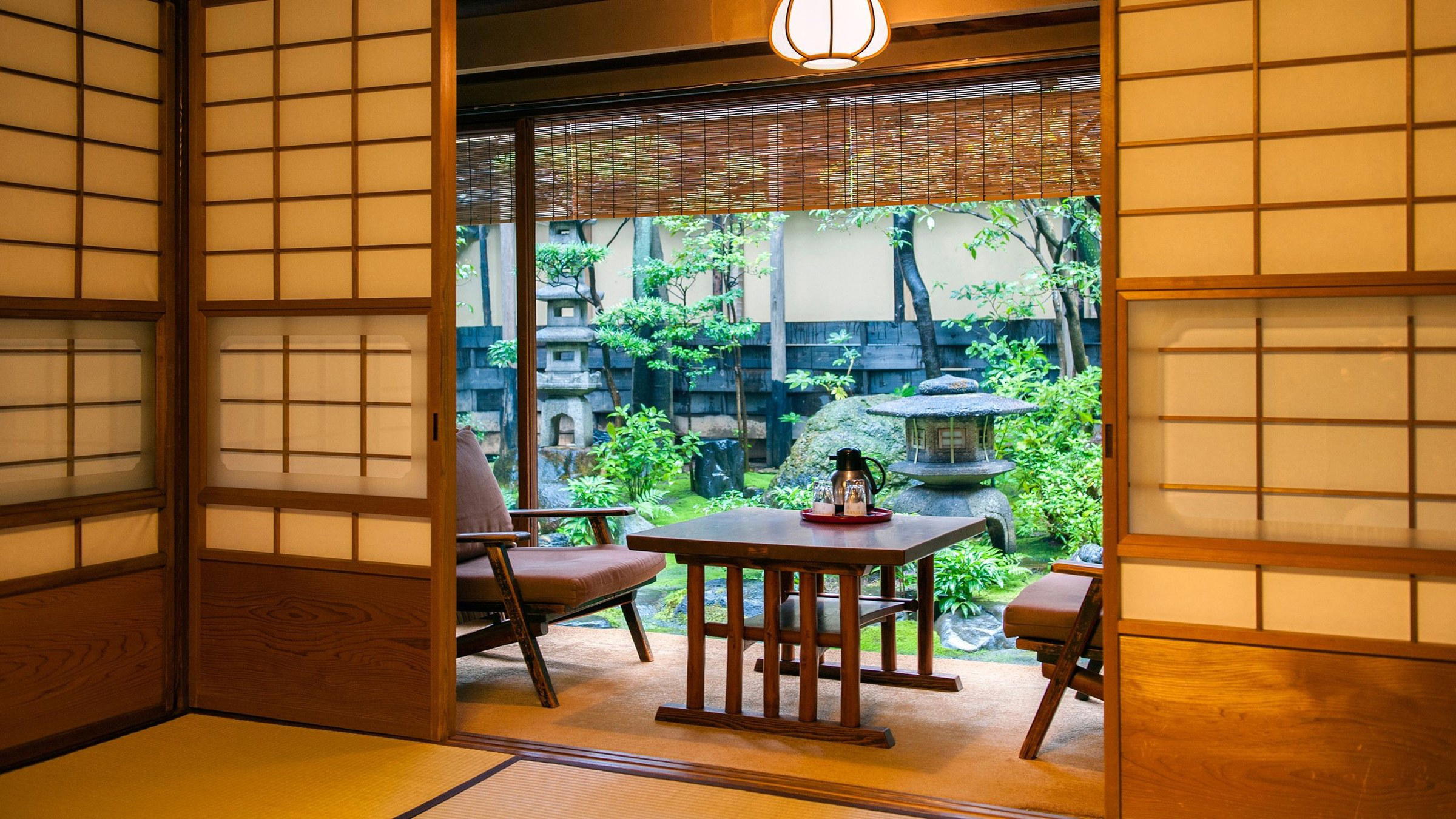
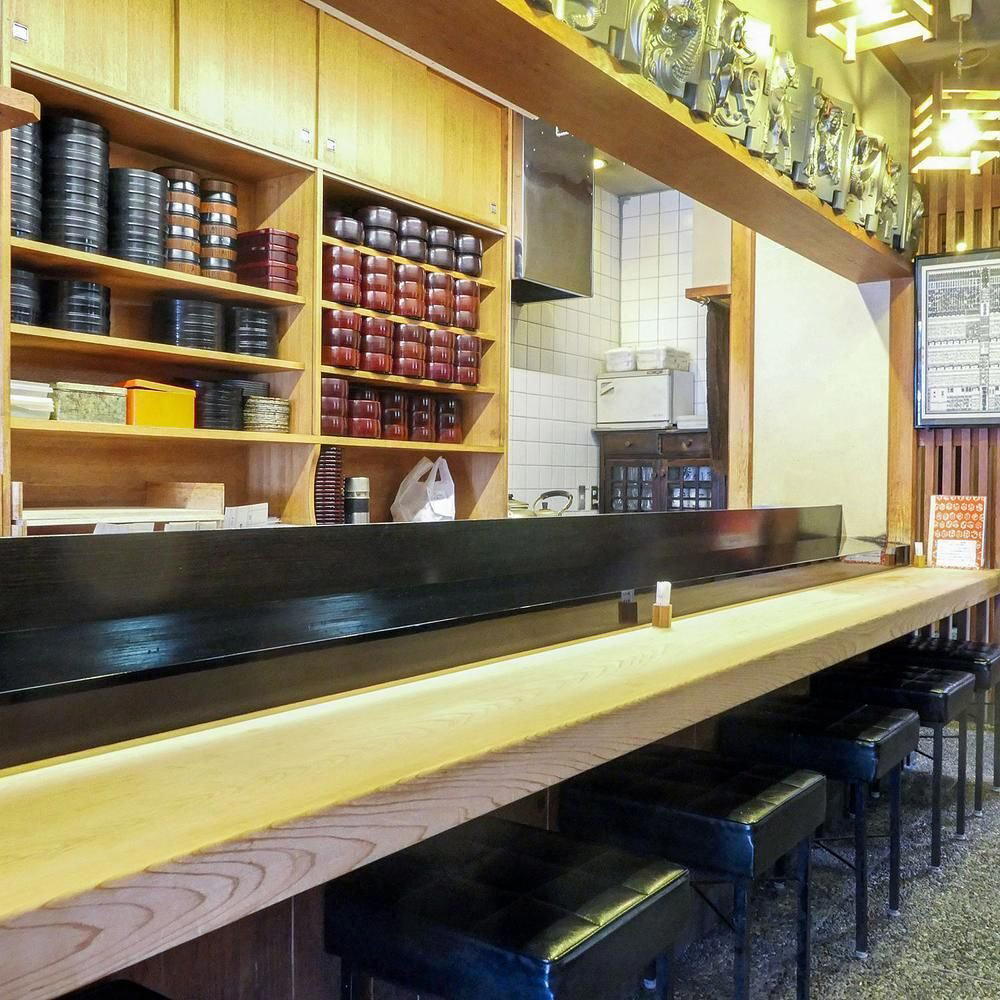
Sushizen is a family-run sushi restaurant in Nakagyo Ward, the central Kyoto district between Shijo and the older residential streets to the north. Two generations of the Aoki family work the kitchen, and the Michelin record frames this explicitly as a house protecting its own reputation across time. The price range sits at the accessible end of Kyoto dining, and the Bib Gourmand reflects good value rather than luxury-tier formality.
Is Sushizen award-winning?
Sushizen has received recognition including: Standing in the kitchen is the second-generation chef and his son. Protecting the reputation of their restaurant as a family, father and son carry the torch for future generations. Guests’ eyes are drawn to the chirashizushi heaped with las….
What's the must-try dish at Sushizen?
The chirashizushi is the dish the Michelin and Opinionated About Dining records both draw attention to: a bowl heaped with seafood, where sushi pieces are brushed with sweet eel sauce and covered in thin strips of omelette to keep the fish from drying out. The oshizushi of pike conger and conger eel, along with futomaki filled with dried gourd strips and parsley, are described as house standards that do not change. That consistency across years is itself the signal.
How would you describe the cuisine at Sushizen?
Compact Comparison
A quick snapshot of similar venues for side-by-side context.
| Venue | Cuisine | Price | Awards | Notes |
|---|---|---|---|---|
| SushizenThis venue (the venue you are viewing) | Traditional Kyo-Sushi | $10–20 | Michelin Bib Gourmand | Not listed |
| Gion Sasaki | Modern Kaiseki | $300–500 | 3 Michelin Stars · La Liste Top Restaurants | Kaiseki, Japanese |
| cenci | Innovative Italian-Japanese Fusion | $100–150 | 1 Michelin Star · World's 50 Best #76 | Italian |
| Ifuki | Sumibi Kappo Kaiseki | $200–300 | 2 Michelin Stars · La Liste Top Restaurants | Kaiseki |
| Kyokaiseki Kichisen | Kyoto Kaiseki | $200–300 | 2 Michelin Stars · La Liste Top Restaurants | Japanese |
| Kyo Seika | Modern Chinese Fine Dining | $150–200 | 1 Michelin Star · Tabelog Bronze #216 | Chinese |
Recognition history
Dated appearances from independent guides and award organizations, with the underlying list record or original source where available.
Michelin Bib Gourmand
Michelin
Opinionated About Dining Top Restaurants in Japan Ranked #577
Opinionated About Dining
Full recognition history (5 entries)
Michelin Bib Gourmand
Michelin
Michelin Bib Gourmand
Michelin
Opinionated About Dining Top Restaurants in Japan Recommended
Opinionated About Dining