Our verdict
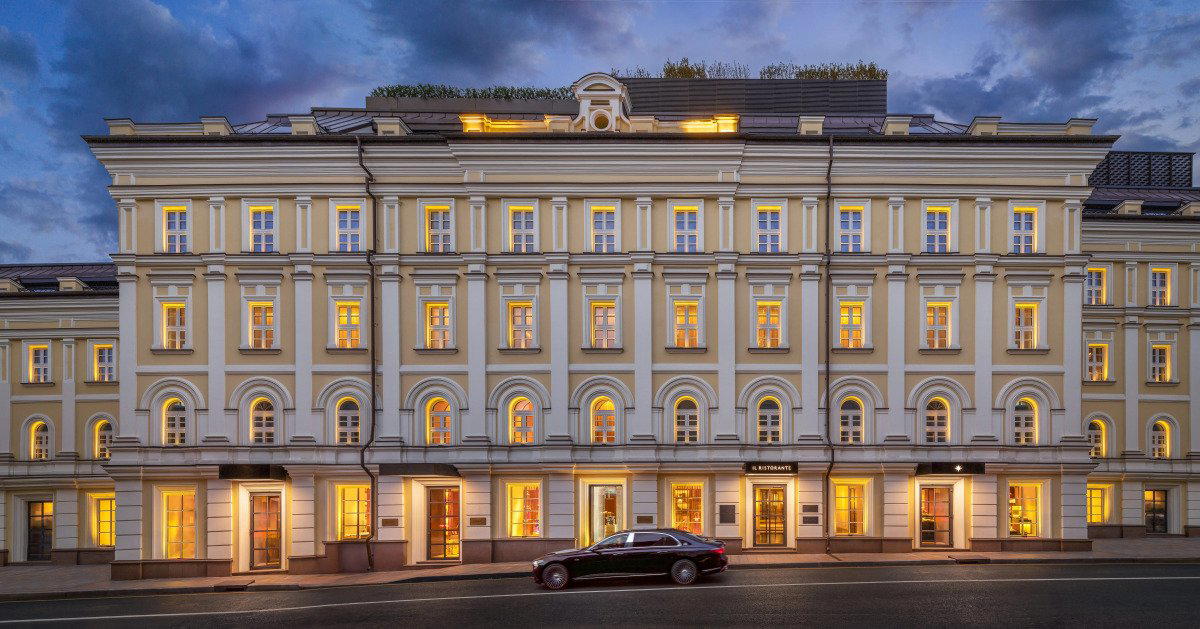
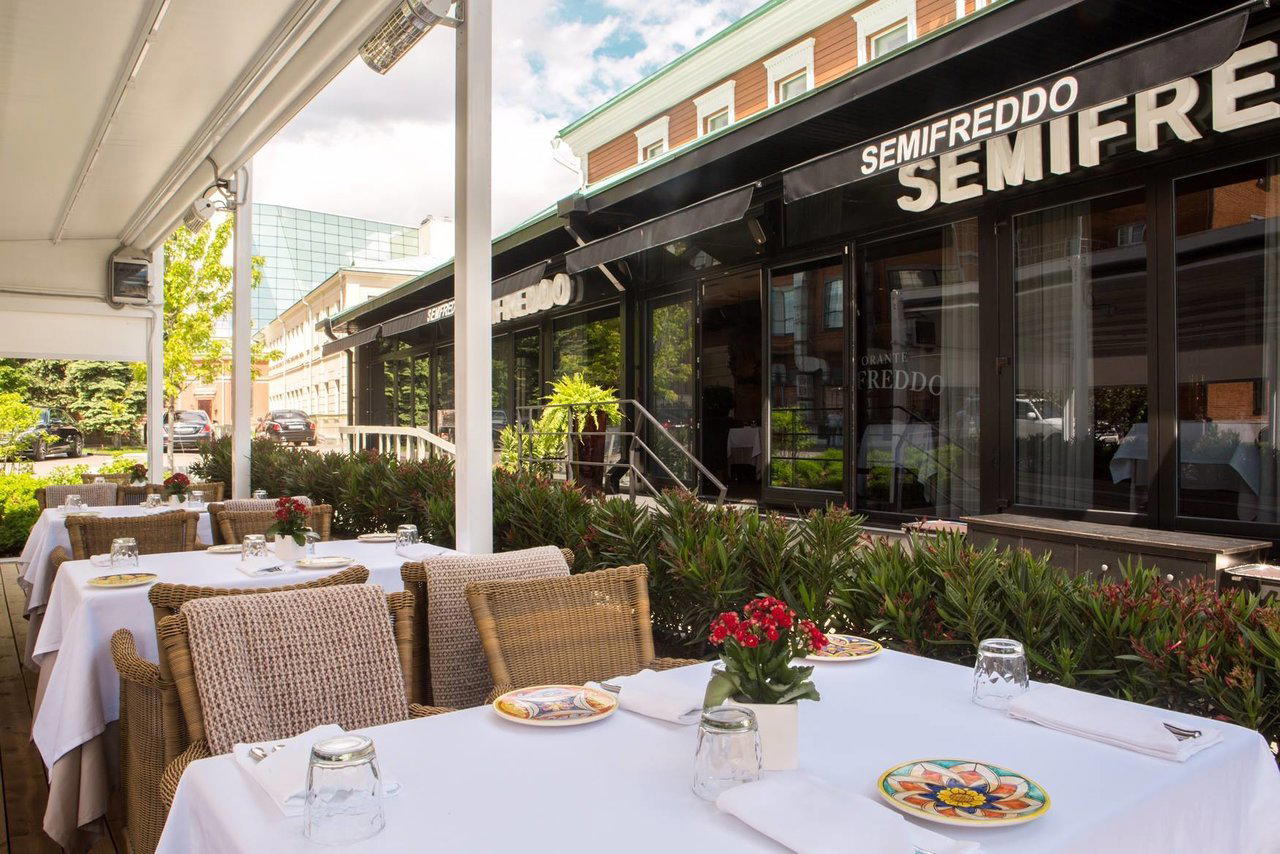
Semifreddo occupies a courtyard address in Moscow's Khamovniki district, operating within a city dining scene defined by contrasts between European-trained kitchens and deep Russian ingredient traditions. The address at Ulitsa Timura Frunze places it inside a creative cluster that has reshaped how the neighbourhood reads on Moscow's restaurant map. For visitors cross-referencing the capital's Italian-inflected dining tier, this is a reference point worth understanding.

Pearl is the En Primeur Club membership app — saves, bookings, and concierge access live there. Same editors, same standards.
- Address
- Ulitsa Timura Frunze, 11, стр. 55, Moscow, Russia, 119021
- Phone
- +74951815555
- Hours
- Daily 12–11:30 PM
- Website
- semifreddo-restaurant.com
- Directions
- Get directions
The menu
What to order
- Pasta with wild boar white mushrooms and truffle
- Spaghetti with shellfish
- Octopus carpaccio
Khamovniki's Courtyard Logic
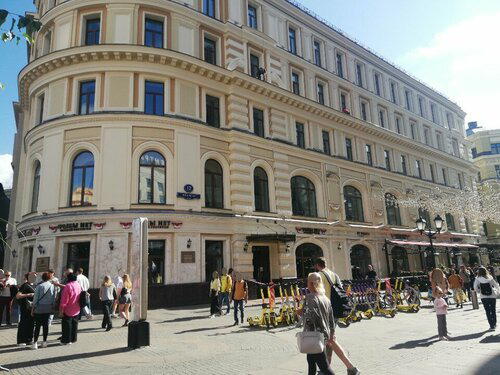
Moscow's Khamovniki district has quietly accumulated a concentration of serious restaurants over the past decade, and the courtyard complexes along Ulitsa Timura Frunze sit at the centre of that shift. The area operates differently from the high-visibility Patriarch's Ponds circuit or the tourist-facing streets around the Kremlin. Restaurants here address a local audience with spending power and a calibrated appetite for European technique applied to Russian and post-Soviet ingredients. Semifreddo's address at building 11, corpus 55 places it inside this logic: a destination you arrive at deliberately, not one you stumble upon while walking between monuments.
The courtyard-complex format, common across Moscow's more considered dining addresses, creates a specific kind of entry experience. You move through a transition space before reaching the room itself, which separates the restaurant from the street noise and signals that the meal is the point of the visit. This physical separation is not accidental in Moscow's premium dining culture — it frames expectations before anyone looks at a menu. Comparable addresses in the same district, including Accenti and Aist, use similar spatial logic to position themselves outside the mainstream dining circuit.
Where Semifreddo Sits in Moscow's Italian-Inflected Tier
Moscow has a layered relationship with Italian cooking. At one end, there are high-turnover trattorias serving pizza to a broad market. At the other, there is a smaller cohort of kitchens that treat Italian culinary grammar as a serious discipline, sourcing with intention and treating the plate as a technical argument rather than a comfort exercise. Semifreddo belongs to a conversation about that upper tier, operating in a city where the gap between these two modes is wider than in most European capitals.
The comparison set matters here. Twins Garden approaches European cooking through a fermentation and locality lens that has earned it sustained international attention. White Rabbit has long occupied a position on the World's 50 Best Restaurants list, anchoring modern Russian cooking at altitude. Varvary works the Russian ingredient tradition from a different angle. Semifreddo's Italian orientation puts it in a distinct lane from these three, addressing a segment of Moscow diners who want European classical discipline without the Russian reinterpretation overlay.
The Sourcing Question in Moscow's European Kitchens
The ingredient question has been structurally complicated for Moscow's European-facing restaurants since 2014, when Russia's retaliatory food import bans removed access to a range of European dairy, meat, and produce categories. Kitchens that had built programs around Italian DOP cheeses, French butter, and Spanish charcuterie had to rebuild their sourcing logic or reroute through parallel supply chains. The restaurants that adapted most effectively did one of two things: they leaned into Russian domestic producers, some of whom had dramatically improved quality over the following years, or they found alternative import channels through non-sanctioned geographies.
This context matters for understanding any Moscow restaurant operating in the Italian or broader European tradition. What arrives on the plate is shaped not just by culinary ambition but by the material reality of what a Moscow kitchen can reliably source. The most capable operators in the city's European tier have turned this constraint into a creative argument, building menus around Russian-grown ingredients interpreted through Italian or French technique. Whether Semifreddo has taken this approach, or works differently within the available supply framework, is a question leading answered by visiting and asking the team directly — the sourcing architecture of Moscow's premium kitchens has continued to evolve and varies significantly between addresses.
For broader context on how Moscow's restaurant scene has adapted to these structural conditions, the EP Club Moscow restaurants guide maps the current field across categories and price tiers.
The Khamovniki Visit in Practical Terms
The Ulitsa Timura Frunze address is accessible by metro, with Park Kultury station serving both the Sokolnicheskaya and Koltsevaya lines within a short walk of the courtyard complex. This makes the logistics direct from most central Moscow locations, including the hotel corridor around Tverskaya and the business districts further east. The area rewards visiting in the early evening when the creative-class offices and studios in the surrounding blocks begin to empty and the neighbourhood takes on a different tempo from its daytime self. Autumn and winter visits have a particular logic in this part of Moscow: the enclosed courtyard spaces and considered interiors become more appealing as the city's temperature drops, and kitchen-focused dining tends to deepen as the seasons turn.
For visitors building a broader Russian itinerary, the country's dining scene extends well beyond the capital. 1913 in Saint Petersburg and Lev I Ptichka represent that city's different approach to European dining. Further afield, Kukhterin in Tomsk, Khmeli Suneli in Yekaterinburg, and Dzhani Restorani in Nizhny Novgorod illustrate how regional Russian cities have developed their own distinct dining personalities. Alanskaya Kukhnya in Krasnodar and Grisha in Omsk extend that picture further. For reference points outside Russia entirely, Le Bernardin in New York City and Atomix represent the international tier against which Moscow's most ambitious kitchens increasingly measure themselves, at least in terms of technical ambition and sourcing discipline. Made in China in St. Petersburg, Burger Records in Novosibirsk, and Konditerskaya Kuzina in Syktyvkar round out the country's range across formats and price points.
Frequently asked questions
Does Semifreddo work for a family meal?
Khamovniki's courtyard venues tend to draw a mixed crowd rather than an exclusively adult dining scene, and Semifreddo's address on Ulitsa Timura Frunze sits within a low-traffic compound setting that suits unhurried meals.
What should I expect atmosphere-wise at Semifreddo?
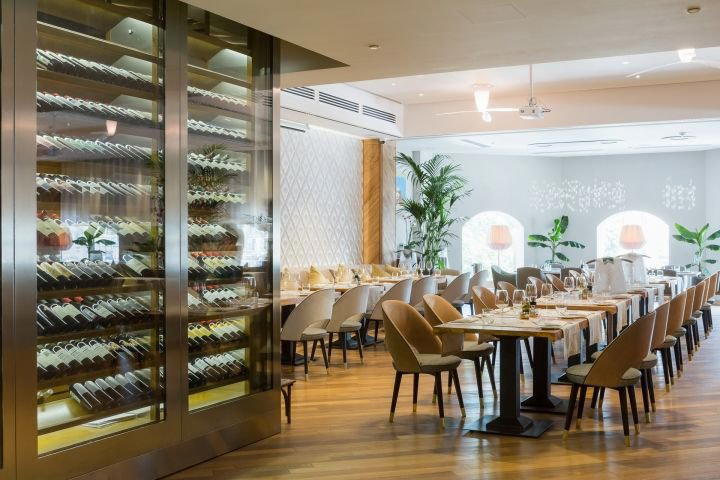
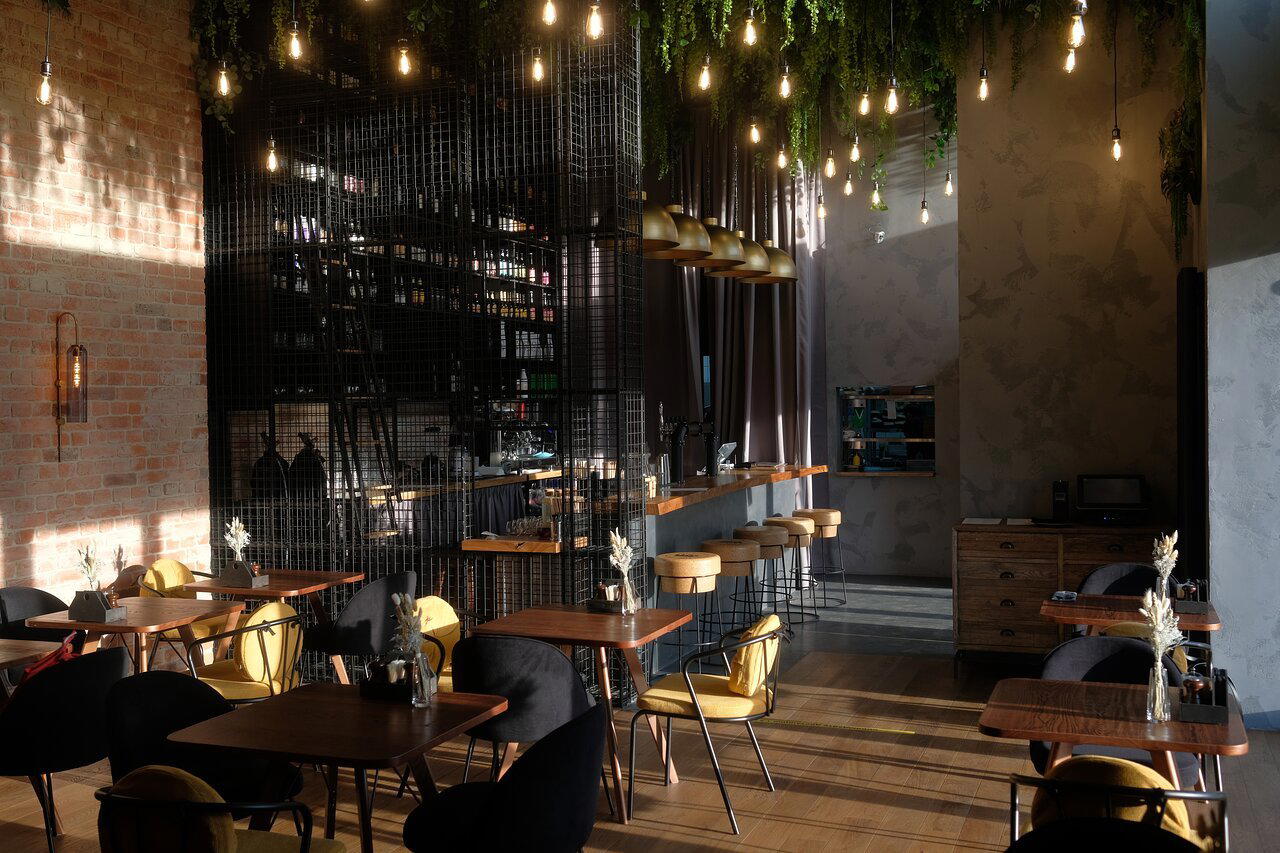
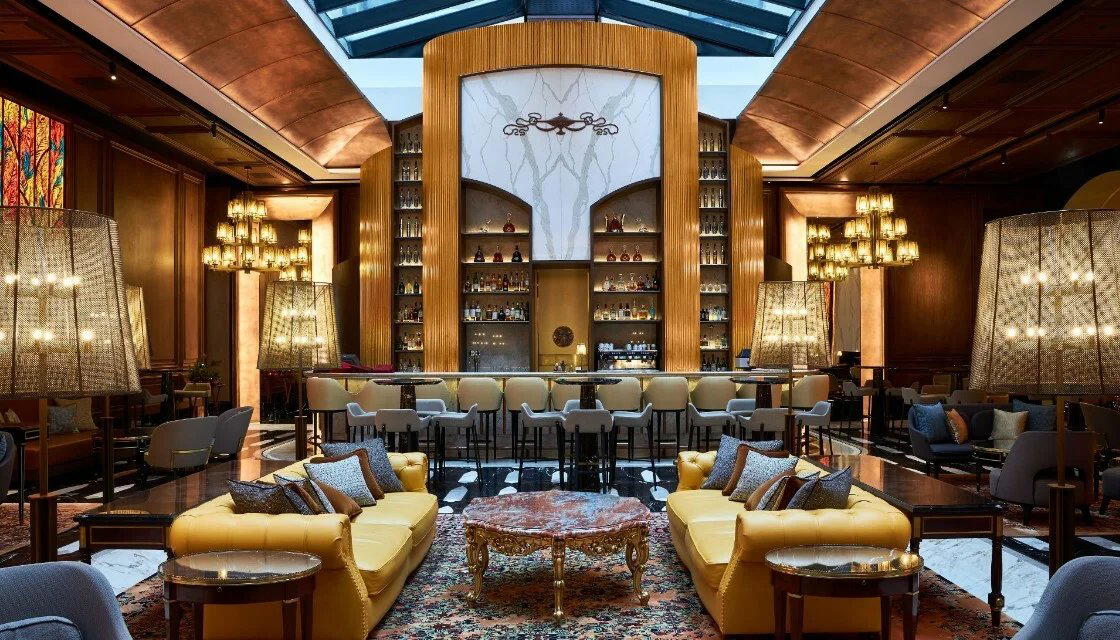
The Ulitsa Timura Frunze courtyard strip in Khamovniki has developed a reputation for contained, lower-key dining rooms rather than high-volume social venues. Semifreddo occupies a building within that compound logic, which typically produces a quieter register than Moscow's more central or design-forward addresses. The neighbourhood itself, accessible from Park Kultury metro on two lines, attracts a regular local clientele rather than a tourist-heavy crowd.
Is Semifreddo the kind of Italian restaurant in Moscow that takes sourcing seriously?
Moscow's European-facing kitchens have had to rework supply chains since the 2014 import ban, and Semifreddo's position in the Khamovniki restaurant cluster places it among venues that have generally prioritised product quality over volume. Whether the kitchen sources domestically or through available import channels is a detail worth raising when you book. The address at Ulitsa Timura Frunze, 11 puts it in a district where that kind of culinary seriousness has concentrated over the past decade.
What should I eat at Semifreddo?
What is documentable is that Semifreddo operates within Moscow's Italian-inflected dining tier, a segment where sourcing decisions have been structurally complicated since Russia's 2014 food import restrictions. Checking the current menu directly with the restaurant will give the clearest picture of what the kitchen is working with now.
Comparable Spots
Comparable venues nearby, for context on price, style, and recognition.
| Venue | Cuisine | Price | Awards | Notes |
|---|---|---|---|---|
| SemifreddoThis venue — the venue you are viewing | Authentic Sicilian-Italian Fine Dining | $100–150 | Not listed | Not listed |
| Balzi Rossi | Modern Italian Mediterranean | $30–50 | Not listed | Presnensky |
| Butler | Contemporary Sicilian Italian | $30–50 | Wine Spectator Best of Award of Excellence | Patriarch Ponds |
| Scrocchiarella | Roman-style Pizza | Not listed | Not listed | Boulevard Ring |
| Pizzeria Vesuvio | Neapolitan Pizza | $10–20 | Not listed | North-Eastern (SVAO) |
| Sartoria Lamberti | Modern Italian Trattoria | $100–150 | Not listed | Tverskaya |